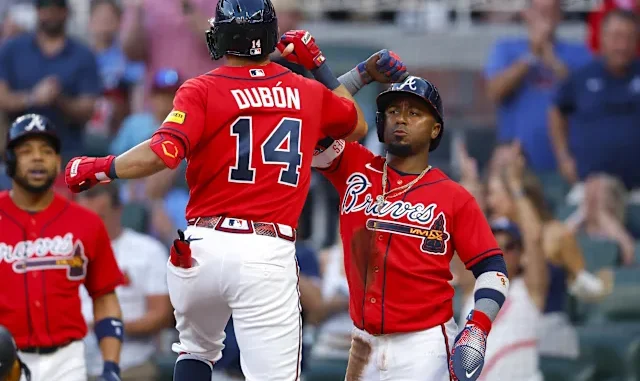
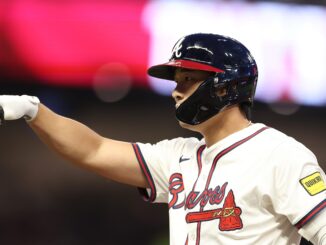
The Atlanta Braves’ decision to acquire Mauricio Dubón has quietly emerged as one of the most effective and underrated moves of the previous offseason. In what initially looked like a modest, low-risk swap, Atlanta sent defensive-minded infielder Nick Allen to the Houston Astros in exchange for Dubón, a versatile veteran known more for his glove than his bat.
At the time, the deal didn’t generate massive headlines, but as the 2026 season has unfolded, it has become increasingly clear that the Braves extracted significant value from the transaction.
The trade itself reflected differing organizational priorities. Houston, facing payroll considerations and seeking cost control, opted to move on from Dubón—who was entering his final year of arbitration and projected to earn several million dollars—in favor of the cheaper, glove-first Allen (SI).
Atlanta, on the other hand, was willing to absorb Dubón’s salary in exchange for a player who could offer flexibility, experience, and a higher offensive ceiling than Allen, whose struggles at the plate had limited his overall impact despite elite defense.
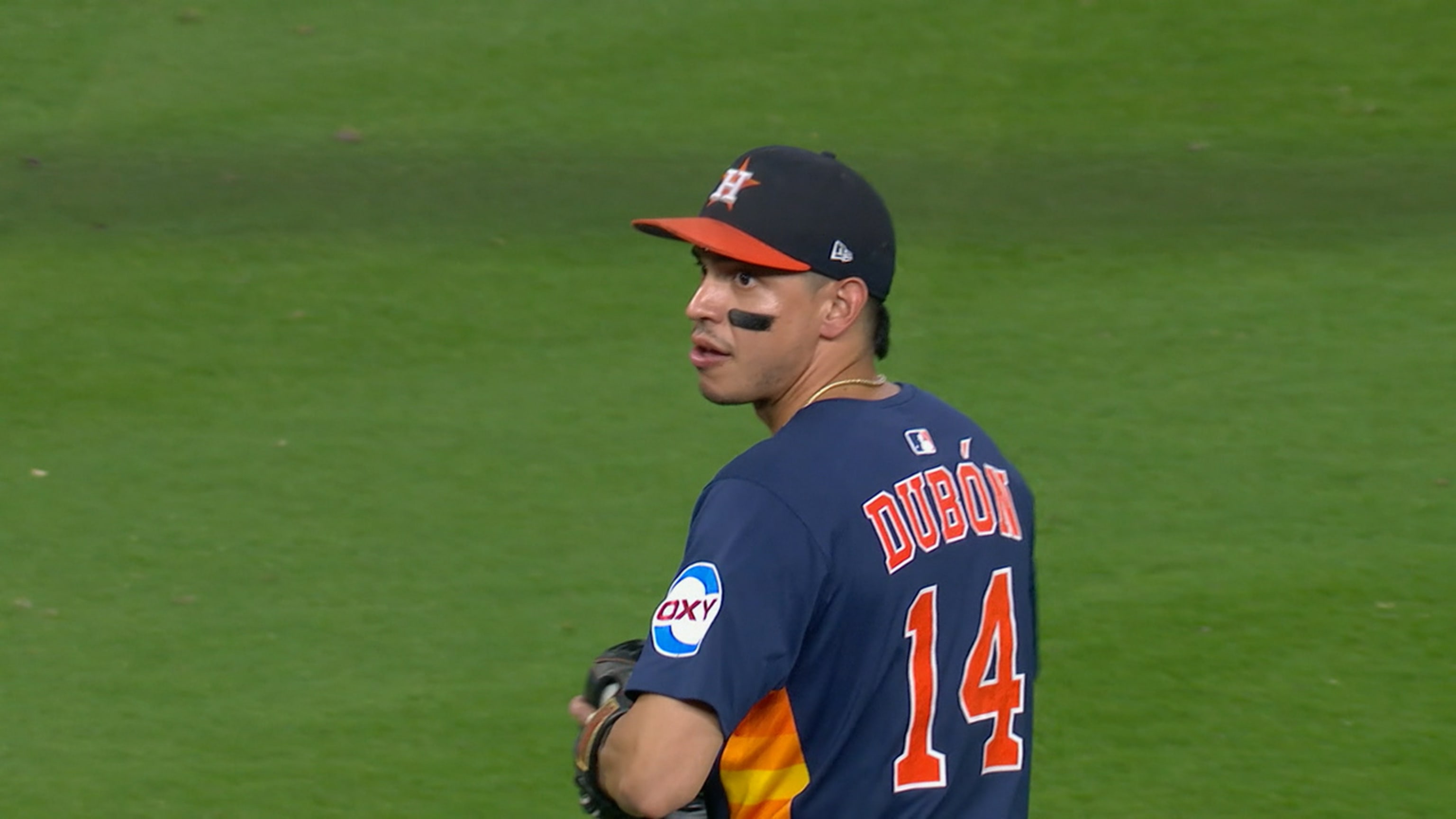
From the Braves’ perspective, the appeal was straightforward. Dubón had established himself as one of baseball’s most dependable utility players, capable of handling multiple positions across both the infield and outfield.
Over his time with Houston, he earned multiple Gold Glove honors in a utility role, demonstrating not only versatility but also high-level defensive reliability (MLB Trade Rumors). Atlanta envisioned him as a player who could fill gaps all over the field, stabilize weak spots, and provide depth for a roster with postseason aspirations.
MORE: Cardinals-Diamondbacks Blockbuster Trade Proposal Send Luis Gastelum, Braden Davis In 3-Player Deal
So far, Dubón has delivered exactly that—and perhaps more.
Entering the current series in San Diego, Dubón owns a .262/.316/.408 slash line, production that sits right around league average but represents a meaningful contribution given his defensive value and positional flexibility.
He has already equaled his home run total from the previous season, launching seven long balls and putting himself on track to eclipse his career-high mark of 10. While he’s not a middle-of-the-order threat, his ability to provide timely offense without sacrificing defensive excellence has made him an extremely useful piece for Atlanta.
What has stood out most, however, is how the Braves have deployed him. Early in the season, Dubón took on primary duties at shortstop, filling a critical need while the team evaluated its options at the position.
As the calendar turned to May, he transitioned into more of an outfield role, seeing significant time in both left field and center field. In June, his usage has become even more dynamic, as he has rotated between shortstop and multiple outfield spots depending on matchup needs and roster availability.
This level of adaptability is precisely what makes Dubón so valuable. Few players in the league can seamlessly shift between premium defensive positions while maintaining consistent performance. For a Braves team dealing with uncertainty at shortstop and occasional roster instability, having a player like Dubón has effectively raised the team’s floor.
He may not always be the best option at any single position, but he is a reliable and above-average option at several—a trait that carries immense importance over the course of a long season.
MORE: Blue Jays officially confirmed depth trade with Diamondbacks
Beyond his on-field contributions, Dubón’s strong start has come at a pivotal moment in his career. The 31-year-old is in what is commonly referred to as a “platform year,” meaning he is set to reach free agency for the first time once the season concludes. Players in this situation are often highly motivated, as their performance can directly influence the type and size of contract they receive on the open market.
Interestingly, despite being so close to testing free agency, Dubón has expressed openness to negotiating a contract extension with Atlanta during the season. In comments to The Atlanta Journal-Constitution, he made it clear that he would be willing to listen if the Braves approached him with an offer that made sense both professionally and personally. At the same time, he acknowledged the realities of the business side of baseball, recognizing that outcomes can be unpredictable.
That mindset reflects both confidence and pragmatism. Dubón understands that he has positioned himself well with his performance, but he is also realistic about the uncertainties that come with free agency. His desire to remain in Atlanta suggests that he values the environment, the clubhouse culture, and the role he has carved out with the team.
Financially, Dubón is earning $6.1 million in his final year of arbitration, a figure that is reasonable given his production and versatility. For Houston, that cost was part of the reason he became expendable, as the Astros were reportedly considering non-tendering him if they couldn’t find a trade partner. The fact that Atlanta was able to acquire him in a one-for-one deal for Allen indicates that the market for Dubón may not have been especially robust at the time.
Even so, his performance this season has likely improved his standing to some degree. That said, it’s important to maintain perspective. While Dubón has been productive, there haven’t been dramatic changes in his underlying profile.
He entered the season as a career .257/.295/.374 hitter across more than 2,000 major league plate appearances, and his current numbers are broadly in line with that track record. His plate discipline, contact quality, and batted-ball tendencies have remained relatively stable.
MORE: Just In, Braves Officially Made Significant Trade With The Nationals
In other words, Dubón hasn’t suddenly transformed into a different type of player. Instead, he is doing what he has always done—just doing it consistently and in a context where his skills are especially valuable. His offensive contributions are solid but not spectacular, and his overall value continues to be driven primarily by his defense, versatility, and intangibles such as leadership and clubhouse presence.
When projecting his future earnings, Dubón appears to fit into a category of players who are valuable but not typically rewarded with long-term deals. Comparisons can be made to players like Isiah Kiner-Falefa, who signed a one-year, $6 million contract with Boston, or Willi Castro, who secured a two-year, $12.8 million deal with Colorado.
Dubón arguably offers superior defensive value compared to Castro and is coming off a stronger season than Kiner-Falefa had prior to his deal.
Given those factors, Dubón could reasonably expect to command a contract in the range of two years with an average annual value between $7 million and $10 million. While it’s unlikely that teams would commit to a three-year deal for a player with his profile, his consistency and versatility make him an attractive option for clubs seeking reliable depth and defensive stability.
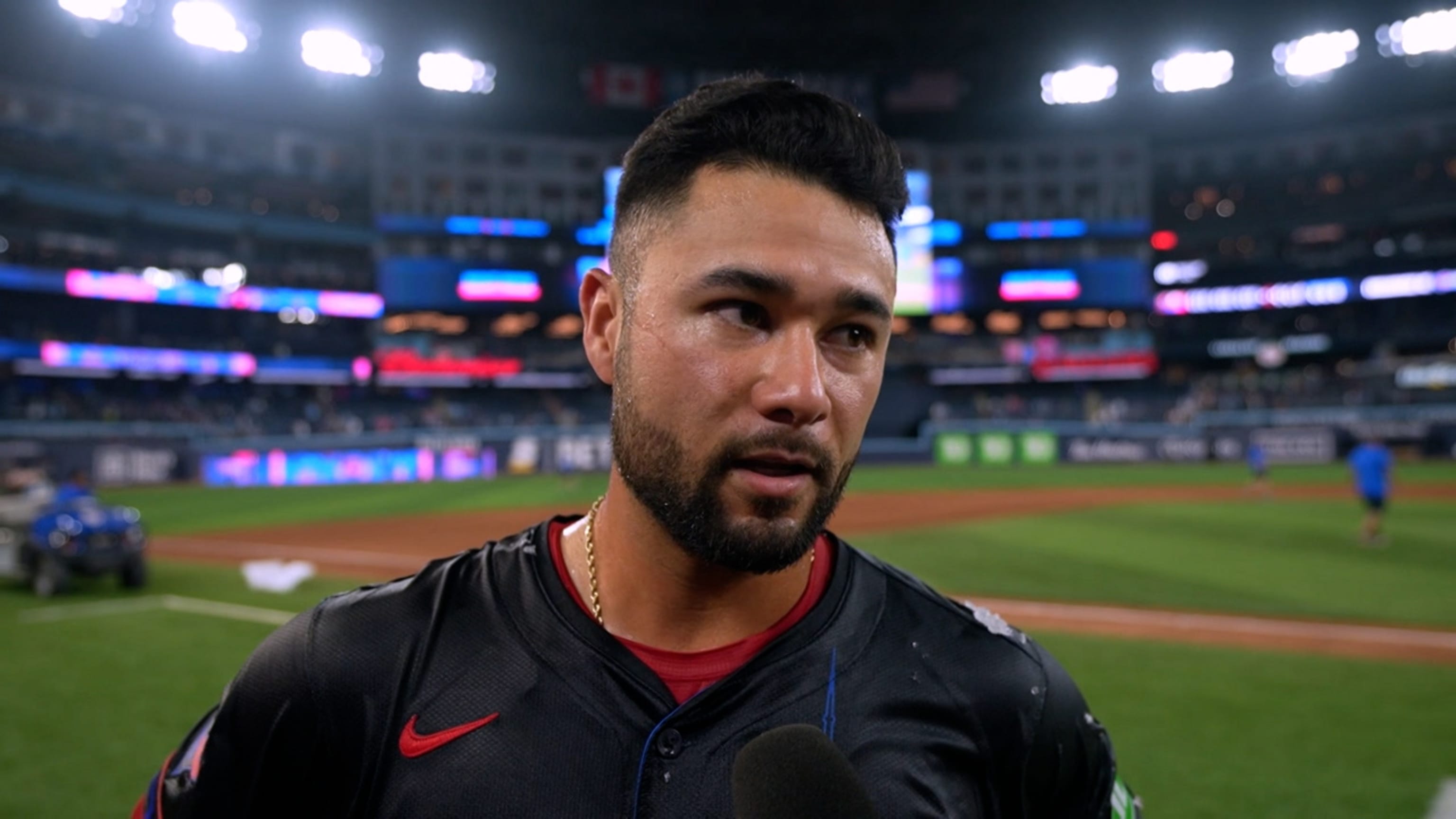
For the Braves, the decision to pursue an extension would align with their broader organizational philosophy. Under president of baseball operations Alex Anthopoulos, Atlanta has shown a willingness to lock up players early, often securing team-friendly deals before they reach free agency. Dubón’s fit within the clubhouse and his ability to fill multiple roles make him a logical candidate for such an approach.
Additionally, the team’s situation at shortstop adds another layer of incentive. Atlanta’s attempts to solidify the position have been met with mixed results. Ha-Seong Kim, who signed a $20 million free agent deal, has struggled mightily this season.
MORE: Angels Officially Cut Veteran Pitcher “Another Major Setback”
After missing the first six weeks due to a torn tendon in his hand suffered during the offseason, Kim has been unable to regain form, posting an extremely low batting average with virtually no power production since returning.
Meanwhile, Jorge Mateo has stepped in and outperformed Kim, earning the majority of playing time in recent weeks. However, both players are set to reach free agency after the season, leaving the Braves without a clear long-term answer at shortstop. This uncertainty underscores the importance of having a player like Dubón, who can competently handle the position even if he isn’t the ideal everyday solution.
Looking further ahead, the organization’s pipeline does not offer immediate help. While the Braves have some intriguing infield prospects in the lower minors—such as Alex Lodise, John Gil, and Tate Southisene—none are expected to be major league contributors in the near future. This lack of upper-level depth increases the value of players who can bridge the gap in the short term.
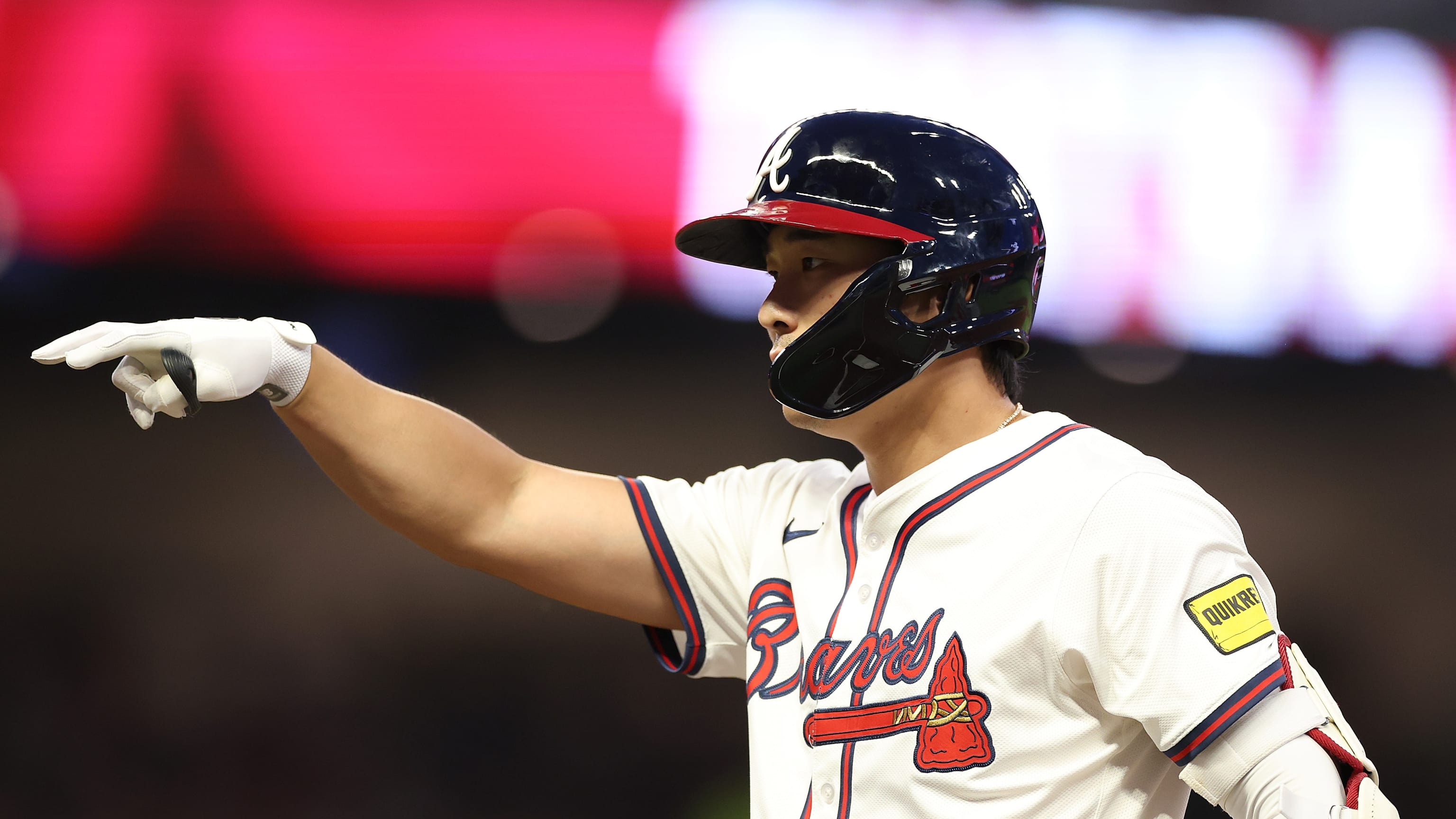
In that sense, extending Dubón would mirror the logic behind acquiring him in the first place. He provides stability at a position of need while maintaining the flexibility to shift into a bench role if the team eventually acquires a more permanent solution. This dual capability makes him an ideal complementary piece for a competitive roster.
Ultimately, Dubón’s impact goes beyond traditional statistics. His ability to adapt, his defensive excellence, and his professionalism have made him a key contributor to the Braves’ success. What began as a relatively minor offseason trade has evolved into a move that exemplifies smart roster construction—identifying undervalued talent, maximizing versatility, and addressing multiple needs with a single acquisition.
As the season progresses and free agency approaches, both Dubón and the Braves will face important decisions about the future. Whether he remains in Atlanta or tests the open market, one thing is clear: the trade that brought him to the Braves has already paid significant dividends, reinforcing the value of versatility and reliability in today’s game.

Be the first to comment