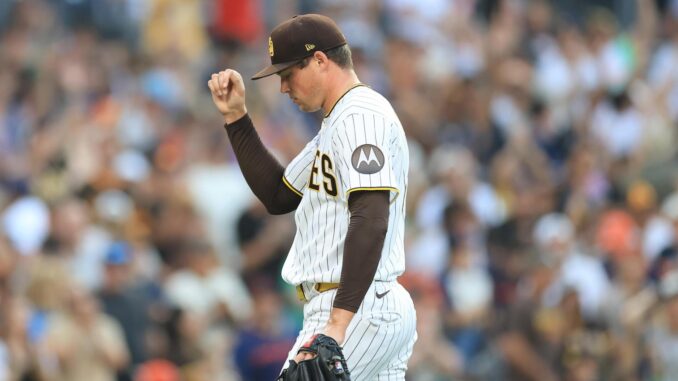
A.J. Preller once again followed the aggressive approach that has become synonymous with his tenure in San Diego, but this time he managed to strengthen the Padres without sacrificing any players from the club’s active major-league roster. At the August 3 trade deadline, San Diego acquired veteran left-hander Robbie Ray from the San Francisco Giants and right-hander Casey Mize from the Detroit Tigers, giving a battered starting rotation two additional arms for the stretch run.
The Padres entered the deadline period fighting to remain in the National League playoff picture, making the condition of their rotation one of the organization’s biggest concerns. Rather than pursue a massive, headline-grabbing deal that could have significantly altered the roster, Preller focused on addressing the most immediate weakness.
The decision reflected the reality facing San Diego: injuries had created considerable uncertainty in the rotation, and adding reliable starting-pitching depth was arguably more important than making a splash simply for the sake of it.
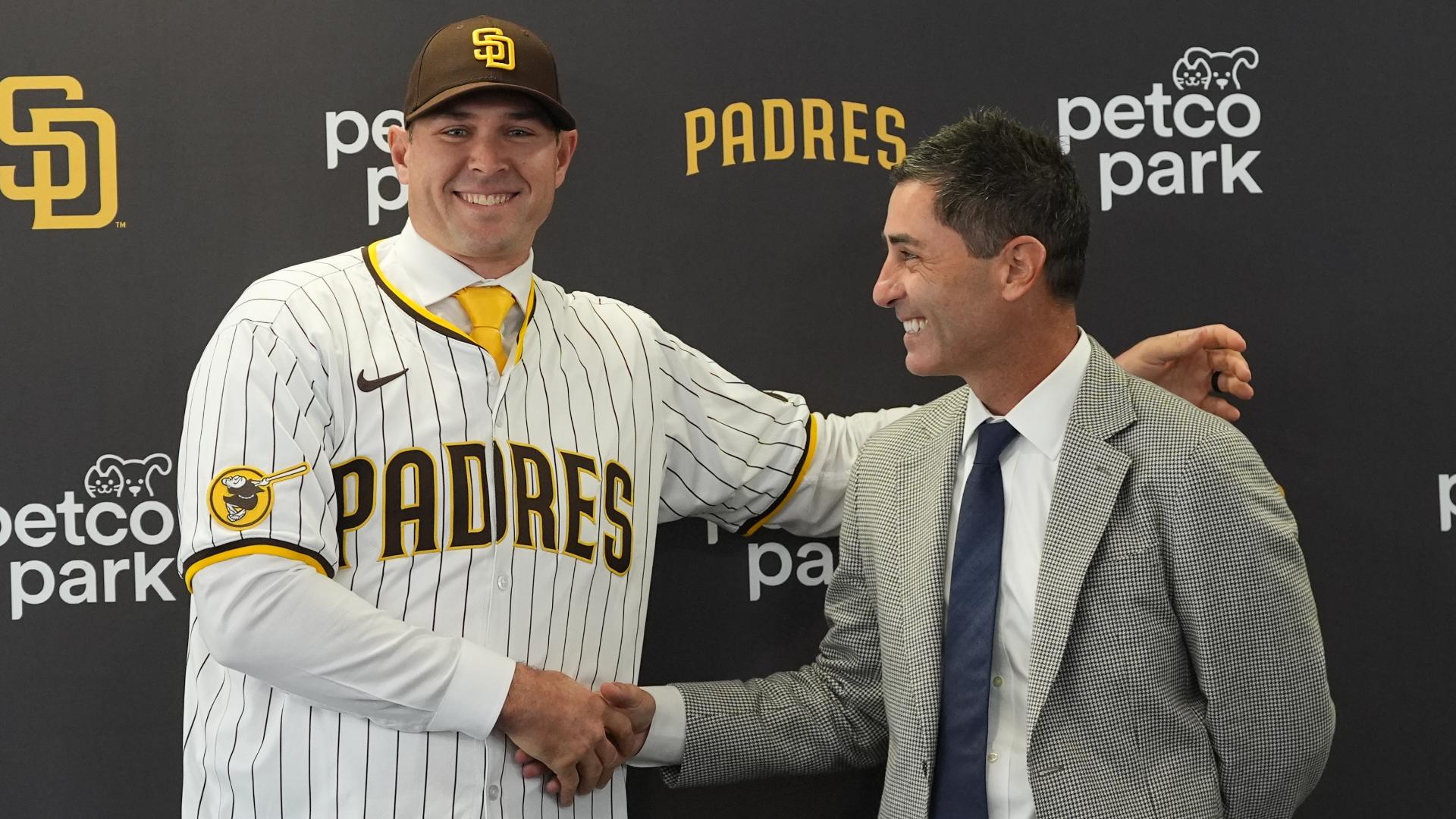
Ray and Mize both represent short-term additions capable of giving the Padres meaningful innings down the stretch. Ray brings experience and the potential to provide quality starts, while Mize gives San Diego another option as it navigates a rotation that has been forced to withstand injuries and inconsistent performances. Although Mize struggled badly in his Padres debut against Arizona, allowing eight runs in just 3⅓ innings, one poor outing does not erase the potential value of the move.
BREAKING: Braves fans upset with latest roster release
The Padres also addressed their outfield situation after the deadline by signing Austin Hays to a major-league contract. Hays provides another experienced option for a team that has been dealing with injuries among its outfield group. San Diego’s need for additional outfield depth became even more pressing after Ramon Laureano was ruled out for the remainder of the season following hip surgery.
With Ray, Mize and Hays now in the organization, Preller’s work has shifted from acquiring talent to making sure those additions actually translate into a postseason appearance. The Padres still have several important roster and performance questions to answer.
The rotation must stabilize, the newcomers need to produce at a reasonable level, and the offense and overall roster depth have to remain dependable during the final stretch. The deadline haul gave San Diego additional tools, but acquiring them is only the first step. The Padres now have to turn those moves into victories if they want to extend their season into October.
Finalize the Six-Man Rotation Mix
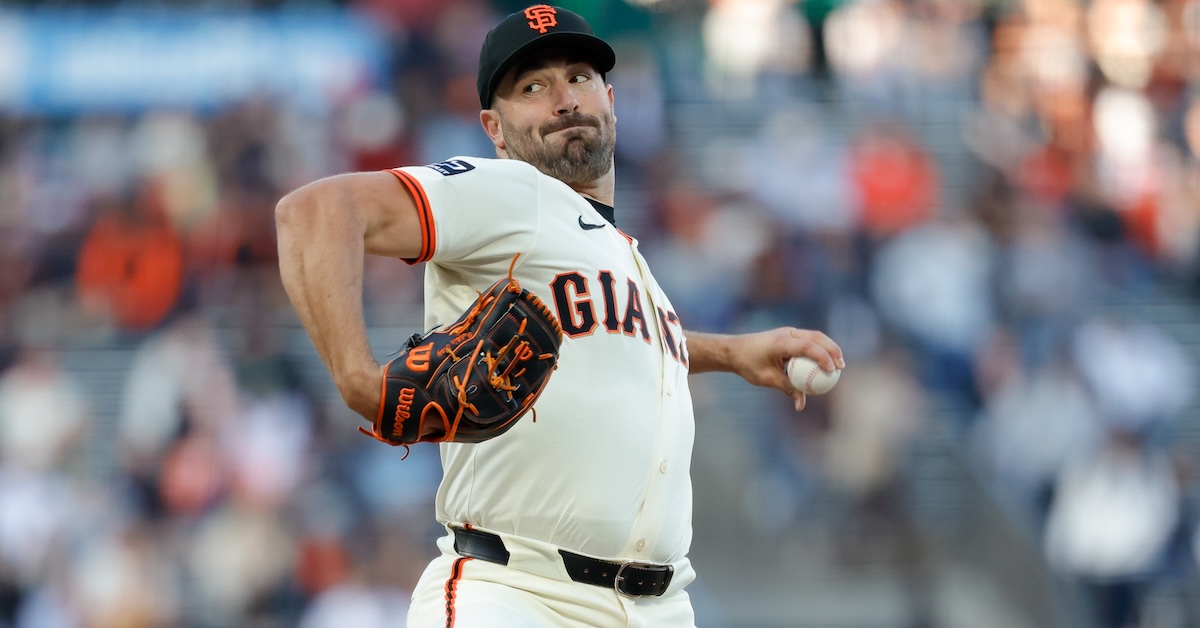
The Padres have suddenly created a very interesting situation in their starting rotation. With several key arms either healthy or working their way back, San Diego could have more legitimate starting options than available rotation spots once the roster is fully restored. The additions of Robbie Ray and Casey Mize at the trade deadline have only made that competition more intense, as both pitchers were brought in specifically to help stabilize a rotation that had been battered by injuries. (KSAT)
A.J. Preller may have solved one of the Padres’ biggest problems at the trade deadline, but his aggressive moves have created another challenge that could become increasingly complicated over the final weeks of the regular season.
BREAKING: Mariners reliever, manager Dan Wilson suspended after intentional HBP on Tigers’ Gleyber Torres
San Diego now has an abundance of starting-pitching options, particularly if the club eventually gets most of its injured arms back. Michael King, Robbie Ray, Casey Mize, Walker Buehler and Randy Vásquez are all part of the current rotation picture, giving the Padres a group with plenty of experience and different pitching profiles. At the same time, Joe Musgrove and Nick Pivetta are working toward their respective returns, while Lucas Giolito’s situation remains less certain.
The Padres acquired Ray and Mize at the trade deadline because their rotation needed immediate reinforcement. Injuries had left San Diego short on dependable starting depth, making the addition of two experienced arms particularly important as the club fights for a postseason spot. (KSAT)
Now, however, the problem has shifted. Instead of wondering whether the Padres have enough starters, the organization will eventually have to determine which pitchers deserve regular rotation assignments.
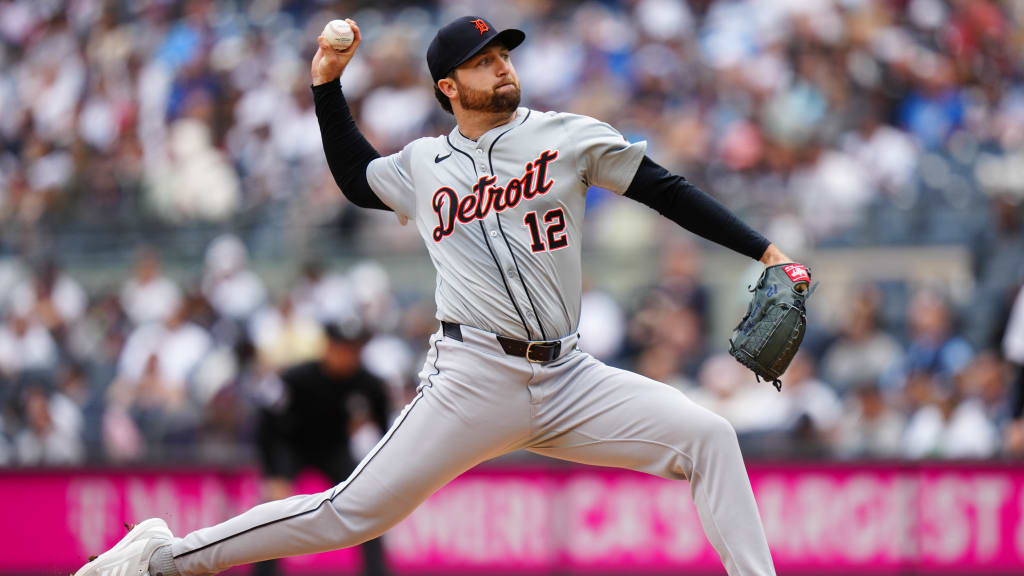
Mize has already given the Padres reason for optimism. After joining San Diego, the right-hander has shown encouraging early results, making him a potential candidate to remain in the rotation if he continues pitching effectively. Vásquez has also provided valuable innings and recently delivered a strong performance against Arizona, throwing six scoreless innings in a critical game. (Gaslamp Ball)
The bigger question involves the injured veterans. Musgrove and Pivetta were both on the 60-day injured list around the trade deadline, and the Padres hope to have them available before the end of August. However, Pivetta recently experienced a setback during a rehab appearance, adding another layer of uncertainty to his return. (Yahoo Sports)
BREAKING NEWS: St. Louis Cardinals Officially Acquire Top Outfield Prospect From White Sox
Giolito presents another difficult decision. If his recovery does not progress quickly enough, San Diego may have to consider easing him back through a bullpen role rather than immediately inserting him into the starting rotation.
That possibility could help alleviate some of the roster congestion, but the Padres still need a clear strategy. Once several starters are healthy, simply allowing six or seven pitchers to compete for five rotation spots could create unnecessary uncertainty.
San Diego cannot afford confused roles during a playoff race. The organization needs to establish its preferred rotation structure early, determine which pitchers are best suited for the postseason, and make sure the remaining arms understand their assignments.
The Padres have worked hard to build pitching depth. Now, Preller has to make sure that depth becomes an advantage rather than a source of confusion as October approaches.
Settle the Outfield and DH Rotation

The San Diego Padres wasted little time seeing a return on their decision to bring Austin Hays into the organization. Shortly after the trade deadline, the club signed the veteran outfielder to a major-league contract, adding another right-handed option to an offense that has been searching for more production and depth. Hays immediately made his presence felt, delivering a two-run home run in his first game with the Padres. (ESPN)
Padres Officially Make Crucial Roster Decision
That instant contribution could make the Padres’ lineup decisions considerably more complicated. San Diego already has several productive offensive pieces competing for at-bats, and Hays now gives manager Mike Shildt another experienced option to work into the mix. Jackson Merrill and Fernando Tatis Jr. have continued to swing the bat well, making it difficult to justify taking either player out of the lineup when they are producing at a high level.
The crowded situation extends beyond those three players. Luis Rengifo and Gavin Sheets are also looking for consistent opportunities, while Gage Workman was recently sent back to Triple-A El Paso after initially joining the Padres as part of the organization’s deadline activity.
Workman was acquired from Detroit alongside pitcher Casey Mize, but his stay in the major leagues was short-lived. The decision to option him so quickly illustrates just how difficult it has become for San Diego to find enough playing time for everyone on the roster. (MySA)
Hays’ arrival should ultimately give the Padres more flexibility, particularly because of his history of being effective against left-handed pitching. San Diego has needed additional depth in the outfield because of injuries, and Hays gives the club another right-handed bat capable of filling multiple roles. (Gaslamp Ball)
However, adding talent is only part of the equation. The Padres now need to establish a consistent plan for their designated hitter and corner-outfield spots. Rather than constantly changing the lineup, the coaching staff could benefit from identifying which combinations work best and allowing those players to settle into defined roles.

Hays, Merrill and Tatis should receive priority while they are producing, but San Diego also has to determine how best to deploy Sheets and Rengifo. Depending on the opposing pitcher and matchup, either could receive designated-hitter opportunities or rotate into the field.
With the Padres fighting for a playoff position, lineup consistency could become increasingly important. The organization has added another useful bat, but turning that depth into production will require careful roster management. (Gaslamp Ball)
Decide the Bullpen’s Late-Inning Order
The San Diego Padres made a clear decision at the trade deadline: instead of making another major investment in their bullpen, A.J. Preller concentrated his efforts on strengthening a starting rotation that had been hit hard by injuries. That left Mason Miller, Adrian Morejon, Yuki Matsui and Jeremiah Estrada among the key relief options expected to handle the late innings. Miller, in particular, remains an important piece of the bullpen after being officially named San Diego’s closer for the 2026 season. (MLB.com)
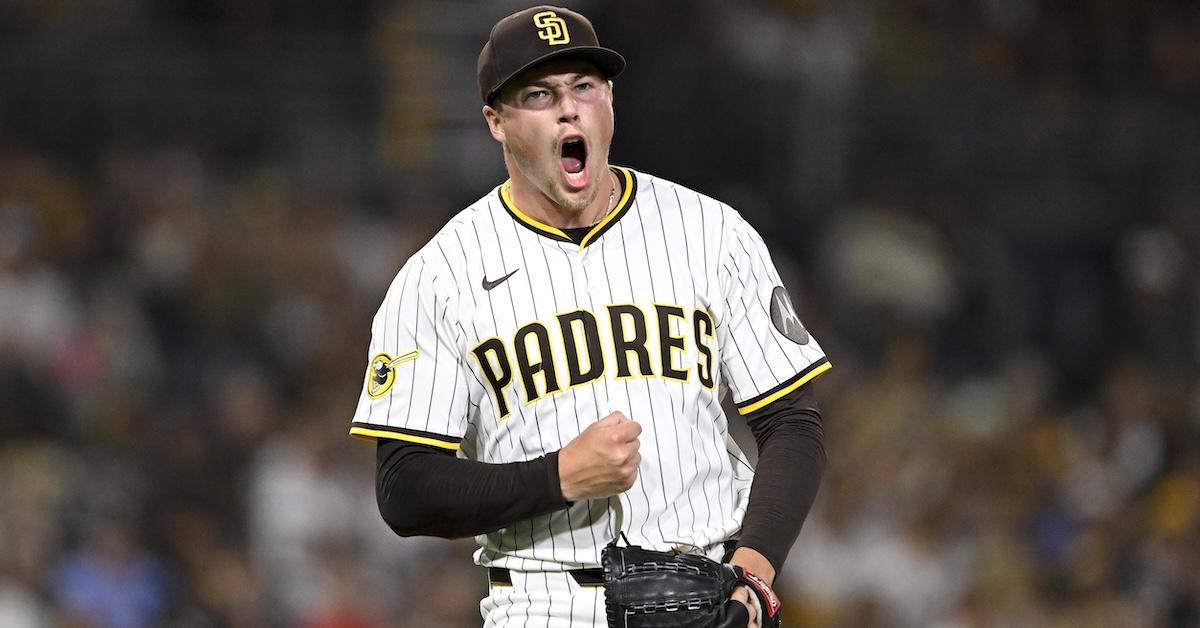
Miller gives the Padres a reliable option when they reach the ninth inning with a lead. His presence allows manager Craig Stammen to establish a dependable closing option rather than constantly moving pitchers into unfamiliar roles. San Diego’s decision to keep Miller rather than explore another trade also reflects how valuable the right-hander has become to the club’s postseason hopes. Before the deadline, there was speculation that Miller could be moved because of his enormous trade value, but the Padres ultimately retained him. (MLB.com)
Braves’ trade deadline disaster puts massive pressure on AJ Smith-Shawver
The bigger concern is the health and availability of the rest of the relief group. Jason Adam remains on the 60-day injured list, leaving the Padres without one of their important late-inning options. That uncertainty makes the club’s starting-pitching depth even more valuable. (Padres Mission)
The additions of Robbie Ray and Casey Mize could provide San Diego with more than simply additional innings from the rotation. Once the club gets healthier, pitchers such as Walker Buehler or Randy Vásquez could potentially be shifted into relief situations if they are no longer needed as regular starters. That flexibility could become especially useful during the final weeks of the season, when managers often need multiple pitchers capable of covering several innings.
A healthy and versatile pitching staff would also reduce the pressure on Morejon and Matsui. Instead of asking the same relievers to work in high-leverage situations every night, San Diego could spread the workload across a deeper group. That is particularly important during a playoff race in which a bullpen can quickly become exhausted if too many innings fall on the same few arms.
The Padres also added Hunter Stratton from Pittsburgh, giving them another right-handed relief option to evaluate. Stratton has limited major-league experience but has already demonstrated that he can provide depth when needed. San Diego acquired him from the Pirates for right-hander Andrew Moore shortly after the deadline, giving the organization another arm to work into its bullpen plans. (Reddit)
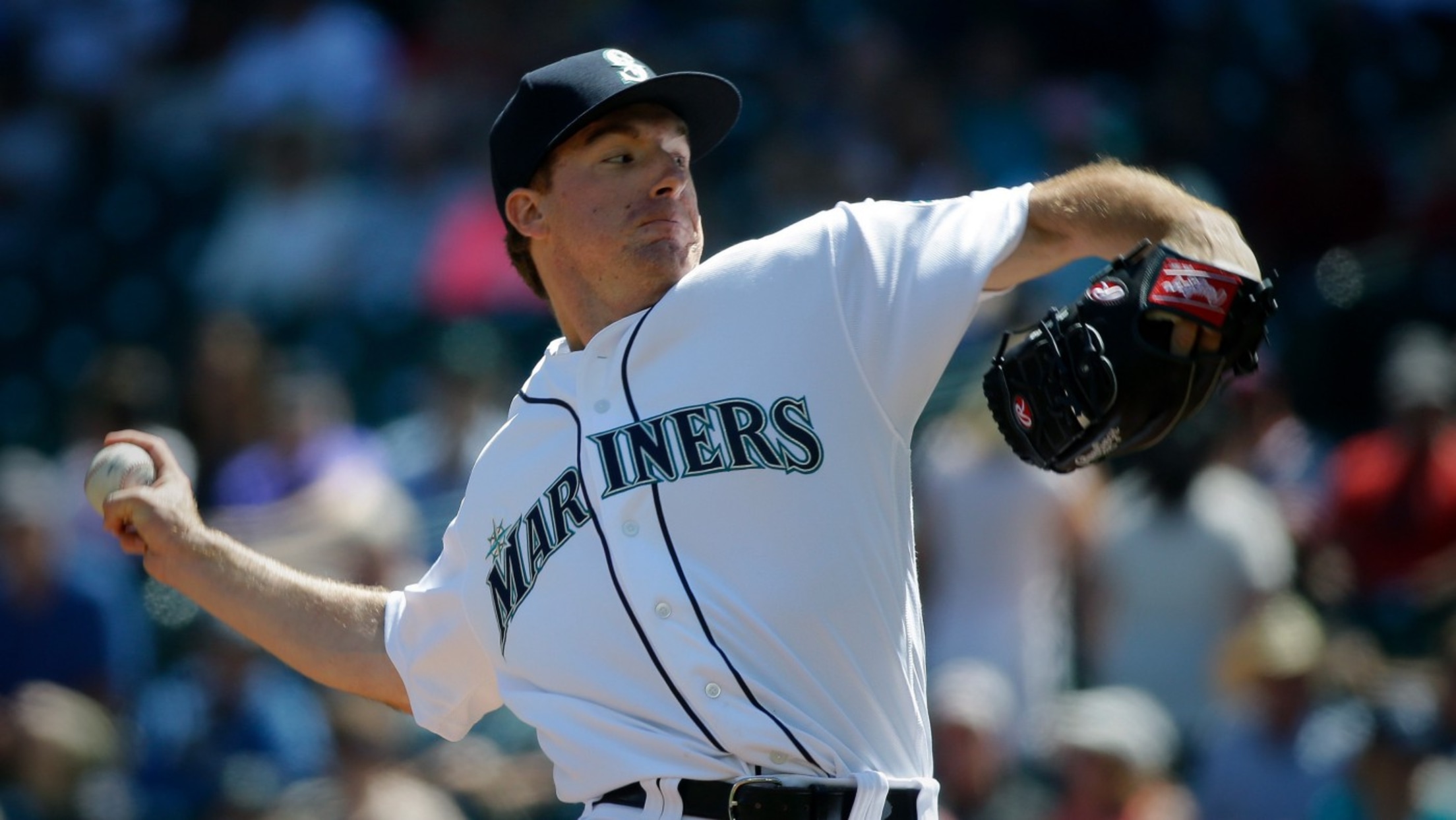
That means the Padres now have to determine exactly how their relief hierarchy should look. Miller appears positioned for the ninth inning, but the roles behind him still need to be defined. San Diego must identify its preferred setup options, determine which pitchers are best suited for multi-inning assignments and decide how Adam and Stratton will fit once everyone is available.
Those decisions could have an enormous impact on the Padres’ postseason chances. In a tightly contested Wild Card race, one poorly managed bullpen game can make the difference between gaining ground and falling out of contention.
Ultimately, Preller’s deadline strategy was relatively straightforward. Rather than dramatically reshaping every part of the roster, he targeted starting-pitching depth and trusted the existing bullpen to hold up. Now the responsibility shifts to the coaching staff.
San Diego must settle the competition for rotation spots, establish a consistent outfield and designated-hitter arrangement, and create clearly defined bullpen roles. If those three areas are managed effectively, the Padres could turn their deadline additions into a meaningful advantage and give themselves a strong opportunity to remain in the National League Wild Card picture through September.

Be the first to comment