
The Chicago White Sox have emerged as one of the most compelling and unexpected storylines of the 2026 Major League Baseball season. Not long ago, the franchise appeared to be stuck in a prolonged rebuild with little immediate hope of contention. In fact, just two seasons prior, the organization endured one of the most historically difficult campaigns in modern baseball history.
During that season, the White Sox lost an astonishing 121 games, setting a record for defeats in the Modern Era (dating back to 1901). It was a low point that seemed to symbolize the depth of the franchise’s struggles, raising questions about leadership, player development, and long-term direction.
Fast forward to the midpoint of the 2026 season, and the narrative has changed dramatically. Instead of residing at the bottom of the standings, the White Sox find themselves firmly in the playoff picture. At the halfway mark, they are tied atop the American League Central division alongside the Cleveland Guardians, representing a remarkable turnaround in a relatively short period of time.

Their resurgence has been fueled by a blend of young talent, improved pitching, and a renewed sense of competitiveness that has caught the attention of analysts and fans alike. Recent results underscore this transformation, as Chicago has been winning key games and even briefly taken sole possession of first place in the division during a critical stretch of the season. (Reuters)
This surprising success has naturally shifted expectations for the franchise as the trade deadline approaches. Rather than acting as sellers looking to offload veteran pieces for future assets, the White Sox are now positioned to consider buying and reinforcing their roster for a postseason push.
MORE: Atlanta Braves Quietly Release Pitcher
However, the front office’s ultimate strategy will likely depend on how the team performs in the coming weeks. Baseball’s long season often introduces volatility, and a strong or weak stretch in the next month could significantly influence whether Chicago chooses to invest heavily in upgrades or remain cautious with its assets.
Even with their improved record and standing, the White Sox are not without weaknesses. One of the most notable areas that could use reinforcement is the starting rotation.
While the team has benefited from a youthful core and some encouraging performances on the mound, the lack of a proven, veteran anchor could become an issue as the season progresses. Contending teams typically rely on experienced pitchers who can provide consistency, durability, and leadership, especially during high-pressure moments late in the season or in the playoffs.
Among the bright spots in Chicago’s pitching staff is right-hander Davis Martin, who has enjoyed a breakout campaign. His emergence has been a key factor in stabilizing the rotation and providing the team with a reliable option every fifth day.
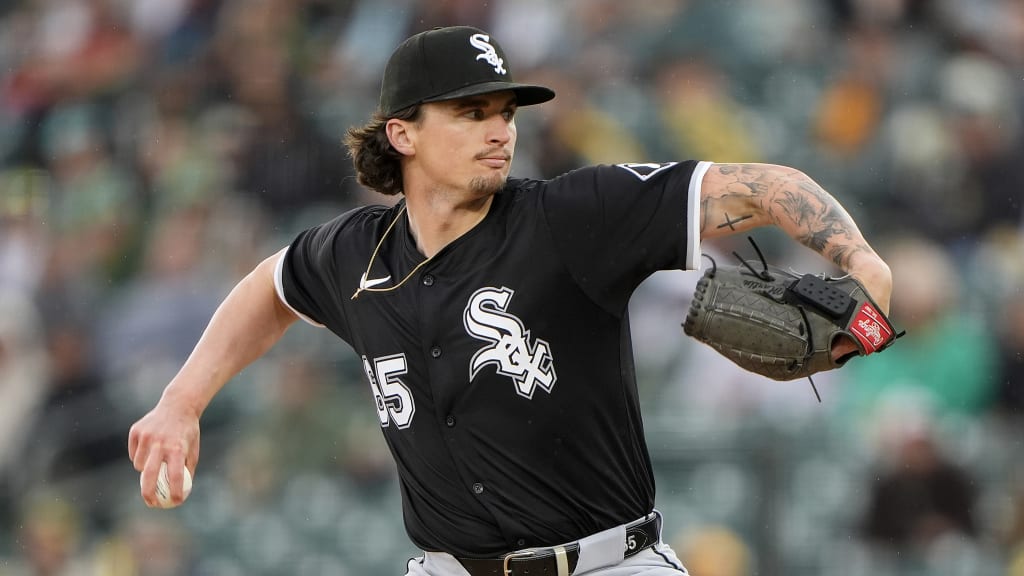
Martin’s development is emblematic of the organization’s broader improvement in cultivating young talent, and he represents the type of homegrown success story that rebuilding teams hope to produce. Still, relying too heavily on inexperienced arms can be risky, particularly when facing playoff-caliber opponents. As a result, adding a seasoned starter to complement the existing group could be a logical next step.
With this in mind, trade speculation has begun to swirl around potential targets who could bolster Chicago’s rotation. One such possibility involves a deal with the Kansas City Royals.
MORE: Blue Jays officially confirmed depth trade with Diamondbacks
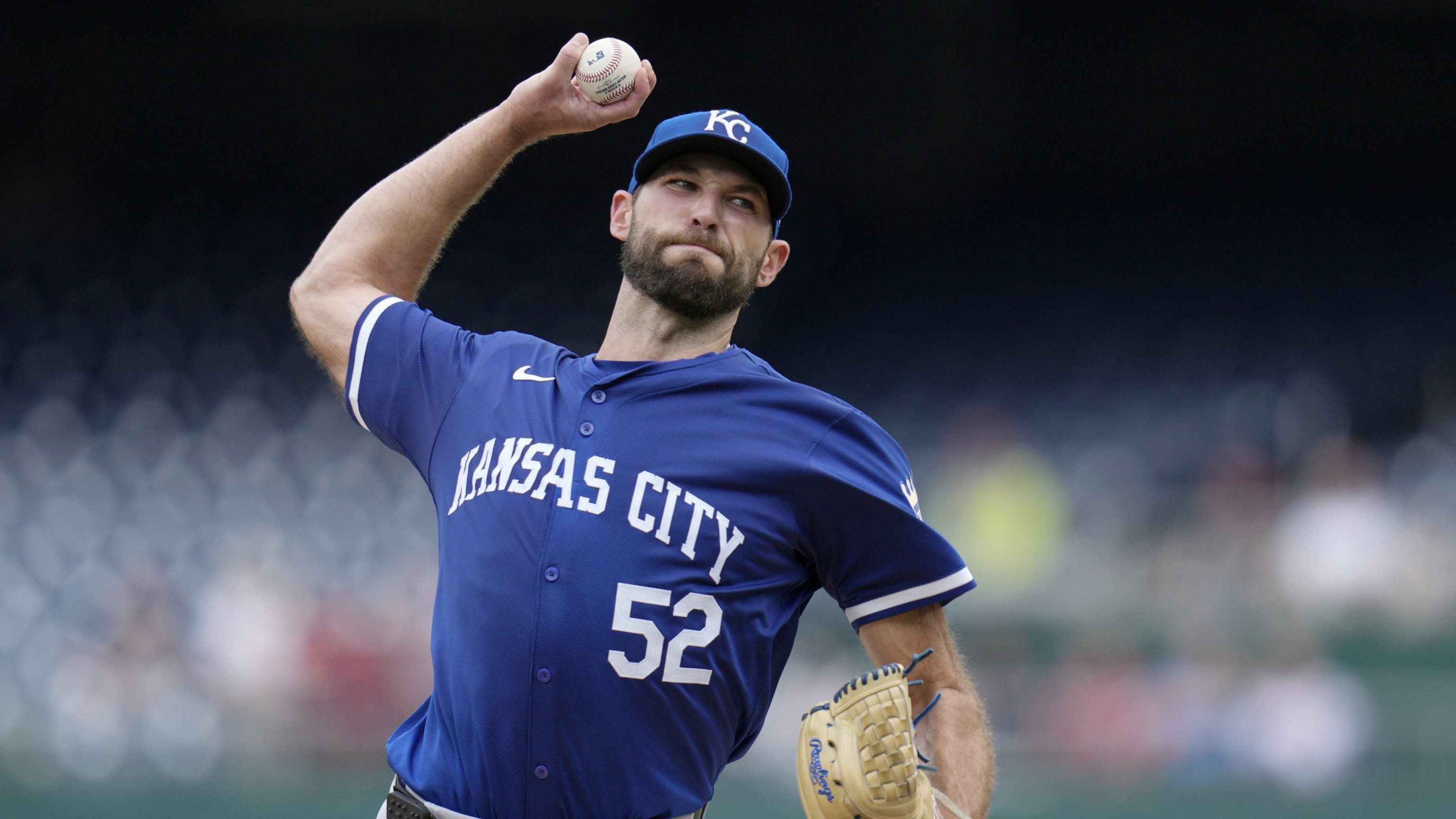
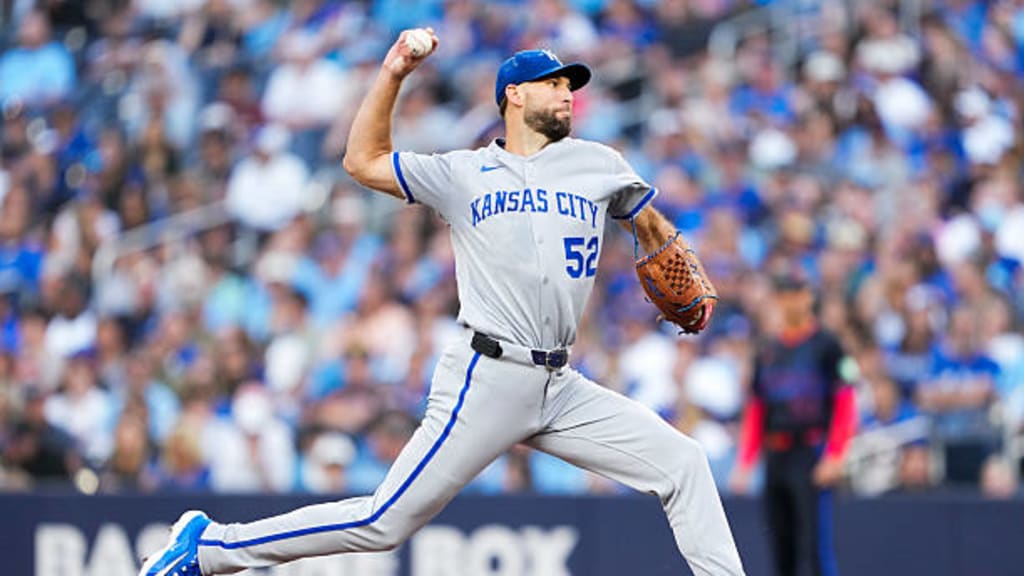
According to analysis from FanSided’s John Perrotto, the Royals could serve as a viable trade partner for the White Sox, particularly if Kansas City decides to shift into a selling mode as the deadline approaches. The focus of this hypothetical trade centers on veteran right-hander Michael Wacha, a pitcher with extensive major league experience and a track record of steady performance.
Wacha, currently in his 14th season in the majors, has put together a solid campaign. Through 15 starts, he has posted a 4–5 record accompanied by a respectable 3.64 earned run average. While those numbers may not place him among the league’s elite, they do highlight his ability to provide consistent, above-average innings.
For a team like the White Sox, which may not necessarily need an ace but rather a stabilizing presence, Wacha could fit the bill perfectly. His experience navigating different situations, combined with his composure on the mound, would offer valuable support to a rotation that is still finding its identity.

In the proposed trade scenario, Chicago would send two prospects to Kansas City in exchange for Wacha. The players mentioned as potential pieces heading to the Royals are left-handed pitcher Shane Murphy and outfielder George Wolkow.
Both prospects are considered part of the White Sox’s developing pipeline, and trading them would represent a calculated decision by the front office to prioritize immediate competitiveness over long-term depth. Such decisions are often difficult for rebuilding teams that have recently accumulated young talent, but they can be necessary when an opportunity to contend arises.
Of course, the feasibility of such a deal depends heavily on the Royals’ position in the standings and their organizational goals. As of now, Kansas City sits 6.5 games behind the third and final Wild Card spot in what has been described as a relatively weak American League field.
MORE: Cardinals-Diamondbacks Blockbuster Trade Proposal Send Luis Gastelum, Braden Davis In 3-Player Deal
This proximity to contention complicates matters, as the Royals may still believe they have a chance to make a late push for the postseason. If they choose to remain competitive, they may be reluctant to part with a reliable starter like Wacha. On the other hand, if they fall further behind in the coming weeks, they could pivot toward selling and look to acquire prospects in exchange for veteran assets.
Another factor that enhances Wacha’s appeal is his contractual situation. He is not merely a short-term rental; rather, he is under contract through the 2027 season, with a club option for 2028.
This level of team control adds significant value, as acquiring Wacha would not only address Chicago’s immediate needs but also provide stability for the rotation in the years ahead. In addition, his salary—reported to be $14 million annually—is considered reasonable in the context of modern baseball economics, particularly for a dependable starting pitcher.
For the White Sox, this aspect of the deal could be especially attractive. Instead of sacrificing prospects for a player who might depart in free agency after a few months, they would be investing in a pitcher who could remain part of their core moving forward.
This aligns with the team’s broader trajectory, which appears to be transitioning from rebuilding to sustained competitiveness. Having a veteran like Wacha in the rotation could also help mentor younger pitchers, fostering a more balanced and cohesive staff.
When comparing Wacha to other potential trade targets, his relative affordability becomes even more evident. High-profile pitchers such as Tarik Skubal and Sandy Alcantara are likely to command a steep price in terms of both prospects and financial commitments.
MORE: Angels Officially Cut Veteran Pitcher “Another Major Setback”
These pitchers possess ace-level talent and would undoubtedly elevate any rotation, but acquiring them would require a significant investment that might not align with Chicago’s current strategy. Similarly, Reid Detmers of the Los Angeles Angels represents another intriguing option, but he too could come with a considerable acquisition cost given his upside and team control.
In contrast, Wacha offers a more pragmatic solution. While he may not possess the same ceiling as those elite arms, he provides a reliable floor and reduces the overall risk associated with the move. For a team that is still in the early stages of contention, this type of addition can be particularly valuable. It allows the White Sox to strengthen their roster without overextending themselves or depleting their farm system.
Ultimately, the decision facing the White Sox front office will require careful evaluation of both short-term and long-term considerations. The team’s recent success has created an opportunity to compete for a division title and potentially make a deep playoff run. At the same time, maintaining a strong pipeline of young talent remains essential for sustaining success in the future. Balancing these priorities is one of the most challenging aspects of roster construction, and it will be especially critical as the trade deadline approaches.
If Chicago continues to perform well and solidifies its position near the top of the standings, the case for acquiring a pitcher like Wacha becomes increasingly compelling. His presence could provide the stability and experience needed to navigate the pressures of a playoff race.
Conversely, if the team struggles in the coming weeks and falls out of contention, the front office may choose a more conservative approach, focusing on development rather than immediate upgrades.
Regardless of the path they choose, the White Sox have already exceeded expectations in 2026. Their transformation from a historically poor team to a legitimate contender is a testament to effective rebuilding, player development, and organizational resilience.
MORE: Cardinals Officially Make Change In Necessary Roster Move
Whether or not they ultimately make a significant move at the trade deadline, their progress this season has laid a foundation for future success and reenergized a fan base that endured years of frustration.
In the end, the potential addition of a veteran pitcher like Michael Wacha represents more than just a transactional decision; it symbolizes the shift in Chicago’s identity.
No longer defined by losses and rebuilding, the White Sox are now navigating the complexities of contention, where every move carries heightened significance. How they approach this moment will not only shape the remainder of the 2026 season but also influence the trajectory of the franchise for years to come.

Be the first to comment