As the 2026 Major League Baseball trade deadline approaches later this summer, the St. Louis Cardinals could find themselves in a position where they are able to strengthen their roster without necessarily sacrificing their competitiveness for the remainder of the season. There is a realistic path for the organization to make calculated moves that improve the long-term outlook while still keeping the current team in contention.
Heading into the season, much of the conversation surrounding St. Louis centered on the likelihood that several notable players—such as Dustin May, Lars Nootbaar, JoJo Romero, and others—could be moved before the deadline. At the time, the expectation was that the Cardinals would lean more toward selling off assets as part of a broader retooling effort. While that scenario has not been completely ruled out, the team’s performance so far has complicated matters in a positive way.
The Cardinals have exceeded preseason expectations and have looked far more competitive than many anticipated. Instead of appearing like a club destined to miss the postseason, they have shown signs of being capable of hanging in the playoff race.
Because of this, the front office now faces a much more nuanced decision-making process. Trading away key contributors like May, Nootbaar, or Romero could still happen, but doing so would likely weaken the roster in the short term and reduce their chances of making a postseason push.
This creates a delicate balancing act. On one hand, the Cardinals still have an eye on the future and understand the importance of maximizing value for players who may not be part of their long-term plans. On the other hand, they now have a team that is proving it can compete, making a full-scale sell-off less appealing. Instead of choosing one extreme or the other, St. Louis could pursue a middle-ground strategy.
Rather than completely dismantling parts of the roster, the Cardinals could selectively move certain players while keeping the core of the team intact. This type of approach would allow them to gain future assets without significantly hurting their ability to win games in 2026. It’s a strategy that requires precision, but it is certainly achievable given the composition of the roster.
MORE: Braves-Padres Trade Sends $73 Million All-Star Sean Murphy to San Diego
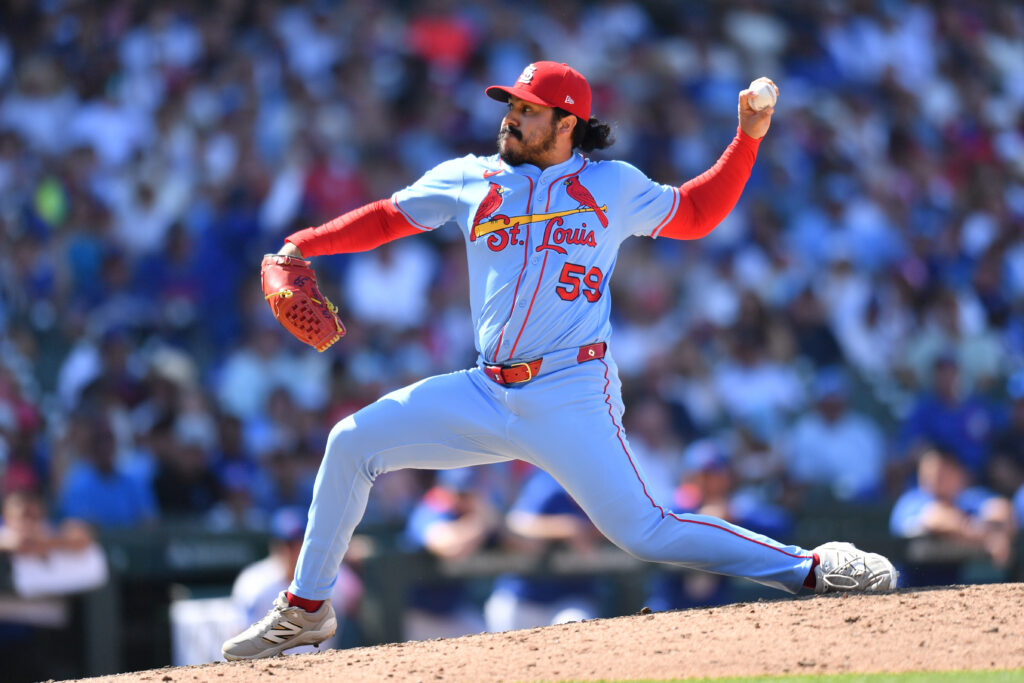
One of the most logical trade candidates in this scenario is left-handed reliever JoJo Romero. Romero is in the final year of his contract and is set to reach free agency after the season, making him a prime candidate to be dealt.
Players in this situation often attract interest at the trade deadline, especially when they are performing well. In fact, Romero has already been identified as an “obvious” trade chip due to his expiring deal and solid production (SI).
Relievers, in particular, tend to be highly sought after by contending teams looking to bolster their bullpens for a playoff run. Because of this demand, the Cardinals could potentially receive a meaningful return for Romero without having to part with more critical, long-term pieces. Moving a player like Romero would align with the team’s future-focused mindset while not drastically altering the overall structure of the roster.

Additionally, dealing from a position of strength—such as the bullpen—would make the move easier to absorb. The Cardinals could look within their organization to fill the void, possibly by promoting a pitcher from Triple-A or giving an opportunity to a younger arm already on the roster. This kind of internal replacement would help mitigate the impact of the trade and keep the team competitive.
There is also precedent and logic supporting this type of move. Romero has drawn trade interest in the past and fits the profile of a deadline asset: a productive, relatively affordable reliever nearing free agency (MLB Trade Rumors).
MORE: Cardinals Officially Make Change In Necessary Roster Move
Analysts have even suggested that he is very likely to be moved, given how valuable left-handed bullpen arms are across the league (Sporting News). For a Cardinals team that is trying to balance present success with future planning, this is exactly the kind of situation where a trade makes sense.
Ultimately, the Cardinals do not have to choose between being strict buyers or outright sellers. Their unexpected level of competitiveness has opened the door for a more flexible approach. By carefully identifying which players can be moved without significantly harming the team’s playoff chances, they can improve their long-term outlook while still making a push this season.
If St. Louis executes this strategy effectively, they could emerge from the trade deadline in a stronger overall position—both for 2026 and beyond. The key will be finding that balance: making smart, targeted moves like potentially trading Romero, while avoiding decisions that would derail what has surprisingly become a promising season.
The Cardinals Have Options
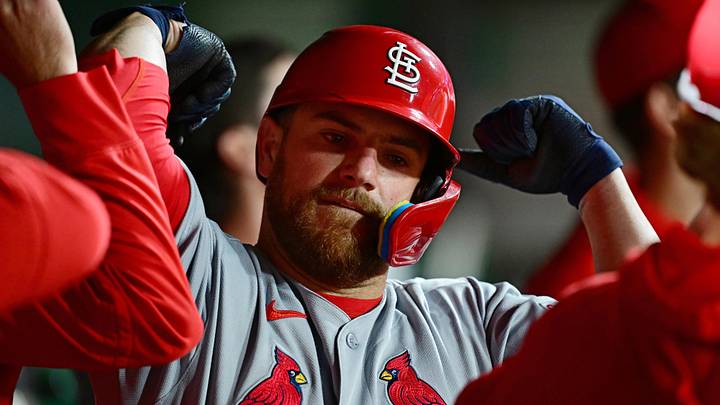
Another position the St. Louis Cardinals should be closely evaluating as the trade deadline approaches is catcher, where the organization finds itself with an impressive amount of depth. At the Major League level alone, the team currently features multiple capable options, including Jimmy Crooks, Iván Herrera, and Pedro Pagés.
Beyond that, the system remains well-stocked in the minors, with highly regarded prospects like Rainiel Rodriguez—ranked No. 2 in the organization—and Leo Bernal, who sits at No. 5. Veteran Yohel Pozo also adds to the depth chart at the Triple-A level, giving the club yet another experienced option behind the plate.
With so many viable catchers spread throughout the organization, St. Louis is in a rare and advantageous position. They possess more talent at the position than they can realistically utilize at the big-league level, which opens the door for a potential trade.
MORE: Angels Officially Make Notable Roster Move
Even if the Cardinals were to move one of these catchers, they would still have enough depth to remain stable and productive at the position in the majors. In other words, dealing from this surplus would not significantly weaken the team, making it a logical area to explore for roster improvements elsewhere.
If the Cardinals do decide to capitalize on this strength, one team that stands out as a particularly strong trade partner is the New York Yankees. Recent reporting has indicated that the Yankees are actively searching for help behind the plate, specifically targeting a catcher who bats right-handed. This need stems from both performance issues and roster imbalance, as their current options have not delivered the offensive production the team had hoped for.
At present, the Yankees’ depth chart shows Austin Wells as the primary catcher, supported by J.C. Escarra and Ben Rice—all of whom hit from the left side (RotoWire). This lack of right-handed balance has become increasingly problematic, especially when facing left-handed pitching. As a result, the organization has been exploring external solutions to address the issue before the trade deadline.
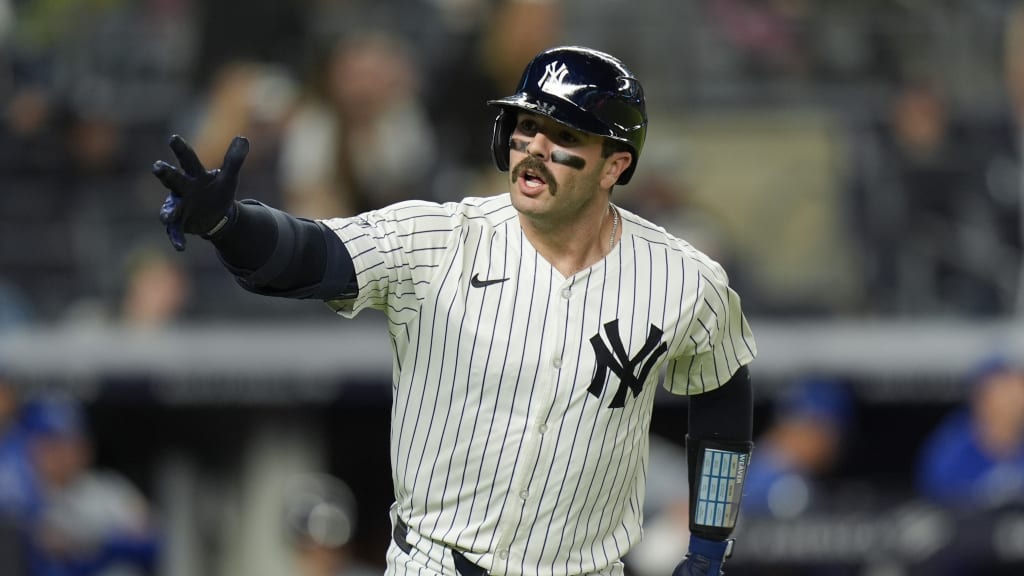
Compounding the problem is Wells’ recent performance. While he has maintained value defensively, his offensive struggles have been difficult to ignore.
Reports indicate that his production at the plate has dropped significantly, with notably low batting and slugging numbers early in the 2026 season (Reuters). More broadly, the Yankees’ catching group has ranked near the bottom of the league offensively, further emphasizing the urgency to upgrade the position (New York Post).
Given these circumstances, it’s clear why New York would be prioritizing the addition of a right-handed-hitting catcher. And that is precisely where the Cardinals could step in. St. Louis has multiple catchers who bat from the right side and could immediately address the Yankees’ needs. Pedro Pagés and Yohel Pozo, in particular, stand out as realistic trade candidates.
Both are right-handed hitters and, importantly, could be moved without creating a major void on the Cardinals’ active roster.
Iván Herrera, also a right-handed bat, is a different case entirely. As one of the more important pieces of the Cardinals’ current roster and future plans, he is far less likely to be dealt. Instead, St. Louis would likely look to move from its secondary options—players who still hold value but are not as central to the team’s long-term outlook.
From a strategic standpoint, this type of deal makes sense for both sides. The Yankees would be able to address a clear weakness by adding a right-handed catcher who can complement or platoon with their existing options. Meanwhile, the Cardinals could leverage their depth to acquire assets that better align with their needs—particularly pitching prospects, which remain a priority for the organization.

New York, for its part, has the kind of pitching depth in the farm system that could appeal to St. Louis. This creates a natural alignment between the two teams: one has an excess of catching talent, while the other has a surplus of arms. When two organizations have complementary strengths and weaknesses like this, it often lays the groundwork for a mutually beneficial trade.
Ultimately, the situation highlights how well-positioned the Cardinals are as the deadline approaches. They are not forced into making desperate moves, nor do they need to sacrifice key contributors to improve the roster. Instead, they can take advantage of their organizational depth—particularly at catcher—to pursue upgrades in other areas.
A trade involving the Yankees would be a logical and potentially impactful way to do just that. By dealing from a position of strength, the Cardinals could bolster their pitching pipeline while still maintaining stability at the big-league level. At the same time, the Yankees would get a much-needed solution behind the plate, especially one that adds right-handed balance to their lineup.
In the end, this kind of scenario represents the ideal trade situation: two teams with clear needs that the other can fulfill. If both sides are willing to engage, it would not be surprising to see St. Louis and New York come together on a deal that benefits each club as the playoff race intensifies.

Be the first to comment