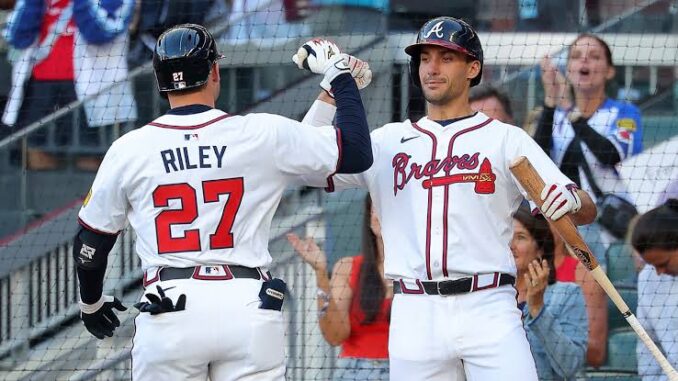
As the clock ticked down toward the Major League Baseball trade deadline, the Atlanta Braves made a series of roster moves that clearly signaled a shift in direction. Rather than aggressively adding high-impact talent for a postseason push, Atlanta instead focused on reshaping the edges of its roster, parting ways with a pair of depth players in separate deals.
Catcher Joey Bart was shipped to the Chicago White Sox, while versatile outfielder Eli White was sent to the Boston Red Sox. These transactions, though not headline-grabbing blockbusters, illustrated the Braves’ intent to reorganize their roster composition and create flexibility moving forward. (Reuters)
The first of these moves involved Bart, a former top prospect who has now experienced a whirlwind stretch of transactions over a short period of time. Atlanta dealt him to Chicago in exchange for right-handed pitcher Duncan Davitt, marking the second time in just over a month that Bart had been traded. Such rapid movement is relatively uncommon, even in the fluid environment of professional baseball, and it highlights the uncertainty surrounding his long-term role at the major league level. (Reuters)

Bart’s tenure with the Braves was brief. He had only recently been acquired from the Pittsburgh Pirates in mid-June, when Atlanta sent right-hander Hunter Stratton the other way.
At the time, the move appeared to be a short-term solution for catching depth, particularly as the Braves navigated injuries and inconsistencies behind the plate. However, with players returning to health and roster priorities evolving, Bart ultimately became expendable before the deadline arrived. (Reuters)
BREAKING: Cardinals Officially Land Superstar Reliever This Deadline
During his stint in Atlanta, Bart split his playing time between his previous club and the Braves, appearing in a combined total of 41 games throughout the season. Across those appearances, he produced modest offensive numbers, posting a .226 batting average along with four home runs and 13 runs batted in.
While these statistics do not stand out as particularly strong, they reflect the type of production teams often accept from backup catchers, especially those tasked with handling pitching staffs and contributing defensively. (Reuters)
Looking at the broader scope of Bart’s career, his performance has remained relatively consistent. Over the course of seven major league seasons, spanning time with the San Francisco Giants, Pittsburgh Pirates, and Atlanta Braves, he has compiled a .238 batting average.
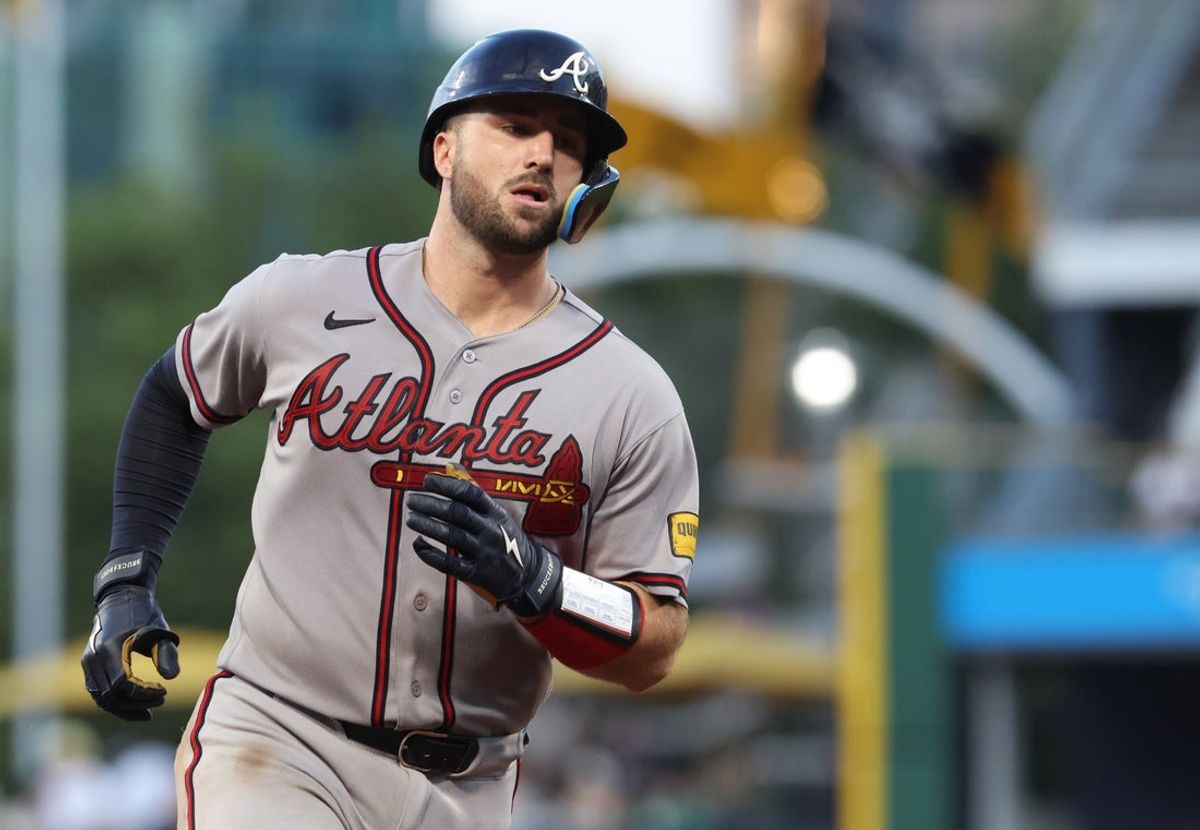
In that span, he has hit 32 home runs and driven in 126 runs across 376 games. These numbers paint the picture of a player who has settled into a role as a serviceable, if unspectacular, major league catcher rather than the star-level contributor once projected during his prospect days. (Reuters)
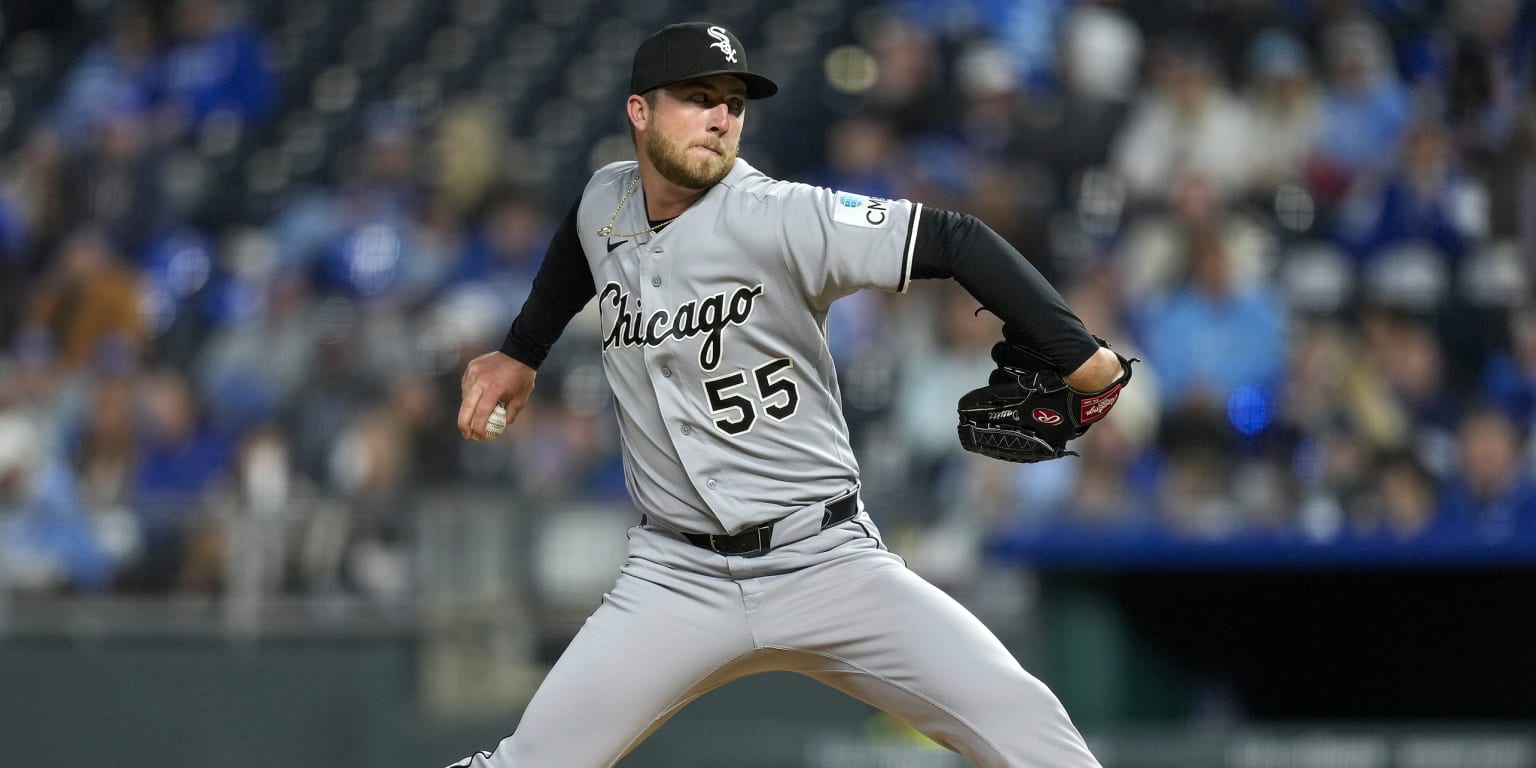
For the White Sox, acquiring Bart represents an effort to bolster their catching depth while taking a chance on a player who still possesses pedigree and experience. Chicago’s return piece, Duncan Davitt, is a young right-handed pitcher who is still working to establish himself at the highest level.
BREAKING: Seattle Mariners’ blockbuster swing superstar outfielder
Shortly after the trade, Davitt was optioned to Triple-A, a move that underscores his developmental status and suggests that Atlanta views him more as a long-term project than an immediate contributor. (Reuters)
Davitt’s professional résumé reflects a pitcher who has shown flashes of potential but has yet to fully translate that into consistent major league success. The 26-year-old made his MLB debut earlier in the season and has logged only a minimal sample size at that level, appearing in just two games. In those limited outings, he threw two innings and allowed a single run, offering a glimpse of his capabilities but not enough to draw firm conclusions about his future. (Reuters)
At the Triple-A level, Davitt’s numbers have been more extensive but somewhat uneven. Over 21 appearances, including 10 starts, he compiled a 4–3 record with a 6.22 earned run average. While his strikeout total of 64 suggests he has the ability to miss bats, his 25 walks point to control issues that still need refinement. These mixed results highlight both the upside and the risk associated with acquiring a pitcher in this stage of development. (Reuters)
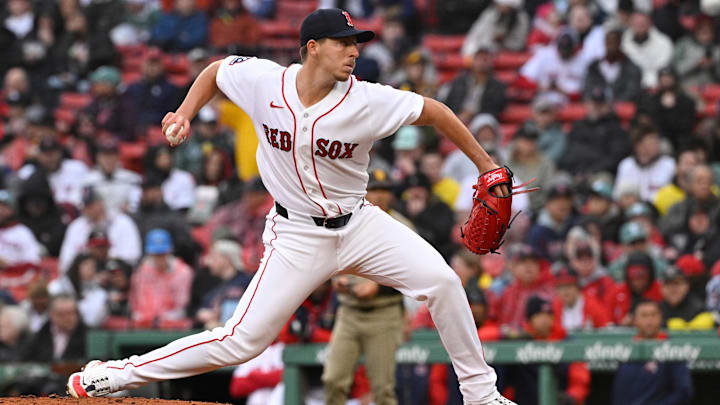
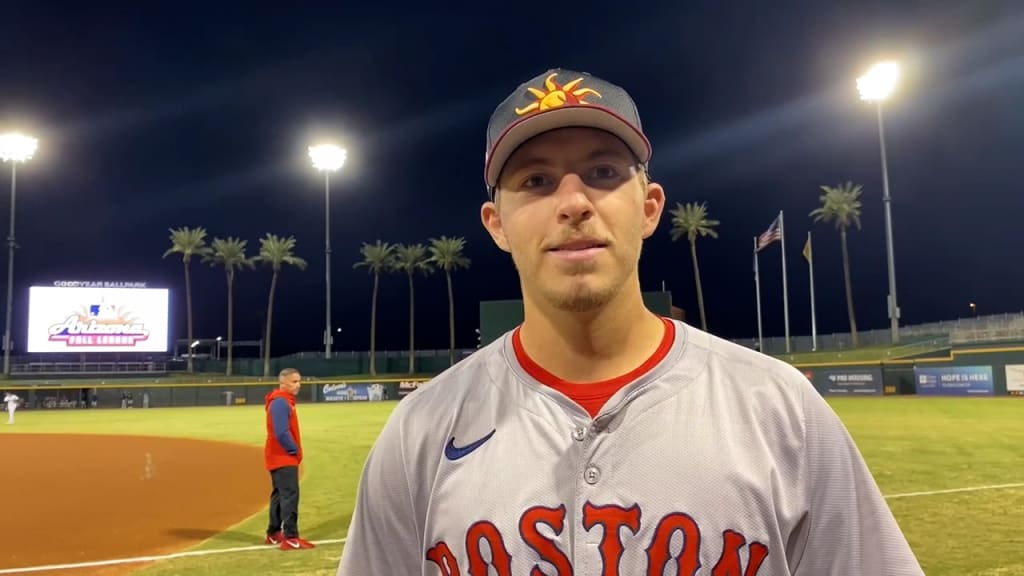
Not long after finalizing the Bart deal, the Braves executed another trade, this time involving outfielder Eli White. In that transaction, Atlanta sent White to the Boston Red Sox and received right-handed pitcher Tyler Uberstine in return. Like Davitt, Uberstine was immediately optioned to Triple-A, reinforcing the notion that these moves were focused more on organizational depth and future flexibility than on immediate on-field impact. (Reuters)
White, a 32-year-old outfielder known for his versatility, had carved out a role as a depth piece capable of covering all three outfield positions. Over the course of the current season, he appeared in 69 games and posted a .233 batting average, along with five home runs and 17 RBIs.
BREAKING: Braves officially swing veteran reliever from Angels in 2-player blockbuster trade
While those numbers are modest, White’s value has often extended beyond the stat sheet, as his defensive flexibility and ability to fill multiple roles made him a useful option for roster management. (Reuters)
Across his career, White has maintained a .212 batting average, hitting 25 home runs and driving in 84 runs over 345 games. His offensive production has generally been limited, but his athleticism and defensive capabilities have allowed him to remain a viable option for teams in need of outfield depth.
For Boston, acquiring White provides additional flexibility and depth, particularly as teams often look for versatile players who can contribute in multiple ways during the stretch run. (Reuters)
The return piece in the White trade, Tyler Uberstine, represents another developmental arm for the Braves organization. The 27-year-old pitcher recently made his major league debut with Boston, appearing in a single game in which he allowed one run over 2⅔ innings. While that outing offers only a small glimpse into his abilities, it serves as an important milestone in his professional journey. (Reuters)
Uberstine’s more substantial body of work comes from his time in the minor leagues, where he has delivered strong results at the Triple-A level. Over 15 appearances, including two starts, he posted an impressive 2.81 ERA, demonstrating effectiveness and consistency against high-level competition.
Originally selected in the 19th round of the 2021 draft, Uberstine has steadily worked his way through the ranks, and his performance suggests he could develop into a useful bullpen arm or depth starter in the future. (Reuters)
BREAKING NEWS: Red Sox officially swing another blockbuster trade
From a broader perspective, these trades reflect a strategic approach by the Braves front office as they navigated the complexities of the trade deadline. Rather than making splashy acquisitions, Atlanta opted for a series of smaller moves aimed at rebalancing the roster and addressing organizational needs. This approach may not generate immediate excitement, but it can provide long-term benefits by strengthening depth and maintaining flexibility. (Battery Power)
Another factor influencing these decisions was roster management. By moving players like Bart and White, the Braves were able to clear space for other contributors, including players returning from injury or newly acquired talent. In a season where roster spots are at a premium, such moves can be critical in ensuring that the team is positioned to maximize its available resources. (https://www.atlantanewsfirst.com)
It is also worth noting that both incoming players—Davitt and Uberstine—were immediately assigned to Triple-A Gwinnett. This indicates that Atlanta does not necessarily view them as immediate contributors at the major league level but rather as pieces who can be developed and potentially called upon later. This emphasis on depth is particularly important over the course of a long season, where injuries and performance fluctuations often require teams to rely on their minor league systems. (Reuters)
For the White Sox and Red Sox, these trades represent relatively low-risk opportunities to add players who can fill specific roles. Chicago gains a catcher with experience and upside, while Boston adds an outfielder capable of providing defensive versatility and situational contributions. In both cases, the cost of acquisition was relatively modest, making these moves logical additions as teams fine-tune their rosters. (Reuters)
Ultimately, the Braves’ activity at the trade deadline can be viewed as part of a broader organizational strategy. While some teams prioritize immediate upgrades in pursuit of a championship, others take a more measured approach, focusing on sustainability and long-term competitiveness. Atlanta’s decision to trade Bart and White in exchange for pitching depth aligns with the latter philosophy, emphasizing the importance of maintaining a strong pipeline of talent.
Although these moves may not dramatically alter the trajectory of the season, they contribute to the overall structure of the organization. By acquiring pitchers with potential and clearing space for other players, the Braves have positioned themselves to remain flexible and adaptable as the season progresses.
In the end, the significance of these trades may not be fully realized until later, when the development of players like Davitt and Uberstine becomes clearer. For now, they stand as examples of the type of calculated, incremental decisions that teams often make behind the scenes—moves that may lack immediate fanfare but can play a meaningful role in shaping the future of the franchise.

Be the first to comment