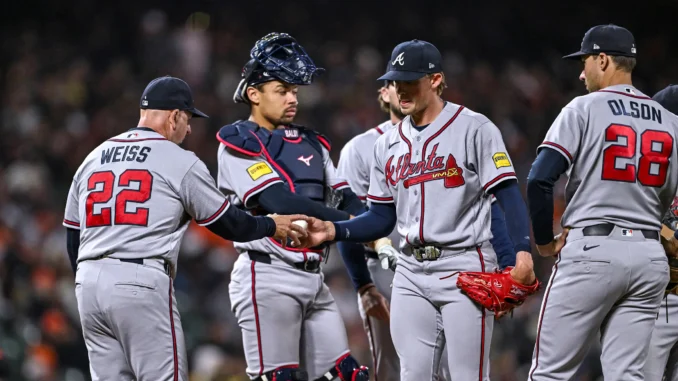
The 2026 MLB Draft is currently in full swing, and for the Atlanta Braves, this year represents another important opportunity to strengthen their pipeline of future talent. As always, there was plenty of curiosity surrounding how the organization would approach its early-round selections. In previous drafts, the Braves had built a reputation for prioritizing pitching, especially in the opening rounds, where arms often took precedence over position players. That consistent strategy shaped expectations heading into this year’s event.
However, recent history suggested that Atlanta might not strictly follow that same blueprint. In the 2025 draft, the Braves surprised many by selecting position players with each of their first three picks. That shift hinted at a potential philosophical adjustment within the front office, but it still left fans wondering whether it was a one-time deviation or the beginning of a new trend. Entering the 2026 draft, many assumed the team would return to its familiar pattern and once again load up on pitching early.
Instead, the Braves once again chose to defy expectations.
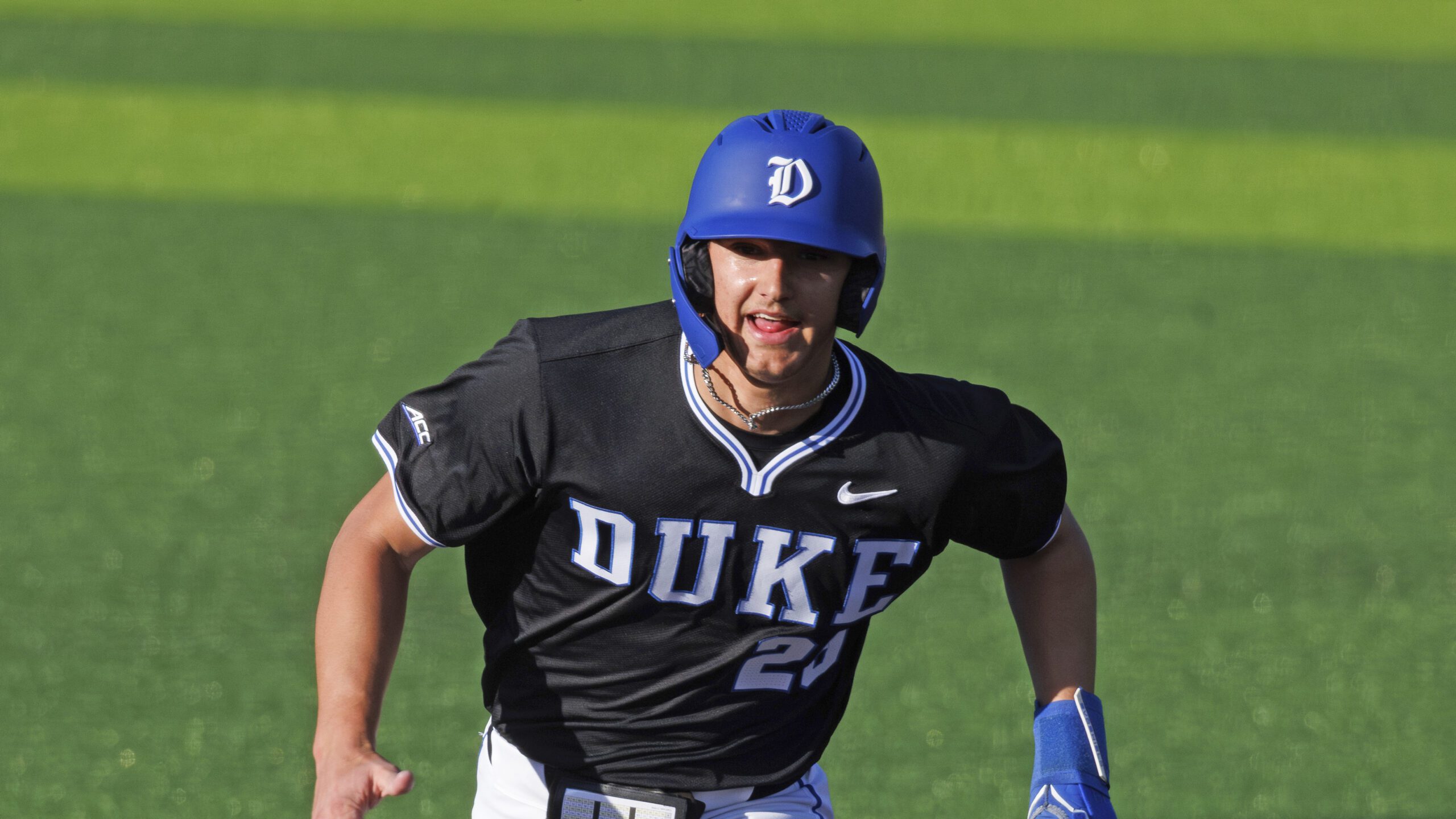
With their first two selections in the opening round, Atlanta opted for college hitters, continuing the organization’s recent pivot toward position players. The team used the ninth overall pick to select outfielder AJ Gracia from the University of Virginia, a highly regarded prospect known for his advanced hitting ability and polished offensive approach. Later in the round, with the 26th overall pick, the Braves selected another outfielder, Carter Beck from Indiana State University, further reinforcing their commitment to adding bats rather than arms at the top of the draft. (MLB.com)

Gracia, in particular, stood out as one of the more refined hitters available in this year’s class. Scouts have consistently praised his ability to make quality contact, manage the strike zone, and produce competitive at-bats against a variety of pitching styles.
His profile suggests a player with both a relatively high floor and the potential to develop into a middle-of-the-order contributor at the major league level. Beck, meanwhile, emerged as a fast-rising prospect during his college career, showcasing a blend of athleticism, power, and improving offensive metrics that made him an intriguing late first-round selection. (Battery Power)
OFFICIAL: Cardinals Quietly Cut Braves’ Phenom Starter In Latest Roster Shake-Up
What makes these selections even more notable is the historical context surrounding them. According to reporting from Braves insider Mark Bowman, Atlanta’s decision to draft two college outfielders in the first round is unprecedented for the organization. In fact, prior to this year, the Braves had selected just one college outfielder in the first round across more than six decades of drafts. The addition of both Gracia and Beck in the same round effectively doubles that total in a single night, highlighting just how dramatic this shift in strategy truly is. (MLB.com)
This approach signals a clear willingness by the Braves’ front office to adapt and evolve based on the available talent pool rather than rigidly adhering to past tendencies. While pitching depth has long been a cornerstone of the organization’s draft philosophy, the emphasis on college bats in consecutive drafts suggests a broader effort to balance the system and address offensive needs for the future.

At the same time, Atlanta’s strategy does not necessarily mean they are abandoning pitching altogether. Reports indicate that the team may still look to target arms in later rounds or use creative bonus pool management to secure high-upside pitchers outside of the first round. This type of flexibility allows the Braves to maximize value across the entire draft rather than focusing too heavily on one area early on.
BREAKING NEWS: Braves Officially Confirmed Another Major Roster Shake-Up
Ultimately, the early returns from the 2026 MLB Draft paint a picture of an organization that is becoming increasingly unpredictable—in a good way. By selecting Gracia and Beck, the Braves have once again demonstrated that they are willing to think outside the box and prioritize the best available talent, even if it means breaking long-standing trends.
For fans, this evolving approach adds an extra layer of intrigue to the draft process. Instead of relying on past patterns to forecast Atlanta’s decisions, observers must now consider a wider range of possibilities. And if the early rounds are any indication, the Braves are far from done making bold and unexpected moves as the draft continues.
Braves are taking a bit of a risk with their 2026 draft strategy, but the payoff could be huge
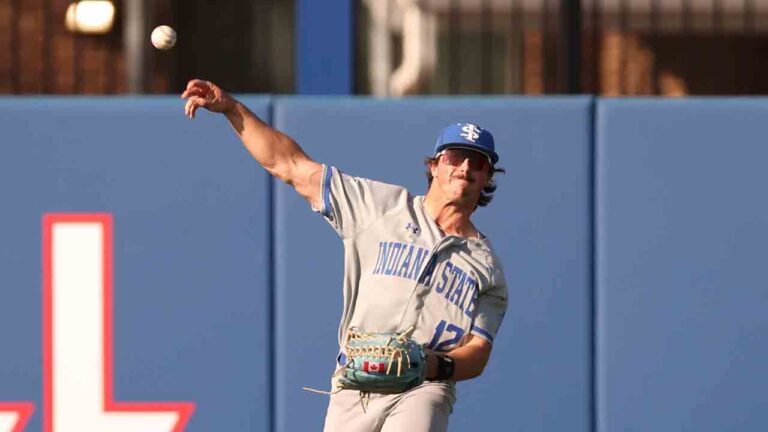
There are plenty of reasons for Atlanta Braves fans to feel optimistic about the selections of AJ Gracia and Carter Beck in the early stages of the 2026 MLB Draft. At the same time, like most draft picks—especially in baseball—there are also legitimate questions and areas of concern surrounding both players. That combination of promise and uncertainty is a natural part of the draft process, where projecting long-term success is never an exact science. Ultimately, it will take years before anyone can truly evaluate whether these selections will pay off or fall short of expectations.
BREAKING NEWS: San Diego Padres Officially Cut Top Right-Hander In Major Roster Shake-Up
From an offensive standpoint, both Gracia and Beck bring appealing traits to the table that likely made them attractive to Atlanta’s front office. Each player has developed a reputation as a capable hitter, particularly when it comes to making consistent contact and handling a variety of pitching styles. Gracia, for instance, is widely viewed as a polished bat with strong plate discipline and a reliable ability to get on base. His approach at the plate reflects maturity, as he demonstrates good swing decisions and an advanced feel for hitting compared to many of his peers. (Baseball America)
Beck, meanwhile, produced impressive numbers during his college career, showcasing both power and the ability to hit for average. His offensive production—including a strong slash line and home run totals—helped him stand out despite not being projected as a typical first-round pick. (Sportsnet.ca) These qualities suggest that both players have the potential to contribute offensively at higher levels, which aligns with the Braves’ apparent emphasis on adding bats to their system in recent drafts.
However, while their offensive profiles are encouraging, the primary concerns surrounding both players center on their defensive abilities, particularly in the outfield. For Beck, the biggest question mark lies in whether he can remain a viable option in center field over the long term. Center field is one of the most demanding defensive positions, requiring not only speed but also excellent instincts, route efficiency, and quick reactions. Beck has shown flashes of defensive capability, but evaluators believe he still needs to refine his reads off the bat and improve his routes to consistently handle the position at a high level.
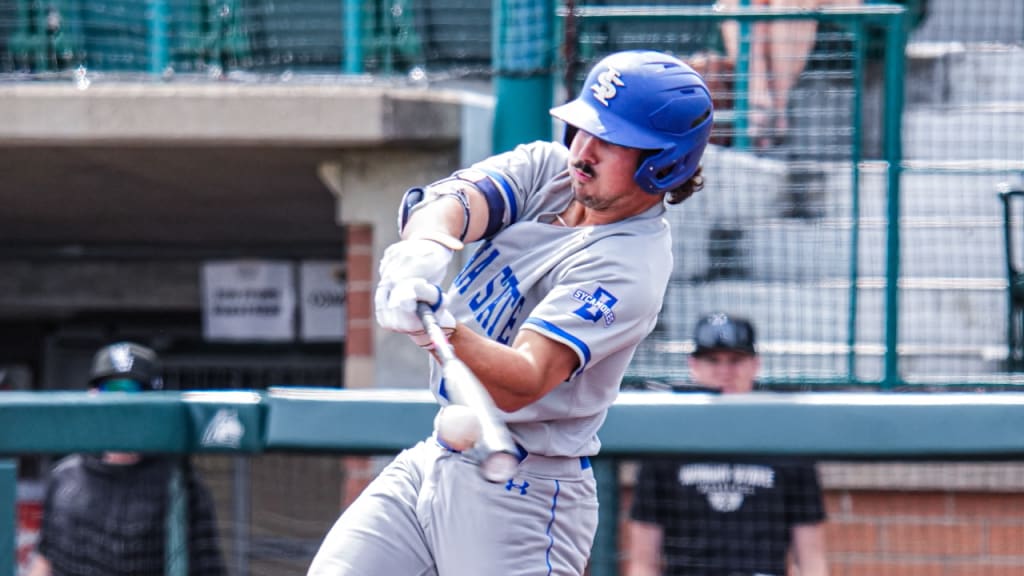
There is also some concern regarding Beck’s arm strength, which is considered below ideal for a center fielder. While this does not eliminate his chances of staying in the middle of the outfield, it does raise the possibility that he may eventually transition to a corner outfield role. Corner positions, such as left or right field, place less emphasis on range but often require stronger arms, particularly in right field. If Beck’s defensive development does not progress as hoped, a move to one of these spots could be the most realistic outcome.
BREAKING NEWS: Phillies-Mets Trade Land $38M Ace
Gracia presents a somewhat different defensive profile but comes with his own set of limitations. On the positive side, he is known for his solid instincts and generally reliable route running, which can help compensate for other shortcomings. However, his overall speed is not considered a standout tool, and his arm strength is viewed as average at best. These factors make it unlikely that he will remain in center field as he advances through the minor leagues.
Instead, most projections suggest that Gracia will ultimately settle into left field at the major league level. While that is still a valuable position, it places greater pressure on his bat to carry his overall value. Corner outfielders are typically expected to produce more power and offensive output compared to players at premium defensive positions. Fortunately for Gracia, his hitting ability provides a strong foundation that could allow him to meet those expectations if his power continues to develop over time.
Despite these defensive concerns, it is important to remember that both players are still early in their professional journeys. Development in baseball is rarely linear, and many prospects make significant improvements in areas that were once considered weaknesses.
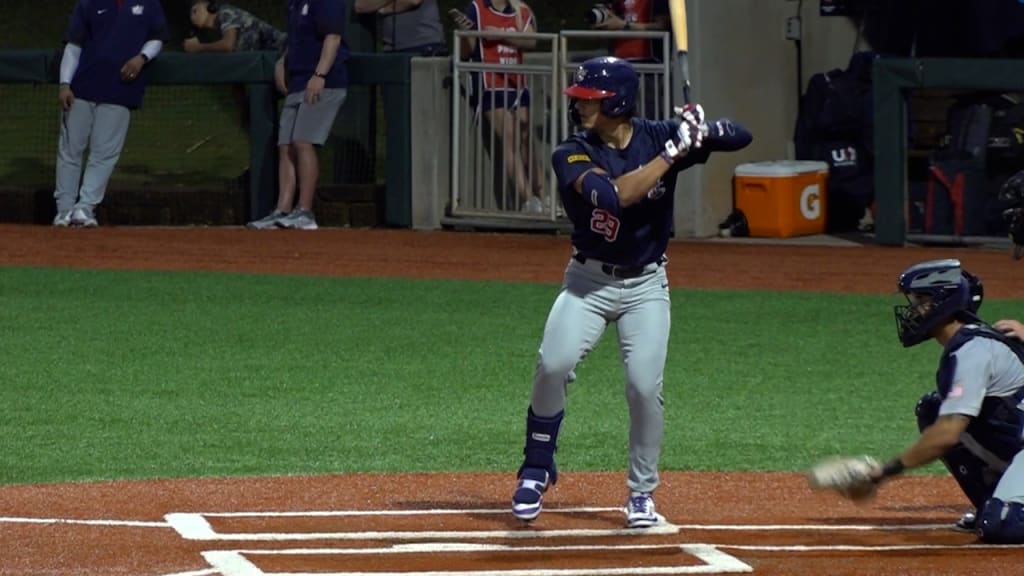
Coaching, experience, and physical maturation can all play a role in helping players refine their skills. For Beck, that could mean improving his defensive instincts and becoming more comfortable in center field. For Gracia, it might involve adding strength or making adjustments that enhance his overall defensive impact.
Another key factor to consider is how the Braves structured the rest of their draft strategy. By selecting Gracia and Beck—both of whom are expected to sign for less than the assigned slot value—the organization created financial flexibility within its bonus pool. This allowed Atlanta to aggressively target high-upside high school pitchers in subsequent rounds, including several talented prep arms with significant long-term potential. (Battery Power)
This approach highlights a broader draft philosophy that balances risk and reward. Instead of using all of their early picks on high-cost prospects, the Braves opted to secure polished college hitters early while saving resources to invest in more volatile but potentially high-reward pitchers later in the draft. It is a strategy that reflects careful planning and a willingness to think creatively about how to maximize overall talent acquisition.
Looking at the bigger picture, the Braves’ recent drafting trends suggest an organization that is evolving in its approach. While pitching was once the primary focus in early rounds, there has been a noticeable shift toward position players, particularly those with strong offensive skill sets. This adjustment may be an effort to create a more balanced farm system, ensuring that the team has a steady pipeline of both hitters and pitchers in the years to come.
For fans, this is an encouraging sign. A well-rounded system increases the likelihood that the Braves can sustain success at the major league level, whether through internal development or by leveraging prospects in trades. The additions of Gracia and Beck, combined with the high-upside arms selected later, contribute to a growing pool of talent that could shape the future of the franchise.
Of course, it is still far too early to draw definitive conclusions about any of these players. The MLB Draft is inherently unpredictable, and even the most highly regarded prospects can take unexpected paths. Some players develop into stars, others become role players, and some never reach the majors at all. What matters most at this stage is the potential each player brings and the organization’s ability to nurture that potential over time.
In that regard, the outlook for the Braves appears promising. The combination of polished hitters like Gracia and Beck with high-ceiling pitching prospects gives the organization multiple avenues for future success. If even a few of these players reach their potential, Atlanta could find itself with a new wave of impact talent in the coming years.
Ultimately, the success of this draft class will be judged not by immediate reactions but by long-term results. For now, Braves fans have every reason to be excited about the direction of the team’s player development pipeline. With continued growth and the right development, these selections could play a significant role in shaping the next era of Braves baseball.

Be the first to comment