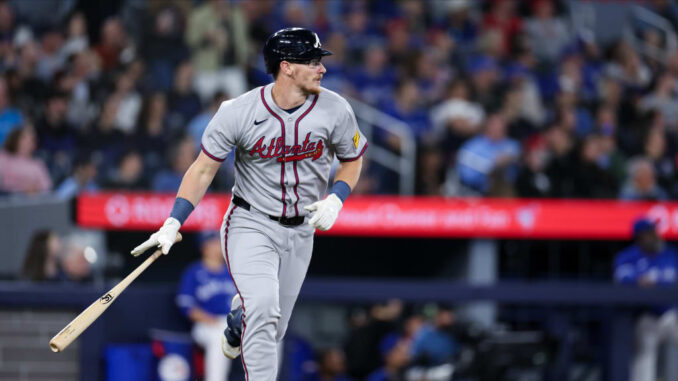
The Atlanta Braves find themselves in a compelling and somewhat complex position as the MLB trade deadline in early August continues to draw closer. Up to this point in the season, Atlanta has performed at an exceptionally high level, establishing itself as one of the stronger teams in baseball.
Despite that success, the nature of the trade deadline means that even top-performing clubs are constantly evaluating ways to improve, rebalance their roster, or plan for the future. As a result, the Braves are expected to be active participants in trade conversations, especially as speculation intensifies and potential deals begin to take shape across the league.
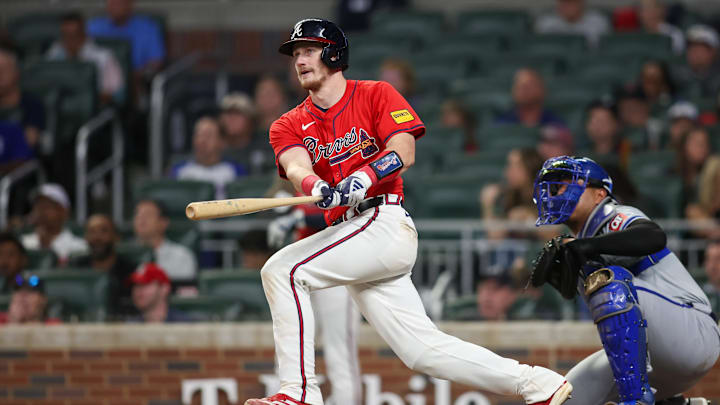
Recent developments have only added more intrigue to Atlanta’s situation, particularly behind the plate. The Braves made a notable move by acquiring catcher Joey Bart in a trade, a decision that appears to have both immediate and long-term implications. While the addition of Bart strengthens the team’s depth at catcher in the short term, it also raises legitimate questions about the future of veteran catcher Sean Murphy within the organization.
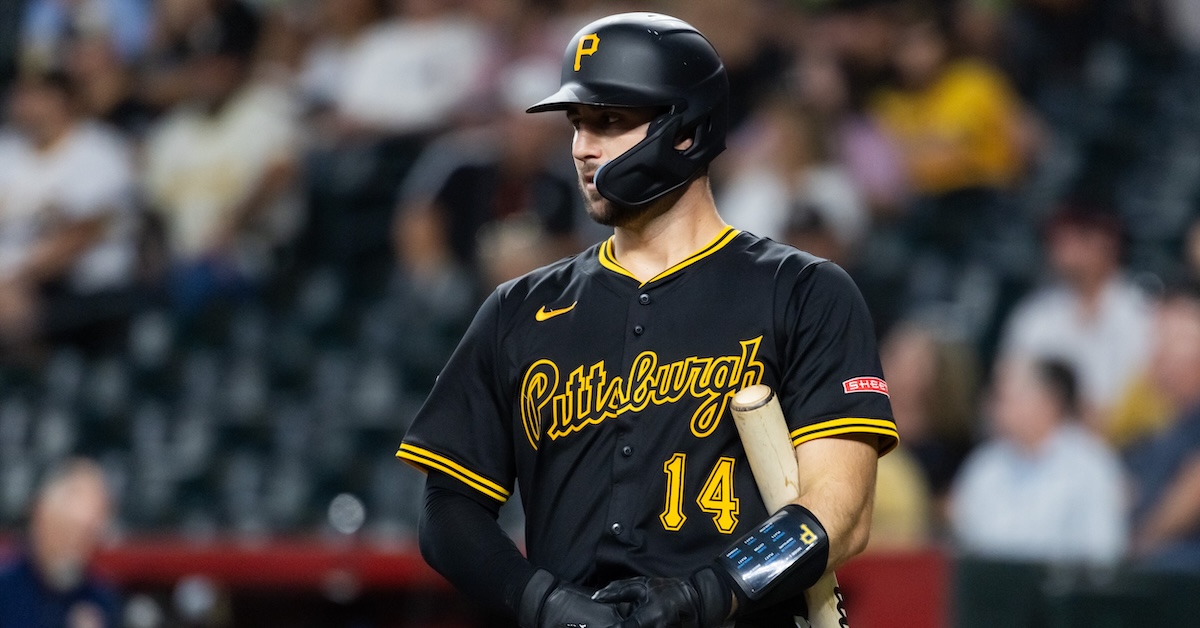
Given the current roster construction, it is reasonable to suggest that Murphy could become a trade candidate as the deadline approaches. One of the primary factors influencing this possibility is his contract.
Murphy is in the midst of a six-year, $73 million deal, which represents a significant financial commitment for the Braves. For a team that is consistently looking to maximize efficiency and allocate resources strategically, moving that contract could create valuable financial flexibility.
MORE: Cardinals Officially Make Change In Necessary Roster Move
Such flexibility could prove particularly important when considering the future of Drake Baldwin, who has emerged as a key piece of Atlanta’s long-term plans. Baldwin’s rise has been one of the more encouraging developments for the Braves, and there is a growing belief that he could be the franchise’s primary catcher moving forward.
If that is indeed the case, the organization may prioritize securing Baldwin with a long-term contract extension. Clearing Murphy’s salary from the books would make that process far more manageable and could allow the team to invest more confidently in Baldwin as their catcher of the future.
This dynamic creates a scenario in which Murphy’s role becomes less clearly defined. While he remains a talented and productive player, the combination of his contract and Baldwin’s emergence could make him somewhat expendable. Rather than maintaining two high-level catchers with significant financial commitments, the Braves might opt to capitalize on Murphy’s trade value while they still can.
If Atlanta does decide to explore trade options involving Murphy, there are several teams that could emerge as logical suitors. One organization that stands out is the San Diego Padres.
The Padres have been in need of stability at the catcher position, and adding a proven player like Murphy could address a major weakness on their roster. His experience, defensive ability, and offensive upside would make him an attractive target for a team looking to strengthen its lineup for a postseason push.
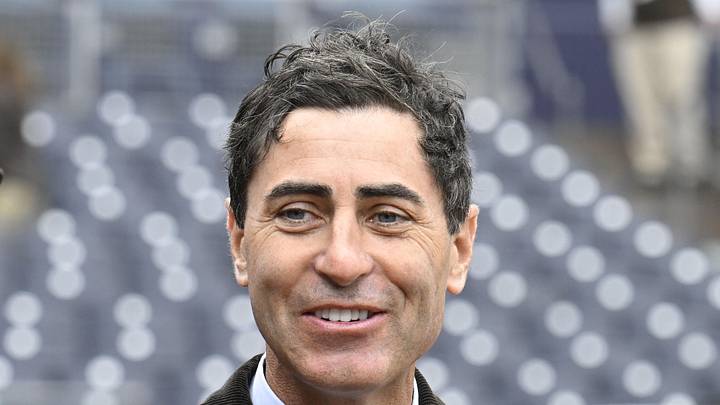
Additionally, the Padres’ front office, led by president of baseball operations A.J. Preller, has built a reputation for being aggressive and willing to make bold moves. Preller has consistently demonstrated a willingness to trade away prospects in order to acquire established major league talent, particularly when the team is in a competitive window. This approach aligns well with a potential deal for Murphy, as the Padres could view him as a piece that helps elevate their roster immediately.
The combination of San Diego’s need at catcher and Preller’s aggressive tendencies makes them a particularly interesting potential trade partner. If the Braves were to make Murphy available, it would not be surprising to see the Padres among the teams most actively pursuing a deal. Their farm system could provide the type of return Atlanta would seek, whether in the form of young talent or players who can contribute in the near future.
MORE: Angels Officially Make Notable Roster Move
At the same time, it is important to recognize that trading a player like Murphy would not be a simple decision. He has been an important contributor for the Braves, and moving him could have both short-term and long-term consequences.
Depth at catcher is valuable, especially for a team with postseason aspirations, and relying heavily on a younger player like Baldwin carries its own risks. Injuries, performance fluctuations, and the pressures of a full season could all factor into the equation.
Nevertheless, the Braves are known for their strategic approach to roster management, and they will likely weigh all of these considerations carefully. Their front office has consistently demonstrated an ability to balance present success with future planning, and any decision involving Murphy would reflect that philosophy.
Ultimately, as the trade deadline approaches, Atlanta’s situation remains fluid. The team’s strong performance gives them the luxury of being selective and calculated in their decision-making, but it also places them squarely in the spotlight as one of the contenders expected to make impactful moves. Whether or not Murphy is ultimately traded, his name is likely to remain a prominent part of trade discussions in the weeks ahead.
MORE: Blue Jays Officially Trade Top Catcher to Angels
In summary, the Braves’ recent acquisition of Joey Bart has added another layer of intrigue to an already fascinating trade deadline outlook. With Drake Baldwin emerging as a potential cornerstone player and Sean Murphy carrying a sizable contract, Atlanta faces a pivotal decision regarding its catching situation.
Meanwhile, teams like the San Diego Padres, known for their aggressive pursuit of talent, could play a significant role in shaping the outcome. As rumors continue to build and the deadline nears, all eyes will be on the Braves to see how they navigate this critical moment in their season.
Does Sean Murphy to the Padres Via Trade Make Sense?
Sean Murphy has been out of action for several weeks after suffering a broken finger, but there is optimism that he could make his return around the time of the All-Star break. The injury has kept him off the field for an extended period, creating uncertainty about his immediate role and value, especially as trade speculation begins to intensify across the league.
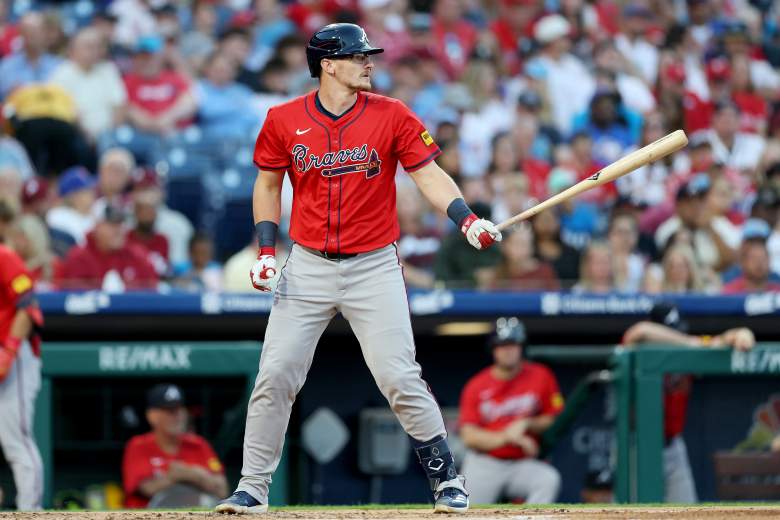
Reports earlier in June provided more clarity regarding Murphy’s condition and recovery timeline. According to coverage at the time, the Atlanta Braves catcher was placed on the injured list after fracturing the middle finger on his left hand during a catcher’s interference play in mid-May. (MLB.com)
This type of injury is particularly challenging for a catcher, given the constant use of the hands in both receiving pitches and handling the bat. As a result, the Braves opted to give Murphy ample time to recover rather than rushing him back into action.
Further updates suggested that Murphy would likely remain sidelined from baseball activities until at least mid-July, aligning with a potential return shortly after the All-Star break. That timeline indicates the Braves are prioritizing a cautious approach, ensuring that he regains full strength before rejoining the lineup. While this delay may temporarily weaken Atlanta’s depth at catcher, it could ultimately benefit both the player and the team in the long run.
Murphy’s absence has also had ripple effects beyond Atlanta, particularly when considering teams that are dealing with their own issues behind the plate. One such team is the San Diego Padres, whose catching situation has been heavily impacted by injuries. At the moment, their depth chart is far from stable, creating a potential need for reinforcements as they attempt to remain competitive.
Luis Campusano, one of the Padres’ key catchers, has already been placed on the injured list due to a fractured toe. (CBS Sports) This injury alone would be enough to strain the position, but the situation becomes even more complicated when factoring in other health concerns within the roster. With multiple catchers either unavailable or limited, San Diego has been forced to rely on less experienced options and short-term solutions to fill the gap.
Injuries at such a physically demanding position can quickly expose a team’s lack of depth, and that appears to be the case for the Padres. Catcher is one of the most taxing roles in baseball, both physically and mentally, and losing multiple players at the position can disrupt pitching rhythm, defensive consistency, and offensive production. Given these circumstances, it is not surprising that San Diego has been linked to potential trade targets as they look to stabilize the position.

Among the names that have surfaced in trade discussions is Minnesota Twins catcher Ryan Jeffers, who has been mentioned as a possible target for the Padres.
However, while Jeffers could provide some value, it is worth considering whether Sean Murphy might actually be a more impactful option. If Atlanta is open to moving him, Murphy could represent a higher-upside acquisition for a team in need of a proven presence behind the plate.
Murphy’s skill set makes him an appealing candidate despite his recent injury. When healthy, he has demonstrated significant power at the plate, giving him the ability to contribute offensively in ways that many catchers cannot. While he may not consistently hit for a high batting average, that limitation is relatively common among players at his position. Teams typically prioritize defensive reliability and occasional power from their catchers, both of which Murphy has shown throughout his career.
In addition to his offensive contributions, Murphy brings experience and leadership, qualities that are especially valuable for a Padres team dealing with instability at catcher. A veteran presence could help guide the pitching staff and provide a level of consistency that has been lacking due to injuries. For a team aiming to remain competitive in a tough division, these intangible benefits can be just as important as on-field performance.
Of course, any potential deal involving Murphy would need to address the financial aspect of his contract. He is currently under a long-term deal, and that commitment could be a hurdle for teams considering a trade. However, if the Braves are willing to absorb a portion of the remaining salary, it could make the situation much more appealing for San Diego or any other interested team.
In fact, the financial component might play a central role in shaping the structure of a potential trade. If the Padres were to take on most or all of Murphy’s contract, that alone could serve as significant value for the Braves. In such a scenario, Atlanta might not demand a substantial return in terms of prospects. Instead, the deal could be structured around financial relief, with San Diego sending back one or two minor-league players as part of the agreement.
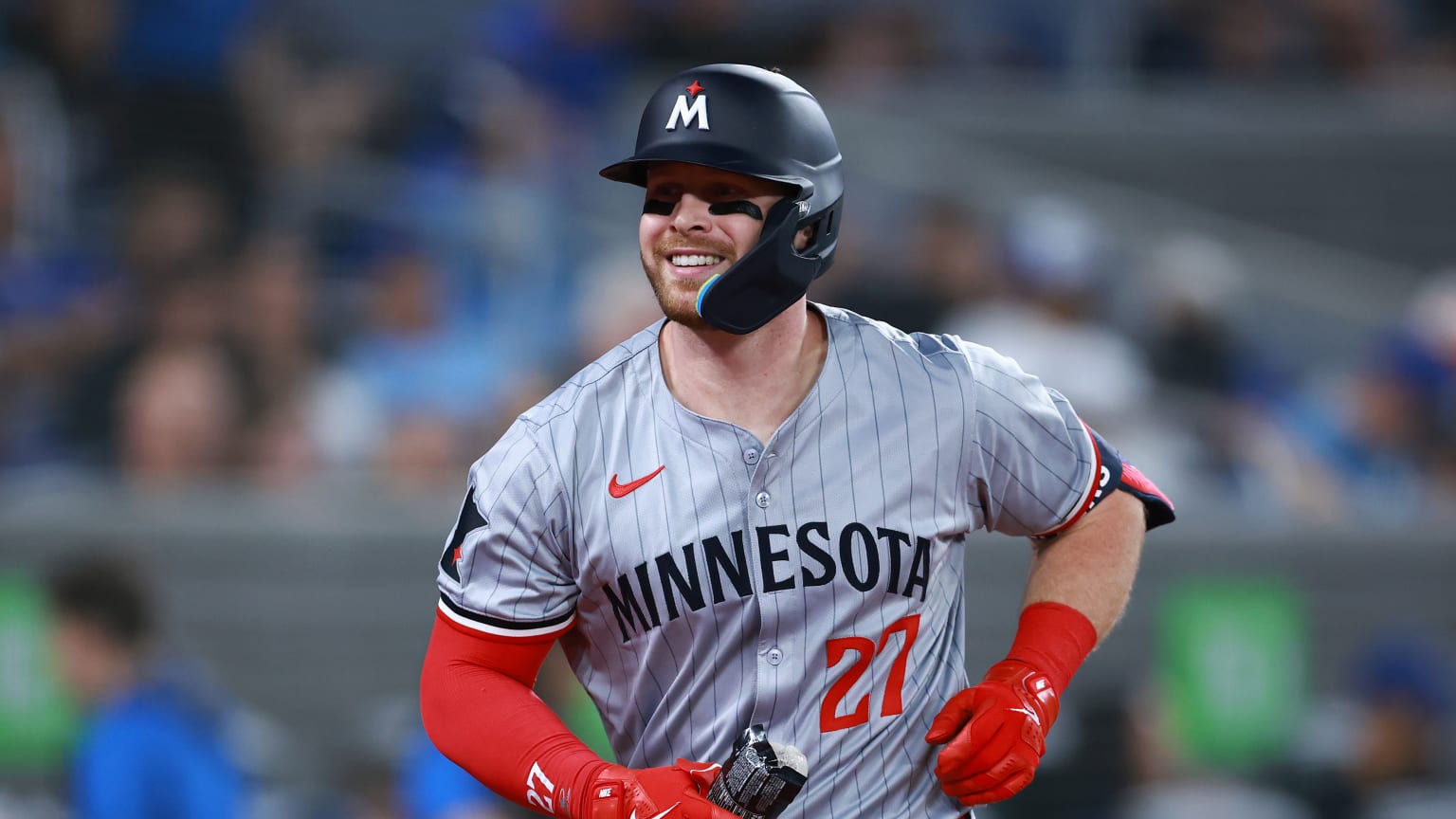
This type of trade framework would benefit both sides in different ways. For the Braves, it would provide salary flexibility and open up opportunities to invest in younger talent or address other roster needs. For the Padres, it would offer a relatively straightforward solution to their catching issues, allowing them to acquire an established player without sacrificing a large portion of their farm system.
Ultimately, the situation remains fluid, and much will depend on Murphy’s recovery progress in the coming weeks. If he returns to full health and demonstrates his usual level of performance, his trade value could increase significantly. On the other hand, lingering concerns about his injury could make teams more cautious, potentially affecting the type of offers Atlanta receives.
Still, given the Padres’ current predicament and their history of making aggressive moves, it would not be surprising to see them explore the possibility of acquiring Murphy. With the trade deadline approaching and the need for stability behind the plate becoming more urgent, San Diego may be willing to take a calculated risk on a player who has the potential to make an immediate impact.
In the end, Murphy’s situation highlights the broader dynamics of the trade deadline, where injuries, contracts, and team needs all intersect. As teams evaluate their options and weigh potential deals, players like Murphy become focal points in discussions that could shape the remainder of the season.
Sean Murphy’s Outlook with the Braves
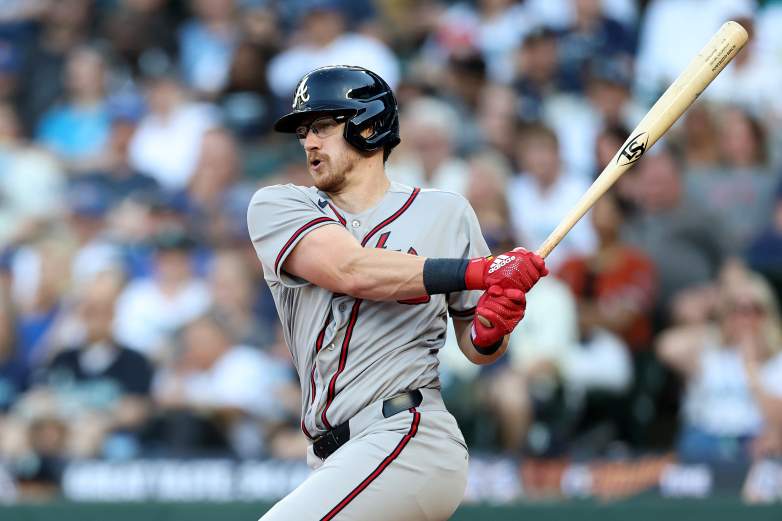
Even when Sean Murphy is eventually activated from the injured list, there is a strong argument that his role within the Atlanta Braves organization is no longer secure. The primary reason for this shift is the emergence of Drake Baldwin, who has stepped in and effectively claimed the starting catcher position. Baldwin’s rise has not only provided Atlanta with a reliable option behind the plate, but it has also created a logjam that could make Murphy somewhat expendable moving forward.
This situation becomes even more complicated when considering Murphy’s recent performance and injury history. During the 2025 season, Murphy appeared in 94 games and managed to hit 16 home runs, which highlights his power potential.
However, those numbers do not tell the full story. His overall offensive production was inconsistent, as he finished the season with a .199 batting average while dealing with multiple injuries, including a lingering hip issue that ultimately cut his season short. (SI)
While power remains a valuable trait, especially for a catcher, Murphy’s declining consistency at the plate has raised concerns. Earlier in his career, particularly during his All-Star campaign in 2023, he was viewed as one of the more well-rounded catchers in the league.
At that time, he combined strong defensive metrics with above-average offensive production, making him a highly valuable asset. However, since that peak, his offensive numbers have steadily trended downward, and injuries have played a significant role in that decline.
The pattern of injuries is particularly troubling for a player at such a physically demanding position. Catchers endure constant wear and tear, and recurring health issues can significantly impact both performance and durability. For Murphy, the combination of a hip problem in 2025 and his current injury concerns suggests that maintaining long-term consistency could be a challenge. As a result, it becomes increasingly difficult for the Braves to rely on him as their primary option behind the plate.

Adding to the concern is Murphy’s extremely limited production in the current season. Due to injuries, he has only appeared in a handful of games, and his offensive output has been minimal.
With just one hit in 14 at-bats, it is far too small of a sample size to draw definitive conclusions, but it does little to inspire confidence. When combined with his recent injury history and declining trends, it paints a picture of a player whose value may not be as high as it once was.
Meanwhile, Baldwin has taken full advantage of his opportunities. His performance has solidified his standing as the Braves’ go-to catcher, and his presence has effectively blocked Murphy from reclaiming his previous role.
For a team that is focused on both immediate success and long-term sustainability, sticking with a younger, healthier, and more consistent option makes logical sense. Baldwin’s emergence gives Atlanta the flexibility to consider alternative paths for Murphy, including the possibility of a trade.
From a roster construction standpoint, moving on from Murphy could be a practical decision. His contract represents a significant financial commitment, and reallocating those resources could benefit the team in other areas. Additionally, carrying two starting-caliber catchers—especially when one is clearly ahead in the depth chart—may not be the most efficient use of roster space.
However, while the idea of trading Murphy may seem logical, executing such a move could prove to be challenging. One of the biggest obstacles is his contract, which may deter potential suitors. Teams are often hesitant to take on large financial obligations, particularly for a player with recent injury concerns and declining offensive production. This could limit the number of organizations willing to engage in serious trade discussions.
Despite these challenges, there are still potential landing spots where Murphy could make sense, and one team that stands out is the San Diego Padres. Given their ongoing need for stability at the catcher position, the Padres could view Murphy as a worthwhile gamble. Even with his recent struggles, he still possesses qualities that are difficult to find, including power at the plate and strong defensive capabilities.
For San Diego, acquiring a player like Murphy could address multiple issues at once. His experience and skill set could provide immediate help, particularly if he is able to return to full health. Additionally, the Padres have a track record of being aggressive in the trade market, often prioritizing established major league talent over long-term prospect development.
This approach could make them more willing than other teams to take on Murphy’s contract, especially if they believe he can contribute to a playoff push.
Ultimately, the situation surrounding Murphy is a reflection of how quickly circumstances can change in Major League Baseball. Just a couple of seasons ago, he was considered one of the premier catchers in the game, highlighted by his All-Star selection and strong overall performance. Now, a combination of injuries, declining offensive output, and the emergence of a younger replacement has placed his future with the Braves in doubt.
For Atlanta, the decision will come down to balancing present needs with future planning. Keeping Murphy provides depth and insurance, but it also comes with financial and roster implications. On the other hand, trading him could free up resources and potentially bring back valuable assets, but it would require finding the right partner willing to take on the associated risks.
In the end, while moving on from Murphy may be the logical choice for the Braves, it is far from a straightforward process. His contract, health concerns, and recent performance all play a role in shaping his market value. Still, if there is a team willing to take a chance, the Padres appear to be one of the most realistic and intriguing possibilities.

Be the first to comment