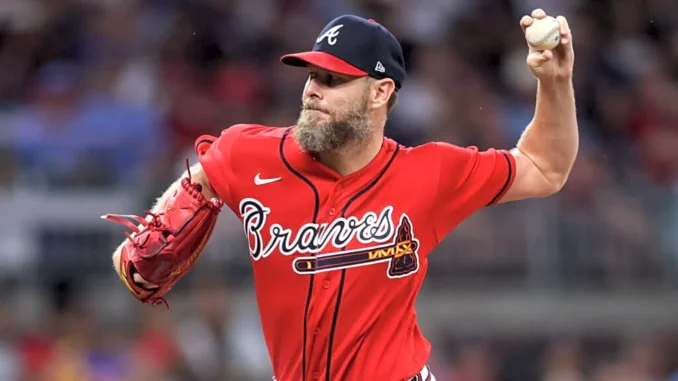
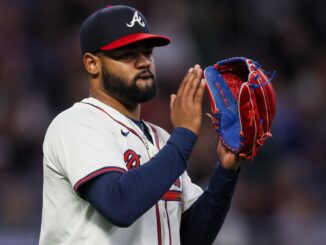
The Atlanta Braves have made another significant roster adjustment with the postseason approaching, placing veteran left-hander Martín Pérez on the 15-day injured list because of lower-back inflammation.
The move had been anticipated after Pérez experienced the issue, and Atlanta officially made the transaction on September 24. To take his place on the active roster, the Braves selected the contract of right-hander Elieser Hernández from Triple-A Gwinnett. (MLB.com)
The corresponding moves did not stop there. Because Hernández needed a spot on Atlanta’s 40-man roster, the Braves recalled right-hander Hurston Waldrep from Gwinnett and immediately placed him on the 60-day injured list.
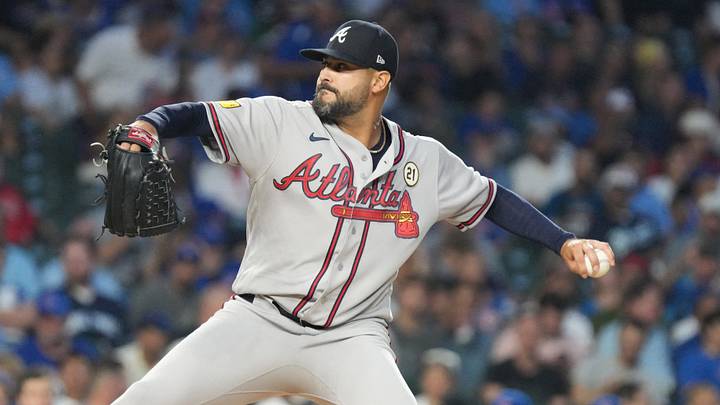
The transaction provides the Braves with the roster flexibility they needed while allowing them to add Hernández to the major league club. MLB’s official transaction log confirms that Pérez was placed on the 15-day IL with low-back inflammation, while Waldrep was moved to the 60-day list because of his right-elbow injury. (MLB.com)
REPORT: Phillies’ Brooks Raley and 2-other player falling on the wrong side of playoff roster bubble
For Atlanta, however, the most important part of the sequence is what Pérez’s absence means for a pitching staff already dealing with several injuries.
Martín Pérez’s injury comes at a difficult time
Pérez had become an important part of Atlanta’s rotation during the 2026 season. The veteran left-hander made 26 starts and accumulated 142 innings, finishing with a 9-9 record and a 3.04 ERA. That workload represented his highest innings total since his 2022 All-Star season with Texas. (FOX Sports)
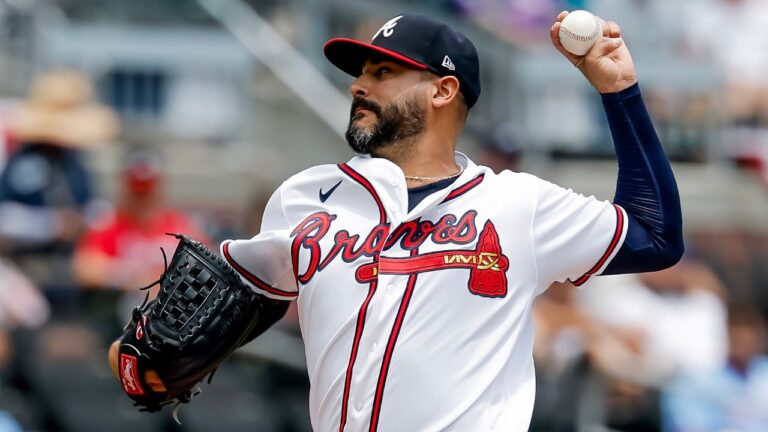
Unfortunately for the Braves, the timing of his injury could hardly be more problematic.
Atlanta is preparing for postseason baseball, meaning every available starting pitcher becomes increasingly valuable. Pérez’s experience and ability to provide innings had given the Braves another dependable option, but his lower-back inflammation has now taken him out of the immediate postseason picture.
BREAKING: Braves’ Walt Weiss Eases Nerves After Another Brutal Injury News
According to Braves manager Walt Weiss, Pérez likely would not be available until the National League Championship Series if Atlanta advances that far. That would keep him out of a potential Wild Card Series and potentially the Division Series as well. (FOX Sports)
The Braves already have other rotation concerns. Bryce Elder is recovering from knee surgery and is expected to miss several weeks, while Reynaldo López remains sidelined with right shoulder discomfort. Those absences have reduced Atlanta’s depth at precisely the point of the season when the club needs its starters to be at full strength. (FOX Sports)
With Pérez now joining that injury list, Atlanta’s postseason pitching plans become even more complicated.
Elieser Hernández returns once again
The corresponding addition of Hernández is hardly unfamiliar territory for either the pitcher or the Braves.
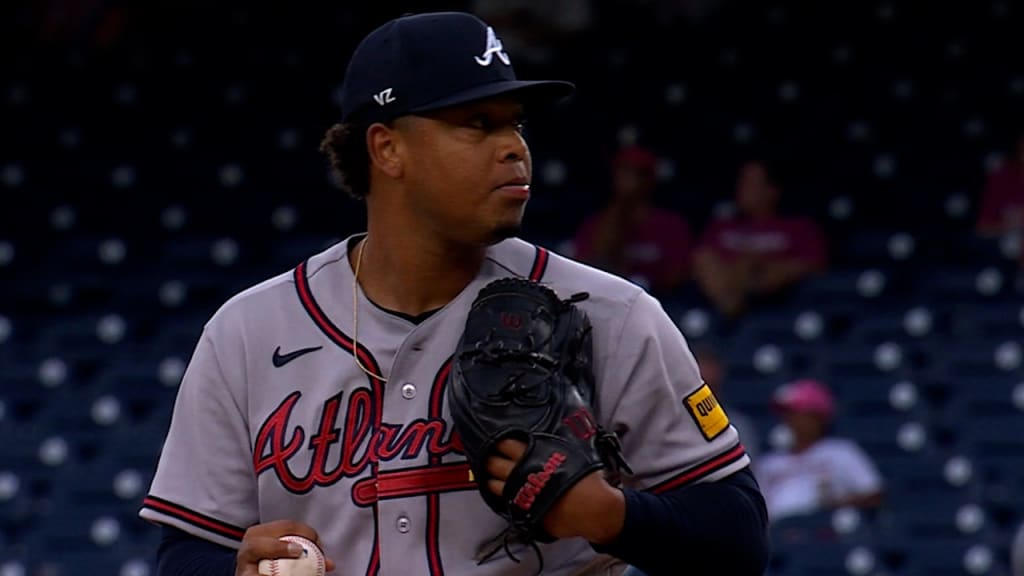
Atlanta has repeatedly turned to the veteran right-hander whenever it has needed additional pitching depth. Hernández has moved between the major league roster, Triple-A Gwinnett and free agency several times during the season.
This latest transaction represents another chapter in that unusual relationship.
The Braves have effectively used Hernández as a flexible depth option. When the major league pitching staff needs another arm, Atlanta can select his contract and bring him up. If the club later needs a different roster spot or wants to bring up another fresh pitcher, Hernández can be designated for assignment. If he clears waivers, he can return to the organization on another minor league arrangement.
That cycle has allowed Atlanta to maintain additional pitching flexibility without permanently committing a 40-man roster spot to Hernández.
The strategy is particularly useful late in the season, when bullpen workloads can increase and teams have fewer opportunities to rest their pitchers. A long-relief option who can cover multiple innings can protect the rest of the pitching staff when a starter exits early or when the club needs to get through a game without using several key relievers.
Hernández has already filled that role effectively for Atlanta this year.
In 11 innings over four major league appearances, he has allowed only three earned runs while striking out 11 hitters. He has also issued six walks and hit one batter, showing both the positives and limitations that come with using him primarily as a bulk or long-relief option. (CBS Sports)
CBS Sports also reported that Hernández had posted a 4.64 ERA and 1.43 WHIP over 85⅓ innings in the minors before his latest promotion. (CBS Sports)
A familiar roster-management strategy
Atlanta’s handling of Hernández is similar to the way the organization has previously managed veteran pitchers such as Jesse Chavez and Carlos Carrasco.

The basic concept is straightforward. The Braves can temporarily use an experienced pitcher when their staff is exhausted, then make a roster move once another arm is available. Rather than keeping a surplus pitcher permanently on the active roster, Atlanta can cycle players through the system based on its immediate needs.
From the team’s perspective, there is obvious value in that approach.
Hernández essentially provides another layer of pitching depth without requiring the Braves to dedicate a permanent active-roster position to him. When Atlanta needs innings, he can be brought up. When the club needs a different player, he can be removed from the roster and another pitcher can take his place.
For Hernández, the arrangement is obviously less stable than having a guaranteed major league job. However, it does give him opportunities to pitch in the majors and collect major league salary and service time when he is on the roster.
The fact that he has repeatedly returned to Atlanta also suggests that the organization continues to view him as useful depth, even if it has not committed to him as a permanent member of the bullpen.
His ability to provide multiple innings makes him particularly valuable during the final days of the regular season, when the Braves have little reason to push their most important relievers unnecessarily.
The Braves have bigger postseason concerns
While Hernández’s return is noteworthy, the bigger story is the state of Atlanta’s rotation.
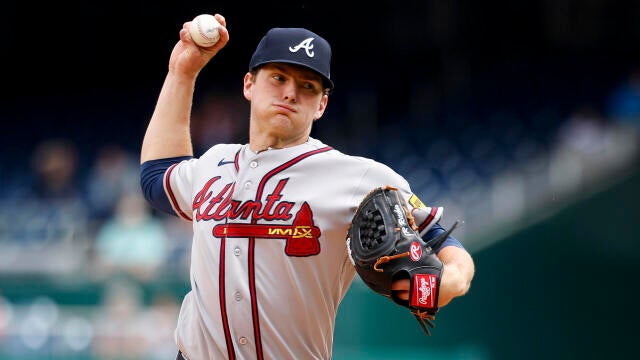
Pérez’s injury leaves the Braves with fewer established starting options heading into the postseason. Current reporting points to Chris Sale, Tyler Mahle and Grant Holmes as the likely candidates for the Wild Card Series rotation. Rookie JR Ritchie could potentially become an option if Atlanta advances and requires another starter. (FOX Sports)
That situation puts considerable pressure on the remaining healthy starters.
Sale has been the veteran anchor of the rotation, while Mahle and Holmes have become increasingly important as Atlanta has dealt with injuries. The loss of Pérez means the Braves have less room for error if another starter experiences an injury or struggles during the postseason.
The regular season and postseason also require very different pitching strategies.
During the regular season, a team can survive a difficult stretch by using a fifth starter, calling up a prospect or leaning on its bullpen. In the postseason, every game carries substantially more weight, and teams generally want their most reliable pitchers handling the highest-leverage innings.
That is why Pérez’s absence could become increasingly important if Atlanta has to navigate multiple playoff rounds.
Hurston Waldrep’s move carries a different significance
The move involving Waldrep is also important, although for a very different reason.
Atlanta recalled Waldrep from Triple-A before placing him on the 60-day injured list. The move created the necessary 40-man roster space for Hernández. (MLB.com)

Waldrep is dealing with a significant right-elbow injury and is expected to miss the remainder of the 2026 season as well as the 2027 campaign after undergoing Tommy John surgery. (CBS Sports)
That makes the 60-day IL placement largely procedural from a competitive standpoint. Waldrep was not going to be available to help the Braves during their postseason push anyway.
The transaction does, however, have financial and service-time implications. By moving Waldrep onto the major league injured list, Atlanta can keep him within the major league structure while making the necessary roster adjustment.
The move also highlights how difficult the injury situation has become for Atlanta’s pitching staff. Waldrep was viewed as part of the organization’s pitching future, but his elbow injury means the Braves must now plan around another long-term absence.
Atlanta’s priority now is health
With the postseason approaching, the Braves’ focus will shift toward preserving the pitchers who are healthy enough to contribute.
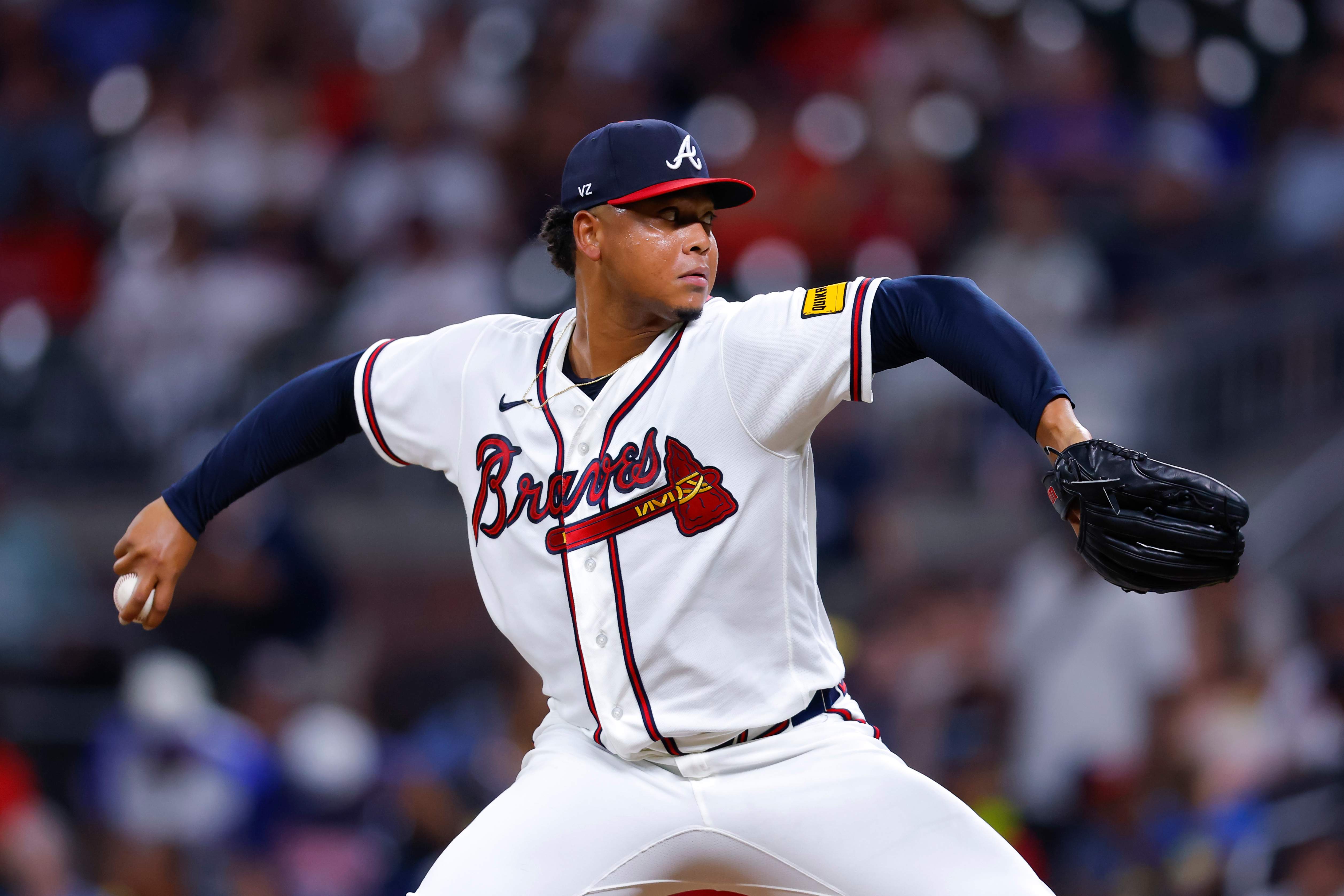
There is little reason to overwork the rotation or bullpen during the final stretch if the club already has its postseason position established. The objective is to arrive at the Wild Card Series with as many reliable arms as possible.
That makes Hernández’s presence especially useful.
He can absorb innings without forcing Atlanta to unnecessarily tax its highest-leverage relievers. If a starter is removed early or the Braves need several innings from the bullpen, Hernández can potentially provide the coverage necessary to get through the game.
That role could become even more important if Atlanta wants to carefully manage Sale, Mahle and Holmes before the postseason begins.
At the same time, the Braves will have to monitor Pérez’s recovery closely. If the veteran lefty cannot return until a later postseason round, Atlanta will have to navigate the early playoff series without one of its experienced starters.
Another reminder of Atlanta’s pitching challenges
The Pérez injury and Hernández promotion ultimately tell two different stories.
For Hernández, it is another opportunity to contribute at the major league level after spending much of the season moving between Atlanta and Gwinnett. He has already demonstrated that he can provide length, and his familiarity with the organization makes the transition straightforward.
For Pérez, the situation is considerably more serious. His injury removes an experienced starter from a rotation that has already lost several important pieces.
And for Waldrep, the 60-day IL move is a reminder that his long-term development has been interrupted by a major elbow injury.
The Braves can work around the roster mechanics. They can promote Hernández, use him for innings and make another transaction later if necessary. What they cannot easily replace is the experience and innings Pérez provided over 26 starts.
Atlanta now enters the final stage of the season with its postseason plans heavily dependent on the health of its remaining starters.
The Braves have enough pitching talent to move forward, but the margin for error has become smaller. With Pérez unavailable and other rotation pieces still recovering, every healthy arm becomes more valuable.
For now, Hernández gives Atlanta another experienced option while the organization waits to see whether its injured pitchers can return. The immediate goal is simple: get through the final games, protect the bullpen, avoid further injuries and prepare the healthiest possible pitching staff for October.
The roster shuffle may look routine on paper, but it reflects a much larger issue facing the Braves. Their postseason success could depend as much on how well they manage their remaining pitching resources as it does on the performances of their biggest stars.

Be the first to comment