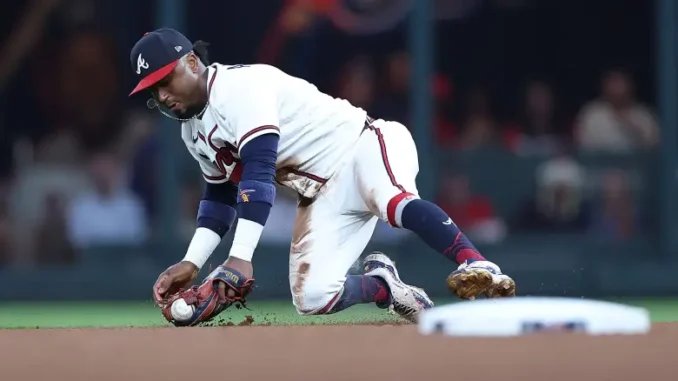
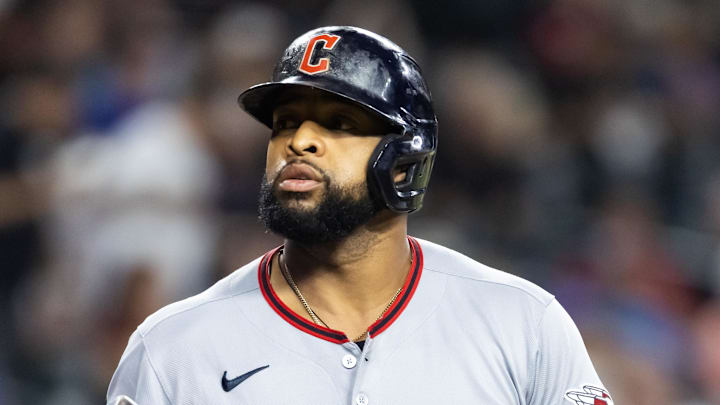
The Atlanta Braves are parting ways with veteran first baseman, ending a brief stint that never resulted in a major league appearance for the longtime slugger.
According to ESPN’s Jeff Passan, Atlanta granted Santana his release from Triple-A Gwinnett on Sunday, Aug. 16. The move makes the 40-year-old switch-hitter a free agent and gives him the opportunity to search for another organization that could offer a more realistic path back to the major leagues during the final stretch of the 2026 season. (Fantasy Pros)
Santana’s departure comes despite the veteran putting together respectable numbers during his time with Gwinnett. In 104 plate appearances, he hit .292/.385/.382 with two home runs. His performance also included a 108 wRC+, an 18.3% strikeout rate and a 12.3% walk rate, indicating that he continued to provide the plate discipline that has defined much of his long major league career. (MLB Trade Rumors)
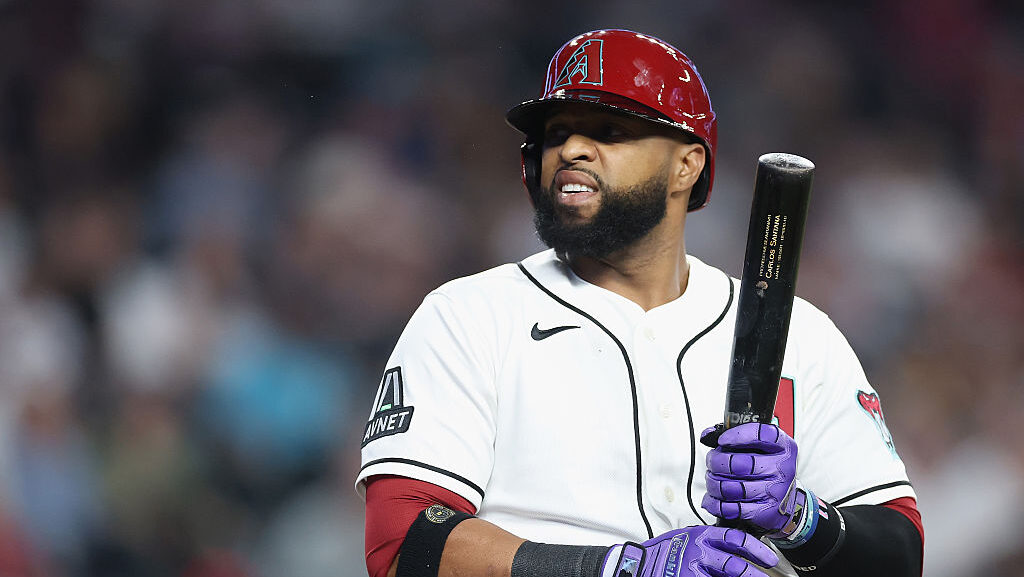
For Santana, the release represents another chapter in an increasingly nomadic phase of his career. For Atlanta, however, the decision is understandable because the organization simply does not have an obvious major league role available for him.
Santana’s Short Stay With Atlanta
The Braves signed Santana to a minor league contract in late June after the Arizona Diamondbacks designated him for assignment. The agreement was designed primarily to provide Atlanta with additional depth at first base while giving Santana another opportunity to work his way back to the majors. He was assigned to Triple-A Gwinnett rather than immediately joining the Braves’ major league roster. (Battery Power)
At the time, Santana was already 40 years old, but his experience remained valuable. He had spent 17 seasons in the majors and built a reputation as a switch-hitting first baseman who could provide quality at-bats, draw walks and handle himself defensively at first base.
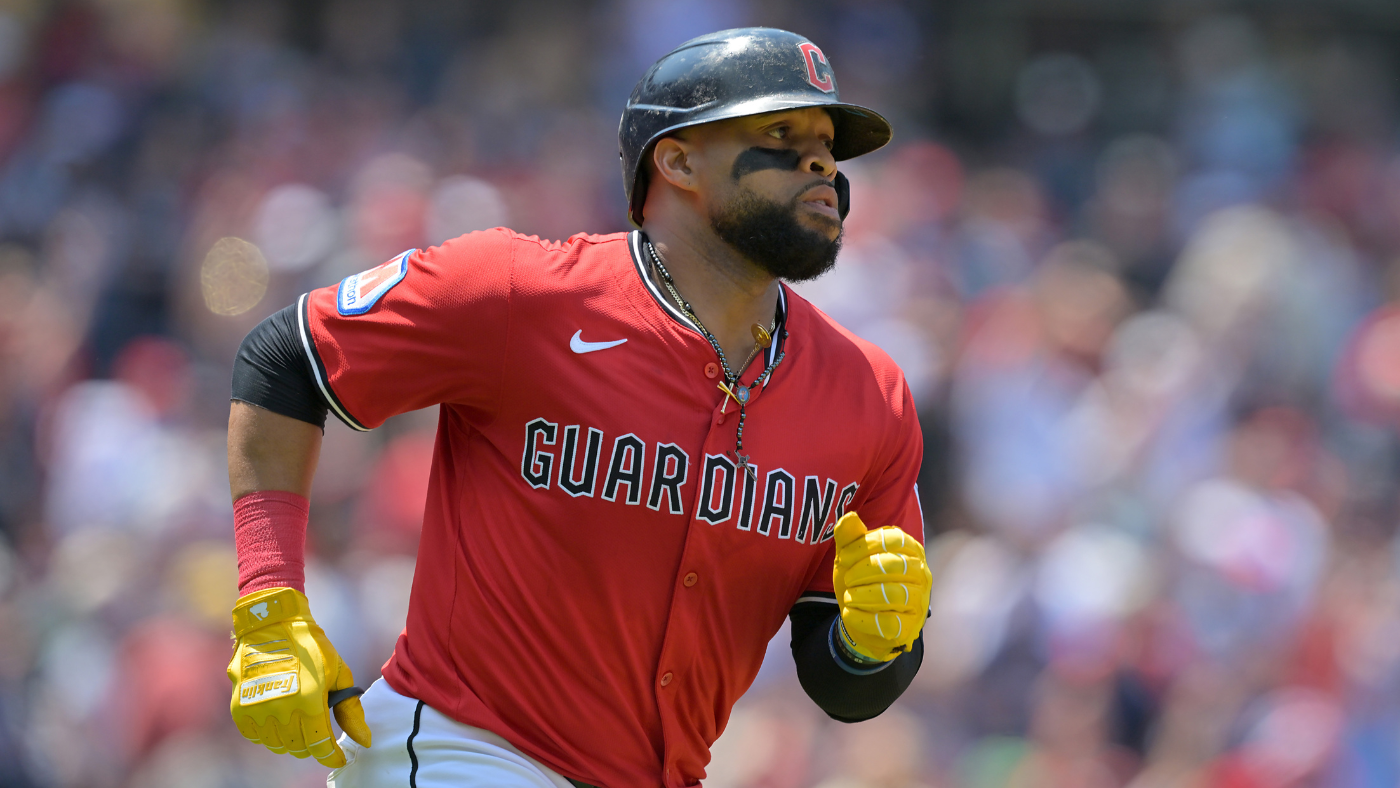
The move to Atlanta came after a difficult beginning to the 2026 campaign with Arizona.
Santana appeared in only eight games for the Diamondbacks before an injury and poor offensive production contributed to his eventual departure. He recorded just two hits in 24 at-bats during that brief stint, according to reporting surrounding his arrival in Atlanta. (Battery Power)
BREAKING: Angels Make Brutal Shakeup as Another Rebuild Begins
His season had already been interrupted by a right adductor strain, which sent him to the injured list in April. After returning to action and struggling during his rehabilitation assignment, Arizona designated him for assignment on June 24.
That left Santana searching for another opportunity.
Atlanta provided it only a few days later.
The Braves’ minor league agreement allowed Santana to continue playing while also giving the organization an experienced option should circumstances change at the major league level. Ultimately, however, that opportunity never materialized.
Stronger Results in Gwinnett
Although Santana’s time with the Diamondbacks was extremely difficult, his performance with Gwinnett offered considerably more encouragement.
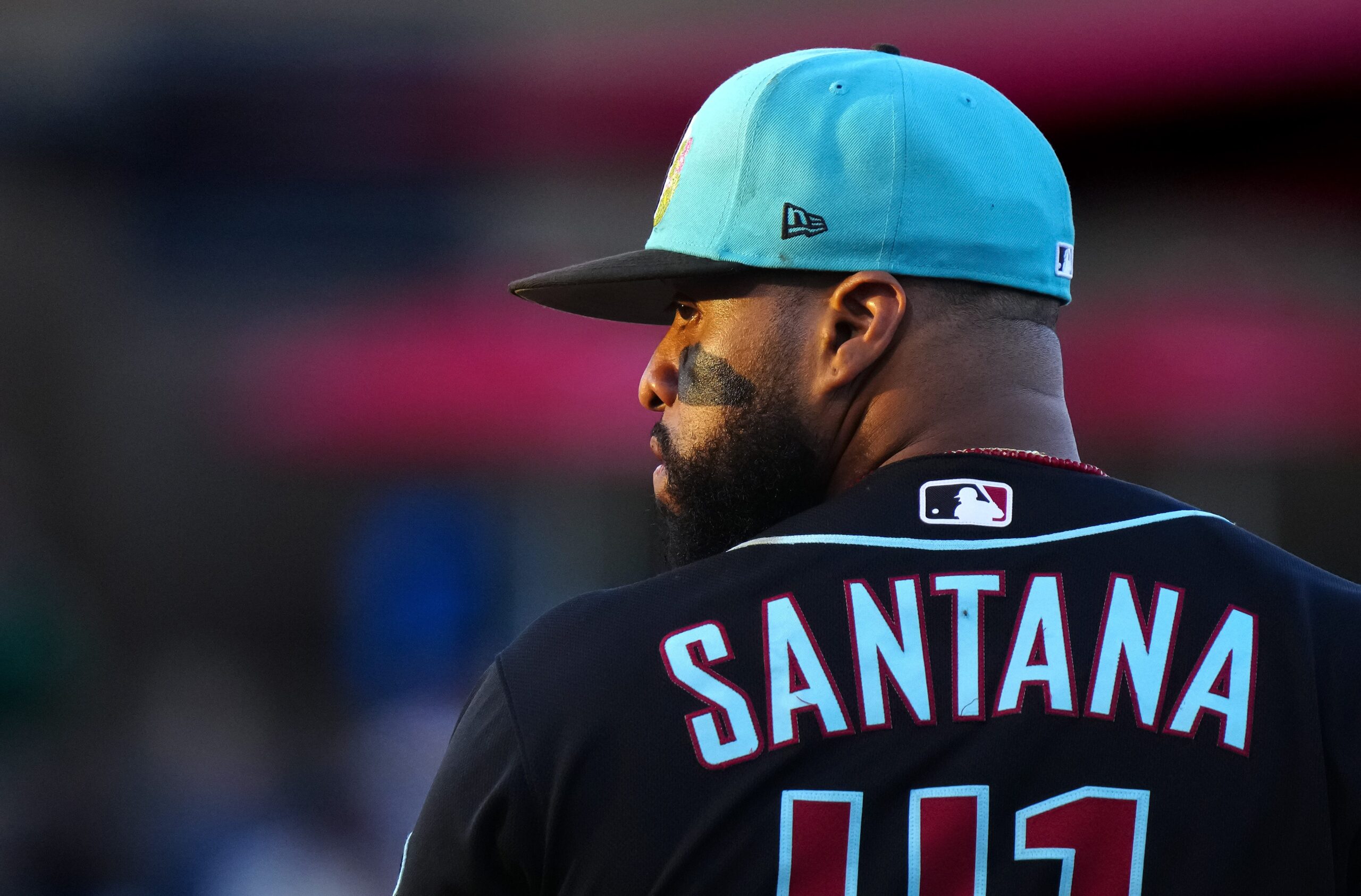
In 104 plate appearances, he hit .292 and posted a .385 on-base percentage. His .382 slugging percentage was modest, but his overall offensive production was considerably better than what he had shown in Arizona.
The 108 wRC+ is particularly notable because it suggests Santana was producing slightly above league-average offensive value at the Triple-A level.
His approach also remained recognizable.
BREAKING: Atlanta Braves Receives $150 Million Heartbreaking News
Santana struck out in only 18.3% of his plate appearances while walking 12.3% of the time. Those numbers show why a team looking for a veteran bench option, first baseman or designated hitter could still have reason to consider him.
His two home runs were not overwhelming power numbers, but Santana’s value has never depended entirely on home-run production. Throughout his career, he has been known for his patience, ability to work counts and willingness to take walks.
That skill set could make him an intriguing option for a club dealing with an injury or looking for additional depth as the season enters its final weeks.
The Braves, however, were not necessarily the best destination for him from a playing-time perspective.
Matt Olson Blocks the Path
The biggest obstacle facing Santana in Atlanta was the presence of Matt Olson.
Olson has first base firmly secured for the Braves, meaning there was no obvious opportunity for Santana to take over the position at the major league level.

Unless Atlanta wanted to dramatically alter its defensive alignment or use Santana primarily as a designated hitter, bringing him onto the 26-man roster would have required finding playing time that simply was not readily available.
That situation became even more complicated because the Braves already had other players competing for designated-hitter opportunities.
Ronald Acuña Jr. has received significant time at DH as Atlanta manages his workload, while Dominic Smith has handled much of the designated-hitter work when Acuña is playing the outfield.
That left Santana in an awkward position.
BREAKING: Mariners Claim right-hander from the Rangers
He could produce at Triple-A and demonstrate that he still had something left offensively, but the Braves had little incentive to disrupt their existing major league configuration simply to create a spot for another first baseman.
As a result, the most practical solution was to allow Santana to leave and pursue an opportunity elsewhere.
A Veteran Still Looking for One More Opportunity
Santana’s release does not necessarily signal the end of his major league career.
Instead, it could give him a better chance to find a team where his skill set fits an immediate need.
The veteran has accumulated enormous experience over his career. He has played for several organizations and remained productive for much of his time in the majors.

He entered the 2026 season with 1,882 career hits, 335 home runs and 1,136 RBIs over 2,212 games, according to reporting following his release. He also has an All-Star appearance and significant postseason experience on his résumé. (Heavy)
That background could be valuable to a contender looking for a veteran presence.
Santana does not need to be an everyday starter to contribute. A club dealing with an injury at first base or DH could view him as an inexpensive short-term option. His ability to switch-hit and work walks could also make him attractive as a bench bat.
The challenge, of course, is age.
JUST IN: San Diego Padres finalize 3 critical roster moves
At 40, Santana no longer offers the offensive upside he possessed earlier in his career. Teams evaluating him will likely focus less on his historical accomplishments and more on whether his recent Triple-A production can translate against major league pitching.
His .292/.385/.382 line with Gwinnett gives interested clubs something positive to examine.
It is also important that Santana’s recent production came after a difficult period with Arizona. His ability to rebound after joining Atlanta suggests that his struggles with the Diamondbacks may not necessarily represent the complete picture of what he can still provide.
A Career Defined by Consistency
Santana’s career has been unusually long and productive.
He established himself as a major league regular with Cleveland and became one of the game’s more recognizable switch-hitting first basemen. His offensive profile was built around patience and plate discipline rather than simply trying to hit for maximum power.
Over the years, he became known for his ability to get on base and provide steady middle-of-the-order production.
His career path also illustrates how difficult it can be for veteran players to remain established as they approach the later stages of their careers.
Since 2023, Santana has moved between multiple organizations, including the Pirates, Brewers, Twins, Guardians, Cubs and Diamondbacks. His recent seasons have involved shorter commitments and opportunities to fill specific roster needs rather than long-term roles.
That pattern continued with Atlanta.
The Braves did not sign Santana with the expectation that he would necessarily become their starting first baseman. Instead, he represented experienced organizational depth and insurance.
When the opportunity to use him never materialized, Atlanta had little reason to keep him in the organization.
Why the Release Makes Sense for Both Sides
From Atlanta’s perspective, granting Santana his release is a logical roster-management decision.

The Braves have a clear starter at first base in Olson. They also have other players available to handle DH duties. Keeping Santana at Gwinnett indefinitely would have given him fewer opportunities to return to the majors while consuming a roster resource that could potentially be used elsewhere.
The release therefore benefits both sides.
Atlanta can move forward without maintaining unnecessary depth at a position where it already has coverage, while Santana can look for a club with a more pressing need.
That distinction is important.
Santana’s release should not necessarily be interpreted as the Braves deciding that he is incapable of helping a major league team. Instead, it appears to be a recognition that Atlanta simply does not have a natural opening for him.
His numbers in Gwinnett were solid enough to generate interest, particularly for a contender looking for a veteran bat.
The Search for a New Team Begins
Now that Santana is a free agent, his focus will shift toward finding an organization willing to give him another major league opportunity.
The timing is significant.
With the regular season entering its final stretch, teams are increasingly aware of injuries, roster weaknesses and potential postseason needs. A veteran first baseman with extensive major league experience can become useful quickly if another club suddenly loses an established hitter.
Santana’s ability to play first base and serve as a DH gives teams some flexibility.
His switch-hitting ability adds another layer of potential value, particularly for teams seeking a veteran bench bat who can be deployed in different situations.
Of course, any team interested in Santana will have to determine whether his recent Triple-A performance is enough to justify a major league roster spot.
His production in Gwinnett provides a positive argument.
The 108 wRC+ indicates that he was producing above the offensive environment represented by the league, while his walk and strikeout rates show that he was still controlling the strike zone reasonably well. (MLB Trade Rumors)
Those are encouraging indicators for a player attempting to make another major league comeback.
What Comes Next for Santana?
The immediate question is whether another team will give Santana a chance before the end of the 2026 season.
There is no guarantee, but his release from Atlanta gives him the freedom to pursue that opportunity.
He is no longer waiting behind Olson in Atlanta, and he does not have to remain in a Triple-A role with limited prospects of promotion.
Instead, Santana can focus on finding the best possible fit.
For a player who has spent nearly two decades navigating major league baseball, that opportunity could be worth more than simply remaining with an organization where there is no clear path to playing time.
The Braves’ decision also highlights the difference between individual performance and organizational fit.
Santana performed well enough with Gwinnett to suggest that he can still contribute. But even a productive veteran can find himself blocked when a team already has established options at his position.
In this case, Atlanta had Olson at first base and multiple options for DH duties. There was simply not enough room.
The Braves Move Forward
For Atlanta, the Santana chapter ends without the veteran ever appearing in a major league game for the club.
His stint was brief, but it served its original purpose. He provided experienced depth at Triple-A and showed enough offensive improvement to potentially attract another club’s attention.
The Braves can now concentrate on their existing roster as they continue through the stretch run.
Santana, meanwhile, will begin another search for a major league home.
His recent history demonstrates just how quickly circumstances can change for veteran players. One organization can see little room for them while another can suddenly need exactly the type of experience they provide.
That could be Santana’s best hope now.
After struggling in Arizona and spending several weeks rebuilding his offensive production with Gwinnett, he leaves Atlanta as a free agent with a stronger statistical résumé than he had when he arrived.
His .292/.385/.382 line, two home runs, solid walk rate and manageable strikeout rate give interested clubs a reason to take another look. (CBS Sports)
Whether that translates into another major league opportunity remains to be seen.
But Santana has made it clear through his continued pursuit of opportunities that he wants to keep playing.
The Braves ultimately determined that there was no realistic path for him in Atlanta. By granting his release, they have allowed him to find a team that may have a clearer need for a veteran first baseman or designated hitter.
For Santana, that could be the most important development of all.
Rather than spending the remainder of the season waiting for an opportunity that may never come, he can now actively pursue one.
And with a long major league résumé, substantial postseason experience and a recent stretch of encouraging production at Triple-A, the veteran first baseman will hope that another club believes there is still something left in the tank.
For now, Carlos Santana is once again a free agent, searching for what could be another opportunity to extend one of the longest careers of his generation. (Fantasy Pros)


Be the first to comment