
The Atlanta Braves recently secured their 46th victory of the season, earning an impressive road win against the New York Mets and continuing what has been one of the most compelling campaigns in Major League Baseball. From the outset, Atlanta has played with consistency, resilience, and a level of execution that has kept them among the league’s elite teams.
Even more encouraging for the organization and its fan base is the sense that the club has not yet reached its ceiling. There is a growing belief that, as the season progresses, the Braves could become even stronger—particularly if they address a few key areas of need.
What makes Atlanta’s performance this year especially noteworthy is the adversity they have had to overcome. Injuries have been a recurring issue throughout the roster, affecting both position players and pitchers.
Despite those setbacks, the Braves have continued to win games at a high rate, demonstrating the depth of their roster and the effectiveness of their player development system. The ability to plug in replacements and still maintain a winning pace is a hallmark of championship-caliber teams, and Atlanta has embodied that trait so far.
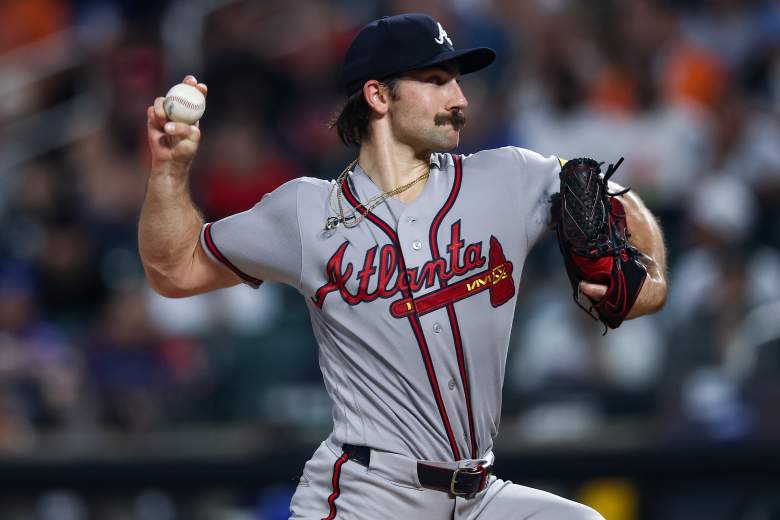
Behind the scenes, general manager Alex Anthopoulos has been carefully evaluating the team’s trajectory. While he has avoided making overly bold promises, his comments suggest that the front office is prepared to act aggressively if the Braves continue performing at this level.
Anthopoulos made it clear that the organization expects to be involved in trade discussions as the July deadline approaches, particularly if the team remains in a strong competitive position. His remarks reflect a balance between caution and ambition—acknowledging that nothing is guaranteed, but also recognizing that opportunities to improve a contender must be taken seriously.
MORE: Cardinals make perfect trade offer for Cubs’ utility star
In essence, the Braves are positioning themselves as potential buyers at the trade deadline. Teams in their situation—leading their division and boasting one of the best records in the league—often look to strengthen weaknesses and add impact players for the stretch run. Anthopoulos’ comments indicate that Atlanta is no different. If they continue winning at their current pace, it would be surprising if they were not actively exploring ways to upgrade the roster.
However, the urgency surrounding potential moves has intensified following troubling news involving one of the team’s most important pitchers. Right-hander Spencer Strider has been placed on the injured list once again, dealing with inflammation in his throwing elbow. The development comes shortly after he exited a start against the Mets, where he struggled and experienced a noticeable drop in velocity.
This injury is particularly concerning given Strider’s recent history. Over the past couple of seasons, he has battled multiple physical setbacks, including prior elbow issues and other ailments that have limited his availability and effectiveness.
While he has shown flashes of his previous dominance, consistency has been difficult to maintain. In his latest outing before landing on the injured list, he surrendered several runs and was unable to complete four innings, further highlighting the challenges he has faced this year.
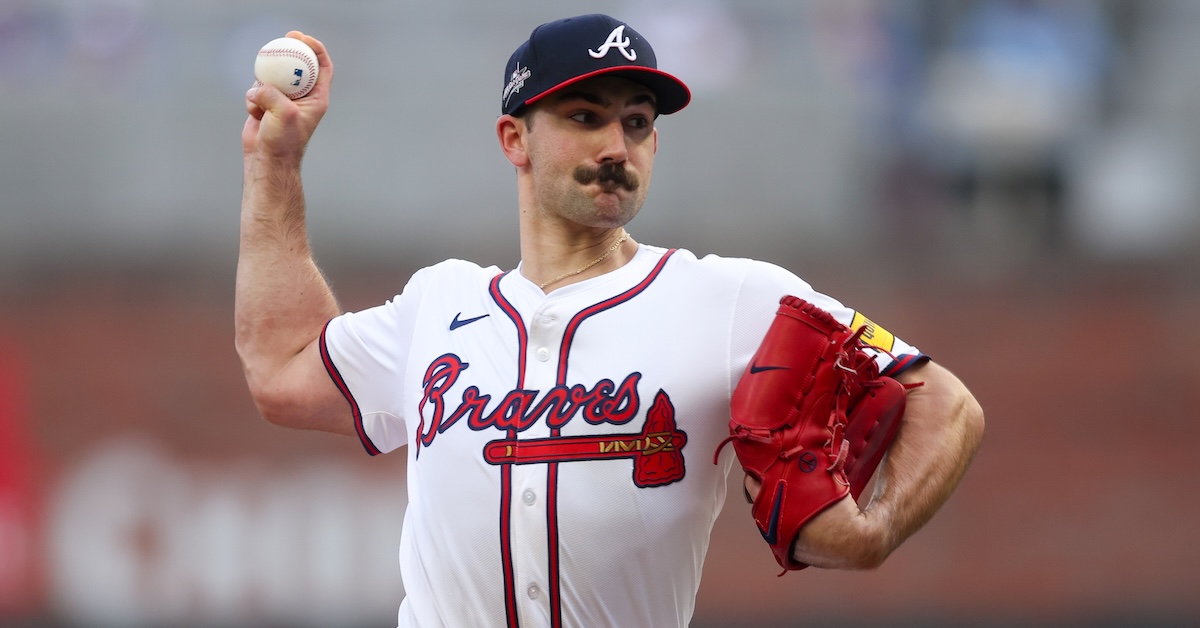
The loss of Strider represents a significant blow to Atlanta’s starting rotation. At his best, he is one of the most electric pitchers in baseball, capable of overpowering hitters with elite velocity and strikeout ability. Without him, the Braves lose not only a frontline starter but also a key piece of their postseason aspirations. While the team has other capable arms, replacing a pitcher of Strider’s caliber is no simple task.
To fill the immediate void, Atlanta has turned to internal options, including promoting right-hander Anthony Molina from Triple-A. However, relying solely on in-house solutions may not be enough if Strider’s absence extends beyond the short term. This reality has intensified speculation that the Braves could pursue external help, particularly in the starting pitching market.
MORE: Braves-Twins Trade Lands All-Star Pitcher After Spencer Strider Decision
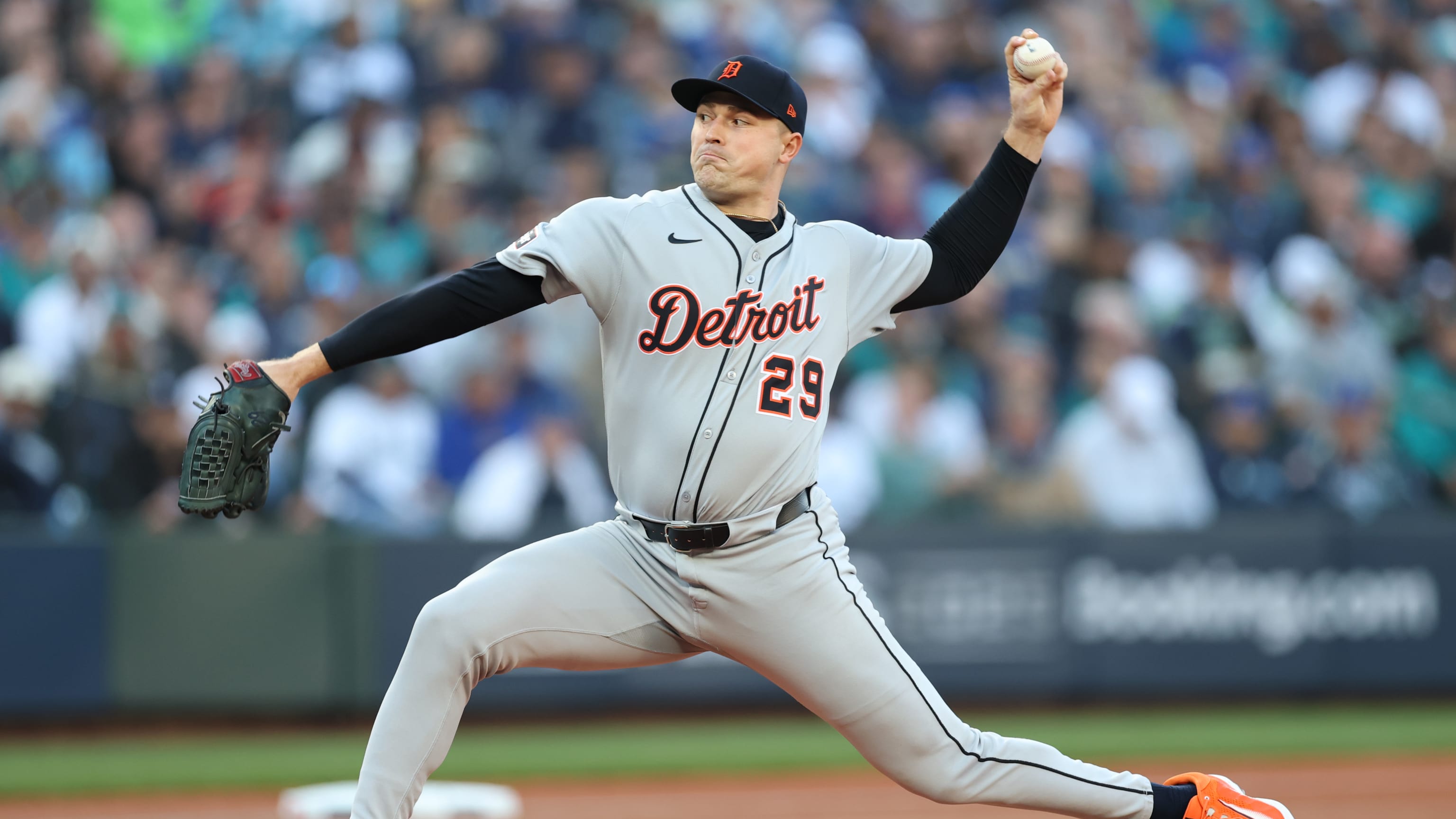
One name that has emerged as a potential target is Tarik Skubal of the Detroit Tigers. According to analyst Thomas Carelli, a trade package centered around several of Atlanta’s top prospects could make such a deal possible. In this hypothetical scenario, the Braves would acquire Skubal in exchange for a group of highly regarded young players, including Cam Caminiti, JR Ritchie, Nacho Alvarez Jr., Luis Guanipa, and Hurston Waldrep.
The proposed trade underscores both the opportunity and the cost associated with acquiring a pitcher of Skubal’s caliber. On one hand, he would immediately elevate Atlanta’s rotation, potentially transforming it from very good to truly elite. On the other hand, the Braves would have to part with significant future assets, including players who could contribute at the major league level in the coming years.
Skubal’s appeal lies in his ability to perform at a high level against top competition. He has demonstrated the kind of consistency and dominance that teams covet in a frontline starter, particularly during the postseason. For a Braves team that already boasts a strong roster, adding a pitcher like Skubal could provide the final piece needed to solidify their championship aspirations.
It is also worth noting that Atlanta’s current rotation, while talented, has been stretched thin by injuries and inconsistency. Adding Skubal would not only compensate for Strider’s absence but also provide additional stability and depth. In high-stakes situations, having multiple reliable starters can make a significant difference, and the Braves would benefit greatly from such reinforcement.
Another factor to consider is the team’s overall performance this season. Atlanta has compiled one of the best records in Major League Baseball, positioning themselves ahead of other contenders such as the Los Angeles Dodgers. Their success has been driven by a combination of strong pitching, timely hitting, and effective management. With nearly twice as many wins as losses, the Braves have established themselves as a legitimate World Series contender.
Given this context, the idea of making a bold move at the trade deadline becomes even more compelling. Teams with championship aspirations often face a critical decision: whether to preserve their future assets or invest heavily in the present. For the Braves, the current roster appears capable of making a deep postseason run, which may justify a more aggressive approach.
MORE: Atlanta Braves Officially Announce the Signing Of Intriguing Right-Handed Hitter
Financial considerations also play a role in this equation. Acquiring Skubal would require Atlanta to take on the remainder of his contract, valued at $32 million. While this is a significant commitment, it is one that the Braves could manage, particularly if they believe it will enhance their chances of winning a title. In many cases, teams are willing to absorb such costs when the potential reward is a championship.
If the Braves were to complete a deal for Skubal, the impact on their rotation would be substantial. Pairing him with veteran left-hander Chris Sale would give Atlanta two of the most formidable pitchers in the game. This combination would not only strengthen the team’s starting rotation but also create a formidable one-two punch capable of dominating opposing lineups.
Such a move would represent a departure from Atlanta’s typical approach. Historically, the Braves have been cautious when it comes to blockbuster trades, often prioritizing long-term sustainability over short-term gains.
However, the current circumstances may warrant a different strategy. With a strong roster, a favorable position in the standings, and a clear opportunity to contend for a championship, the Braves may be more inclined to take risks.

Ultimately, the situation facing Atlanta is both challenging and promising. On one hand, injuries—particularly to key players like Spencer Strider—have created uncertainty and exposed potential weaknesses. On the other hand, the team’s success thus far has demonstrated its resilience and potential. The Braves have proven that they can compete at the highest level, even in the face of adversity.
As the trade deadline approaches, all eyes will be on Anthopoulos and the front office. Their decisions in the coming weeks could shape the trajectory of the season and determine whether Atlanta can capitalize on its current opportunity. Whether they pursue a high-profile acquisition like Skubal or opt for more modest additions, the goal will remain the same: to position the Braves for a deep postseason run and, ultimately, a championship.
In the end, the Braves find themselves at a pivotal moment. They have the talent, the record, and the organizational support needed to contend for a title. The question now is how aggressively they will act to strengthen their roster. With the trade deadline looming and the stakes continuing to rise, Atlanta appears ready to make the kind of moves that could define their season—and perhaps their legacy.

Be the first to comment