
The New York Mets enter the 2026 season in a position that many franchises envy but few manage well: they have accumulated more young, major-league-capable talent than there are everyday roles available.
After an assertive and carefully calculated offseason, the Mets’ roster is deeper, more versatile, and more competitive than it has been at any point in recent memory. That organizational depth, while valuable on its own, also presents an opportunity.
Rather than allowing talent to stagnate on the bench, the Mets could leverage their surplus to strengthen another area of need—specifically the outfield—by exploring a trade with the Boston Red Sox for All-Star outfielder Jarren Duran.

A Good Problem, But a Real One
Depth is a luxury in baseball, but it can also become a complication if not managed properly. The Mets’ roster construction reflects a front office focused on sustainability as well as immediate contention.
Veteran additions have solidified key roles, while a wave of young players continues to push for opportunities. The challenge now lies in finding enough consistent playing time to properly develop and evaluate that talent without compromising the team’s goal of winning now.
Nowhere is this dilemma more evident than in the Mets’ infield. Two of the organization’s most recognizable young hitters—Brett Baty and Mark Vientos—find themselves in uncertain positions heading into 2026. Both players have shown flashes of being productive everyday contributors at the major league level. However, roster congestion and competition from established veterans make it increasingly difficult for either to lock down a guaranteed role in New York.
For a team firmly in win-now mode, that uncertainty is less than ideal. Young players need consistent at-bats to refine their skills, build confidence, and maintain trade value. If Baty or Vientos spends large portions of the season in a bench role or bouncing between positions, the Mets risk not only slowing their development but also diminishing their long-term value as assets.
Evaluating the Infield Surplus
Baty remains one of the more intriguing young players in the organization. His offensive upside is undeniable, and there are still evaluators who believe he can develop into a reliable everyday third baseman. That said, defensive inconsistency has followed him throughout his professional career, and the Mets’ current roster construction does him few favors. With established options occupying premium infield spots, Baty’s path to regular playing time is far from clear.
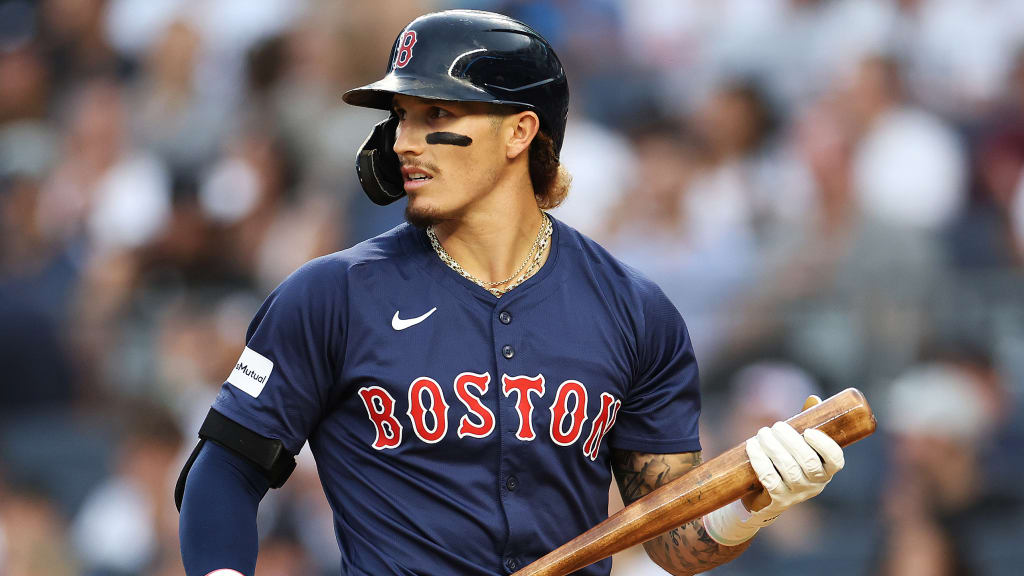
Vientos, on the other hand, brings a different profile. His calling card is power. Over time, he has improved his plate discipline and shown a better understanding of how pitchers attack him. Offensively, he has the tools to be a real run producer in the middle of a lineup. Defensively, however, his limitations restrict him to first base, third base, or designated hitter—three positions that are already crowded on the Mets’ depth chart.
If either player enters 2026 without a clearly defined role, the consequences could be significant. Limited playing time makes it difficult to evaluate progress, and it can stall momentum for players who thrive on rhythm and repetition. From an organizational standpoint, allowing that to happen would be an inefficient use of resources.
Turning Surplus Into Strength
Rather than viewing this situation as a problem, the Mets have the chance to treat it as an opportunity. By packaging one of their excess infield bats in a trade, they could address a more pressing need elsewhere on the roster. The outfield, while solid, still lacks the kind of dynamic, all-around presence that can change games on both sides of the ball.
This is where Jarren Duran enters the conversation.
Duran checks nearly every box the Mets could want in a potential acquisition. He is still young, firmly in his prime, and already has an All-Star appearance on his résumé. His athleticism stands out immediately, whether he is tracking balls in the outfield, stealing bases, or turning singles into doubles with aggressive baserunning.
Defensively, Duran offers versatility that would fit seamlessly into the Mets’ lineup. He can handle center field at a high level and is more than capable of playing either corner spot. That flexibility would allow the Mets to optimize their defensive alignment on a nightly basis while also providing insurance against injuries.
Offensive Fit and Long-Term Value
At the plate, Duran brings a skill set that plays especially well in Citi Field. His left-handed swing, line-drive approach, and willingness to use the entire field make him a natural fit for the park’s dimensions. He consistently puts the ball in play, reaches base at a strong clip, and applies constant pressure on opposing defenses with his speed.

Unlike a short-term rental, Duran is under team control for multiple seasons. That distinction matters. Acquiring him would not just be about pushing for a championship in 2026—it would be about adding a core piece who can contribute at a high level for years to come. For a franchise focused on sustained success, that kind of player is invaluable.
Boston’s Perspective
From the Red Sox’s standpoint, any decision to move Duran would require a significant return. He is not a player they would shop casually. To justify such a trade, Boston would need young, controllable talent that fits both their present needs and long-term vision.
That is precisely where the Mets become an ideal trade partner.
A realistic framework for a deal could involve either Baty or Vientos headlining the position-player portion of the package, paired with a high-upside pitching prospect such as Brandon Sproat. Sproat is nearing major-league readiness and offers the type of velocity and swing-and-miss stuff that organizations covet. For a Red Sox team aiming to build sustainable pitching depth, that kind of arm would be extremely attractive.
To balance the deal, the Mets could include an additional lower-level pitching prospect, giving Boston more developmental upside and helping to align value on both sides.
Where the Line Gets Drawn
Naturally, Boston may attempt to push for more. One name that could surface in negotiations is Mets left-handed starter David Peterson. With only one year of team control remaining, Peterson would represent an affordable and proven rotation option for the Red Sox.
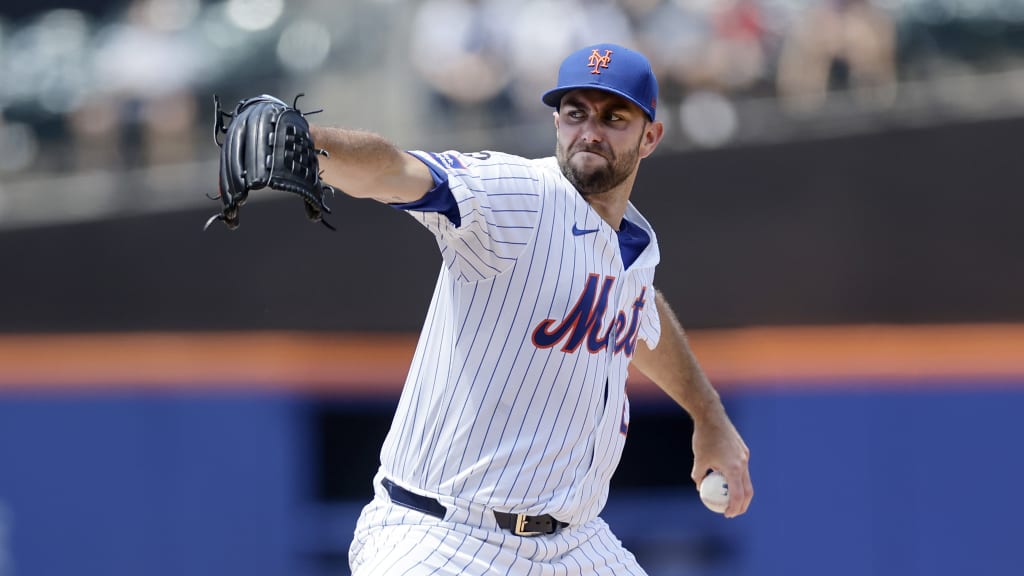
This is likely where the Mets would need to be firm.
Even with a strong starting rotation on paper, pitching depth remains one of the most valuable commodities in baseball. Over a 162-game season, injuries and fatigue are inevitable. Teams that enter the year with excess pitching often find themselves grateful for it by midseason. Those that trade away depth too aggressively frequently regret it.
From the Mets’ perspective, upgrading the lineup should not come at the expense of rotation stability. Trading Peterson could expose the team to unnecessary risk, particularly when their championship aspirations depend on consistent pitching performance.
Leverage and Discipline
The Mets hold meaningful leverage in these discussions. They are not obligated to trade both Baty and Vientos. They are not required to include Peterson. And they are certainly not forced to make a deal unless it clearly improves the roster in both the short and long term.
That discipline is crucial. The best trades are not the ones that simply generate headlines; they are the ones that maximize value without creating new weaknesses. If the Mets can acquire Duran by dealing from their surplus of position players and prospects—while keeping their rotation intact—it would represent a calculated and aggressive move that aligns perfectly with their competitive window.
A Move That Makes Sense for Both Sides
A Mets–Red Sox trade centered around one of the young infielders and Brandon Sproat for Jarren Duran is logical from both perspectives. Boston would receive controllable talent to help reshape their roster, while New York would add a true everyday impact player who improves defense, adds speed, and deepens the lineup.
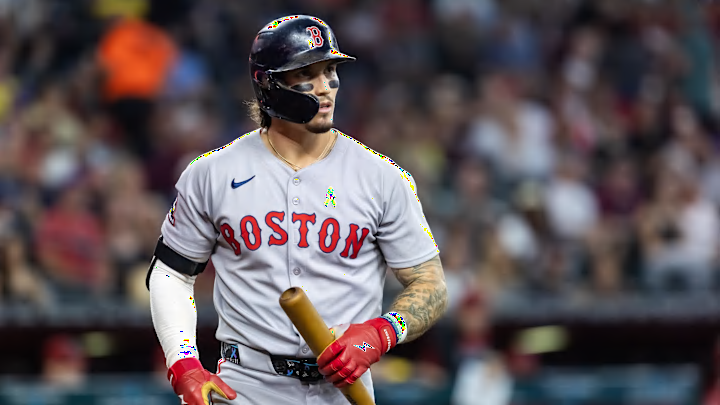
For the Mets, the benefits extend beyond raw production. Duran’s presence would enhance roster flexibility, improve run prevention, and create more scoring opportunities through aggressive baserunning. These are the types of marginal gains that often separate good teams from great ones.
From Contender to Favorite
If the Mets can pull off such a deal without compromising their pitching depth, it could be the move that elevates them from contender to legitimate favorite in 2026. Championships are rarely won on star power alone; they are built on balance, depth, and smart roster management.
By converting excess talent into a player who directly addresses a need, the Mets would be doing exactly that—maximizing their resources and positioning themselves for a deep postseason run.
In a season where the margins will be thin and expectations will be high, a trade for Jarren Duran could prove to be the defining moment of the Mets’ 2026 campaign.


Be the first to comment