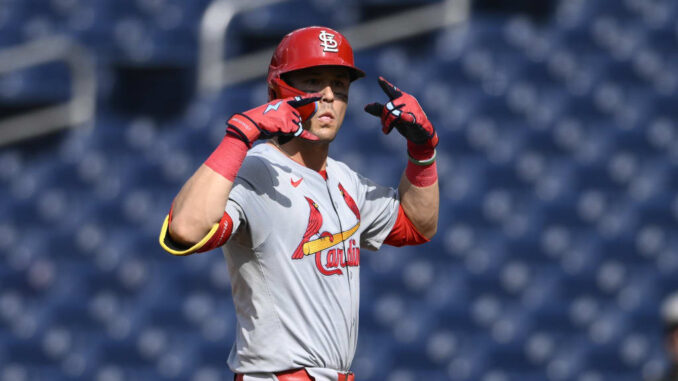
As the season continues to unfold, discussion surrounding the St. Louis Cardinals is only going to intensify. Over the coming months, speculation will likely ramp up regarding potential roster decisions specifically, which players the organization might consider moving in trades and which external pieces they could look to bring in to strengthen the club.
This type of midseason evaluation is nothing new in Major League Baseball, but given the Cardinals’ current position, the conversation carries a slightly different tone than it might for a struggling team.
In an ideal scenario, St. Louis would simply catch fire, string together an extended run of victories, and ride that momentum all the way through October en route to a World Series title without needing to make any significant roster changes. That outcome, while certainly appealing, is rarely how a long MLB season plays out.
More often than not, even competitive teams find themselves making calculated adjustments along the way tweaks designed not to overhaul the roster, but to reinforce strengths or address minor weaknesses before they become more serious concerns.
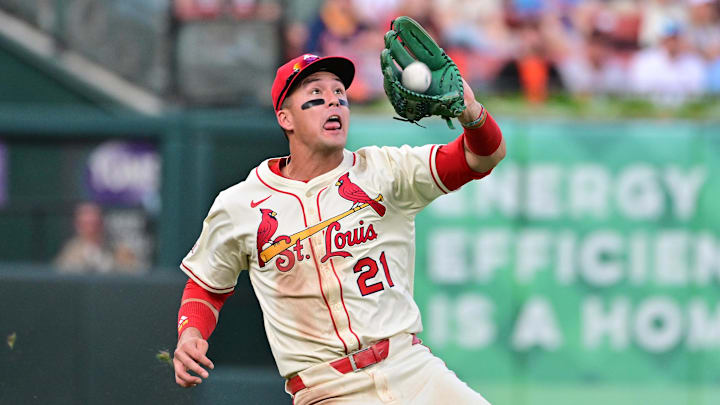
At present, the Cardinals are in a relatively comfortable position with a 24-17 record. That mark reflects a team that is not only competitive but also capable of holding its own against strong opponents. Because of this, there is no pressing need for drastic or reactionary moves.
In fact, the old adage “if it isn’t broken, don’t fix it” seems especially applicable here. St. Louis has been playing solid, well-rounded baseball, and the roster as currently constructed has proven to be effective.
MORE: Braves Top Landing Spot for Giants Versatile All-Star Slugger
One of the most encouraging aspects of this Cardinals team is the balance it has shown. Contributions have come from all areas of the roster rather than relying heavily on just a few standout performers. This kind of depth is often what separates good teams from great ones, particularly over the grind of a 162-game season.
Whether it’s timely hitting, reliable pitching, or defensive consistency, the Cardinals have demonstrated an ability to get the job done in a variety of ways. That versatility reduces the urgency to make bold moves, allowing the front office to be more patient and strategic in its decision-making.
Still, even teams that are performing well can benefit from reinforcements, and the Cardinals may soon receive an internal boost. Outfielder Lars Nootbaar is on the verge of returning, provided there are no setbacks in his recovery process. His impending comeback has the potential to function almost like a midseason acquisition, giving the lineup an added spark without requiring the team to part with any assets in a trade.
Nootbaar’s situation has been somewhat complicated. During the offseason, his name surfaced in trade discussions, suggesting that the organization was at least open to exploring the possibility of moving him under the right circumstances.
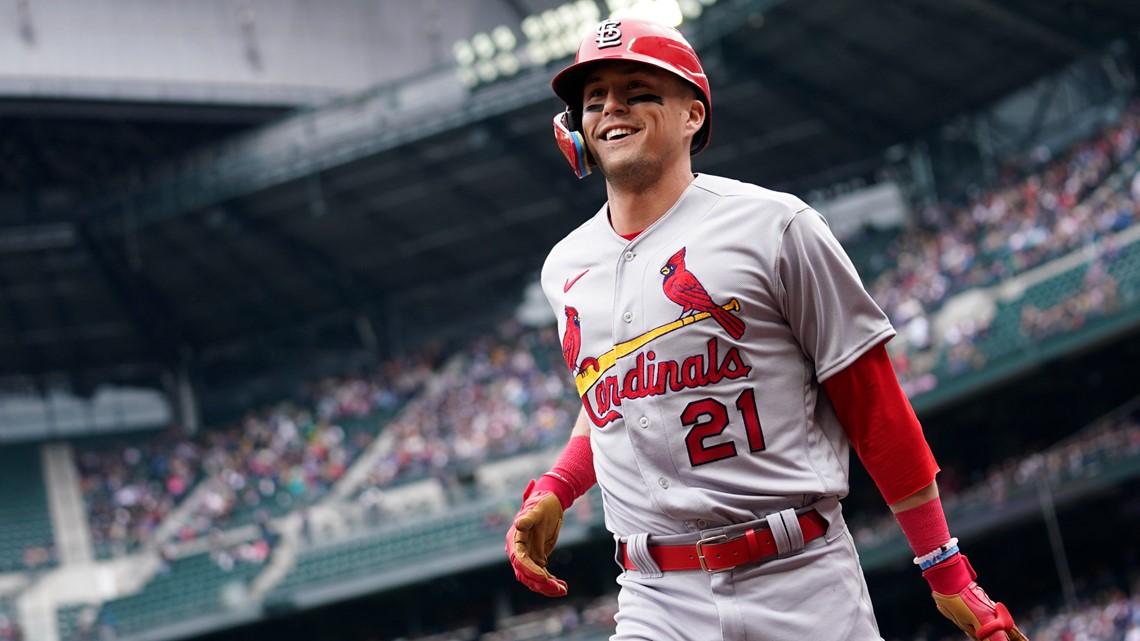
However, his value on the trade market took a hit after he underwent surgery on both heels. Injuries especially ones requiring surgical intervention tend to create uncertainty for potential suitors, and that uncertainty can significantly diminish a player’s perceived worth in negotiations.
Now, though, Nootbaar appears to be trending in the right direction. Reports indicate that he is expected to begin a minor league rehab assignment as soon as this weekend.
MORE: Cardinals Officially Release Top Pitcher
This step is a critical part of the recovery process, allowing him to gradually work his way back into game shape while facing live competition. It also gives the Cardinals’ coaching staff and medical team an opportunity to evaluate his readiness before making a final decision about activating him.
Once Nootbaar officially begins his rehab assignment, the clock starts ticking. Under league rules, the Cardinals will have a 20-day window to determine their next move. Within that timeframe, they must either add him back to the major league roster or option him to the minors.
It’s important to note, however, that the team is not obligated to use the full 20 days. If Nootbaar demonstrates that he is fully healthy and capable of contributing at a high level, the Cardinals could choose to bring him back much sooner.

His return could have a ripple effect on the roster. Adding a player of Nootbaar’s caliber naturally creates competition for playing time, particularly in the outfield. While that might lead to some difficult decisions regarding lineup construction or roster spots, it’s ultimately a positive problem to have. Depth and internal competition are hallmarks of successful teams, and the Cardinals would welcome the added flexibility.
All of this underscores the broader point: while trade speculation will continue to swirl, the Cardinals are not in a position where they need to make sweeping changes. Their current success affords them the luxury of patience. Rather than feeling pressured to act, they can evaluate opportunities as they arise and make moves only if they genuinely improve the team.
As the trade deadline approaches, the front office will undoubtedly explore various scenarios. They may consider dealing from areas of surplus to address specific needs, or they might simply stand pat if the roster continues to perform at a high level. Either way, the decision-making process will be guided by the team’s current standing, its long-term goals, and the health and performance of key players like Nootbaar.
For now, the focus remains on maintaining the level of play that has carried them to a strong start. If the Cardinals can continue to receive consistent contributions across the board and successfully reintegrate injured players into the lineup, they may find that the best “addition” is the one already within their organization.
The Cardinals Should Look To Make A Move
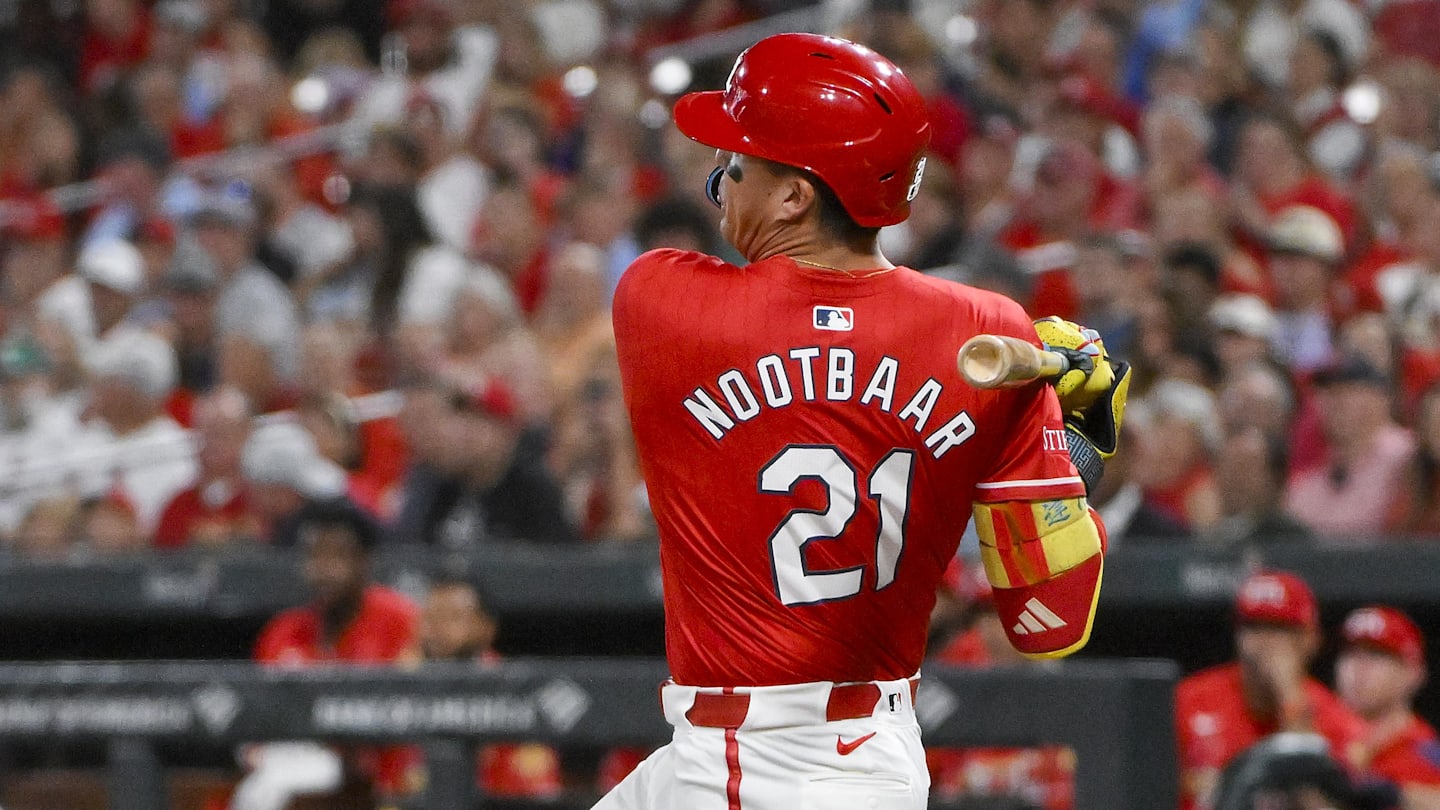
It will certainly be a welcome boost for the St. Louis Cardinals when Lars Nootbaar makes his return to the lineup, but even with that positive development, there’s a strong argument to be made that he should remain firmly on the team’s list of potential trade candidates and perhaps one they should seriously explore sooner rather than later.
His impending return creates an interesting situation for the organization, one that forces the front office to weigh short-term contributions against long-term roster construction and player development priorities.
MORE: Angels finally to part ways with veteran outfielder to help both parties involved
If Nootbaar performs well during his minor league rehab assignment and carries that momentum into the major leagues with a strong start upon activation, his value on the trade market could rise significantly.
That scenario would present the Cardinals with an opportunity to capitalize on his production at a time when his stock is trending upward. Rather than simply reinserting him into the everyday lineup without hesitation, the team could take a proactive approach by gauging interest from other clubs.
Around the league, there are always teams in need of reliable outfield help, whether due to injuries, underperformance, or a push to strengthen their roster for a postseason run. Nootbaar, with his blend of offensive upside, defensive capability, and energy, could attract meaningful attention.
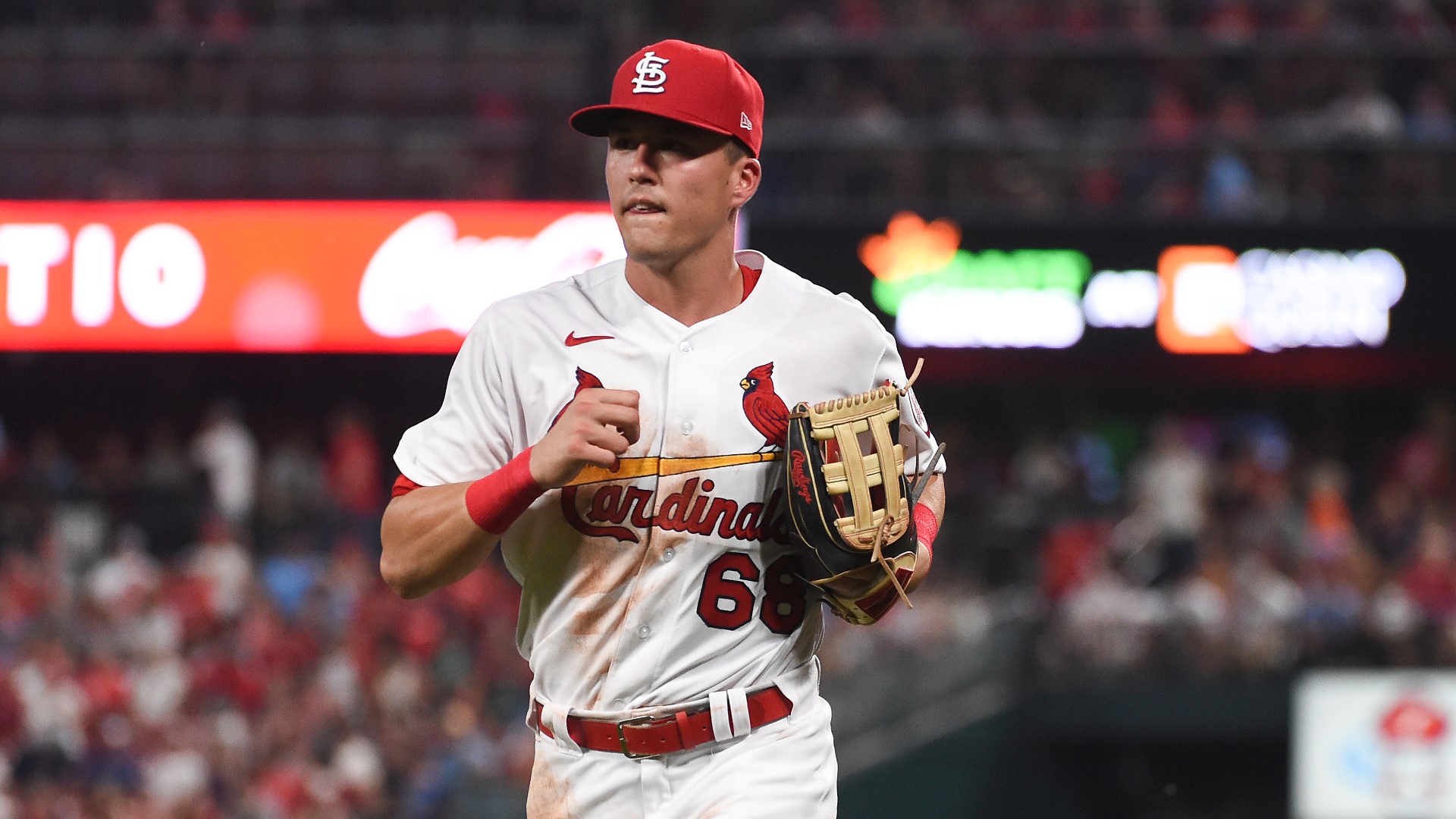
At the same time, the Cardinals find themselves in a relatively comfortable position when it comes to their outfield depth. The emergence of younger players has created both optimism and, somewhat paradoxically, a roster crunch. Jordan Walker has already established himself as a cornerstone talent and continues to look every bit like a future star.
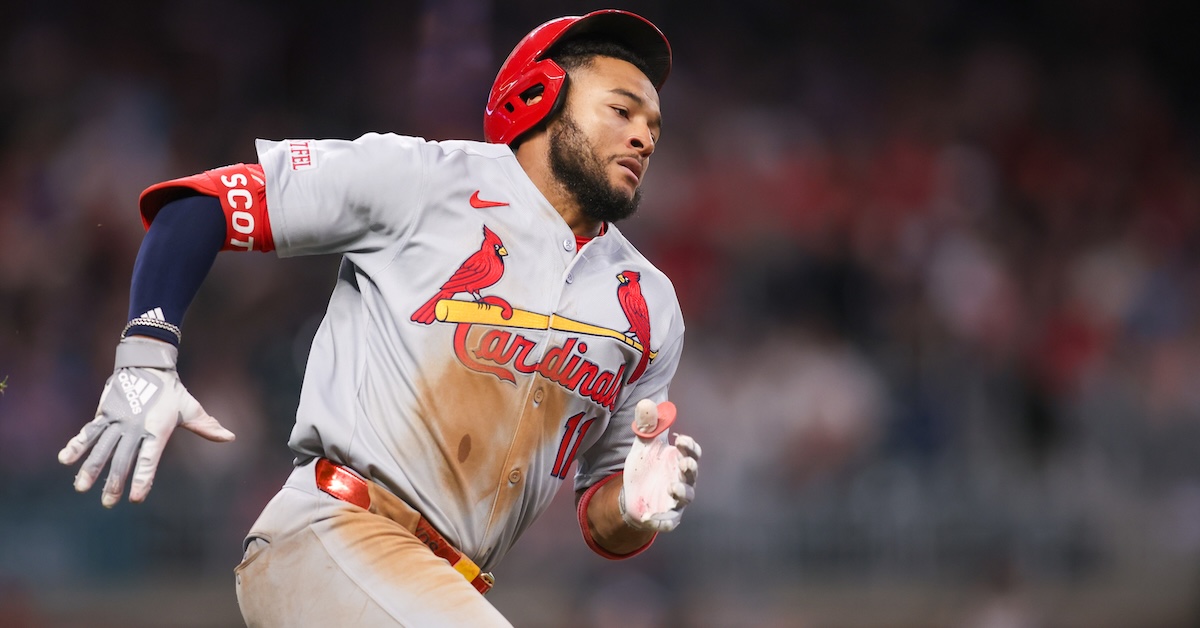
Nathan Church, after a slow start to the season, has begun to find his rhythm and is showing signs of becoming a reliable contributor. Meanwhile, Victor Scott II has dazzled with his defensive prowess, bringing speed and range that make him a game-changer in the field. Although Scott’s offensive game is still developing, his potential is undeniable, and the organization clearly has an interest in giving him consistent opportunities to grow.
MORE: Braves Officially Make Crucial Roster Move, Land Veteran Catcher To Provide Depth
This is where the dilemma becomes apparent. If Nootbaar returns and is immediately slotted into regular playing time, it inevitably comes at the expense of others. There are only so many at-bats and innings to distribute, and trying to divide them evenly among multiple outfielders can hinder the development of younger players who need steady, everyday reps.
Church and Scott, in particular, are at stages in their careers where consistent playing time is crucial. Sporadic appearances or reduced roles could slow their progress, making it harder for the Cardinals to fully evaluate what they have in these players over the course of the season.
In that context, the Cardinals may need to make a difficult but pragmatic decision. If the organization believes that Nootbaar is not a central piece of its long-term plans, then it would make sense to prioritize the development of players who could be.

Church and Scott fit that description, and so does Joshua Báez, the team’s No. 3 prospect, who is rapidly approaching major league readiness. Báez’s presence adds another layer to the equation, as his eventual promotion will only intensify the competition for outfield spots.
Given all of these factors, exploring a trade involving Nootbaar becomes a logical course of action. The goal for the Cardinals this season is not solely about maximizing wins in the present but also about building a sustainable foundation for the future.
Acquiring additional assets whether in the form of promising prospects or a controllable major league reliever could help address other areas of need while also clearing a path for younger outfielders to gain valuable experience.
MORE: Mariners Officially Lose Outfielder To AL West Rival
It’s important to emphasize that this isn’t a reflection of Nootbaar’s abilities or value as a player. On the contrary, his skill set and potential contributions make him an attractive piece, both for the Cardinals and for potential trade partners.
However, roster construction often requires difficult choices, and teams must consider how each player fits into the broader picture. In this case, the Cardinals appear to have reached a point where their outfield depth is both a strength and a challenge.
Timing also plays a critical role in this situation. Waiting too long to explore trade possibilities could diminish Nootbaar’s value, particularly if he struggles upon returning or if the market becomes saturated with similar players.

Acting earlier well before the August 3 trade deadline would allow the Cardinals to engage in discussions from a position of strength. With more time to negotiate and evaluate offers, the front office could potentially secure a more favorable return.
Additionally, making a move sooner rather than later would provide clarity for the rest of the roster. Establishing defined roles for players like Church and Scott would enable them to settle into consistent routines, which can be beneficial for both performance and development. It would also allow the organization to plan more effectively for Báez’s eventual arrival, ensuring that there is a clear pathway for him to contribute at the major league level.
MORE: Angels Officially Land Lefty Reliever To Give The Halos More Depth Option For Their Bullpen
In many ways, this situation highlights the balancing act that teams must perform between competing in the present and preparing for the future.
The Cardinals have found a combination of players that is currently working, and disrupting that chemistry is not a decision to be taken lightly. However, standing pat also carries its own risks, particularly if it leads to missed opportunities to improve the roster or to develop key pieces for the years ahead.
Ultimately, the Cardinals’ front office will need to carefully evaluate all of these variables. Nootbaar’s return is undoubtedly a positive development, but it also serves as a catalyst for important decisions. By considering the team’s depth, the needs of other clubs, and the long-term trajectory of the organization, the Cardinals can determine whether moving Nootbaar is the right course of action.
If a team expresses interest and is willing to offer a compelling package be it young talent with upside or a proven reliever under team control it would be wise for the Cardinals to at least engage in serious discussions. Even if a deal is not ultimately completed, exploring the market can provide valuable insights into how other teams view Nootbaar and what they might be willing to give up in return.
In conclusion, while Nootbaar’s return will undoubtedly strengthen the Cardinals in the short term, it also presents an opportunity for the organization to think strategically about its future. With a crowded outfield, emerging young talent, and a clear emphasis on development, the idea of trading Nootbaar particularly if his value is high becomes increasingly compelling.
By acting decisively and thoughtfully, the Cardinals can position themselves for sustained success, ensuring that they not only remain competitive this season but also build a roster capable of contending for years to come.

Be the first to comment