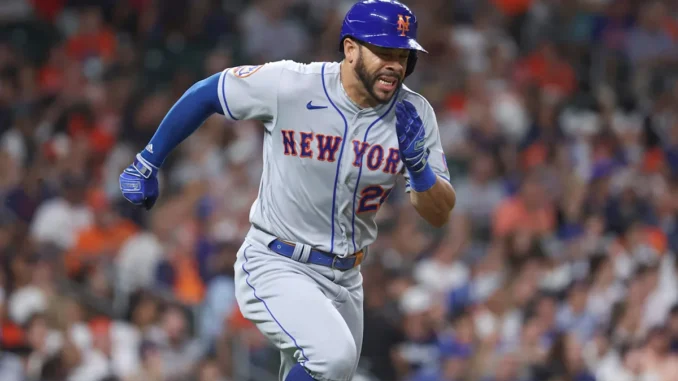
The New York Mets have decided to make a roster move by signing former New York Yankees outfielder to a major league contract. The development was first reported by Will Sammon of The Athletic earlier in the day, coming on the heels of a disappointing series in which the Mets were swept by the Colorado Rockies.
This move comes as part of a broader reshuffling of the Mets’ roster. In a corresponding decision, the team designated right-handed hitter Tommy Pham for assignment, signaling a shift in approach as they look to address ongoing struggles. By bringing in Slater, the organization appears to be targeting a specific need adding a player known for his ability to hit effectively against left-handed pitching.
Although Slater’s recent performance hasn’t been particularly strong, the Mets are clearly searching for any possible boost to their lineup. The team has gotten off to a rough start this season, posting a 9–18 record that places them among the worst-performing clubs in the league. Even compared to the struggling Rockies, the Mets have found it difficult to generate consistent success.
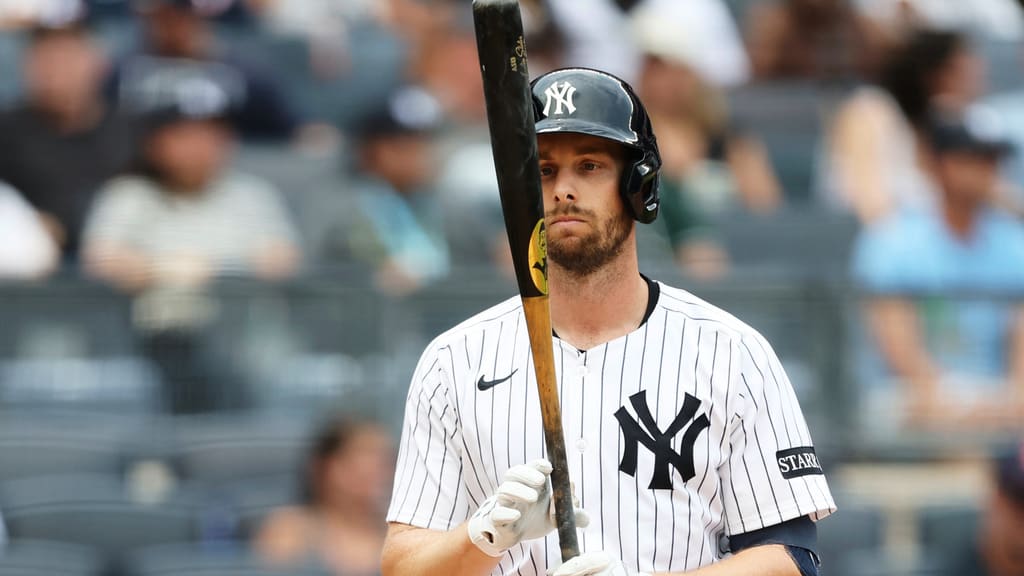
Given their current situation, the front office seems willing to explore any option that could provide a spark, even if it means taking a chance on a player who has yet to rediscover his best form.
Austin Slater Needs to Provide Some Thump for These Dreary Mets
Austin Slater, now 33 years old, is a product of Stanford University who originally entered professional baseball after being selected by San Francisco in the eighth round of the 2014 MLB Draft. Over the course of his career, he carved out a role for himself as a useful and versatile outfielder, particularly valued for his ability to contribute in specific matchups. However, his journey has not been without its ups and downs. Most recently, Slater briefly joined the Miami Marlins earlier this season, but his stint there proved to be short-lived.

After struggling significantly at the plate, he was ultimately released by the club. In a limited sample size of just 23 at-bats, he managed to post a disappointing .174 batting average, which translated to an OPS+ of just 33 meaning his offensive production was 67 percent below the league average. Those numbers underscore just how difficult his early-season performance was.
Despite that rough start, the New York Mets are taking a chance on Slater, hoping that a change of scenery might allow him to rediscover the form he displayed during his more productive years with the San Francisco Giants. Between 2019 and 2022, Slater established himself as a dependable contributor, particularly in a platoon role.
MORE: Cardinals Make Crucial Roster Move
During that stretch, he demonstrated the ability to be a consistent and effective bat when used strategically, especially against left-handed pitching. The Mets are clearly banking on the possibility that he can return to that level of performance and provide a spark to a team that has struggled offensively.
One of the defining aspects of Slater’s career has been his pronounced platoon splits. He has historically excelled when facing left-handed pitchers, while encountering far more difficulty against right-handers. Over the years, right-handed pitching has largely neutralized him, holding him to a modest .642 OPS, which is well below what teams typically look for from a corner outfielder or bench bat.
On the other hand, Slater has shown a markedly different profile when matched up against left-handed pitching. In more than 700 career at-bats against southpaws, he has produced a much stronger .777 OPS. That significant gap in performance highlights his value as a specialized hitter who can be deployed in favorable situations.

Given those splits, it will be important for Mets manager Carlos Mendoza to use Slater in a way that maximizes his strengths while minimizing his weaknesses. Rather than relying on him as an everyday player, the Mets are likely to deploy him in a more targeted role, particularly as a right-handed bat off the bench who can come in to face left-handed pitchers late in games. If used correctly, Slater has the potential to provide meaningful contributions, even if his overall numbers might not stand out over a full season.
The Mets’ decision to bring in Slater comes as part of a roster adjustment in which they effectively swapped him in for Tommy Pham. This one-for-one change signals a shift in approach, as the team looks to address its offensive shortcomings with a player who offers a different skill set.
MORE: Braves Temporarily Reshuffle Their Rotation Depth
While Pham brought his own strengths and experience, the Mets appear to be prioritizing matchup-based production, particularly against left-handed pitching, where Slater has historically excelled.
Slater’s expected role with the team will primarily be as a bench option who can deliver in key situations. His ability to handle left-handed pitching could make him a valuable late-inning weapon, especially in close games where a single hit can make a difference. Additionally, his experience and familiarity with a platoon system could help him adjust more quickly to the role the Mets have in mind for him.
For a team that has gotten off to a poor start offensively, the move reflects a growing sense of urgency. The Mets are no longer content to rely solely on internal options or hope for struggling players to turn things around. Instead, they are actively seeking external solutions that can provide immediate help, even if those solutions come with some level of risk. In Slater’s case, the risk lies in whether he can bounce back from his recent struggles and rediscover the form that once made him a reliable contributor.

Ultimately, the success of this move will depend on several factors, including how effectively Slater is utilized, whether he can regain his confidence at the plate, and how well he adapts to his new environment in New York. If everything falls into place, he could become a useful piece for the Mets, particularly in situations that play to his strengths. However, if his struggles continue, the team may find itself searching once again for answers to its offensive challenges.
In the meantime, the Mets are clearly hoping that a fresh opportunity and a more defined role will allow Slater to turn things around. By focusing on what he does best—hitting left-handed pitching—they believe he can still provide value and help stabilize a lineup that has been searching for consistency.
The Mets’ Offense is Broken
New York’s offensive struggles have been glaring through the early part of the 2026 season. As a team, the Mets have failed to generate consistent production at the plate, ranking near the bottom of the league in several key categories.
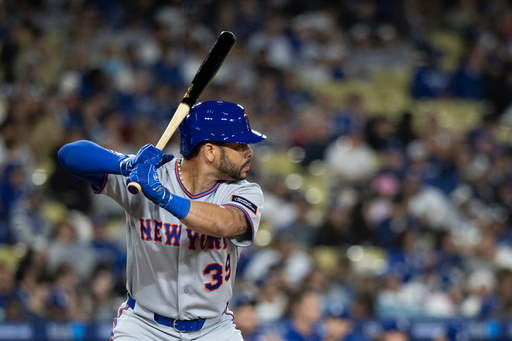
Their collective batting average sits at 27th, while their home run total places them 26th overall. Those numbers paint a clear picture of an offense that has not only struggled to make contact, but also lacks the power needed to compensate for it. When a lineup is unable to consistently get on base or drive the ball with authority, it places immense pressure on other areas of the team to pick up the slack.
In situations like this, strong pitching can sometimes serve as a stabilizing force. However, while the Mets’ pitching staff has performed better than their hitters, it hasn’t been dominant enough to fully offset the offensive deficiencies. The team’s ERA falls somewhere in the middle of the league rankings, suggesting that while they are not getting consistently shelled, they also aren’t shutting opponents down at an elite level.
MORE: Angels Officially Face With Major Injury Concern
One bright spot has been their ability to generate strikeouts, as they currently rank seventh in baseball in that category. This indicates that the pitching staff does possess some swing-and-miss capability, which can be a valuable asset in tight games.
Even so, when taking a deeper look at the overall performance of the team, the reasons behind their prolonged losing streak become much clearer. Baseball success often requires a balance between pitching and hitting, and the Mets simply have not found that equilibrium.
Their pitchers may be doing enough to keep games within reach, but without sufficient run support, even solid outings on the mound can go to waste. Meanwhile, the offense’s inability to string together hits or produce timely power has made it difficult to capitalize on scoring opportunities.

Ultimately, the combination of a struggling lineup and a pitching staff that is merely average has created a situation where the team finds itself consistently outmatched. The lack of offensive firepower means that even small deficits can feel insurmountable, while the pitching, though competent, has not been dominant enough to consistently carry the team. When examining the bigger picture, it becomes evident that these intertwined issues are at the heart of the Mets’ disappointing stretch of games.
New York’s Outfield is Missing a Familiar Face
New York’s outfield situation has emerged as one of the most concerning aspects of the team’s early-season struggles. What was once expected to be a serviceable or even quietly productive unit has instead turned into a glaring weakness. Much of that concern centers around rookie Carson Benge, who, like many young players making the jump to the majors, is having difficulty adjusting to the speed, consistency, and overall intensity of big-league competition.

The transition to “The Show” is rarely seamless, and Benge’s early performances reflect just how steep that learning curve can be. His timing at the plate appears inconsistent, and his overall confidence seems to waver as he searches for a rhythm against more advanced pitching.
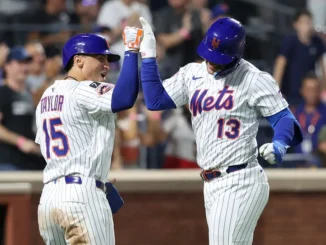
Meanwhile, Tyrone Taylor, who was brought in with hopes of providing stability and perhaps even upside, has not done enough to convince the organization that he can be a dependable long-term answer in the outfield.
While Taylor has shown flashes of competence, those moments have been overshadowed by inconsistency, leaving the Mets in a position where they cannot fully rely on him as a cornerstone piece. For a team with postseason aspirations, having uncertainty in such a critical defensive and offensive position is far from ideal.
MORE: Diamondbacks’ Right-Hander Zac Gallen Left His Start With Right Shoulder Contusion
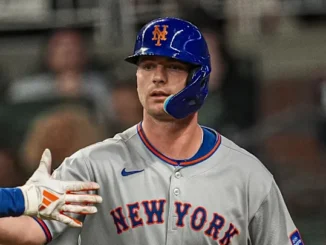
This brings attention to Austin Slater, who now enters the picture as another potential option. While Slater’s recent track record may not inspire overwhelming confidence, his presence signals that the Mets are actively searching for solutions rather than passively accepting their struggles.
Slater will not simply be handed playing time he will need to prove that he can contribute in meaningful ways, whether that’s through timely hitting, solid defense, or simply bringing a spark to a lineup that has lacked consistency. His role, at least initially, will likely depend on matchups and performance, but the opportunity is there if he can capitalize on it.

The urgency behind these moves becomes even more apparent when considering the team’s recent roster decisions, particularly the trade involving longtime outfielder Brandon Nimmo. Nimmo had been a familiar and reliable presence in New York for years, and his departure marked a significant shift in the team’s makeup. What makes the situation more difficult for the Mets is the immediate success Nimmo has found with his new team, the Texas Rangers.
Through his first 109 at-bats, Nimmo has been exceptionally productive, posting an OPS+ of 144, which indicates he has been performing well above league average. His ability to get on base, drive the ball, and provide consistent offensive output has made him a key contributor in Texas, further magnifying the Mets’ current struggles.
MORE: Phillies officially bolster squard depth amid injured bullpen
On the other side of that trade, Marcus Semien who came to New York as part of the deal has yet to find his stride. Expectations were high for Semien to provide leadership and offensive production, but his early performances have been underwhelming.
Whether it’s a matter of adjusting to a new environment or simply a slow start, his lack of production has compounded the team’s issues. When a major trade yields immediate success for one side and early disappointment for the other, it inevitably invites scrutiny, and that is precisely the situation the Mets now face.
All of these factors contribute to a broader sense of urgency surrounding the team. Historically speaking, the odds are heavily stacked against any club that experiences prolonged losing streaks, and the Mets find themselves in particularly dangerous territory.
No team in Major League Baseball history has managed to recover from a 12-game regular-season losing streak to ultimately reach the postseason. That statistic alone underscores the magnitude of the challenge ahead. It’s not just about improving incrementally it’s about making a significant and sustained turnaround in a relatively short period of time.

For the Mets to overcome these daunting circumstances, a shift in mindset will be just as important as any roster move or strategic adjustment. They will need to adopt a relentless, resilient approach a “bulldog mentality,” so to speak where each game is treated as an opportunity to reset and fight back. That kind of mentality requires leadership, accountability, and a willingness to push through adversity without letting frustration or doubt take over.
Additionally, contributions will need to come from all areas of the roster. The outfield must stabilize, whether through internal improvement or external additions. Veterans like Semien will need to elevate their performance to match expectations, while younger players like Benge must find ways to adapt more quickly. Pitching, defense, and situational hitting will all play critical roles in determining whether the team can reverse its fortunes.
MORE: Orioles Hit With Key Injury News “Absolutely Heartbreaking”
Ultimately, if the Mets hope to see their season extend into October, they must find answers—and fast. The margin for error has already shrunk considerably, and every game moving forward carries heightened importance.
While the road ahead is undeniably difficult, baseball has always been a sport where momentum can shift quickly. If the Mets can string together a series of strong performances and rediscover their identity, there is still a path forward. However, it will require determination, cohesion, and a level of execution that has so far eluded them in the early part of the season.

Be the first to comment