The 2026 season has unfolded in an unexpected way for the St. Louis Cardinals, who have managed to outperform preseason expectations and stay competitive despite entering the year with what many believed was a rebuilding roster. Rather than bottoming out, St. Louis has quietly pieced together a solid campaign, hovering well above .500 and remaining firmly in the postseason conversation. In fact, the club has maintained a winning record deep into the schedule, a notable achievement for a team that was not widely projected to contend. (Baseball Reference)
At the same time, the situation for the Arizona Diamondbacks paints a very different picture. Arizona has been stuck in the middle ground for much of the year, lingering around the .500 mark and struggling to gain real traction in the National League playoff race. Recent results show a team that has been inconsistent, at times competitive but unable to sustain momentum, as reflected in a record hovering just above or below even and a tendency to falter in key situations. (AZ Snake Pit)
This contrast between the two clubs creates an intriguing dynamic as the trade deadline approaches. On one side, the Cardinals find themselves in a position few anticipated: buyers rather than sellers. Their unexpected success has shifted their priorities from long-term rebuilding to immediate contention. Instead of focusing solely on development, the front office now has a legitimate reason to explore upgrades that could strengthen the roster for a postseason push.

On the other side, the Diamondbacks are dealing with a far more complicated scenario. While they are still within reach of a Wild Card berth, their overall performance suggests a team caught between competing and recalibrating for the future. They have shown flashes of potential, but inconsistency—especially in critical moments—has kept them from establishing themselves as a true contender. (AZ Snake Pit)
Adding to Arizona’s dilemma is the presence of a veteran starting pitcher at the top of their rotation who is playing on a one-year, high-value contract. Despite the financial commitment, that pitcher has struggled significantly, producing numbers that rank among the worst of his career. This creates a difficult decision for the organization: hold onto a veteran in hopes of a turnaround, or move him before the deadline to recoup value while there is still interest from other teams.
MORE: Blue Jays officially confirmed depth trade with Diamondbacks
Situations like this often become defining moments for franchises. Teams that recognize their position clearly—and act decisively—can reshape their trajectory for years to come. For the Diamondbacks, this may mean acknowledging that their current roster construction is not quite strong enough to make a deep playoff run, and that reallocating resources could better serve their long-term outlook.
Meanwhile, the Cardinals are in the opposite position. Their surprising success gives them both the incentive and the opportunity to be aggressive. They are not only winning games but doing so with a roster that still has room for improvement. That combination makes them an ideal candidate to pursue impact additions, particularly if those additions can address weaknesses without sacrificing too much of their future.
One of the key advantages St. Louis holds is the strength of its farm system. The organization has built a pipeline of young talent that can be used as trade capital. This depth allows the Cardinals to engage in meaningful trade discussions without completely depleting their future assets. In a market where controllable talent is highly valued, having a surplus of prospects provides flexibility and leverage.
Because of this, the Cardinals and Diamondbacks appear to be natural trade partners. Arizona has something St. Louis could use—an experienced arm with a track record, even if his current season has been underwhelming. St. Louis, in turn, has the type of prospect package that could entice Arizona to make a move.

Timing is also a crucial factor. With the August 3 trade deadline approaching, the window for deals is rapidly closing. Teams must quickly decide whether they are buyers or sellers, and hesitation can result in missed opportunities. For the Cardinals, acting sooner rather than later could allow them to secure a key piece before the market becomes more competitive.
Ultimately, this scenario represents a classic intersection of two teams heading in different directions. The Cardinals are ascending, exceeding expectations, and looking to capitalize on their momentum. The Diamondbacks are treading water, trying to determine whether to push forward or pivot toward the future.
MORE: Cardinals Receive Stunning News Regarding Dominant Rookie Star JJ Wetherholt
That contrast is exactly what fuels significant trades in Major League Baseball. If both organizations assess their situations realistically, a deal between them could make sense for both sides. For St. Louis, it could mean adding a valuable contributor for a playoff push. For Arizona, it could mean turning a struggling veteran asset into pieces that better align with their long-term goals.
In short, the circumstances surrounding these two teams have aligned in a way that makes a trade not only possible but logical. The Cardinals should be proactive in exploring this opportunity, leveraging their prospect depth to address immediate needs. At the same time, the Diamondbacks must carefully evaluate whether holding onto their current roster truly serves their best interests.
As the deadline nears, decisions like these will shape the remainder of the 2026 season—and potentially the future of both franchises.
Why the Diamondbacks Might Move Gallen
Right-hander Zac Gallen made the decision to return to the Arizona Diamondbacks on a one-year deal worth just over $22 million this past February, after previously turning down a qualifying offer of similar value.
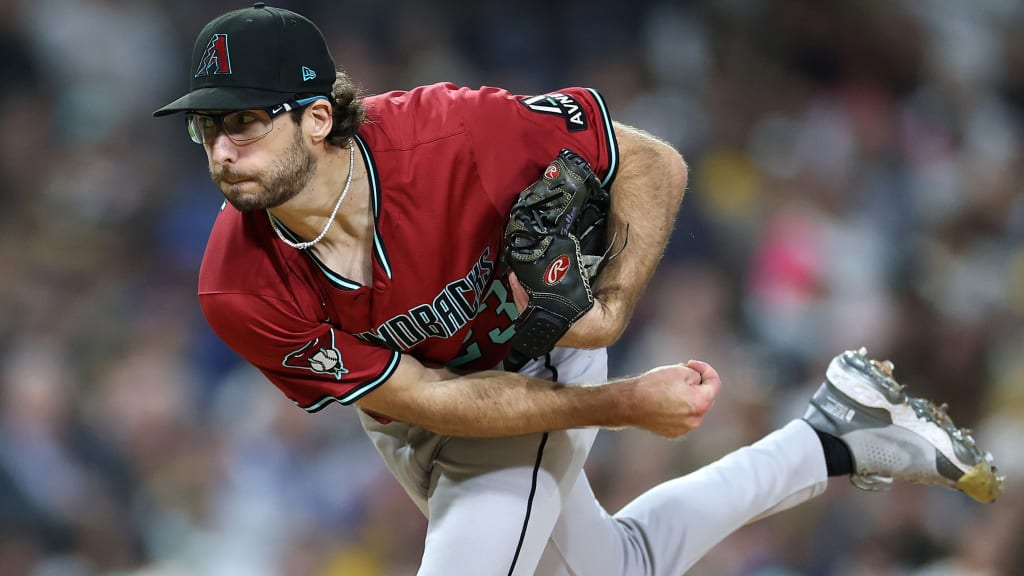
At the time, the move already carried a degree of uncertainty, especially given that he was coming off a down season. In hindsight, that gamble has only become more concerning as the 2026 campaign has unfolded. Reports confirm that he re-signed for roughly $22 million following free agency, choosing short-term security over a longer deal (New York Post).
Unfortunately for both Gallen and Arizona, his performance this season has not justified that investment. Through the first portion of the year, he has struggled to find consistency on the mound, producing an earned run average north of five along with an elevated WHIP—numbers that place him well below his established career standards. For context, publicly available stats show him posting an ERA in the mid-5.00 range with a WHIP around 1.5 across his early starts, signaling a significant drop-off from his usual effectiveness (MLB.com).
MORE: Angels Officially Cut Veteran Pitcher “Another Major Setback”
What makes the situation even more troubling is that the underlying metrics suggest these struggles are not simply bad luck. Advanced data indicates that hitters are making strong, consistent contact against him, with high exit velocity and hard-hit rates pointing to deeper issues in his overall performance profile. In other words, the results he’s experiencing may actually be reflective of how he’s pitching, rather than misleading or fluky outcomes. That combination—poor surface stats backed by equally concerning peripherals—raises serious questions about whether a turnaround is imminent.
From a front-office perspective, this creates a complicated dilemma for Arizona. General manager Mike Hazen indicated as recently as mid-June that the organization still intends to approach the trade deadline as a buyer, suggesting confidence in the team’s ability to compete. However, the reality of the standings tells a more fragile story. The Diamondbacks are hovering around the .500 mark, locked in a tightly contested National League Wild Card race where even a short losing streak could quickly derail their postseason hopes.
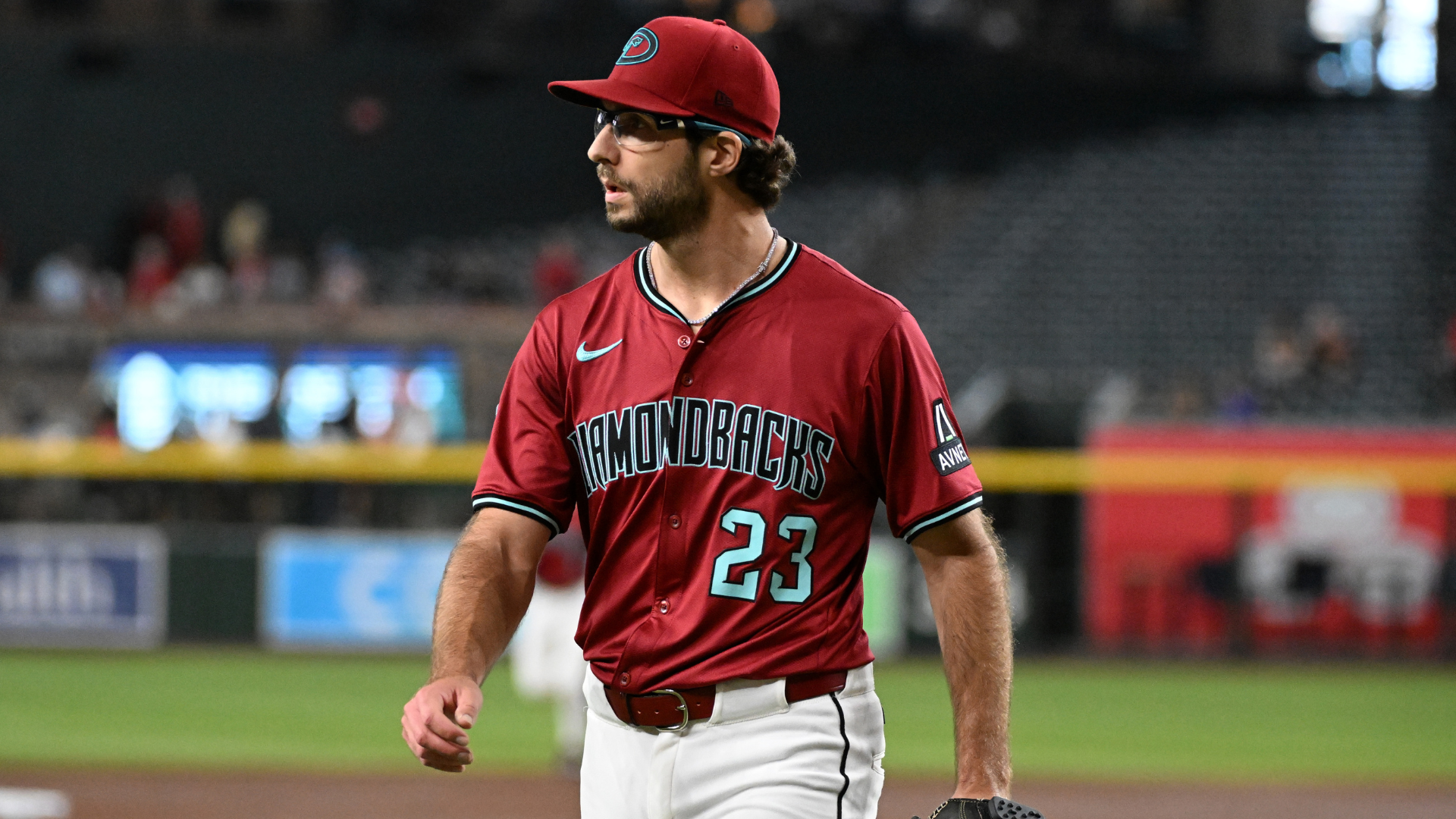
That thin margin for error means the team’s direction could change rapidly. If Arizona endures a rough stretch in the weeks leading up to the deadline, the front office may be forced to pivot from buying to selling. In that scenario, players on expiring contracts—particularly those without long-term commitments—become logical trade candidates. Gallen fits that description perfectly. As a rental player with no guaranteed future in Arizona beyond this season, he represents a movable asset, even if his value has been diminished by his recent struggles.
Historically, teams in similar positions have looked to capitalize on whatever value remains in such players rather than risk losing them for nothing. Even a struggling veteran starter with a track record like Gallen’s could draw interest from contenders in need of rotation depth, especially if those teams believe a change of scenery or adjustments could unlock improved performance.
This is where the St. Louis Cardinals come into the picture. Given their unexpected competitiveness in 2026 and their potential need for pitching reinforcements, they would be a natural suitor if Arizona decides to sell. The Cardinals have both the motivation and the prospect capital to pursue a deal, making them a logical landing spot should Gallen become available.
Timing, however, will be everything. St. Louis cannot afford to wait passively while Arizona weighs its options. Instead, the Cardinals should be closely monitoring the Diamondbacks’ position in the standings, ready to act the moment the situation shifts. If Arizona’s playoff hopes begin to fade, the window to acquire Gallen—or a similar piece—could open quickly but close just as fast as other contenders enter the market.
Ultimately, this situation highlights the volatile nature of midseason decision-making in Major League Baseball. A contract that once seemed like a reasonable short-term bet has turned into a potential trade chip under less-than-ideal circumstances. For Arizona, the next few weeks will determine whether they double down on contention or pivot toward asset management. For St. Louis, the key will be preparation—being ready to seize the opportunity the moment Arizona’s path becomes clear.
The Perfect Trade Offer
The St. Louis Cardinals are uniquely positioned to construct a trade package that aligns almost perfectly with what a team like the Arizona Diamondbacks would be seeking if they pivot toward a partial rebuild. Rather than offering established major league talent, St. Louis can lean on its strength: a deep pool of pitching prospects who combine long-term control with intriguing upside. These are exactly the types of assets that appeal to a club trying to remain competitive while also planning for the future.
A potential deal framework is straightforward and logical. In this scenario, St. Louis would acquire right-handed starter Zac Gallen, while Arizona would receive two young arms—right-hander Luis Gastelum and left-hander Braden Davis. Gallen, despite his recent struggles, still carries name value and a track record that could interest a contender. However, his 2026 performance has been underwhelming, with an ERA hovering in the mid-5.00s and a WHIP above 1.50, reflecting a noticeable decline from his previous All-Star form. (MLB.com)
From the Cardinals’ perspective, this is the type of calculated gamble that makes sense. They would be betting on their pitching development infrastructure to help Gallen rediscover some of his prior effectiveness. Meanwhile, the Diamondbacks would receive controllable talent that better fits their evolving timeline.
Luis Gastelum represents the centerpiece of the return package. At 24 years old and already pitching at Triple-A Memphis, he is widely viewed as one of the most exciting arms in the Cardinals’ system. What makes Gastelum particularly appealing is his elite changeup, which scouts have graded at 70 on the traditional 20–80 scouting scale. That pitch alone gives him a standout weapon capable of missing bats at a high rate. During the 2026 season, he has dominated at the Triple-A level, posting an ERA just above 2.00 while generating impressive swing-and-miss numbers.
Because of his advanced development, Gastelum is not a long-term project. Instead, he profiles as a near-major-league-ready arm who could step into a bullpen role immediately or potentially transition into a starting role depending on organizational needs. For Arizona, that kind of flexibility is invaluable. He could realistically contribute before the end of the 2026 season or, at the latest, early in 2027, giving the Diamondbacks a relatively quick return on their investment.
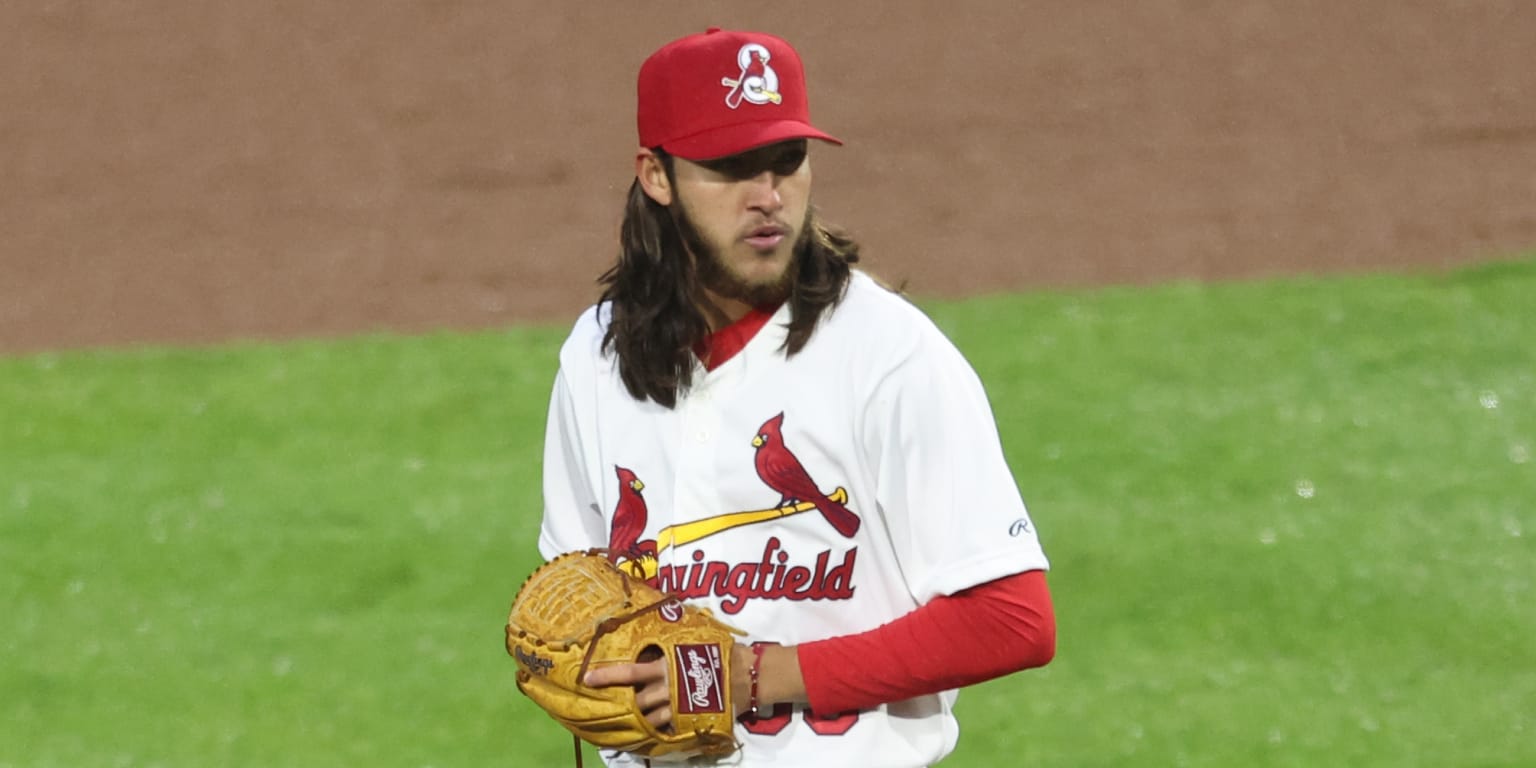
Complementing Gastelum is Braden Davis, a 23-year-old left-hander who adds a different dimension to the deal. Selected in the fifth round of the 2024 draft out of Oklahoma, Davis has steadily elevated his stock and established himself as a legitimate starting pitching prospect. Currently pitching at Double-A Springfield, he has shown the ability to dominate opposing lineups, highlighted by a standout performance in May 2026 when he struck out 10 hitters in a single outing and earned league honors.
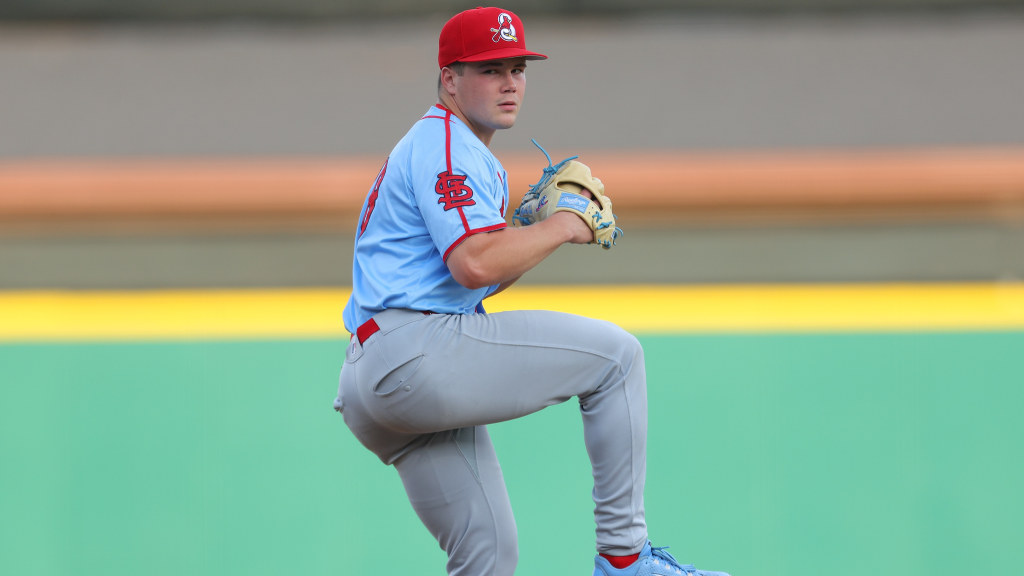
Davis’ profile contrasts nicely with Gastelum’s. While Gastelum relies on overpowering stuff—particularly his changeup—Davis succeeds through deception, command, and pitch sequencing. His own changeup grades as a plus pitch (around 60 on the scouting scale), and it plays well off his overall approach as a finesse-oriented lefty. That style tends to translate effectively in hitter-friendly environments like the National League West, where disrupting timing can be just as important as raw velocity.
Scouting projections suggest Davis has the ceiling of a No. 5 starter at the major league level, but his value extends beyond that label. Pitchers with his skill set often outperform expectations because of their ability to limit hard contact and keep hitters off balance. For Arizona, he represents a longer-term developmental piece who could slot into the back end of the rotation in the coming years.
When evaluating the package as a whole, it becomes clear why it would appeal to the Diamondbacks. Gastelum offers a relatively high floor and immediate impact potential, while Davis provides upside and depth for the future. Together, they address both short-term and long-term organizational needs without requiring Arizona to commit to a full teardown.
Equally important is what the Cardinals would not be giving up. Neither Gastelum nor Davis ranks among the very top prospects in the system, meaning St. Louis could make this deal without sacrificing its most prized young talent. That balance—adding a potentially impactful major league piece while preserving elite prospects—is exactly what successful contenders aim to achieve at the trade deadline.
For Arizona, the decision ultimately hinges on direction. If the team remains competitive in the Wild Card race, holding onto Gallen might make sense despite his struggles. But if their position weakens, moving a short-term asset like Gallen for controllable pitching becomes a logical step. Given that he is on a one-year contract and eligible for free agency after the season, there is little long-term incentive to keep him if the team falls out of contention. (Baseball Reference)
In that context, this proposed trade offers a balanced solution. The Diamondbacks would gain two pitchers at different stages of development, both of whom could contribute meaningfully to their future. The Cardinals, meanwhile, would take on some risk in acquiring a struggling veteran but would do so without jeopardizing their long-term outlook.
Ultimately, this kind of deal reflects the classic trade deadline dynamic: a contender looking to strengthen its roster in the present, and a team on the fringe leveraging its assets to build for tomorrow.
What the Cardinals Gain
For the St. Louis Cardinals, the decision to pursue a move like this goes beyond simply plugging a hole in the starting rotation. The organization currently sits in a transitional phase—competitive enough to stay in the race, yet still lacking the pitching depth required to truly solidify itself as a serious postseason threat. Their rotation has been viewed as one of the weaker units in the league entering 2026, reflecting both youth and inconsistency rather than proven stability. (Viva El Birdos)
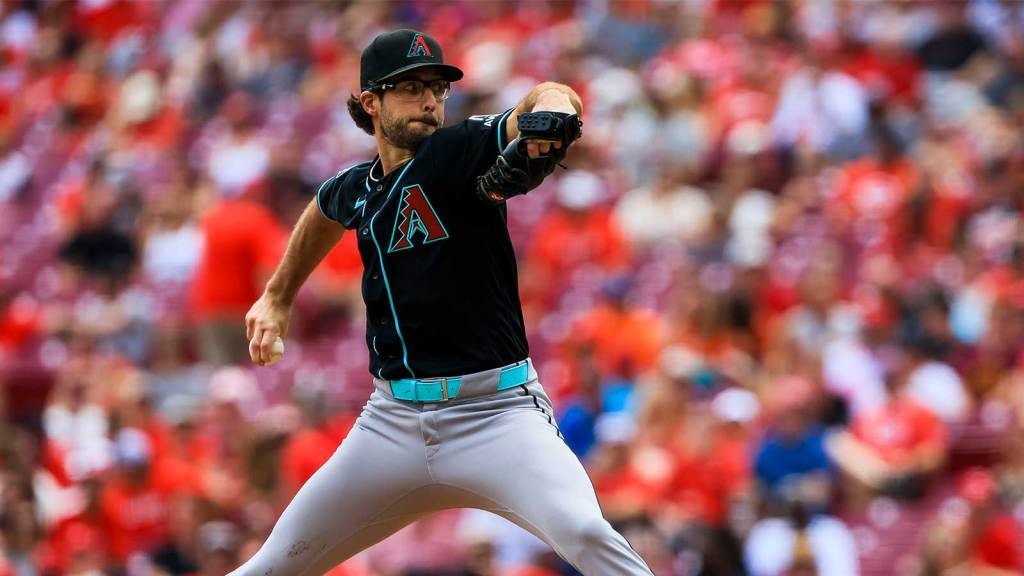
That context is what makes a pitcher like Zac Gallen such an intriguing target despite his struggles this season. On the surface, his 2026 numbers are undeniably concerning, but they don’t tell the entire story. Pitching performance is often influenced by factors beyond the individual, and Gallen has been operating in a less-than-ideal environment. Arizona’s defensive inconsistencies and uneven offensive support have placed additional pressure on him, frequently leaving little margin for error.
When viewed through a broader lens, there’s still reason to believe in a potential rebound. Gallen’s track record prior to this season paints the picture of a reliable, above-average starter. Over multiple seasons, he established himself as a steady presence in the rotation, even earning All-Star recognition and consistently posting strong run-prevention numbers. (Wikipedia) Earlier stretches of his career—including dominant runs with sub-3.50 ERAs—demonstrate that his current struggles are more of an outlier than the norm. (Orioles Review)
A change of scenery could play a significant role in unlocking that previous form. Moving to a more stable defensive team and receiving more consistent offensive backing can dramatically alter a pitcher’s results. For St. Louis, the hope would be that a more structured environment allows Gallen to reset and return closer to his established baseline. Even if he doesn’t fully rediscover his peak performance, there’s still considerable value in a pitcher who can deliver league-average production.
That level of performance alone would be meaningful for the Cardinals. Adding a dependable arm to the back end of the rotation would help stabilize a group that currently lacks experience and durability. Gallen has shown throughout his career that he can handle a heavy workload, making 30 or more starts in multiple seasons and consistently logging significant innings. That kind of reliability is especially valuable for a team trying to manage a mix of young arms and unproven starters.
Beyond the numbers, his veteran presence would also provide intangible benefits. A rotation anchored by developing pitchers often benefits from having an experienced arm who understands how to navigate a full season. Gallen fits that mold, offering both innings and insight that could help elevate the entire staff.
The Cardinals’ recent activity further underscores their openness to reshaping the roster in creative ways. Reports of trade interest in their own veteran pitchers suggest that the front office is willing to reallocate resources and experiment with different configurations ahead of the deadline. Rather than sticking rigidly to a long-term rebuild, they appear ready to make calculated adjustments that keep the team competitive in the present. (SI)

Acquiring Gallen would align with that philosophy. It wouldn’t represent a departure from their broader plan—it would accelerate it. Instead of waiting for all of their young pitchers to develop simultaneously, St. Louis could bridge the gap by adding a proven arm who can contribute immediately. This kind of move allows the team to remain competitive while still maintaining a strong developmental pipeline.
Of course, there is a cost involved. Parting with promising prospects like Luis Gastelum and Braden Davis would not be insignificant, particularly given their potential to contribute in the near future. However, this is precisely the type of decision contenders must be willing to make. When a team finds itself unexpectedly competitive, standing still can be just as risky as making the wrong move.
In that sense, pursuing Gallen represents a calculated gamble—one rooted in both need and opportunity. The Cardinals would be betting on their ability to maximize his potential while accepting the inherent uncertainty that comes with acquiring a struggling pitcher. But if the move pays off, it could provide the stability and depth necessary to transform a fringe contender into a legitimate threat.
Ultimately, this is the kind of strategic swing that defines teams on the rise. For St. Louis, the window may be just beginning to open, and taking a chance on a player like Gallen could help push it wider.



Be the first to comment