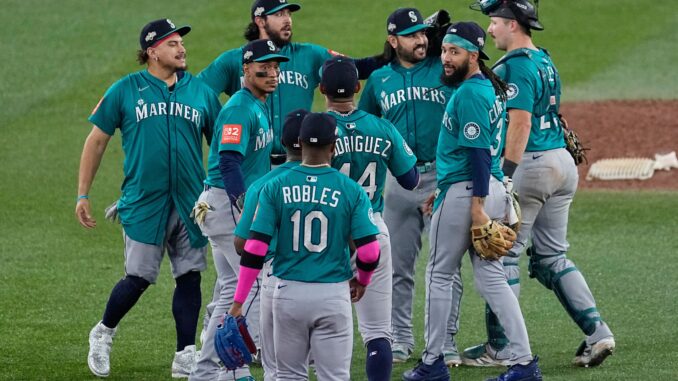
The Houston Astros made a roster move on Saturday, claiming outfielder Rhylan Thomas off waivers from the Seattle Mariners in an effort to add depth and potential to their organization. In order to make room for Thomas on their 40-man roster, the Astros shifted right-handed pitcher Hunter Brown from the 15-day injured list to the 60-day injured list.
This procedural move effectively opened up a roster spot while also signaling that Brown is expected to be sidelined for a longer period than initially anticipated.
Thomas, a relatively young and developing player, began his professional journey after being selected in the 11th round of the 2022 MLB Draft by the New York Mets. While not a high-profile draft pick at the time, he quickly showed enough promise to remain on the radar as a potential contributor at higher levels.
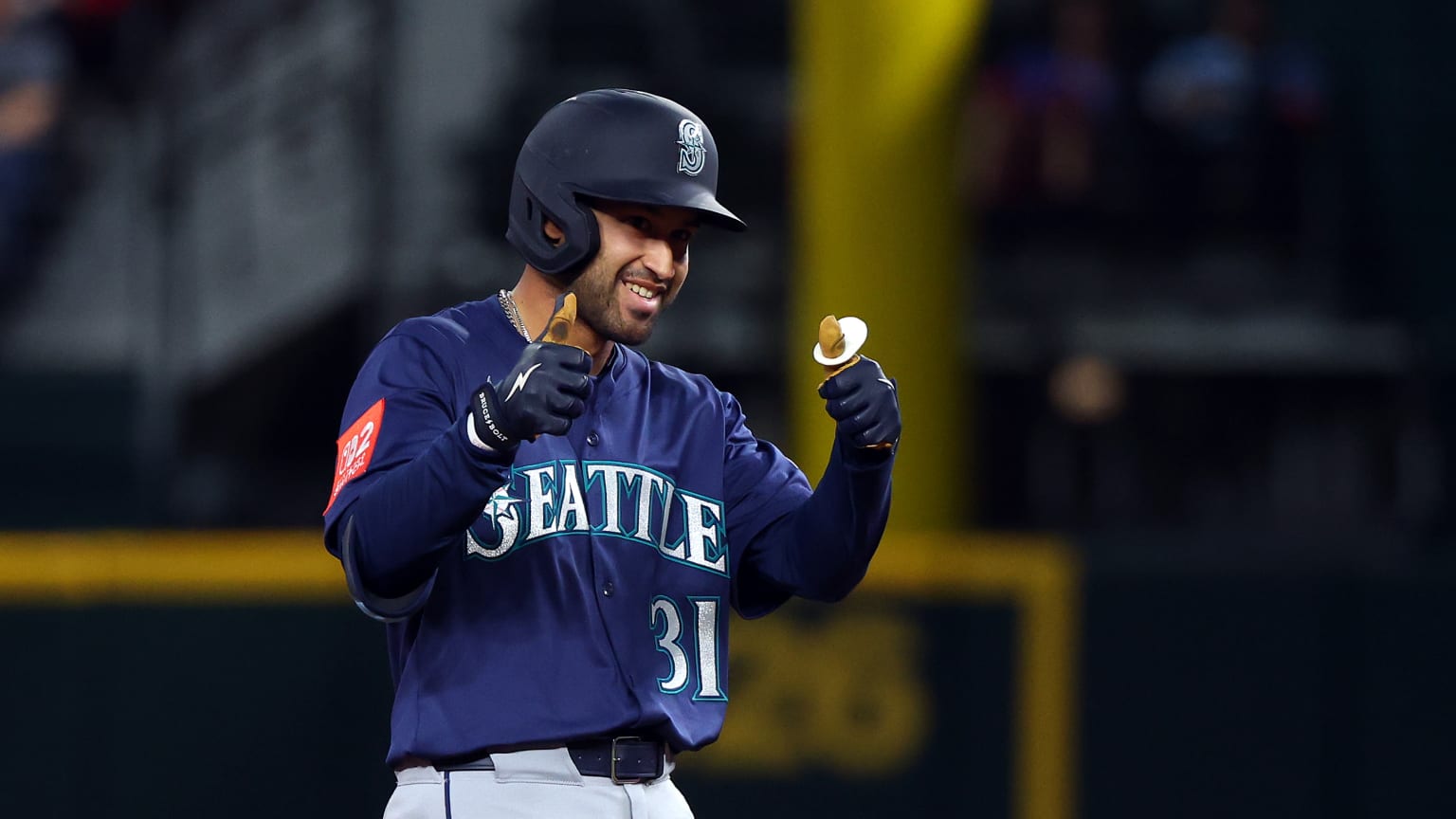
His path took a turn in July 2024 when he was traded to the Seattle Mariners as part of a deal that sent reliever Ryne Stanek in the opposite direction. That transaction gave Thomas a fresh opportunity within a new organization, one that would eventually lead to his brief exposure at the major league level.
During the 2025 MLB season, Thomas made his big-league debut with the Mariners, appearing in a very limited sample of just three games. Although his time in the majors was short, he managed to record one hit in eight at-bats, which went for a double.
MORE: Braves Officially Receive Another Injury Scare For Sean Murphy After Recently Returned From The IL
He also contributed two runs batted in and drew a walk during those appearances. While those numbers are modest and not enough to draw any major conclusions, they do represent his first taste of major league competition and provide a baseline for evaluating his future development.
The bulk of Thomas’s experience and production has come in the minor leagues, particularly at the Triple-A level with Tacoma. In 2025, he delivered an impressive performance across a full season, posting a strong slash line of .325 batting average, .380 on-base percentage, and .411 slugging percentage over the course of 617 plate appearances.
That level of offensive output demonstrated his ability to consistently make contact, get on base, and contribute in a meaningful way over an extended period. It also helped establish him as a legitimate depth option with the potential to contribute at higher levels if given the opportunity.
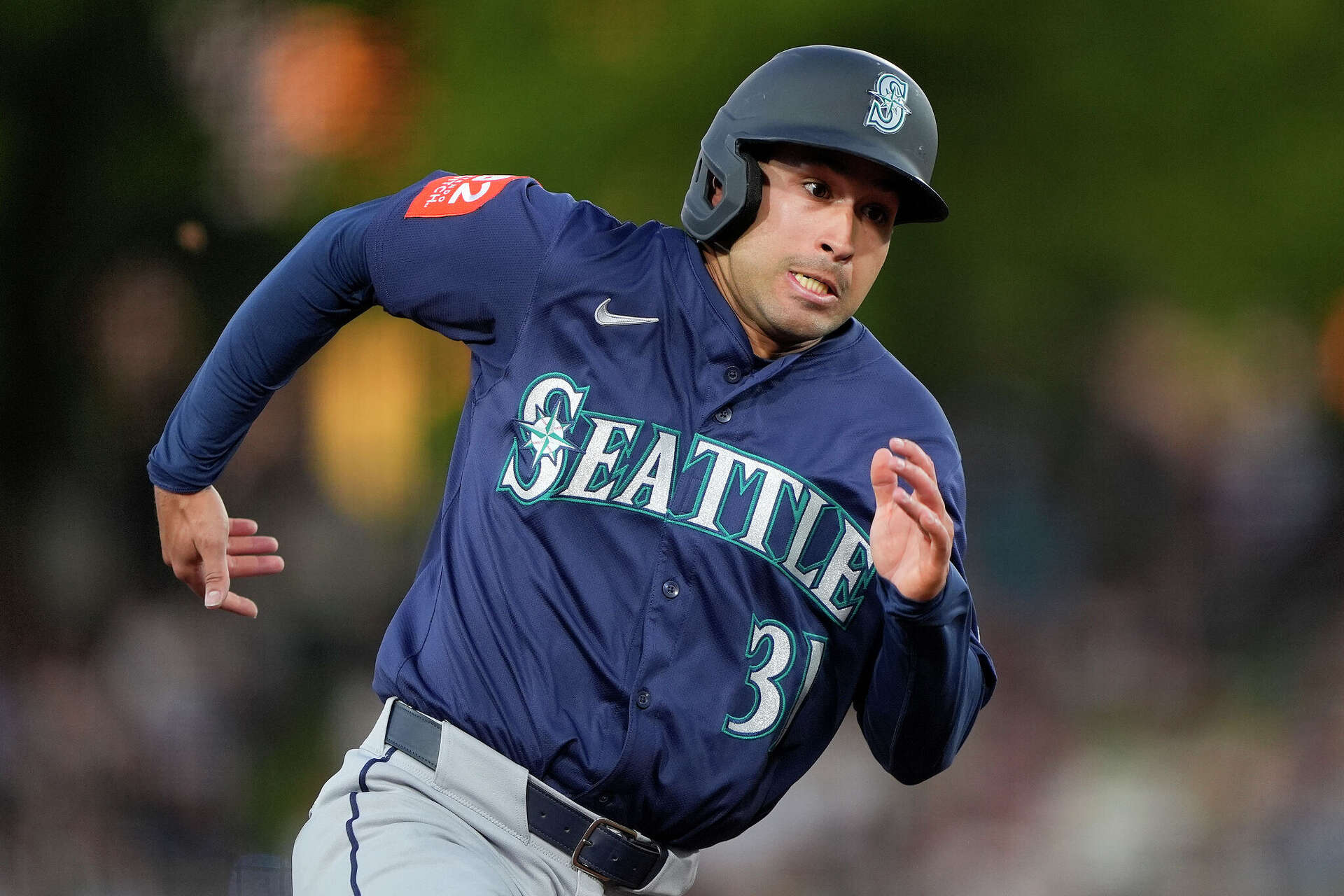
However, his performance took a noticeable step backward during the following season. In a smaller sample size of 145 plate appearances spread across 31 games, Thomas posted a .260 batting average, a .313 on-base percentage, and a .328 slugging percentage.
While those numbers are not disastrous, they do represent a clear decline from his previous production. Over that stretch, he hit two home runs, drove in nine runs, and added six stolen bases, showing that he still possesses some versatility and the ability to contribute in multiple facets of the game, even if his overall offensive efficiency dipped.
MORE: Angels Officially Land Lefty Reliever To Give The Halos More Depth Option For Their Bullpen
Looking at his broader body of work at the Triple-A level, Thomas has maintained a solid career slash line of .301/.352/.388 across 261 games. These cumulative numbers suggest that, despite fluctuations in performance from season to season, he has generally been a productive hitter in the upper minors. His ability to hit for average and get on base has remained a consistent part of his profile, even if his power numbers have been somewhat limited.
One of the key factors contributing to his recent decline in offensive production appears to be a drop in his batting average on balls in play (BABIP). In 2025, Thomas posted a BABIP of .332, which helped support his strong overall numbers.
However, that figure fell significantly to .269 in the following season. Such a decrease can often indicate a combination of factors, including less favorable batted-ball outcomes, defensive positioning by opponents, or simply a run of bad luck. Regardless of the cause, the lower BABIP had a direct impact on his ability to reach base and maintain his previous level of offensive success.
For the Astros, claiming Thomas represents a low-risk move with potential upside. Players with a track record of solid minor league production, especially at the Triple-A level, can provide valuable organizational depth and occasionally develop into useful major league contributors.

By bringing him into their system, Houston is essentially taking a chance on a player who has shown he can perform well over a full season, even if his most recent results have been less impressive.
Additionally, the roster maneuver involving Hunter Brown underscores the balancing act teams must perform when managing injuries and personnel. Moving a player to the 60-day injured list not only creates flexibility on the roster but also reflects the realities of player health and recovery timelines over the course of a long season.
MORE: Cardinals officially made roster adjustment, place another baseman on injured list
In summary, the Astros’ decision to claim Rhylan Thomas is a strategic move aimed at bolstering their outfield depth with a player who has demonstrated offensive capability in the minors. While his recent performance dip raises some questions, his overall track record suggests there is still potential worth exploring.
At the same time, the accompanying roster adjustment involving Hunter Brown highlights the ongoing challenges teams face in maintaining a competitive and healthy roster throughout the year.
Earlier in the week, Seattle made the decision to designate outfielder Rhylan Thomas for assignment. This roster move came shortly after the organization claimed left-handed pitcher José Suárez off waivers from the Atlanta Braves, creating a need to open up space on their roster. As a result, Thomas became the odd man out despite still being a relatively young player with some developmental upside and versatility in the field.
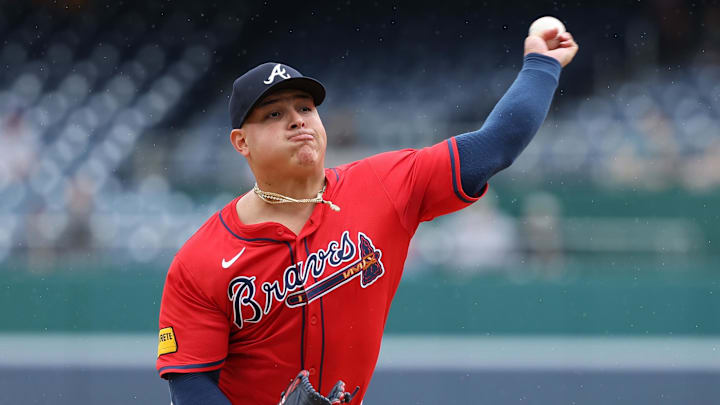
Thomas now finds himself with a new opportunity after being picked up by the Houston Astros, a team currently dealing with a number of injuries that have significantly impacted their outfield depth. The Astros have been forced to navigate a challenging stretch due to several key players being sidelined.
Jake Meyers is currently out with an oblique strain, Joey Loperfido is dealing with a quad strain, and Taylor Trammell has been sidelined due to a groin injury. With multiple contributors unavailable at the same time, Houston has had to rely on less experienced players to fill the gaps in their lineup and defensive alignment.
MORE: Phillies officially missed clear upgrade opportunity with Braves catcher amid slowly digging their way out of tragic start
In response to these setbacks, the Astros have turned to players such as Brice Matthews, Zach Dezenzo, and Zach Cole to step into bigger roles. While each of these players has shown potential, their collective lack of extensive major league experience has made it difficult for the team to maintain consistency. This situation has underscored the need for additional depth and flexibility, which is where Thomas comes into the picture.
Thomas offers Houston a valuable combination of versatility and roster flexibility. As a left-handed hitter, he provides a different offensive look that can complement the team’s lineup. Additionally, his ability to play all three outfield positions makes him a useful option for a team that needs to mix and match defensively due to injuries.
Whether it’s left field, center field, or right field, Thomas has the capability to step in wherever he is needed, giving the Astros more options as they attempt to weather this difficult stretch.
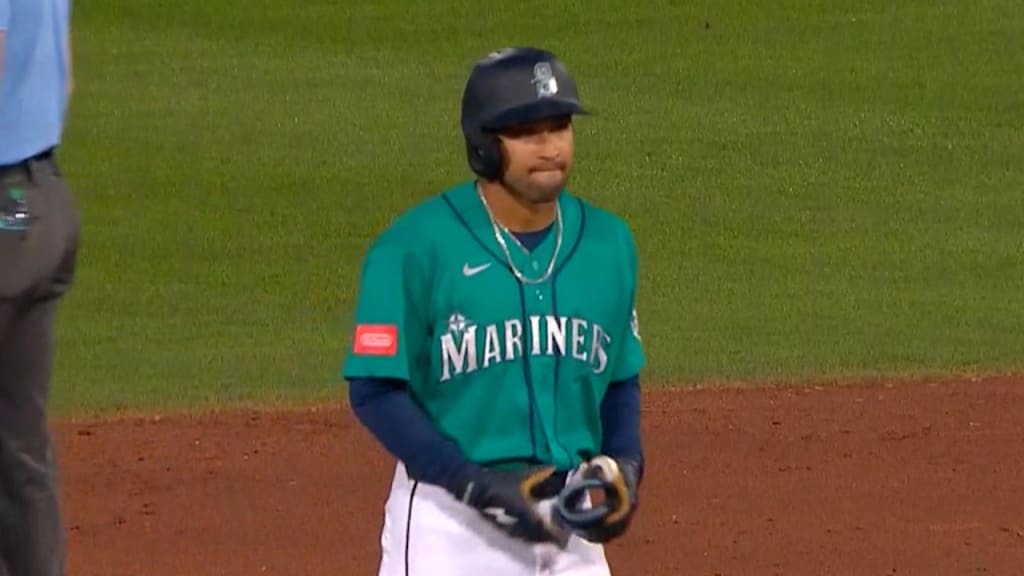
Another important aspect of Thomas’s profile is that he still has two minor league options remaining. This gives the Astros the ability to move him between the major league roster and Triple-A without exposing him to waivers again, which is a significant advantage from a roster management standpoint.
Following his acquisition, the team chose to option him to Triple-A Sugar Land, where he can continue to develop while also serving as a ready replacement should another need arise at the big league level.
MORE: Red Sox make remarkably quick demotion, called utility player to roster spot after shocking Garrett Crochet news
While Thomas may not immediately step into a starting role, his presence adds a layer of security for Houston. Injuries are an inevitable part of a long baseball season, and having players like Thomas available can make a meaningful difference when it comes to maintaining depth and continuity. His skill set aligns well with what the Astros currently need: a capable outfielder who can contribute in multiple ways and be called upon at a moment’s notice.
At the same time, the Astros made a corresponding roster move involving right-handed pitcher Hunter Brown. The team transferred Brown from the 15-day injured list to the 60-day injured list, a move that effectively opens up a spot on the 40-man roster. This transaction is retroactive to April 2 and stems from a Grade 2 strain in his right shoulder, an injury that has kept him out of action for an extended period.
Despite the seriousness of a shoulder injury, there have been encouraging signs in Brown’s recovery process. He recently completed a bullpen session, which is an important step in his rehabilitation.
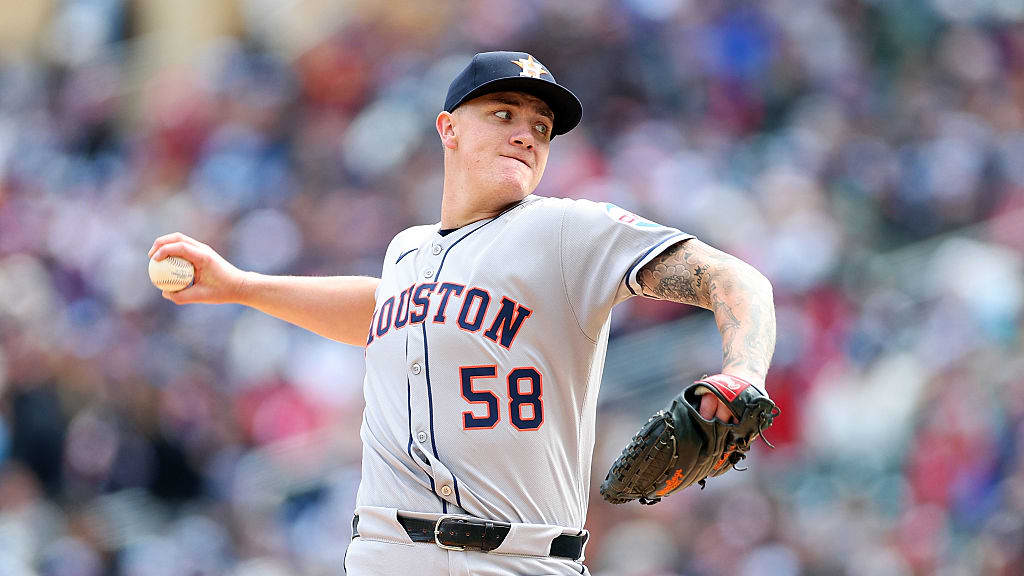
Throwing from the mound again indicates that he is making progress and beginning to build back the strength and stamina necessary to return to game action. While he is not yet ready to rejoin the Astros’ pitching staff, the fact that he has reached this stage suggests that his recovery is moving in the right direction.
The team’s decision to move Brown to the 60-day injured list does not necessarily indicate a setback, but rather reflects a strategic choice in managing the roster while he continues to recover. By placing him on the 60-day IL, the Astros gain additional flexibility to make other moves, such as adding Thomas, without rushing Brown back before he is fully ready. It also sets a clearer timeline for his potential return.
MORE: Blue Jays, Angels on Verge of Explosive Deadline Blockbuster
Based on current projections, Brown could be eligible to return to the active roster in early June. Between now and then, he is expected to continue gradually increasing his workload. This will likely include additional bullpen sessions, followed by simulated games or minor league rehab appearances, as he works toward regaining full strength and effectiveness.
The Astros will undoubtedly take a cautious approach, given the importance of shoulder health for a pitcher and the long-term value Brown represents to the organization.
Overall, these roster moves highlight the balancing act that teams must perform throughout the course of a season. Injuries can quickly deplete depth and force organizations to make adjustments, often relying on a combination of internal options and external acquisitions.
In this case, the Astros have addressed their immediate outfield needs by bringing in Thomas, while also managing their pitching staff by creating space for Brown to recover properly.
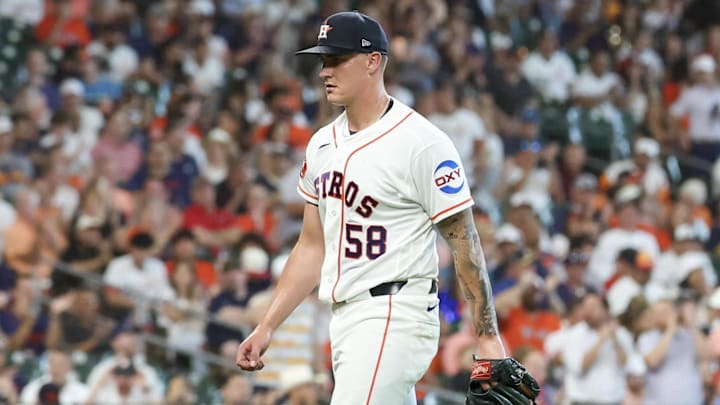
For Thomas, this transition represents a fresh start and a chance to prove himself within a new organization. Being designated for assignment can be a challenging moment for any player, but it also opens the door to new opportunities. With Houston, he joins a team that has a clear need for outfield help, which could translate into meaningful playing time if he performs well.
For the Astros, the hope is that these moves will help stabilize the roster during a period of adversity. While the injuries to Meyers, Loperfido, and Trammell have created short-term challenges, the addition of Thomas provides a practical solution that can help bridge the gap until those players return.
MORE: Orioles Officially Make Stunning Roster Move Amid Recent Update
At the same time, the careful management of Brown’s recovery reflects a long-term perspective, ensuring that he can come back healthy and contribute effectively later in the season.
As the weeks progress, the Astros will continue to monitor both their injured players and their depth options. If Thomas performs well in Triple-A, he could earn a call-up and play a more prominent role at the major league level. Similarly, if Brown’s rehabilitation continues without setbacks, his return could provide a significant boost to the pitching staff.
In the ever-changing landscape of a baseball season, adaptability is key. Teams must constantly evaluate their rosters, make difficult decisions, and find ways to remain competitive despite obstacles. The Astros’ recent moves are a clear example of this process in action, as they navigate injuries, integrate new players, and plan for the return of key contributors.

Be the first to comment