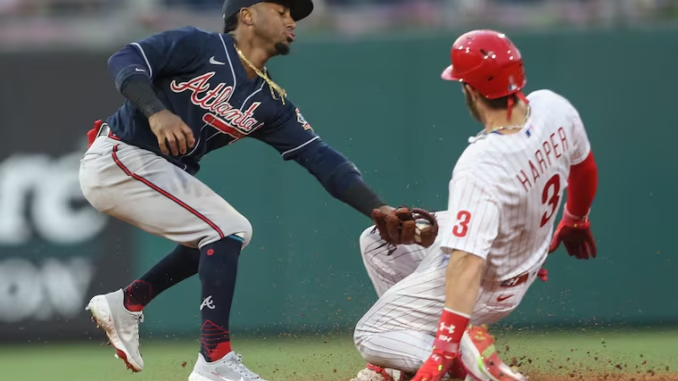
The Philadelphia Phillies have begun to recover, albeit gradually, from what can only be described as a deeply disappointing opening to their season. After stumbling out of the gate and failing to meet expectations early on, the team has started to show signs of life.
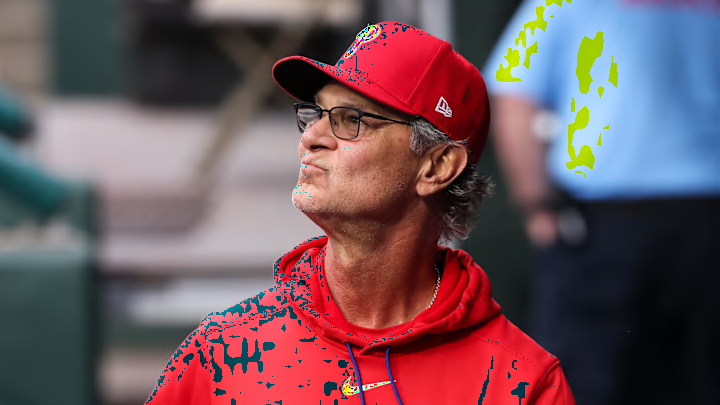
Much of this improvement can be attributed to the leadership of interim manager Don Mattingly, whose presence has seemingly steadied the clubhouse and brought about better performances from several players across the roster. While the turnaround is far from complete, there is at least a sense that the team is moving in a more positive direction than it was just a few weeks ago.
Despite this progress, however, not every aspect of the roster has benefited equally from the recent uptick in performance. One glaring weakness continues to stand out, and it has become increasingly difficult to ignore: the backup catcher position. While this role is often overlooked due to its limited playing time, the Phillies’ struggles in this area have been pronounced enough to raise legitimate concerns.
Even more frustrating is the fact that the organization recently had a clear opportunity to address this deficiency but failed to capitalize on it, leaving the roster with the same issues that have plagued it for much of the season.
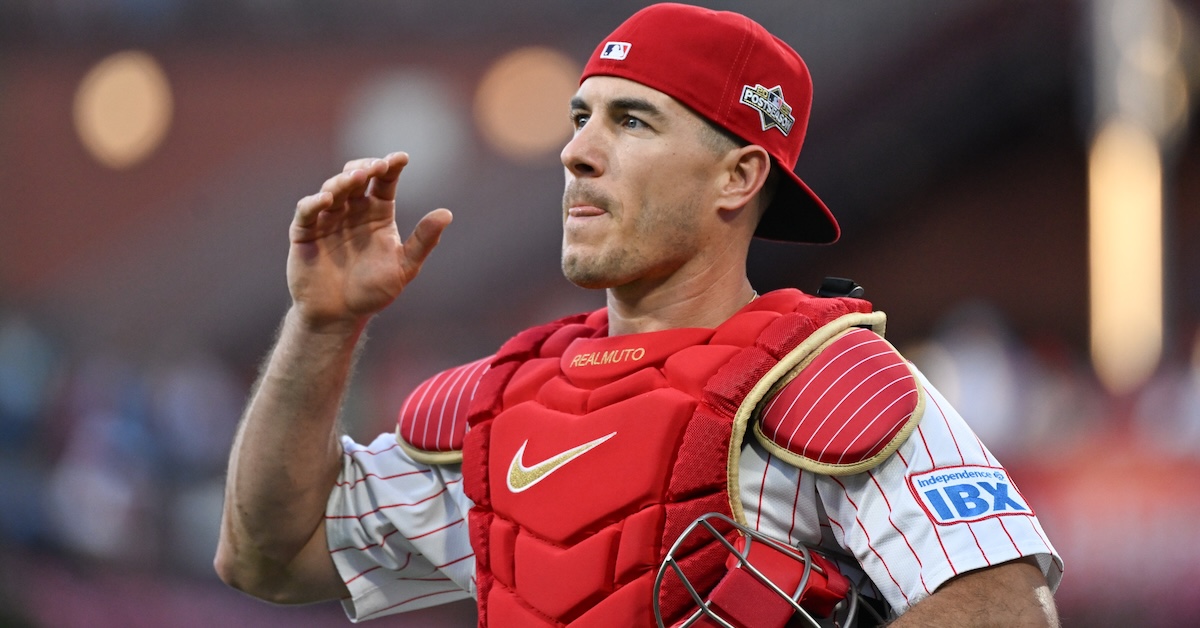
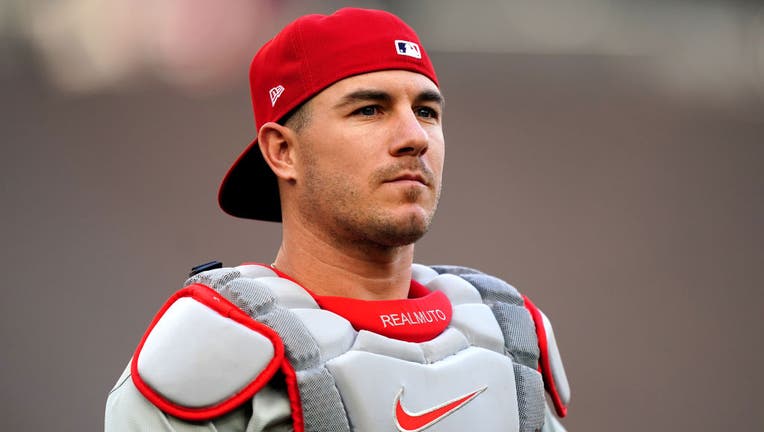
At the center of the catching situation is longtime starter J.T. Realmuto, a player who, at his peak, was widely regarded as the best all-around catcher in baseball. While he is no longer performing at that elite level, he still provides solid production and valuable experience behind the plate.
MORE: Phillies place suitable offer for Angels’ Mike Trout
Now in his mid-thirties, Realmuto remains a capable starter, even if his current output does not quite justify his hefty contract. He continues to bring leadership, defensive reliability, and occasional offensive contributions, making him a steady presence for the pitching staff.
The real problem, however, lies in what happens when Realmuto is not in the lineup. Given his age and the physical demands of the catcher position, it is essential for him to receive regular rest. Catching is one of the most taxing roles in the sport, and even the most durable players require occasional days off to maintain their effectiveness over the course of a long season.
When those days come, teams typically rely on a backup catcher who can step in without significantly weakening the lineup or the defense. Unfortunately for the Phillies, that has not been the case.
Phillies president of baseball operations Dave Dombrowski has come under criticism for the way he has constructed the depth behind Realmuto. Rather than securing a dependable, major league-caliber backup, the team has been forced to rely on options that have struggled to contribute in any meaningful way.
Rafael Marchán, for instance, has been virtually unplayable, failing to make an impact either offensively or defensively. His inability to handle the role has left the team in a difficult position whenever he is called upon to start.
MORE: Braves officially strike late-night trade as roster reckoning begins
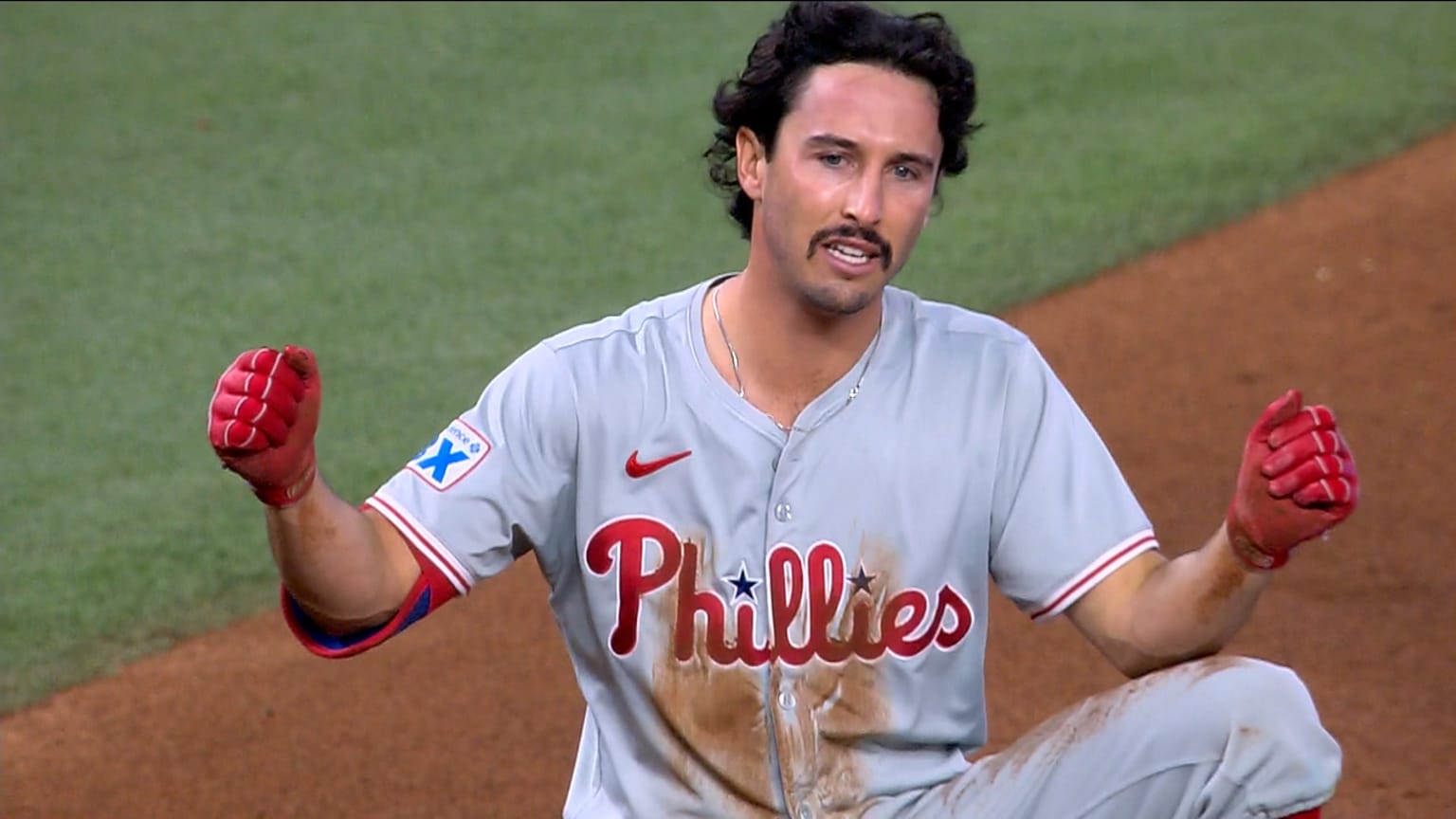
Similarly, Garrett Stubbs has not provided the level of performance one would hope for from a backup catcher. While he may bring positive energy to the clubhouse and serve as a morale booster, those qualities alone are not enough to justify his presence in a role that occasionally requires real production on the field.
Stubbs’ struggles at the plate have been evident, as he has consistently failed to generate offense when given opportunities. As a result, the Phillies have found themselves in a situation where their backup catching options are more liabilities than assets.
It is true that backup catchers typically do not see a great deal of playing time. In most cases, they might start one or two games per week, depending on the schedule and the health of the primary catcher. Because of this limited role, teams often prioritize defense and game-calling ability over offensive production.
Even so, there is a baseline level of competence that is expected from any player occupying a spot on a major league roster. The Phillies’ current options have fallen short of even those modest expectations, creating a noticeable gap in the team’s overall depth.
MORE: Angels Make Unpopular Decision With Three-Time American League MVP Mike Trout
While it may seem like a minor issue in the grand scheme of a 162-game season, the lack of a reliable backup catcher can have ripple effects throughout the roster. On days when Realmuto is unavailable, the team is forced to field a significantly weaker lineup, which can make it more difficult to compete, especially against strong opponents. Additionally, the pitching staff may be impacted by the absence of a dependable receiver, as consistency behind the plate is crucial for maintaining rhythm and confidence on the mound.
Perhaps the most frustrating aspect of this situation is that it was avoidable. The Phillies had an opportunity to upgrade the backup catcher position but chose not to act, whether due to financial considerations, roster constraints, or simple misjudgment. Whatever the reason, the decision has left the team exposed in an area that could have been easily addressed with a modest investment.
In a season where every win matters and the margin for error can be slim, even seemingly small weaknesses can become significant obstacles. The Phillies have made progress in other areas, and there is reason to believe they can continue to improve as the season unfolds. However, if they hope to fully turn things around and position themselves as legitimate contenders, they will need to address the shortcomings that still exist on the roster.
The backup catcher position may not be the most glamorous or high-profile role, but it is nonetheless an important piece of the puzzle. Having a dependable player in that spot can provide stability, allow the starting catcher to rest without concern, and ensure that the team remains competitive regardless of who is in the lineup. Until the Phillies find a way to resolve this issue, it will remain a lingering weakness that could hinder their progress as they attempt to climb back into contention.
Jonah Heim would’ve been a nice insurance policy for J.T. Realmuto
The Atlanta Braves, long-time division rivals of the Philadelphia Phillies, unexpectedly created what seemed like an ideal opening for Phillies president of baseball operations Dave Dombrowski to address one of the most glaring weaknesses on his roster.
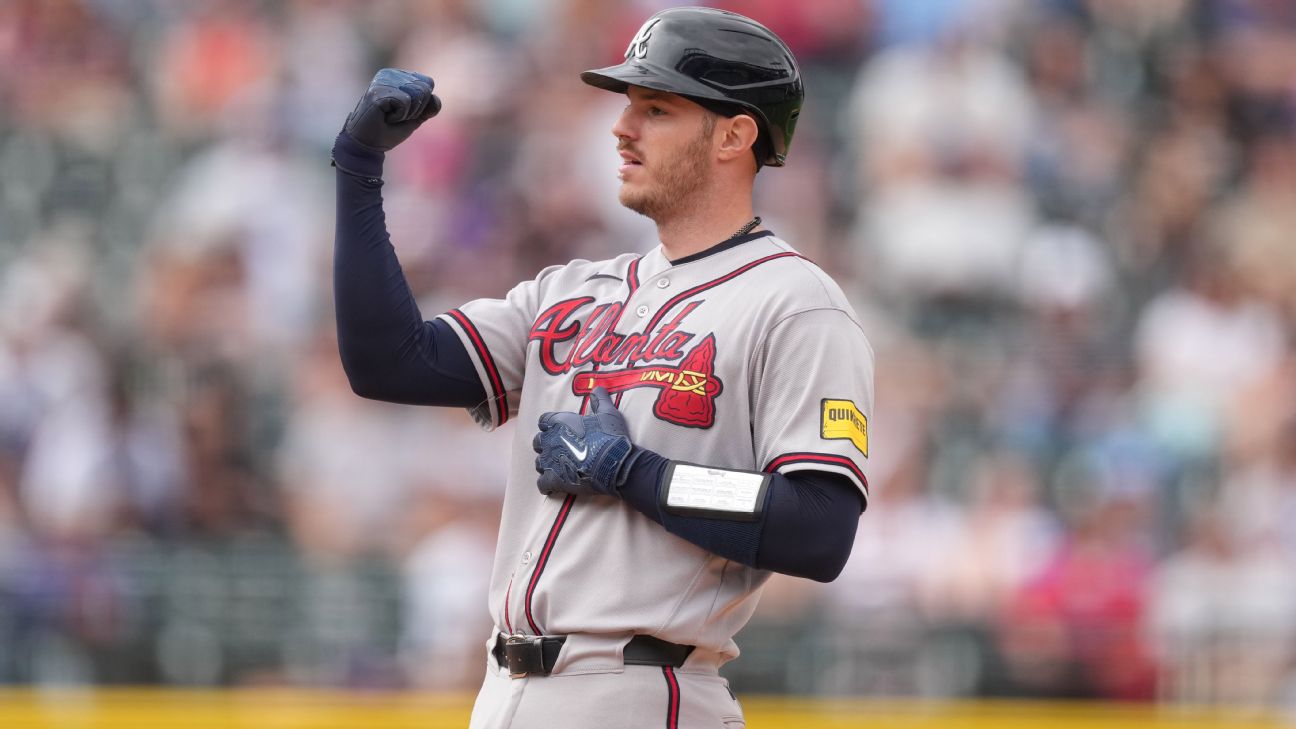
When Atlanta made the decision to remove former All-Star catcher Jonah Heim from their roster, it appeared to present a low-risk, high-upside opportunity for Philadelphia to strengthen its depth behind the plate.
Yet, despite the apparent fit, nothing came of it from the Phillies’ perspective. Instead, the Braves opted to move Heim to the Oakland Athletics in a deal that yielded minimal return essentially a negligible package that underscored how attainable he may have been.
MORE: Cardinals officially made notable roster move, promote versatile infielder
From a roster construction standpoint, Heim would have made considerable sense as a complementary piece behind Philadelphia’s starting catcher, J.T. Realmuto. Realmuto, once widely regarded as the premier catcher in baseball, has seen his performance decline from peak levels, increasing the importance of having a capable and reliable backup.
Heim, now 30 years old, fits that mold well. He is currently playing on an affordable one-year contract worth just $1.5 million, making him an extremely cost-effective option for a team seeking incremental improvements without taking on long-term financial commitments.
Offensively, Heim has been respectable in limited opportunities this season. Across 45 plate appearances, he has compiled a .231 batting average, paired with a .311 on-base percentage and a .410 slugging percentage. While those numbers are not eye-popping, they represent a level of production that would significantly surpass what the Phillies have been receiving from their current backup options.

Heim’s .721 OPS, though modest by league standards, stands in stark contrast to the struggles of Philadelphia’s existing reserves. Garrett Stubbs has managed only a .561 OPS, while Rafael Marchán has been even less effective, posting a dismal .267 mark. The disparity highlights just how much of an upgrade Heim could have been, even in a limited role.
Beyond the offensive side of the game, Heim’s defensive performance has been somewhat inconsistent in recent seasons. His metrics no longer place him among the elite at his position, but it is important to remember that he is not far removed from being widely recognized as one of the better defensive catchers in baseball.
MORE: Braves officially make multiple roster moves, part ways with 5.35 ERA swingman
As a member of the Texas Rangers, Heim played a key role in their championship run during the 2023 World Series, demonstrating his ability to contribute on the game’s biggest stage. That pedigree, combined with his experience and overall skill set, suggests that he still possesses the tools to provide value, particularly in a backup capacity where expectations are more measured.
Adding Heim to the Phillies’ roster would not only have addressed a practical need but also introduced an intriguing narrative element. Earlier in the offseason, Philadelphia acquired outfielder Adolis García, another former Rangers standout who has been attempting to rediscover the form that made him such a dynamic force a few seasons ago.
Pairing Heim with García would have reunited two players who were instrumental in Texas’ recent success, potentially bringing a bit of that championship chemistry into the Phillies’ clubhouse. While such storylines do not directly translate into wins, they can sometimes contribute to team cohesion and morale.

Despite all these factors aligning, the Phillies ultimately failed to capitalize on what appeared to be an obvious chance to bolster their roster. This is not the first time during Dombrowski’s tenure that a seemingly straightforward improvement has gone unaddressed, and it raises questions about the organization’s approach to depth building.
Heim may not be the type of acquisition that dramatically shifts a team’s championship outlook, but successful organizations often distinguish themselves by consistently making these smaller, incremental upgrades. Over the course of a long season, those marginal gains can add up, particularly at positions where the team is clearly lacking.
MORE: Trevor Story’s struggles force Red Sox to crucial roster move
Catcher depth, in particular, is an area where the Phillies have struggled. Injuries, fatigue, and the physical demands of the position make it essential to have more than just a capable starter. A reliable backup can provide rest for the primary catcher while maintaining a reasonable level of performance, preventing the team from suffering significant drop-offs when substitutions are necessary. In this context, Heim’s availability represented a missed opportunity to address a persistent issue.
Instead, it appears that Philadelphia will continue to rely on Stubbs and Marchán moving forward. While both players have their merits, their offensive shortcomings have made them liabilities in the lineup.
Without an upgrade, the team risks continuing to experience diminished production from the catcher position whenever Realmuto is not in the game. For a club with postseason aspirations, that is far from ideal.
In the end, the decision not to pursue Heim may seem minor in isolation, but it reflects a broader pattern that could have implications for the Phillies’ overall competitiveness. Building a championship-caliber roster is not solely about making blockbuster moves; it also involves identifying and acting on smaller opportunities to improve.
By passing on Heim, the Phillies allowed a division rival to offload a potentially useful player while another team scooped him up for a minimal return.
As the season progresses, this choice could come under increased scrutiny, especially if the team continues to struggle with production from its backup catchers. While Heim alone would not have guaranteed success, his presence could have helped stabilize a weak spot and provided valuable depth. For now, however, Phillies fans are left to wonder what might have been, as they brace for more innings with the current tandem behind the plate.

Be the first to comment