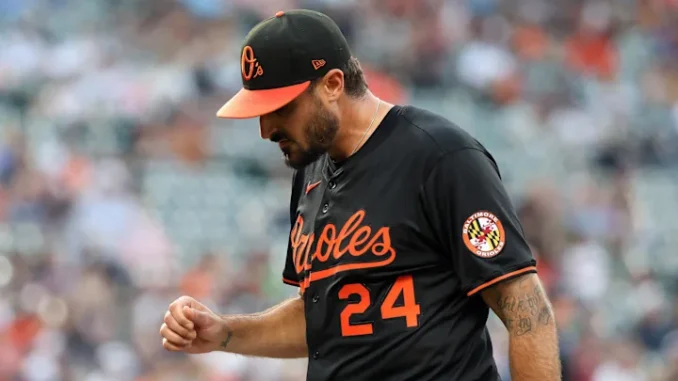
At this stage of the offseason, it would feel genuinely surprising if the Baltimore Orioles failed to land Framber Valdez — and not just surprising, but deeply deflating. From the very beginning of the winter, the organization has been clear and consistent about its priorities: adding a true, top-of-the-rotation starting pitcher. That objective has been stated openly, reinforced repeatedly, and framed as a necessary step for a team that believes it is ready to contend at the highest level. Anything short of delivering on that goal would represent a major disconnect between words and action.
While Baltimore did make a move by acquiring Shane Baz, that transaction never truly addressed the core issue. Baz is a talented arm with upside, but he does not check the box the Orioles themselves created. He is not a proven ace, nor is he the kind of established, dependable frontline starter who can anchor a postseason rotation and consistently match up with the best pitchers in October. Suggesting otherwise would be disingenuous. Baz may help, but he does not fulfill the mandate the front office set for itself.
That is why Framber Valdez has loomed so large over this entire offseason. The connection between the Orioles and Valdez has existed for months, resurfacing repeatedly as other options have come and gone. Each passing week has only strengthened the assumption that Baltimore is waiting for the right moment to finalize the move. At this point, it feels less like speculation and more like expectation. Fans are no longer wondering if the Orioles will pursue Valdez — they are waiting to see when the deal becomes official.
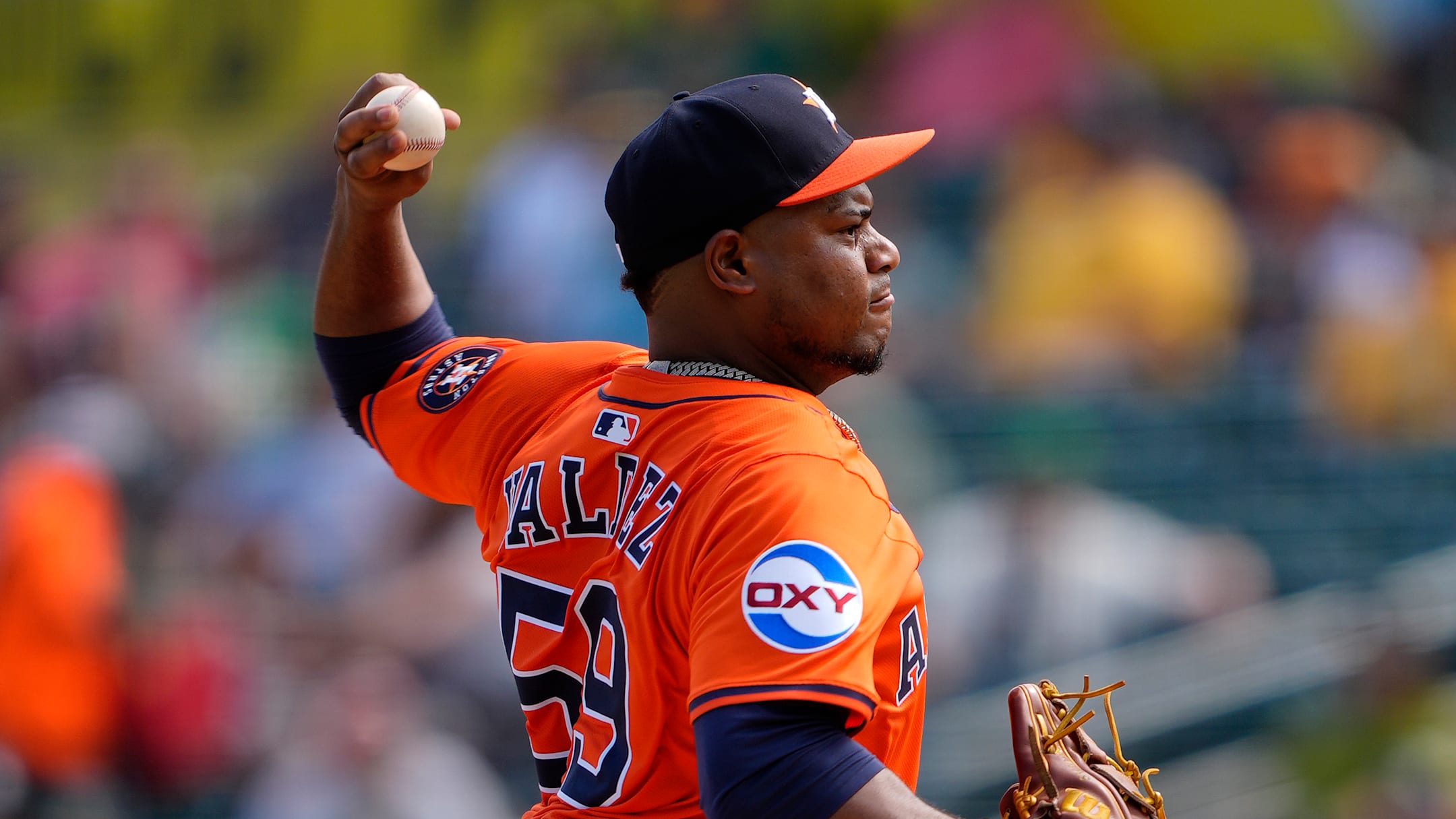
Of course, there are legitimate reasons for hesitation. Valdez is not a flawless pitcher, and any long-term investment in a starting arm carries inherent risk. Questions about workload, consistency, and long-term durability naturally arise, especially when discussing a pitcher who would immediately become the staff’s focal point. These concerns are real, and in a vacuum, they would warrant careful consideration.
MORE: Braves Top Prospect Lose 2026 Roster Spot
Yet those risks have not appeared to meaningfully slow Baltimore’s pursuit. The Orioles have continued to circle Valdez despite knowing the potential downsides, suggesting that they view him as the best available solution rather than a perfect one. That distinction matters. No pitcher on the market is without question marks, and Baltimore’s willingness to remain engaged signals an understanding that waiting for a flawless option is unrealistic.
What may ultimately push the Orioles toward decisive action is not just Valdez himself, but the bleak landscape that exists beyond him. When the remaining alternatives are examined closely, the drop-off is significant. The pitchers still available lack either the performance history, durability, or ceiling to credibly serve as a true No. 1 or even a high-end No. 2 starter on a contender. Some come with major health red flags. Others have limited track records or profiles that suggest regression rather than stability.
In that context, Valdez begins to stand out even more clearly. He represents the rare combination of experience, reliability, and impact that Baltimore’s rotation currently lacks. For a team with postseason aspirations, settling for a lesser option would not simply be conservative — it would be counterproductive. The Orioles are no longer in a rebuilding phase where incremental upgrades suffice. They are attempting to take the next step, and that step requires a pitcher capable of carrying meaningful innings in the biggest moments.
Failing to sign Valdez would therefore raise uncomfortable questions. If this offseason was truly about acquiring a frontline starter, then passing on the best remaining candidate would suggest either a shift in philosophy or a reluctance to fully commit to contention. Neither explanation would sit well with a fanbase that has watched this team grow, mature, and position itself as a legitimate force in the American League.
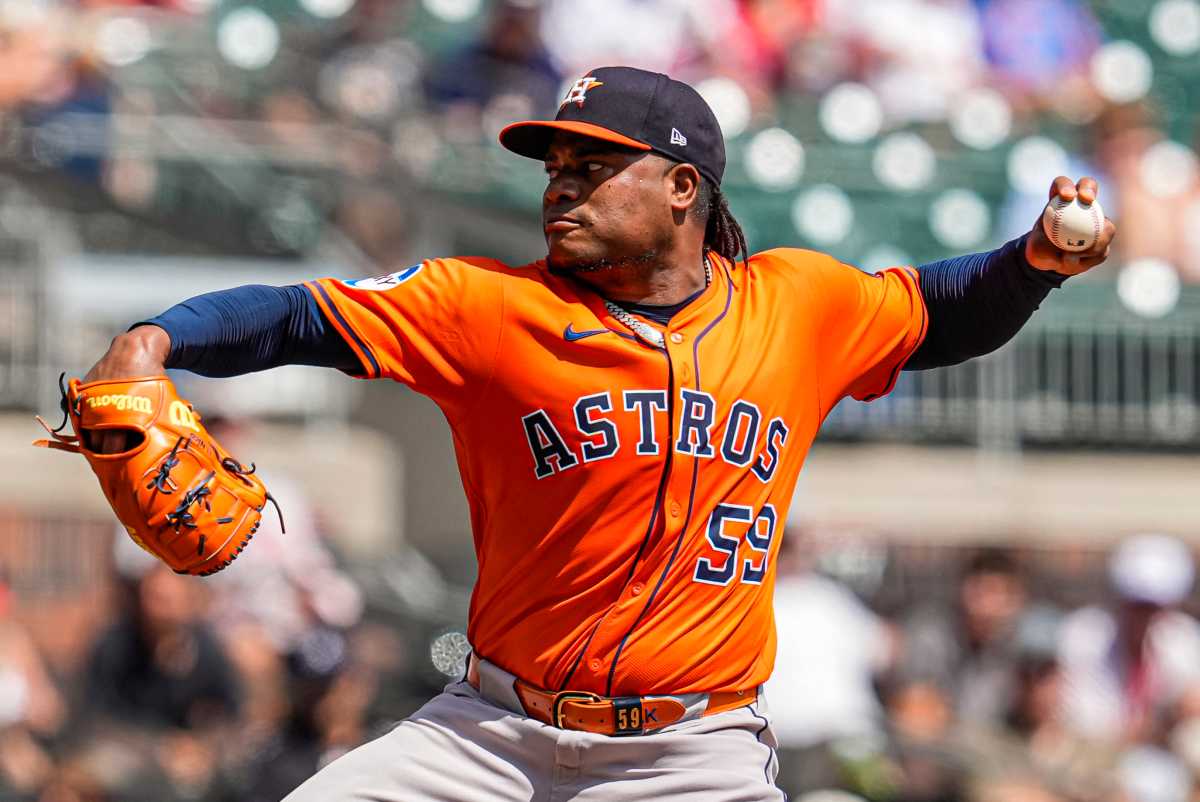
Ultimately, the situation has reached a point where expectations have been set — not by media speculation, but by the Orioles themselves. The front office identified a need, publicly acknowledged it, and spent the entire offseason linked to one specific solution. Backing away now would not just be a missed opportunity; it would feel like an unforced error.
MORE: Diamondbacks Roster Need Makes Perfect Reunion
Given the limited and uninspiring alternatives still on the table, the path forward seems increasingly obvious. If Baltimore is serious about maximizing its competitive window, reinforcing its rotation, and matching ambition with action, signing Framber Valdez is no longer just a possibility — it feels like the inevitable conclusion to an offseason that has been building toward this moment all along.
Orioles basically don’t have many (if any) good alternatives to signing Framber Valdez at this point
As the offseason continues to unfold and the supply of available starting pitchers steadily dwindles, it has become increasingly clear that the market no longer offers many options who can realistically be described as true difference-makers at the top of a rotation. Among the starters still unsigned, only one name can credibly be discussed as someone with legitimate front-of-the-rotation upside: Zac Gallen.
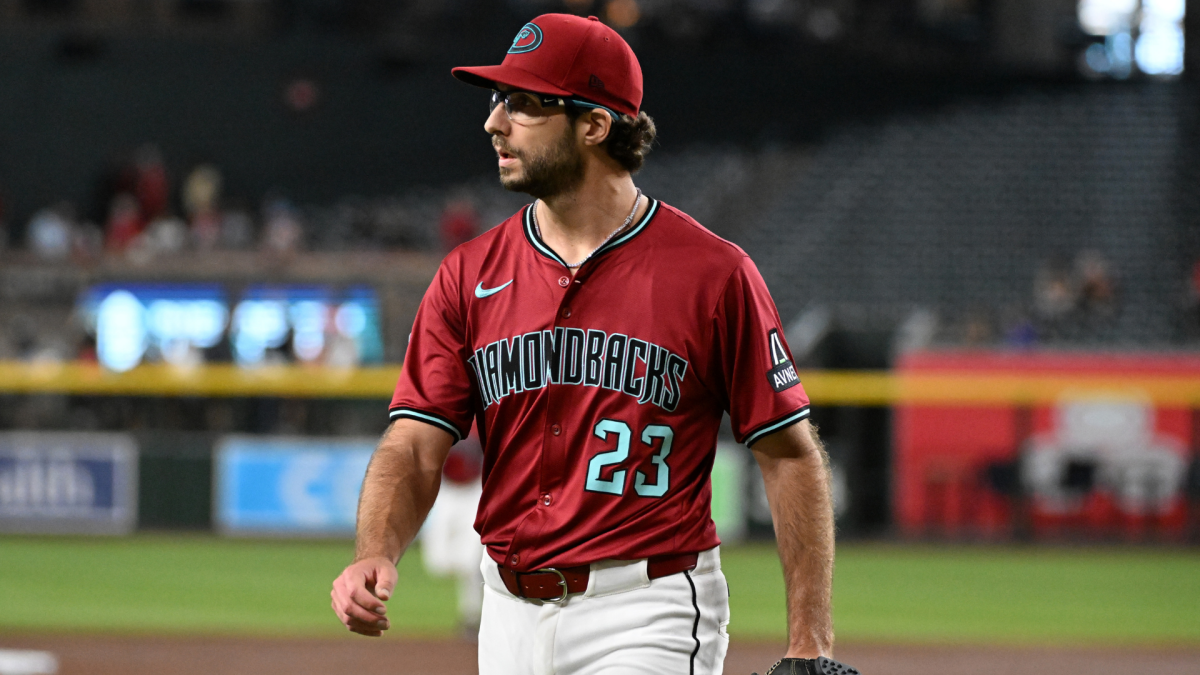
Gallen stands apart from the rest of the remaining field because of his track record, consistency, and ability to anchor a pitching staff when healthy and performing at his best. He has shown he can handle the workload of a No. 1 starter, miss bats at a high rate, and navigate deep lineups multiple times through the order. In a market where many arms come with visible limitations, whether due to age, injury history, or declining effectiveness, Gallen represents the rare pitcher who still checks most of the boxes teams look for when searching for an ace.
That said, even Gallen comes with notable complications. Signing him would almost certainly require forfeiting another draft pick due to the qualifying offer attached to his profile. For an organization that has spent years rebuilding its farm system and emphasizing long-term sustainability, surrendering additional draft capital is far from an ideal scenario. Draft picks are currency, particularly for teams that pride themselves on internal development, and giving one up adds real cost beyond the financial commitment of the contract itself.
MORE: Phillies bring back firepower tank as spring training draws near
There is also reason to believe that Gallen may not be seeking the type of deal that most teams envision when they talk about acquiring a rotation centerpiece. Rather than committing to a long-term contract, he could be motivated to pursue a shorter-term arrangement—one that allows him to re-enter the market as soon as next offseason.
By doing so, he would have the opportunity to rebuild or further elevate his value, ideally without the burden of a qualifying offer attached to him at that point. In that sense, Gallen’s goals may not align perfectly with teams hoping to lock in a stable, long-term solution at the front of their rotation.
Beyond Gallen, the rest of the pitching options available on the open market are riddled with questions. While there are recognizable names that continue to circulate in rumors and discussions, none of them truly move the needle in the way fans expect when teams talk about adding a “top-tier” starter.
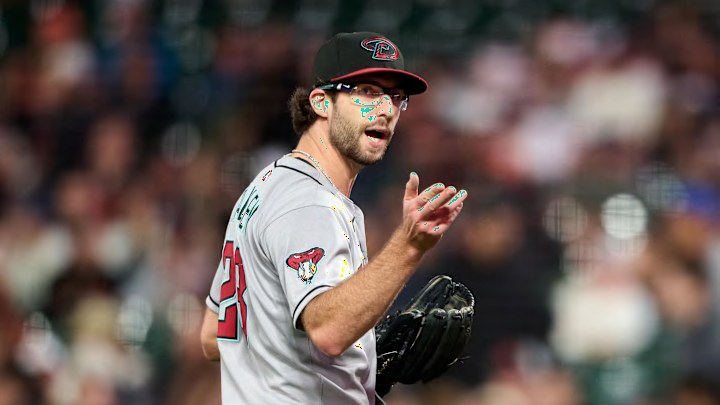
Chris Bassitt and Lucas Giolito, for example, remain two of the most frequently mentioned pitchers still looking for a home. Both are experienced veterans with substantial innings under their belts, and both have had stretches in their careers where they were highly effective. On the surface, their availability provides teams with a sense of security—these are pitchers who know how to navigate a big-league season, handle pressure, and give competitive outings more often than not.
However, at this stage of their respective careers, it is difficult to argue that either Bassitt or Giolito projects as more than a back-end rotation arm on a contending team. Bassitt’s durability and command make him a useful piece, but his ceiling has always been limited, and his margin for error continues to shrink as he ages. Giolito, meanwhile, has dealt with noticeable inconsistency and performance fluctuations, raising questions about whether he can still be trusted in high-leverage matchups against elite offenses.
MORE: Orioles Get Promising Update on Pursuit of Astros’ 3.66 ERA Star
There is nothing inherently wrong with adding a No. 4 starter. Depth matters, particularly over the grind of a 162-game season, and teams need reliable innings wherever they can find them. But adding pitchers of this caliber does not fulfill the expectation—or the promise—of acquiring an ace-level arm. These moves may stabilize the rotation, but they do not fundamentally change the team’s postseason outlook or significantly narrow the gap between contenders and pretenders.
What makes the current situation more intriguing is the fact that some discussions have extended beyond established veterans to include internal options, including younger arms still making their way through the system. One such name that has surfaced is pitching prospect Trey Gibson, who was referenced in a recent Baltimore Banner article as a potential candidate to factor into the rotation picture.
Gibson is an interesting case study. His surface-level numbers in the minor leagues do not immediately jump off the page, particularly when compared to the most heralded pitching prospects in the game. His run prevention metrics suggest solid but unspectacular performance, and there are legitimate questions about whether his overall profile aligns with that of a future rotation stalwart.
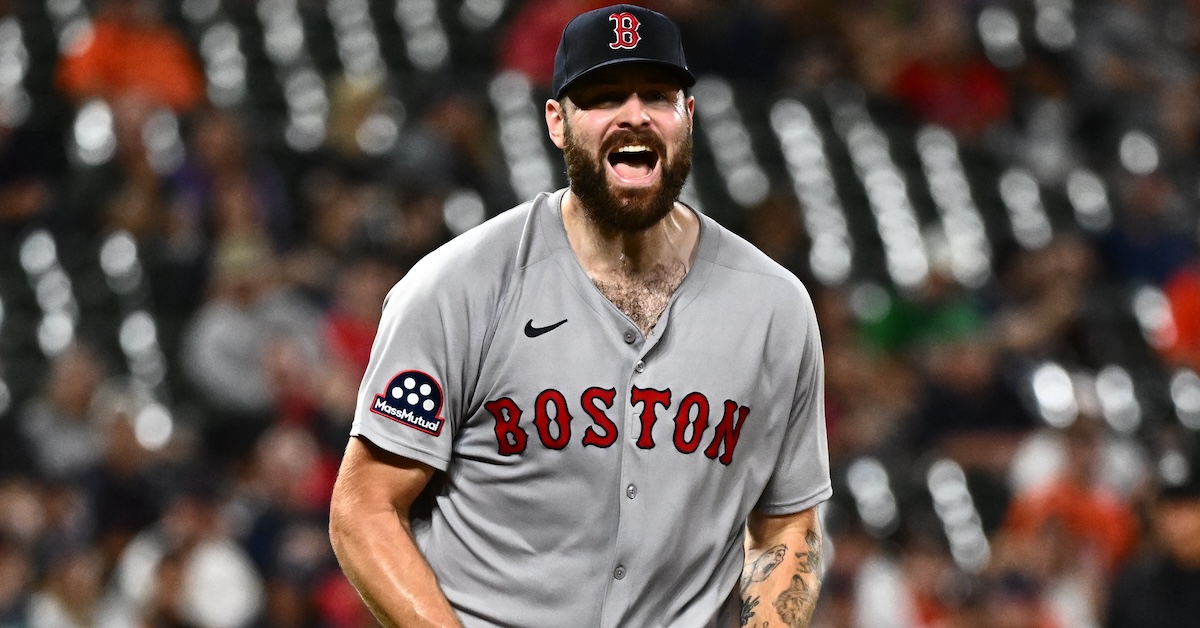
At the same time, Gibson has already reached Triple-A, which in itself speaks to the organization’s belief in his ability to handle advanced competition. He is a power arm capable of generating strikeouts, and velocity alone often gives pitchers a chance to succeed at the major-league level. In the right role, with proper development and refinement, Gibson could theoretically provide value as a starter or multi-inning option.
Still, projecting him as a meaningful solution to a rotation that has been openly searching for impact pitching feels overly optimistic. Asking a prospect with limited big-league experience to step in and shoulder significant responsibility is always a gamble, particularly for a team with postseason aspirations. While it is not impossible that Gibson could surprise, relying on that outcome would require a level of faith that borders on wishful thinking.
MORE: Red Sox reportedly taking flier on four-year major league veteran
Despite all of this, there remains time before the start of spring training for the Orioles to make the kind of significant pitching move they have been hinting at for months. The front office has repeatedly suggested that they are actively exploring options and remain committed to improving the rotation in a meaningful way. Those comments have fueled expectations among fans, who believe that a major acquisition—whether via free agency or trade—could still materialize.
Time, however, is not unlimited. As camps approach and rosters begin to take shape, the window for impactful additions narrows. Each passing day without a substantial move increases the pressure on the organization to deliver on the optimism it has helped create. Fans are not simply hoping for incremental improvement; they are expecting a decisive action that signals a serious commitment to contention.
If the offseason ultimately concludes without such a move, the disappointment will extend beyond mere frustration. It will be difficult for supporters not to feel misled by the months of buildup and messaging. When a team repeatedly emphasizes the need for pitching upgrades and hints at bold action, failing to follow through risks eroding trust.
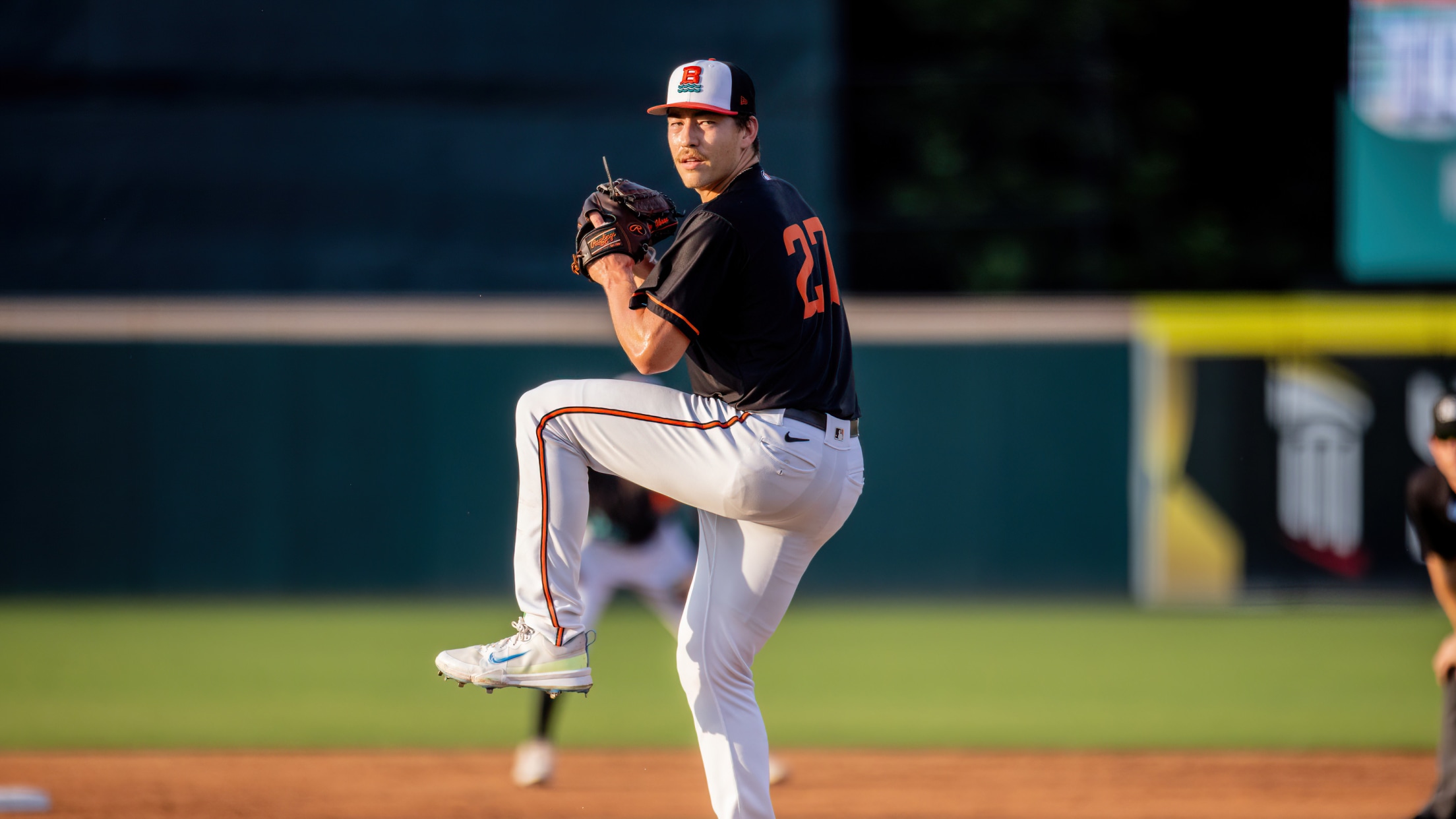
This is especially true for a fan base that has endured years of rebuilding and patience. Supporters have bought into the long-term vision, accepted short-term struggles, and celebrated the emergence of a promising young core. With that context, expectations naturally rise once the team reaches a point where it appears ready to compete at a higher level.
MORE: Mets get significantly excellent news on injured reliever
Failing to capitalize on this moment—particularly when it comes to addressing a well-documented weakness like the starting rotation—would feel like a missed opportunity. More than that, it would create a lingering sense that the organization talked a bigger game than it was willing to play. For fans, the issue would not simply be the absence of an ace, but the gap between what was promised and what was delivered.
Ultimately, the coming weeks will reveal whether the Orioles are prepared to make the kind of aggressive move that validates their rhetoric. The ingredients for contention are already in place, but without a true rotation upgrade, the roster may remain incomplete. Whether through signing a pitcher like Gallen, exploring a bold trade, or taking a calculated risk on internal options, the front office’s next steps will define not only the upcoming season, but also the credibility of its long-term vision.


Be the first to comment