The flurry of moves made by the New York Mets over the course of the offseason has dramatically reshaped the organization’s roster, particularly within the infield. A front office determined to rebound from disappointment has been aggressive in free agency and on the trade market, adding established veterans and reshuffling positional responsibilities.
While those moves have helped stabilize the big-league club, they have also created a logjam for some of the team’s younger position players who once appeared central to the Mets’ long-term plans.
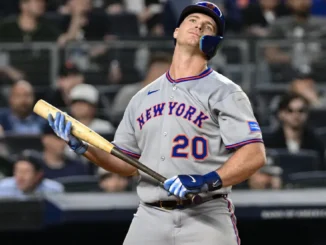
Among those players most affected by the roster crunch is Brett Baty. Once viewed as a cornerstone third baseman of the future, Baty now finds himself without a clear everyday role in New York. That reality has fueled speculation around the league that the Mets could look to deal from their surplus of young infield talent in order to address other organizational needs—particularly pitching depth.

One intriguing scenario recently floated by ESPN imagines the Mets capitalizing on this positional surplus to acquire one of the most unusual and fascinating arms in professional baseball. In a proposed deal involving the Seattle Mariners, New York would send Baty west in exchange for switch-pitching prospect Jurrangelo Cijntje and established reliever Matt Brash.
MORE: Braves Officially Makes Perfect Reunion After Recent Setback
The idea was put forward by ESPN analyst David Schoenfield, who outlined how such a trade could address pressing needs for both franchises while also aligning with their long-term strategies. From the Mets’ perspective, the deal would allow them to convert an increasingly redundant position player into two pitchers who could strengthen both their present bullpen and their future rotation. For Seattle, it would fill a glaring hole at third base while maintaining payroll flexibility and preserving long-term roster balance.
At the center of the Mets’ side of the equation is Baty, a former first-round pick whose bat has long intrigued evaluators. While his offensive profile remains promising, circumstances in New York have shifted dramatically. The Mets’ signing of star infielder Bo Bichette effectively shut the door on Baty’s path to everyday at-bats at third base. Although he could theoretically slide across the diamond or take on designated hitter duties, those roles are already spoken for.
Veteran infielder Jorge Polanco provides stability and experience, while emerging slugger Mark Vientos has earned significant playing time with his power potential. In that context, Baty’s opportunities in New York appear limited, and it becomes increasingly difficult to justify keeping him on the roster without a defined role.
Schoenfield noted that this situation could prompt Mets president of baseball operations David Stearns to explore trade possibilities. Stearns has already demonstrated a willingness to move young talent in order to accelerate the team’s competitive timeline, as evidenced by his aggressive pursuits of established stars and frontline pitching. Dealing Baty could represent another step in that philosophy, particularly if it helps replenish organizational pitching depth after recent blockbuster trades involving Freddy Peralta and Luis Robert Jr..
MORE: “Fights for return to role” Cardinals evaluating catching depth
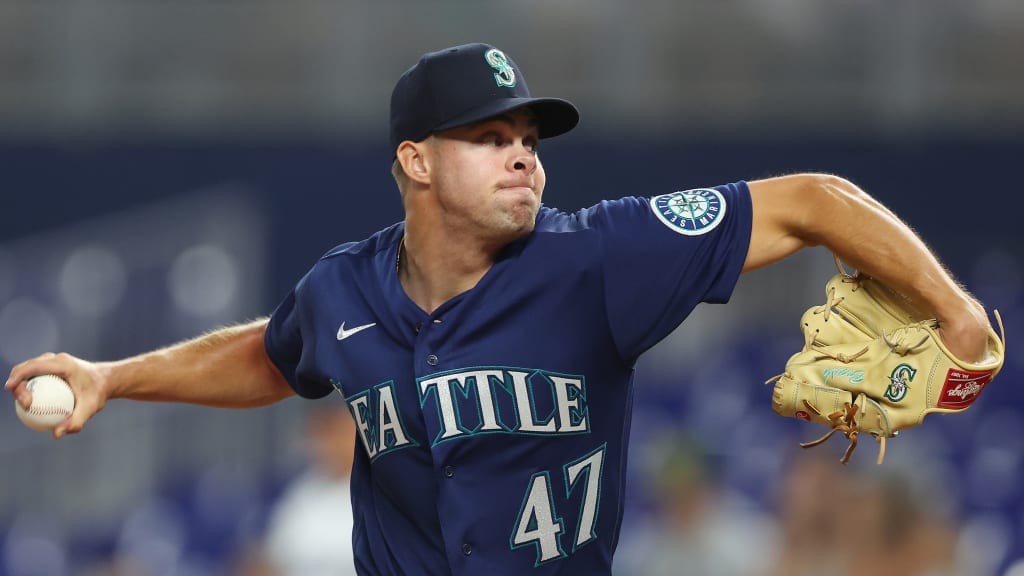
In return, the Mets would acquire two very different but complementary arms. Brash is the more familiar name, having already proven himself as a capable major league reliever. Known for his electric stuff and high strikeout rates, Brash would immediately bolster a bullpen that has been an area of focus for New York. His presence would give the Mets another late-inning option and help protect a rotation that has dealt with inconsistency and injuries in recent seasons.
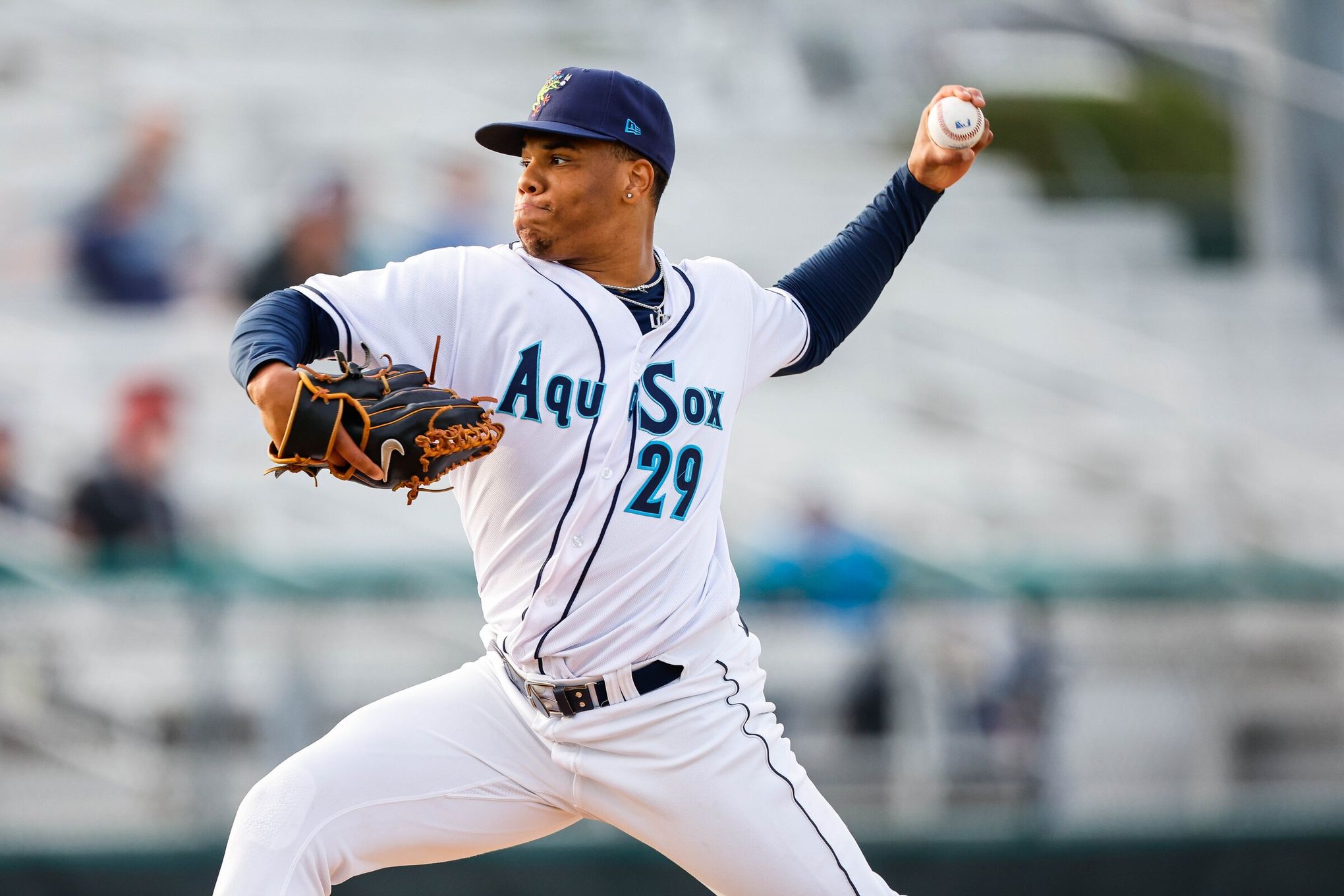
The more fascinating component of the deal, however, is Cijntje. Selected by Seattle in the first round of the 2024 MLB Draft, Cijntje has captured widespread attention for his rare ability to pitch with both arms. Unlike traditional switch-hitters, switch-pitchers are almost unheard of in modern baseball, making Cijntje one of the most unique prospects in the sport.
What makes Cijntje particularly compelling is not just the novelty of his ambidexterity, but the strategic advantages it offers. Seattle has taken a carefully structured approach to his development, opting not to have him switch arms mid-game. Instead, the Mariners have designed a schedule in which he throws with one arm during mid-week outings and uses the other arm on weekends. This allows him to remain fresh, limits strain, and effectively doubles his availability compared to conventional pitching prospects.
This approach also provides Cijntje with a wider margin for success. If one arm ultimately proves to be better suited for major league competition, that alone could still carry him to the highest level. In essence, he has two independent paths to the majors, along with the tantalizing possibility that both arms develop well enough to make him a true anomaly—a pitcher capable of succeeding from either side.
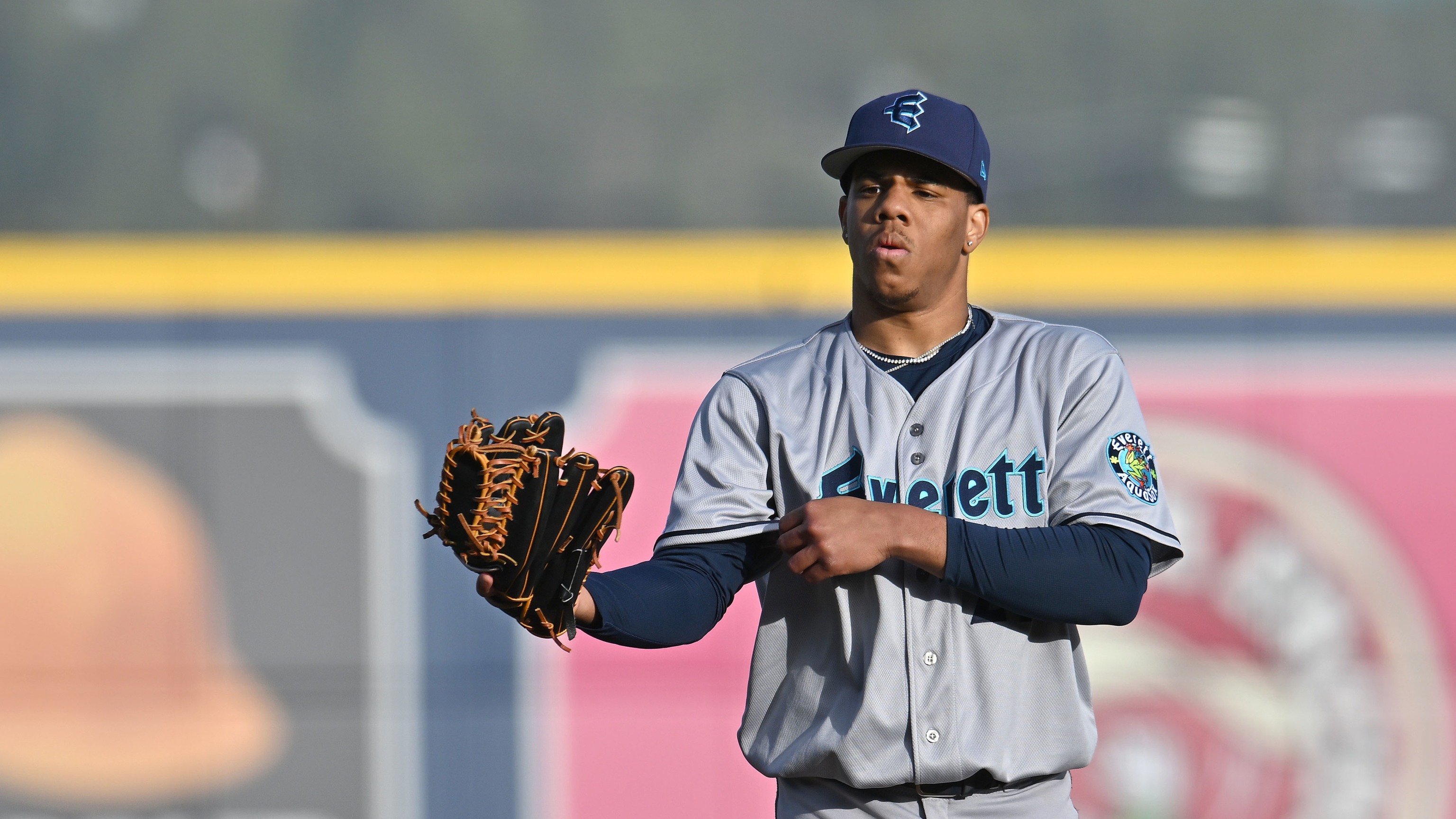
From the Mets’ standpoint, acquiring Cijntje would represent a high-upside investment. While he is not expected to be MLB-ready in the immediate future, his raw power and unconventional skill set make him an intriguing long-term rotation candidate. For an organization seeking to blend star power with depth and innovation, Cijntje could be a perfect fit.
MORE: Phillies’ 6-Year Veteran Officially Joins Hated Rival Mets
On the other side of the deal, the Mariners would address a clear positional need. Seattle has been searching for stability at third base, and Baty could provide exactly that. Still in his pre-arbitration years, Baty offers strong value relative to cost, fitting neatly into the Mariners’ payroll structure. He would come with four additional years of team control, giving Seattle ample time to evaluate his development and integrate him into their long-term core.
Schoenfield highlighted that Baty is coming off a season in which he produced 3.1 wins above replacement, a mark that reflects meaningful improvement, particularly on the defensive side. His growth at third base could allow Seattle to maintain flexibility elsewhere on the infield, especially with regard to prospect development.
By acquiring Baty, the Mariners could also afford to be patient with top prospect Colt Emerson, giving him more time to refine his game in the minors before potentially taking over at shortstop when veteran J.P. Crawford reaches the later stages of his tenure. This staggered approach would help Seattle avoid rushing young talent while keeping the major league roster competitive.
Even after parting with Cijntje, the Mariners would remain well-stocked in terms of pitching prospects. The organization would still boast two top-100 arms in Kade Anderson and Ryan Sloan, ensuring that their pipeline remains robust. That depth gives Seattle the flexibility to trade from strength without compromising their long-term pitching outlook.
MORE: Mets Officially Lose Veteran Right-Handed Reliever
In the end, this hypothetical trade represents a rare example of a proposal that appears to align cleanly with the goals of both teams. The Mets would convert an increasingly expendable position player into pitching reinforcements that address immediate and future needs. The Mariners would secure a controllable, productive infielder while preserving financial and developmental flexibility.
While there is no guarantee such a deal will ever materialize, it underscores how roster construction, timing, and organizational philosophy intersect during the offseason. For New York, it would be another step in an aggressive push toward contention. For Seattle, it could be a calculated move to balance the present with the future. If circumstances align, this kind of trade has the potential to benefit both sides in meaningful ways.


Be the first to comment