
The New York Mets, While much of Major League Baseball was consumed by debates over arbitration figures and public scrutiny of which franchises were tightening their wallets, the New York Mets were quietly navigating the margins of their roster. Rather than making headlines with blockbuster transactions, the Mets focused on incremental adjustments, balancing minor personnel decisions with a willingness to meet their financial obligations to players already in the organization.
One such move involved catcher Drew Romo, who was claimed off waivers by the Chicago White Sox. Romo, once a first-round draft pick, had only recently landed in the Mets’ system after New York put in a waiver claim earlier in the offseason. However, his stay proved to be short-lived. When the Mets attempted to sneak him through waivers again, another club stepped in, ending any chance for Romo to develop further within the organization.
From the Mets’ perspective, this marked the conclusion of what amounted to a low-risk experiment—an attempt to see whether a former high-upside prospect could be reclaimed or reshaped. Instead, Romo became a reminder of how fleeting roster opportunities can be, especially for players hovering on the edge of the 40-man roster.
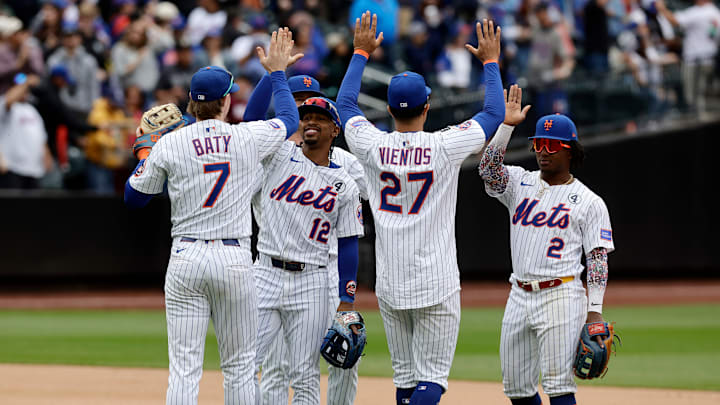
Losing Romo also underscored the constant churn that defines the back end of an MLB roster. These types of players are often shuffled from team to team, valued less for immediate production and more for potential depth or developmental upside.
MORE: “Asolutely Sad” Padres received $240 million contract nightmare
In Romo’s case, the Mets simply ran out of room and patience, and another organization was willing to take on the project instead. For New York, it was a relatively quiet departure that barely registered amid louder league-wide conversations about spending habits and arbitration disputes.
Another waiver-related storyline involved Ji Hwan Bae, who, unlike Romo, managed to remain with the Mets for the time being. Bae himself had been a waiver pickup earlier in the offseason, coming over from the Pittsburgh Pirates. His arrival immediately sparked debate among fans, not because of his on-field skill set, but due to his past.
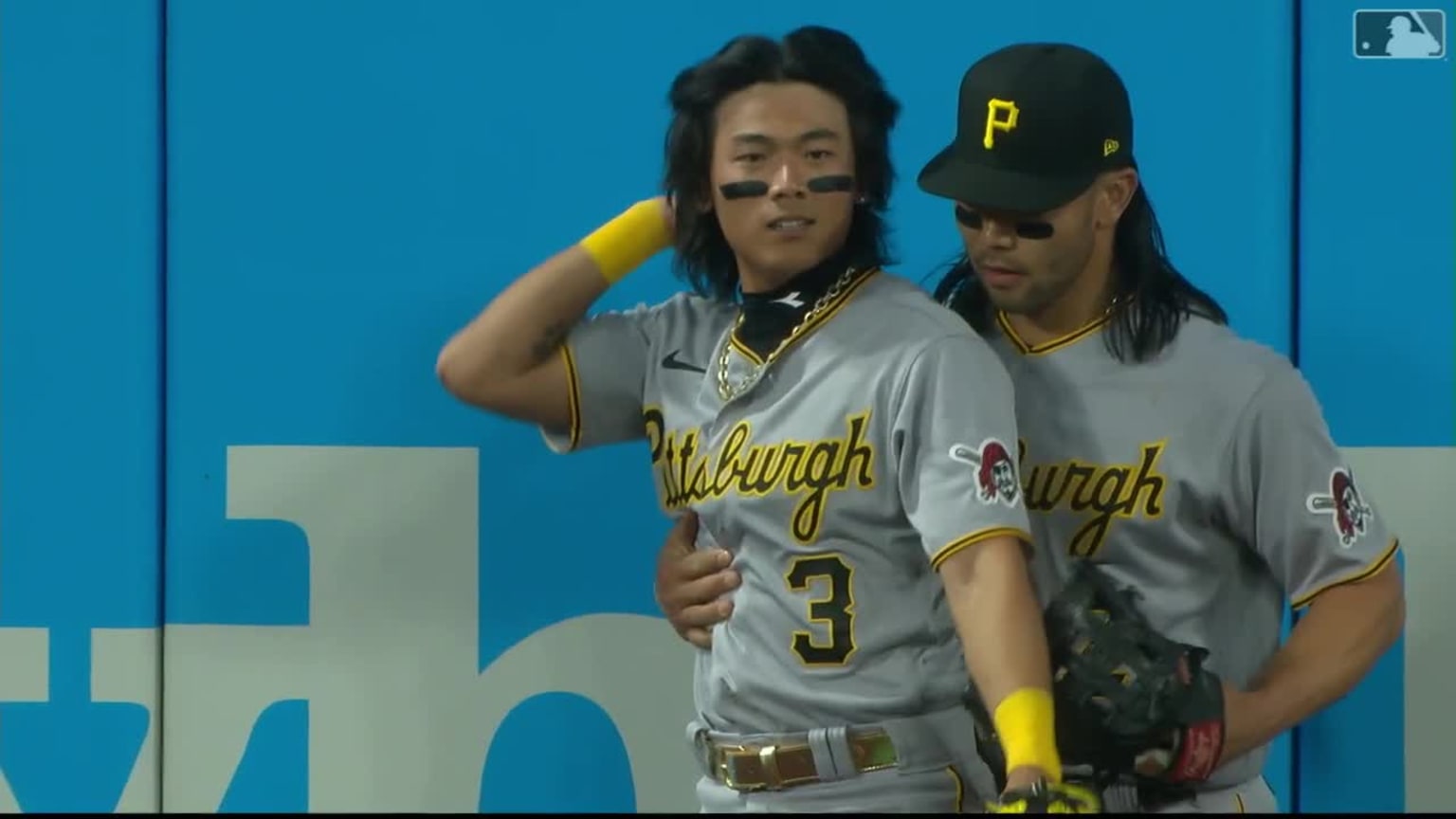
Bae served a domestic violence suspension in 2019, and that history made his addition to the organization a controversial one from the start. Many supporters questioned why the Mets would even consider bringing him into the fold, given the baggage attached to his name.
For now, Bae’s presence in the organization appears to be largely out of sight and out of mind. He survived the waiver process and remains under team control, but he is buried in the minor leagues with no clear path to the major league roster.
MORE: Red Sox latest move sign elite reliever so solidify bullpen
This positioning suggests that the Mets are in no rush to elevate him, instead treating him as organizational depth rather than a meaningful part of their immediate plans. His survival on waivers may say more about league-wide perceptions than anything else—other teams were either unwilling or uninterested in claiming him, allowing the Mets to retain him without further complication.
Taken together, these moves highlight how the Mets’ offseason has not been defined solely by splashy signings or dramatic payroll decisions. While other teams drew attention for either pinching pennies or handing out lucrative contracts, New York quietly worked through the less glamorous aspects of roster management. Waiver claims, minor league assignments, and the constant evaluation of fringe players may not generate headlines, but they remain essential components of building organizational depth.
In the end, the Mets’ handling of Romo and Bae reflects a front office willing to explore low-cost opportunities while also moving on quickly when those gambles fail to pay off. It’s a reminder that even in an offseason dominated by money talk and arbitration drama, much of the real work happens in subtle, easily overlooked transactions that shape the roster from the bottom up.
The Mets preemptively cleared two 40-man roster spots rather than wait for an addition to free them up

Romo once appeared to be a legitimate candidate to enter spring training with a real opportunity. At the very least, he figured to be part of a competition with Hayden Senger for the No. 3 catcher role, a spot that often comes down to defense, familiarity with pitchers, and a willingness to accept irregular playing time. That possibility is now off the table. Whatever intrigue existed around Romo as a depth option has evaporated, closing the door on what could have been a quietly competitive camp battle behind the plate.
Bae’s situation was different, though not necessarily clearer. On paper, there was a thin logic to the idea of stashing him in the minor leagues as a utility option. He can move around the field, covering several positions in a pinch, and that kind of versatility often appeals to front offices trying to stockpile insurance. Still, when talent level and off-field considerations were weighed together, the move was hard to justify. From both a baseball and a moral standpoint, it felt like a decision that raised more questions than it answered.
MORE: Braves-Royals Blockbuster Trade Idea Lands Southpaw Starter for $73 Million All-Star
Ji Hwan Bae was among the earliest additions made by the New York Mets during the offseason. Claimed on November 6, the timing itself was notable. Rather than waiting for the market to develop or surveying other depth options, the Mets acted quickly. Bae’s major league track record did little to inspire confidence. Across parts of four seasons with the Pittsburgh Pirates, he struggled to secure consistent playing time, bouncing between roles without ever establishing himself as an everyday contributor.
At his best, Bae offers speed. He can swipe a base, create a bit of chaos on the basepaths, and provide a spark in limited situations. Unfortunately, that’s largely where the list of positives ends. His bat has never proven reliable at the major league level, and his defensive flexibility, while useful in theory, often feels more like a temporary fix than a long-term solution. He profiles less as a player you build around and more as someone you plug in when other options are unavailable.
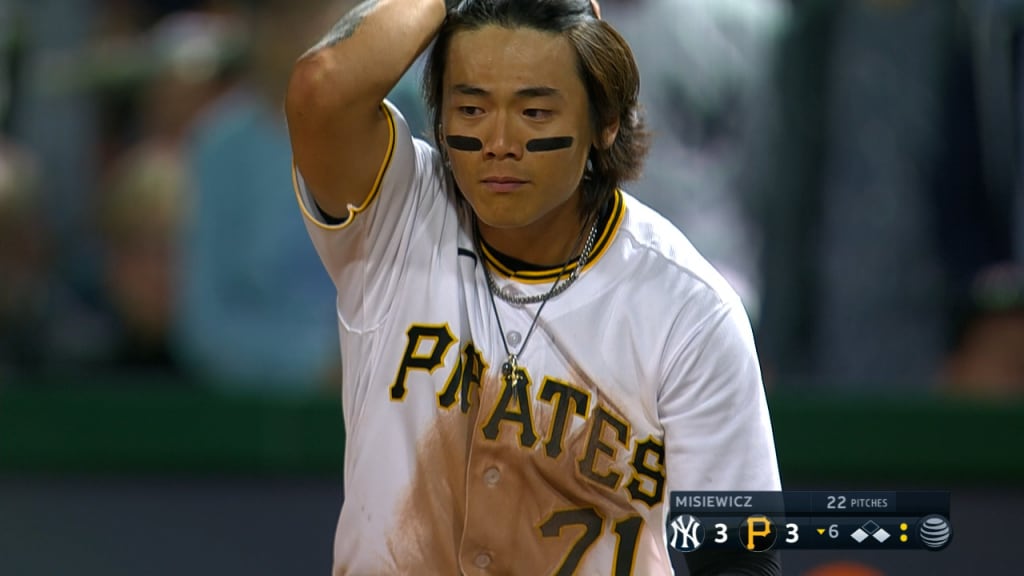
The Mets’ decision to claim him carried additional baggage. Asking the fan base to quickly move past his suspension history was an unrealistic expectation. This was not a high-impact signing that demanded attention because of on-field upside, nor was it a necessity born of roster desperation. Instead, it felt rushed, and that haste only amplified the skepticism surrounding the move. With a full offseason ahead and numerous other paths available, the urgency to grab Bae off waivers struck many as unnecessary.
Unsurprisingly, the reaction from Mets fans was swift and largely negative. For some, it wasn’t just confusion but disappointment. The move chipped away at trust, even if only slightly, and created the impression that the organization was willing to take on avoidable controversy for marginal depth. That backlash didn’t go unnoticed. Other teams around the league likely took note, recognizing that claiming Bae would invite scrutiny without offering much tangible reward. In that sense, the Mets may have inadvertently cooled the market themselves.
From a roster construction standpoint, moving Bae off the 40-man roster clears more than just a name. It creates flexibility, and flexibility is currency during the offseason. A vacated 40-man spot opens the door to a legitimate major league addition—someone who can actually contribute meaningfully rather than merely filling space. It also allows the front office to explore more creative or intriguing options, whether through free agency, trades, or additional waiver claims that carry less baggage and more upside.
MORE: Reds-Guardians Trade Idea Sees Brady Singer, Hector Rodriguez, and Rece Hinds in 4-Player Haul
This shift also subtly reshapes the depth chart. Players such as Jose Rojas, Jose Ramos, and Cristian Pache now find themselves with clearer paths to opportunities, at least in the sense that there is less clutter ahead of them. While none of those names are guaranteed impact contributors, their profiles align more cleanly with traditional depth roles—players who can compete, develop, or provide situational value without overshadowing the bigger picture.
In the end, the brief Bae experiment serves as a reminder that not all roster moves are created equal. Some are low-risk gambles worth taking; others carry hidden costs that outweigh any marginal benefit. For the Mets, stepping away from this particular decision may prove to be addition by subtraction. Clearing the roster spot restores flexibility, refocuses the offseason strategy, and signals a willingness to recalibrate after a move that never quite made sense in the first place.




Be the first to comment