The Arizona Diamondbacks have added another layer of depth to their pitching staff, reaching an agreement with right-handed pitcher Thomas Hatch on a minor league contract that includes a non-roster invitation to major league Spring Training. The news was first reported by MLB Trade Rumors, via Anthony Franco, and it reflects Arizona’s ongoing effort to quietly bolster organizational pitching depth without making major financial commitments.
For Hatch, now 31 years old, the deal represents another opportunity to revive a major league career that once showed promise but has since followed a winding, unpredictable path through multiple organizations, injuries, overseas baseball, and short-term depth roles. For the Diamondbacks, the signing is a low-risk move aimed at uncovering value in a pitcher who has previously demonstrated the ability to succeed at the highest level, even if that success has been fleeting.
Hatch most recently pitched in the Minnesota Twins organization, where his role and results were shaped heavily by context rather than expectations. The Twins claimed him off waivers from the Kansas City Royals in early August, shortly after Minnesota executed one of the most aggressive sell-offs at the trade deadline in recent franchise history. At that point, the Twins had already signaled that their season was effectively over, moving five key bullpen arms—Jhoan Durán, Griffin Jax, Louis Varland, Brock Stewart, and Danny Coulombe—in exchange for future assets.
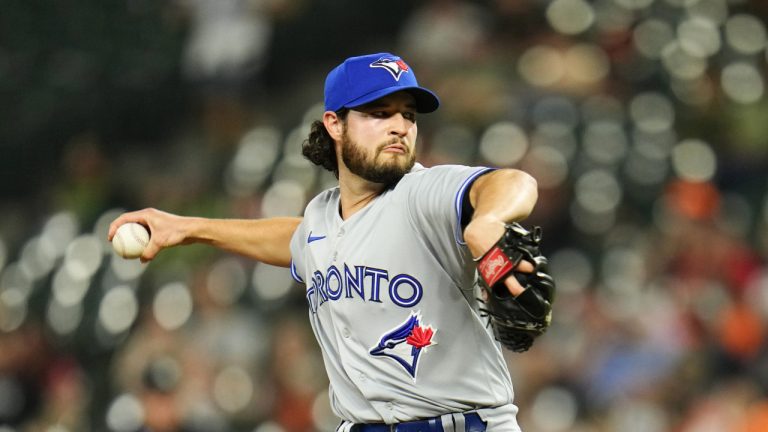
That flurry of trades left Minnesota with an immediate and practical problem: innings still needed to be covered for the remainder of the season. Hatch, despite his uneven track record, fit that need perfectly. He was not acquired to be a difference-maker or a late-season stabilizer for a playoff push. Instead, he was brought in to absorb workload, protect younger arms, and allow the Twins to reach the finish line of a lost season without overextending pitchers who might be part of future plans.
MORE: Mets make move to acquire Nationals ace
In that narrow sense, Hatch did exactly what was asked of him. Over 33 innings with Minnesota, he served primarily as a long reliever, stepping into low-leverage and mop-up situations to keep games manageable. The results, however, were far from impressive. Hatch finished his stint with the Twins carrying a 5.45 earned run average, striking out 21 batters while issuing six walks. Those numbers reflected a pitcher who struggled to consistently miss bats and who was often punished for mistakes in the strike zone.
Still, performance was only part of the evaluation. The Twins were well aware that they were not bound for the postseason, and in that context, Hatch’s ability to simply take the ball and provide innings had real value. Teams in rebuilding or transitional phases often prioritize durability and availability over effectiveness, particularly late in the season when rosters are thin and development goals outweigh wins and losses.
Once the 2025 season concluded, Hatch elected free agency, a decision that opened the door for Arizona to step in. The Diamondbacks, seeing an opportunity to add experienced depth at minimal cost, moved quickly to bring him into the organization.
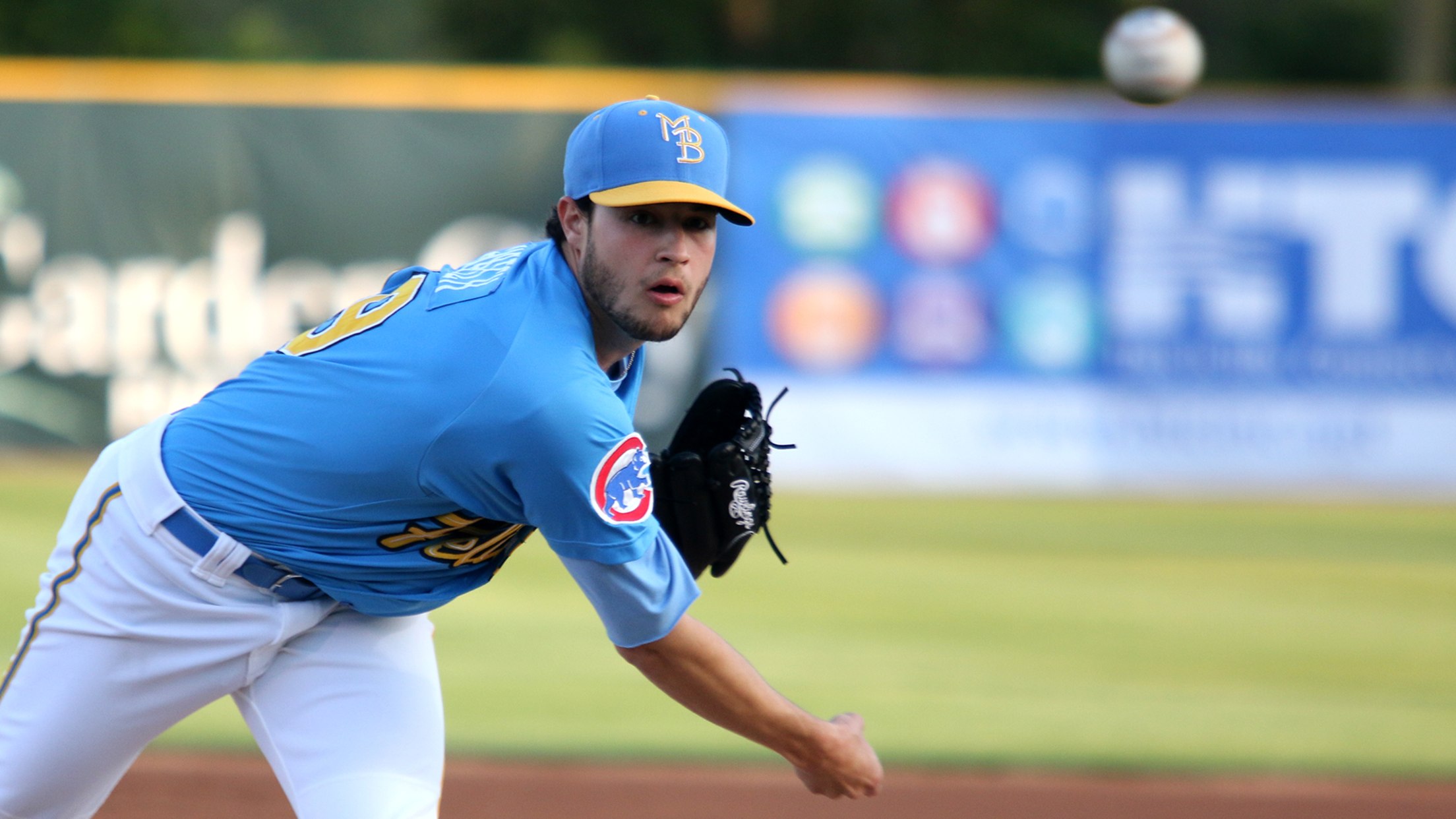
To understand why Hatch continues to draw interest despite uneven results, it helps to revisit the early stages of his career. He was originally selected by the Chicago Cubs in the third round of the 2016 MLB Draft out of Oklahoma State University. At the time, scouts viewed Hatch as a polished collegiate arm with a strong competitive makeup and the potential to contribute relatively quickly, even if his ceiling was not considered elite.
His tenure with the Cubs organization, however, was short-lived. At the 2019 trade deadline, Chicago packaged Hatch in a deal with the Toronto Blue Jays, acquiring veteran reliever David Phelps in return. For Toronto, the trade represented a classic upside play: a controllable arm with major league readiness who could help bridge the gap during a transitional period.
That gamble appeared to pay off almost immediately. During the shortened 2020 season, Hatch debuted in the majors and delivered arguably the best stretch of his professional career. Across 26 1/3 innings, he posted an impressive 2.73 ERA, demonstrating an ability to keep hitters off balance and limit hard contact. While the sample size was small, the performance suggested that Hatch could be a viable multi-inning reliever or even a back-end starter if developed properly.
MORE: Red Sox fills Alex Bregman void with the addition of Mariners’ star slugger Eugenio Suarez
Unfortunately, that momentum stalled almost as quickly as it began. In 2021, Hatch made just three appearances for Toronto before being sidelined by right elbow impingement. The injury disrupted his development and raised concerns about his long-term durability. Over the next two seasons, his opportunities remained sporadic. He logged only one appearance in 2022 and 18 more in 2023, never fully regaining the consistency or command that marked his rookie campaign.
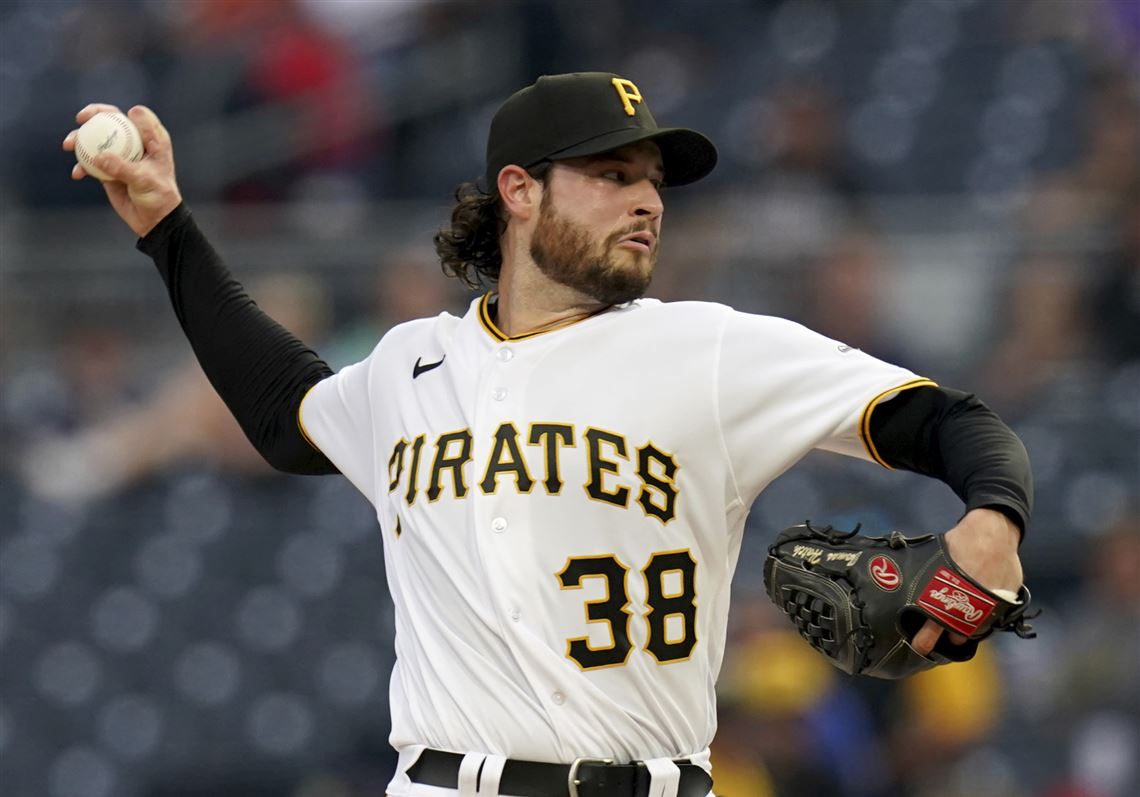
By August 4, 2023, Toronto designated Hatch for assignment, effectively conceding that he no longer fit into their long-term pitching plans. Shortly thereafter, the Pittsburgh Pirates claimed him, offering yet another chance to reset his career in a new environment.
With Pittsburgh, Hatch delivered serviceable, if unspectacular, results. He posted a 4.03 ERA across 22 1/3 innings during the remainder of the 2023 season, showing flashes of competence without establishing himself as a core bullpen piece. For the Pirates, who were still navigating their own rebuild, Hatch again functioned primarily as depth rather than a building block.
The following year took Hatch even farther from the traditional major league path. In 2024, he spent the entire season pitching in Japan, a move that allowed him to continue competing professionally while potentially refining his approach away from the intense scrutiny of MLB. While his time overseas did not generate significant headlines, it played a role in keeping his career alive and demonstrating his willingness to adapt.
Hatch returned stateside ahead of the 2025 season, signing a minor league deal with the Royals on February 7. His stint in Kansas City was brief; he made just one appearance before being designated and eventually claimed by Minnesota. That rapid sequence of moves underscored his standing within the league at that point: a known quantity, useful in specific circumstances, but easily replaceable.
In hindsight, the Twins ultimately achieved what they set out to accomplish with Hatch. He filled innings, allowed the organization to preserve younger arms, and helped stabilize a pitching staff that had been stripped down at the deadline. There was no expectation that he would rediscover his rookie-season form, and his struggles likely had little impact on the club’s broader trajectory.
MORE: Braves trade top prospect Hurston Waldrep for Brewers’ $15M Young arm to fill major void
In fact, one could argue that Hatch’s presence indirectly benefited Minnesota in an unexpected way. With the team firmly entrenched near the bottom of the standings, every loss marginally improved their draft position. By season’s end, the Twins secured the third overall pick in the 2026 MLB Draft—a valuable asset in any rebuilding effort. While Hatch was hardly the sole factor in that outcome, his inability to significantly alter game results certainly did not hurt their chances.
Now, the Diamondbacks are betting that a different environment, combined with low expectations and no guaranteed roster spot, might allow Hatch to tap back into the form he displayed earlier in his career. Arizona has quietly developed a reputation for extracting value from overlooked arms, particularly those willing to embrace flexible roles and mechanical adjustments.
For Hatch, the path forward is narrow but clear. He will need to prove himself during Spring Training, showing improved command, durability, and the ability to neutralize hitters in short stints. If he can do that, he may carve out a role as a long reliever or depth starter, providing insurance over the course of a long season. If not, the Diamondbacks can move on with minimal cost or consequence.
Ultimately, this signing is emblematic of the margins on which modern roster construction often operates. Not every acquisition is designed to move headlines or shift expectations. Some are simply about preserving options, creating competition, and seeing whether a once-promising arm has one more useful chapter left to write. For Thomas Hatch and the Diamondbacks, this minor league deal represents exactly that kind of quiet, calculated gamble.

Be the first to comment