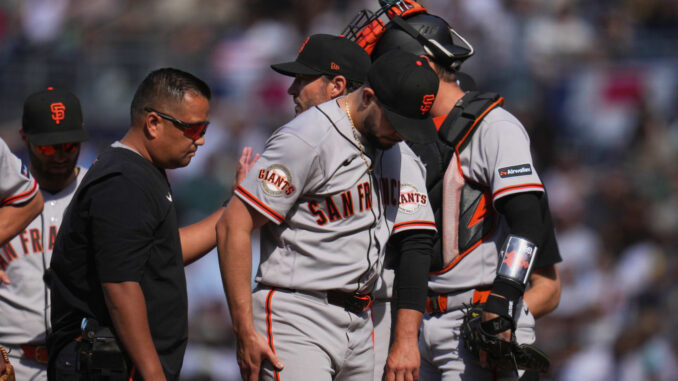
The San Francisco Giants continue to face mounting challenges early in the season, and their pitching staff has once again taken a hit with troubling news surrounding reliever José Buttó. At a time when the team is already dealing with inconsistency and underperformance on the mound, the latest update regarding Buttó only deepens concerns about the state of the bullpen and overall pitching depth.
The Giants confirmed on Saturday that Buttó will be sidelined for an extended period after undergoing surgery to address a significant vascular issue in his pitching arm. According to the team’s official statement, he is expected to miss approximately five to six months following a procedure designed to repair his axillary artery in his upper right arm.
The announcement immediately raised alarm, not only because of the length of his expected recovery but also due to the nature of the injury itself, which involves a critical artery connected to blood flow in the shoulder and arm area.
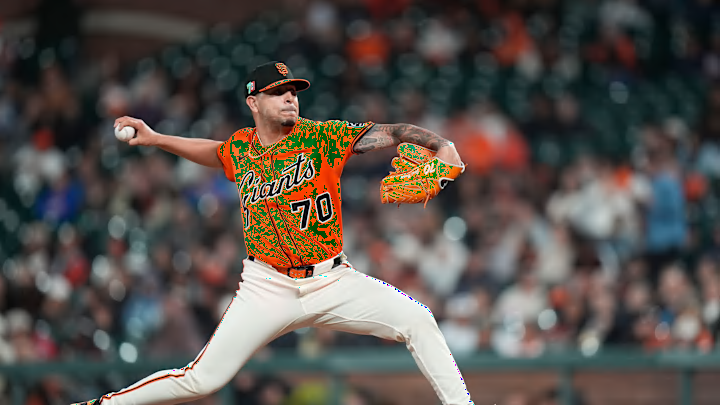
In the detailed team release, San Francisco explained the medical situation and provided clarity on the procedure and recovery timeline. The statement read: “José Buttó (right arm fatigue) had surgery yesterday with Dr. Jason Lee at Stanford Medical Center to repair an axillary artery in his upper right arm. He will begin the rehab process next week.
Return to play is approximately five to six months,” as reported by Susan Slusser. This official update confirmed both the seriousness of the condition and the fact that Buttó will need a lengthy rehabilitation process before he can even begin to think about returning to competitive pitching.
MORE: Red Sox Pressured to Promote No. 7 Prospect as Bullpen Reinforcement
The procedure was performed by Dr. Jason Lee at Stanford Medical Center, one of the leading medical facilities in the country, particularly known for handling complex sports-related surgeries. While the Giants expressed optimism that Buttó will eventually recover fully, the timeline suggests that his absence will stretch deep into the middle of the season, if not longer depending on how his rehabilitation progresses.
Buttó’s injury stems from issues initially described as right arm fatigue, which ultimately led to further evaluation and the discovery of the vascular complication. What began as a relatively common pitching concern escalated into something far more serious, forcing the Giants to shut him down and pursue surgical intervention. The decision highlights how unpredictable pitching injuries can be, especially when symptoms that appear minor at first reveal underlying structural or vascular problems.
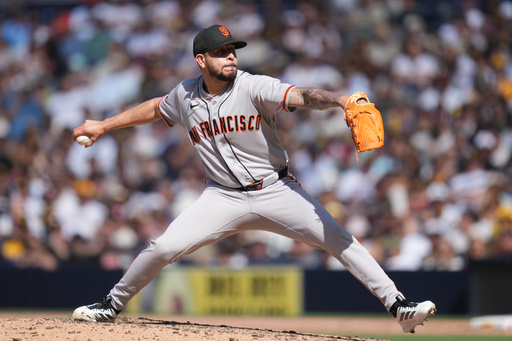
The timing of this setback could not be worse for San Francisco. The Giants have already endured a difficult start to their season, struggling to find consistency both in their rotation and bullpen. With several pitchers failing to establish rhythm and reliability, the loss of Buttó removes another potential option the team was hoping to rely on for stability. His absence further limits the manager’s ability to manage workloads and late-game situations, placing additional pressure on an already taxed pitching staff.
Buttó had not been a major fixture in recent games prior to the injury, with his last appearance coming on April 1 in a difficult outing against the San Diego Padres. In that game, a 7-1 loss for San Francisco, he pitched just one-third of an inning, an appearance that now stands as his final contribution before being sidelined. While his workload that day was minimal, it marked the last time he took the mound before the issues surrounding his arm forced the team to take a closer look at his condition.
MORE: Cardinals’ Top Prospect Shut Down for Season After Devastating Surgery Blow
From a broader perspective, the loss of Buttó underscores the fragility of pitching depth in Major League Baseball, where even minor discomfort can quickly escalate into long-term injuries requiring surgery. For the Giants, it is another reminder of how quickly a bullpen plan can unravel, especially when multiple arms are already dealing with inconsistency or health concerns.
The organization now faces the challenge of reshuffling its pitching resources yet again. Without Buttó, the Giants will need to depend more heavily on their remaining relievers, while also potentially accelerating the development or promotion of other arms within their system. However, those internal options come with their own uncertainties, as younger pitchers or depth pieces may not yet be fully prepared for high-leverage major league situations.
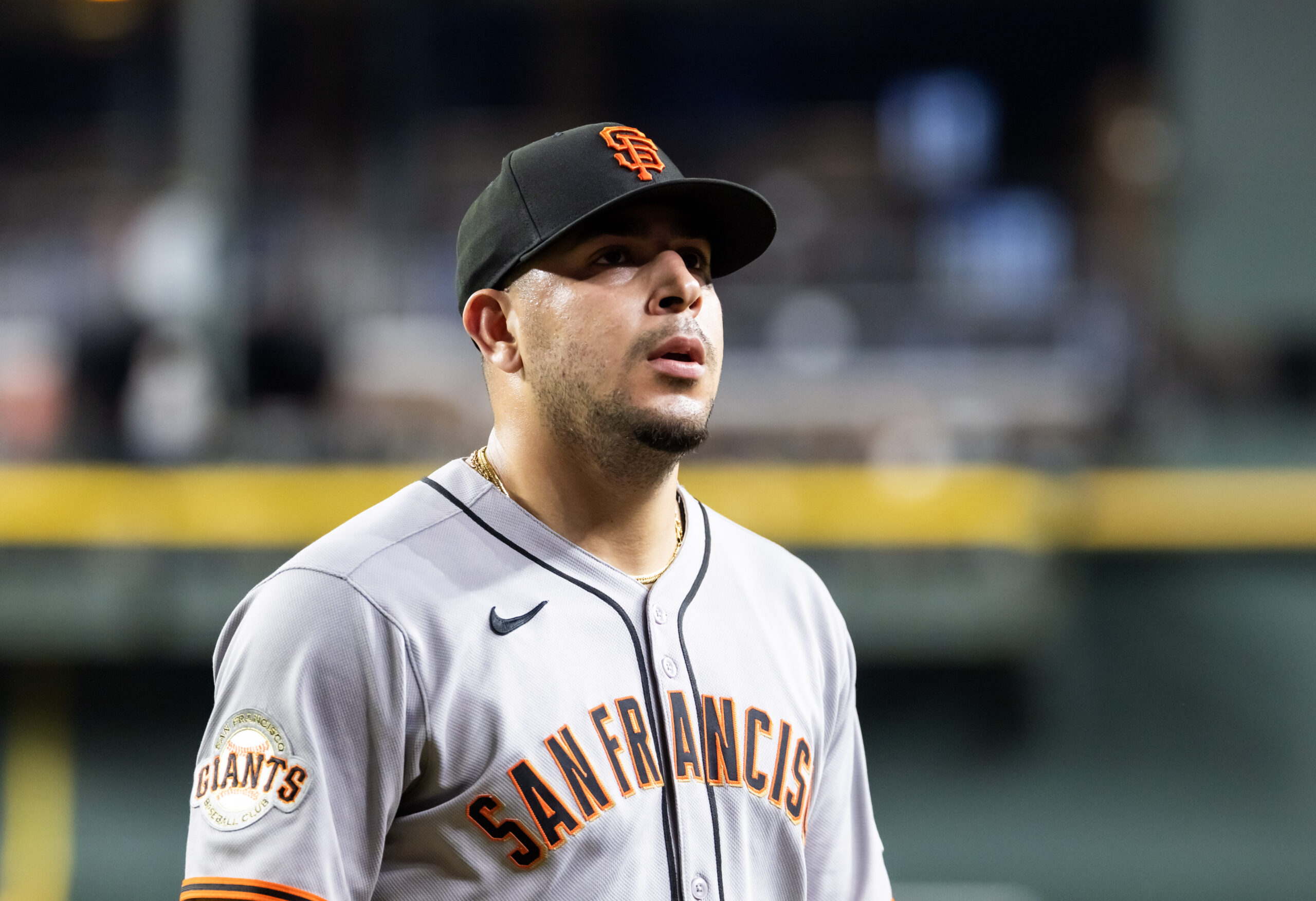
While the official recovery timeline of five to six months suggests that Buttó could return later in the season, there is always uncertainty when it comes to vascular surgeries and pitcher recovery. Rehabilitation will likely be gradual, beginning with controlled throwing programs before advancing to more intense bullpen sessions, live batting practice, and eventually minor league rehab assignments. Only after clearing each stage without setbacks will he be considered for a return to the Giants’ active roster.
For now, the focus shifts to his long recovery process and the hope that the surgery successfully resolves the underlying issue without long-term complications. The Giants, meanwhile, must continue navigating a difficult stretch of the season without one more arm they had hoped to count on.
As San Francisco attempts to stabilize its pitching staff and recover from a shaky start, the absence of José Buttó represents yet another obstacle in what has already been a challenging campaign.
Jose Butto‘s issue stems from potentially before being traded to the Giants
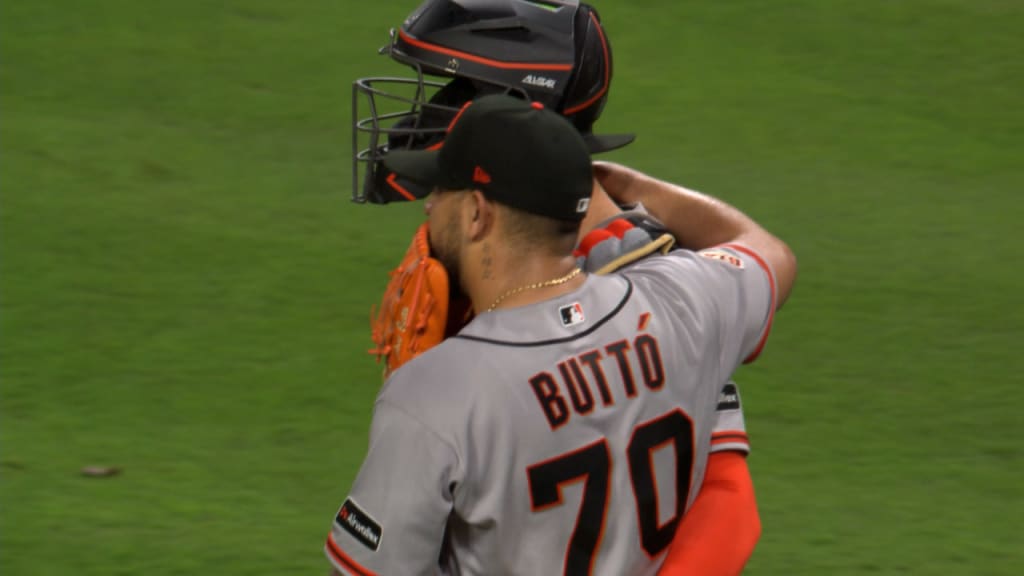
On April 4, José Buttó was scheduled to undergo a medical procedure aimed at removing a blood clot from his right arm, a serious development that immediately raised concern within the organization. San Francisco Giants manager Tony Vitello later addressed the situation, suggesting that the origin of the issue may not have developed recently, but rather could trace back to Buttó’s time before joining the Giants.
According to Vitello, there is a possibility that the condition either began forming or at least started showing early warning signs while Buttó was still with the New York Mets, the team he previously played for before being traded to San Francisco in July of the prior season.
MORE: Angels Add Closer To Bullpen After Frustrating Week
Vitello’s comments, as reported by MLB.com, painted a picture of a medical issue that likely did not appear overnight. Instead, it may have been something gradual, building over time until it eventually became serious enough to require intervention.
He explained that there were indications Buttó may have been dealing with symptoms for a while, even if they were not fully understood or properly diagnosed at the time. That possibility adds another layer of complexity to the situation, as it suggests the problem could have been developing quietly beneath the surface long before it reached a critical point.
“It seems like this is something that occurred before he was with the Giants, or at least he had symptoms of it,” Vitello said. “So maybe this has been building up for a while. For him to be at a crossroads, finally, where he knows what the problem is and it’s kind of boiled over it’s unfortunate that he’s not with us and active on the mound, but I think everybody likes the guy so much.”
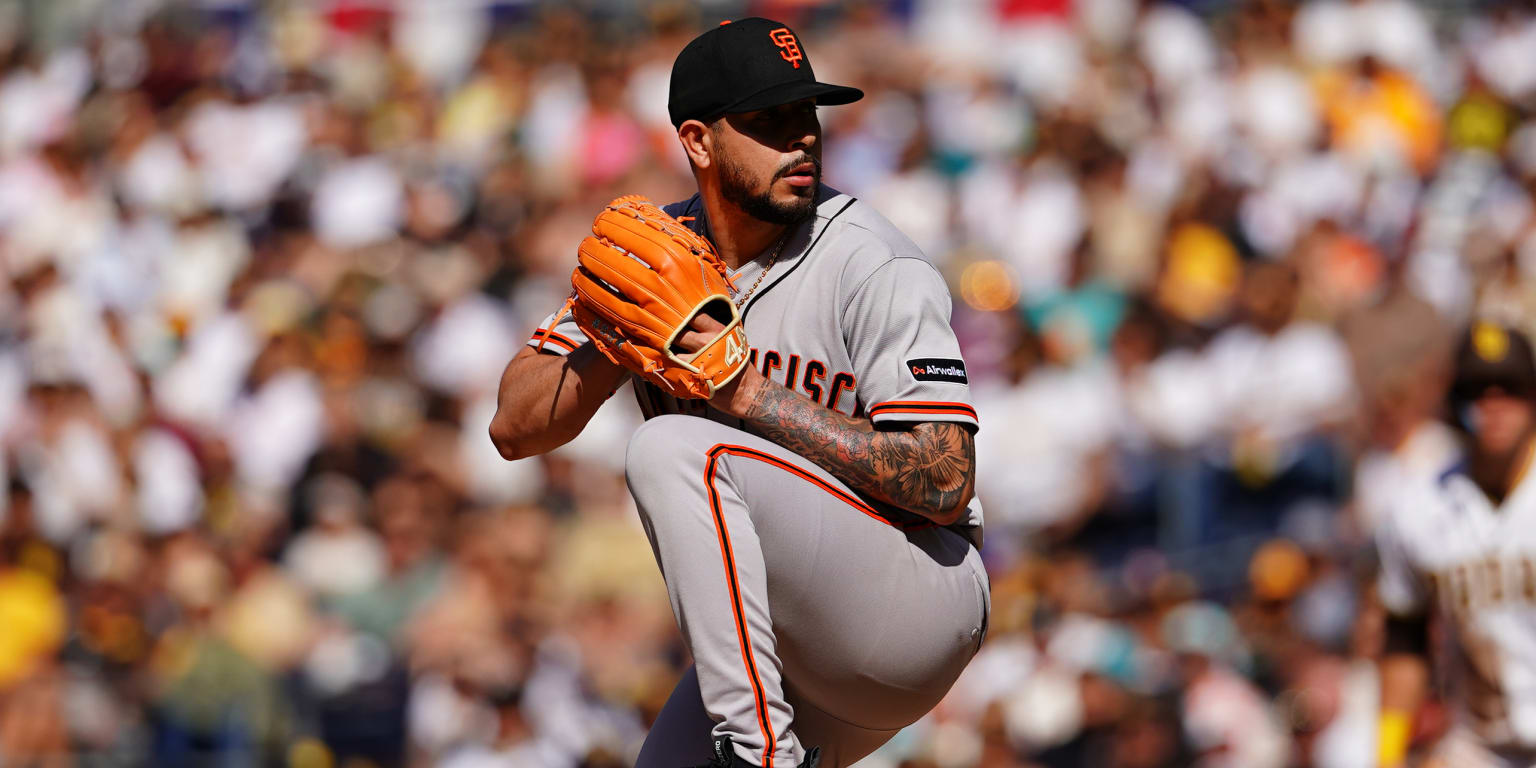
Vitello’s remarks highlighted both the uncertainty surrounding the timeline of the injury and the emotional response within the clubhouse. While there is disappointment that Buttó is currently unavailable to contribute on the field, there is an even stronger sense of concern for his health and long-term well-being. In professional sports, especially baseball where players often develop close bonds over long seasons, injuries of this nature tend to affect teammates and staff on a personal level beyond just roster implications.
The Giants manager emphasized that Buttó is widely respected and well-liked throughout the organization. That sentiment has helped shape the team’s reaction to the news, with concern for the pitcher’s health taking priority over any competitive considerations. According to Vitello, the immediate response from everyone in the clubhouse was centered on making sure Buttó was okay and receiving the proper medical attention, rather than focusing on the impact his absence might have on the pitching staff.
MORE: Braves officially makes ultimate roster move to solidify bullpen
“Everybody’s concern immediately is going to be with someone’s health,” Vitello added. “But he’s a very, very, very well-liked and well-respected guy. Everyone was concerned right away. I think the fact it’s not worst-case scenario, or it could be worse, is good.”
Those comments reflect a sense of cautious relief within the organization. While a blood clot in the arm is unquestionably a serious medical issue, there appears to be some optimism that the situation was caught in time and that the outcome may not be as severe as it could have been under different circumstances. Even so, the road to recovery from such a condition is often unpredictable, and medical professionals will likely take a careful and measured approach to Buttó’s rehabilitation.
The situation also underscores the broader uncertainty that can come with player health in professional sports. Injuries are common, but vascular issues such as blood clots are less frequent and often require extended recovery periods and close monitoring. In Buttó’s case, the procedure to remove the clot marks only the beginning of what could be a lengthy recovery process, depending on how his body responds and whether any underlying issues are discovered during further evaluation.
For the Giants, the loss of Buttó from the active roster represents a setback in terms of pitching depth, but the organization’s immediate focus remains firmly on his recovery. Medical teams will likely continue to assess his condition in the coming weeks, determining not only when he might be able to resume throwing but also what precautions will need to be taken to prevent any recurrence.
MORE: “Absolutely Sad” Red Sox Lose 26-Year-Old Best Slugger
Buttó’s journey to this point has already included significant transition, having been acquired by San Francisco in a trade with the Mets in July. Adjusting to a new team, new coaching staff, and a new system is often challenging for any player, and this unexpected medical issue adds yet another hurdle to his time with the Giants. Still, those around him appear to be rallying in support, emphasizing his character and the respect he has earned within the clubhouse.
As of now, there is no clear timeline for his return to baseball activity. Recovery from a blood clot can vary widely depending on severity, location, and the success of the procedure. Medical professionals will likely prioritize caution above all else, ensuring that Buttó is fully healthy before any consideration is given to resuming pitching activities.
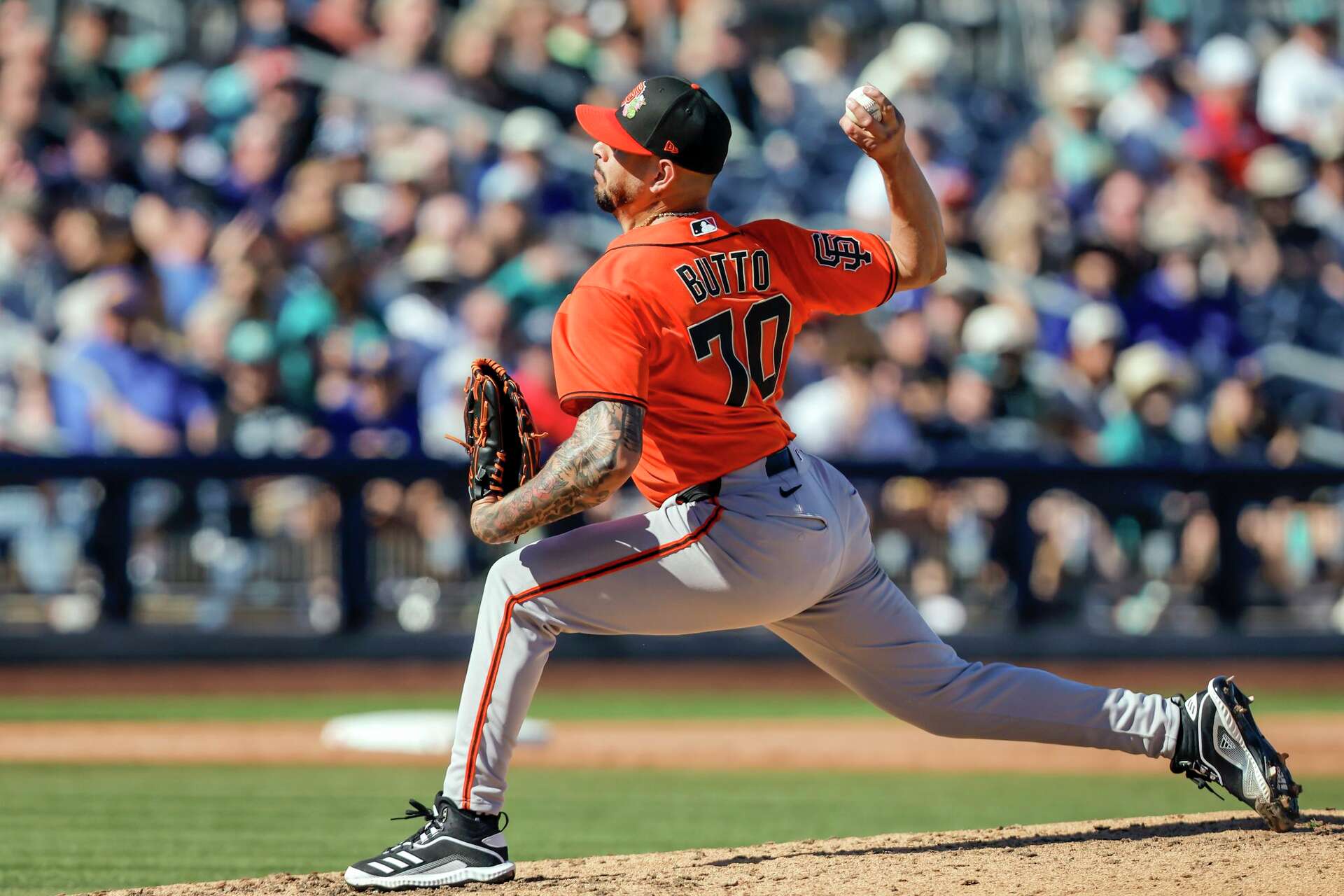
For the Giants, the situation serves as a reminder of how quickly circumstances can change during a long season. While roster moves, performance slumps, and injuries are all part of the game, health-related concerns of this nature tend to put everything into perspective. In this case, the organization has made it clear that Buttó’s well-being is the only priority.
Moving forward, updates on his condition will be closely monitored by both the team and fans. While uncertainty remains, there is hope that early detection and treatment will allow Buttó to make a full recovery over time. For now, though, his focus will remain on healing, while the Giants continue to support him through what is likely to be a careful and gradual medical process.




Be the first to comment