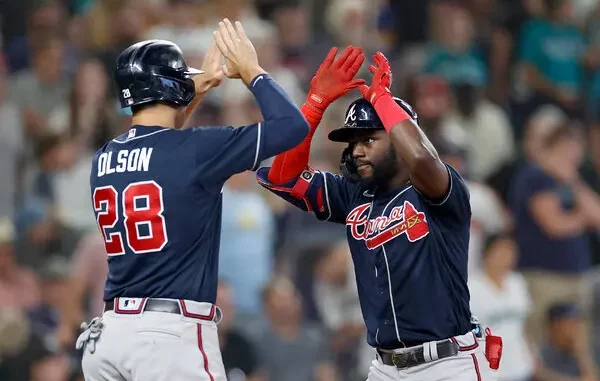
The Atlanta Braves have opted to bring veteran infielder back into the fold, signing him to a minor league deal and assigning him to Triple-A Gwinnett. The move represents a quick turnaround for Farmer, who had only recently been released by the organization. While he was initially expected to rejoin the Gwinnett Stripers immediately and suit up for a game, those plans were delayed due to inclement weather, as the scheduled contest was postponed because of rain.
His return highlights the often fluid nature of roster management during the middle portion of a Major League Baseball season. Players who are released are not always gone for long, particularly when they provide value in terms of experience, versatility, or clubhouse leadership.
In this case, the Braves clearly see enough in Farmer to bring him back as a depth option, even after deciding to part ways with him just days earlier. Transactions like these are common across the league, especially for veteran players who can serve as insurance at multiple infield positions.

Earlier in the season, Farmer had spent time on Atlanta’s major league roster, though his role was limited. He was active for a stretch that included roughly six weeks on the injured list, and while he did make appearances at the big league level, his opportunities were relatively scarce.
BREAKING: Cardinals Officially Cut Right-Hander Immediately After Brutal Outing
In total, Farmer appeared in 12 games and was inserted into the starting lineup only once during that span. His offensive production was modest, as he collected four hits in 16 at-bats, including one double, and struck out four times. While those numbers are not particularly impressive, they also reflect the sporadic nature of his playing time, which can make it difficult for any hitter to find a consistent rhythm.
From a roster construction standpoint, Farmer’s stint in the majors was somewhat puzzling. Given the limited opportunities he received, it could be argued that his presence did not maximize the efficiency of a valuable roster spot.
Teams often prefer to use those spots on players who can either contribute regularly or provide specific situational value. However, Farmer’s reputation as a respected veteran and positive clubhouse presence likely played a role in the Braves’ decision-making process. Leadership, experience, and professionalism are intangible qualities that teams often value, particularly during the long grind of a 162-game season.
Now back with Gwinnett, Farmer will serve as a seasoned infield option at the Triple-A level. His presence gives the Braves a reliable fallback in case of injuries or underperformance at the major league level. Having a player with his experience readily available can be crucial, especially for a team with postseason aspirations. Farmer’s ability to play multiple infield positions adds to his value, as versatility is often a key factor in determining call-ups during the season.
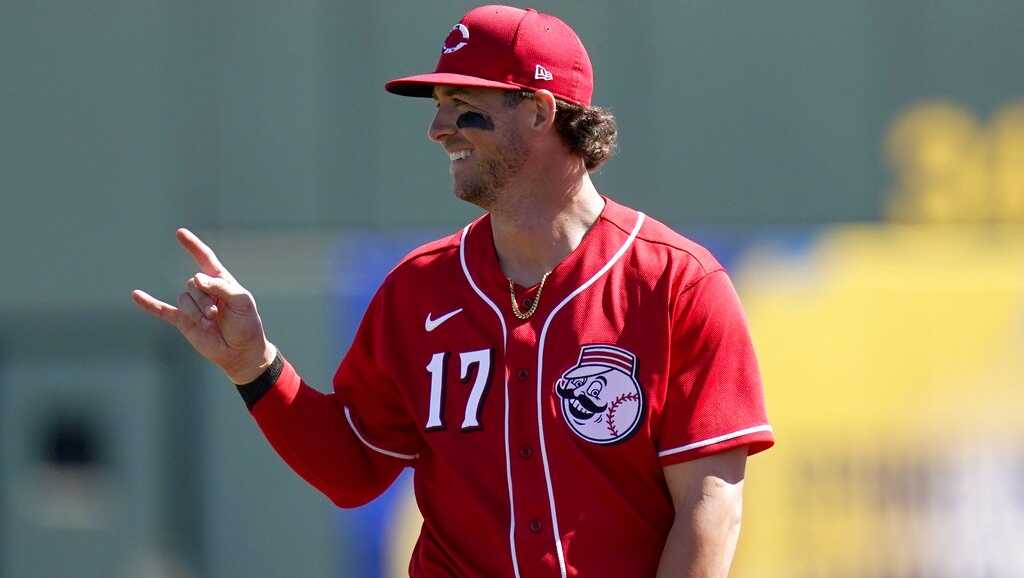
One of the challenges facing Atlanta, however, is the lack of roster flexibility among its current position players. The Braves’ bench is composed of Joey Bart, Jorge Mateo, Dominic Smith, and Eli White, and none of those players have minor league options remaining.
BREAKING: White Sox officially confirmed significantly crucial addition
This creates a situation where the team cannot easily send any of them down to the minors without first exposing them to waivers. As a result, making changes to the active roster becomes significantly more complicated, limiting the team’s ability to shuffle players in and out based on performance or matchup considerations.
This lack of flexibility places additional importance on players like Farmer, who can be stashed in Triple-A and called upon when needed. Because he is not currently on the 40-man roster, the Braves can keep him in the minors without making immediate corresponding moves. However, if they decide to bring him back to the majors, they would need to clear space on both the 40-man and active rosters, which could involve designating another player for assignment or making a trade.
Another factor influencing the Braves’ infield situation is the performance of rookie shortstop Jim Jarvis. Unlike the veteran bench players, Jarvis does have minor league options remaining, giving the team more flexibility when it comes to his development.
Since the All-Star break, Jarvis has struggled at the plate, recording just seven hits in 39 plate appearances. That level of production raises concerns about whether he is ready to handle the demands of everyday play at the major league level.
Defensively, Jarvis has also encountered difficulties, committing four errors in 19 starts. While defensive growing pains are not uncommon for young players, especially at a demanding position like shortstop, the combination of offensive and defensive struggles can put additional pressure on both the player and the team. For a club with playoff ambitions, consistency at a premium position is critical, and any instability can have a ripple effect across the roster.
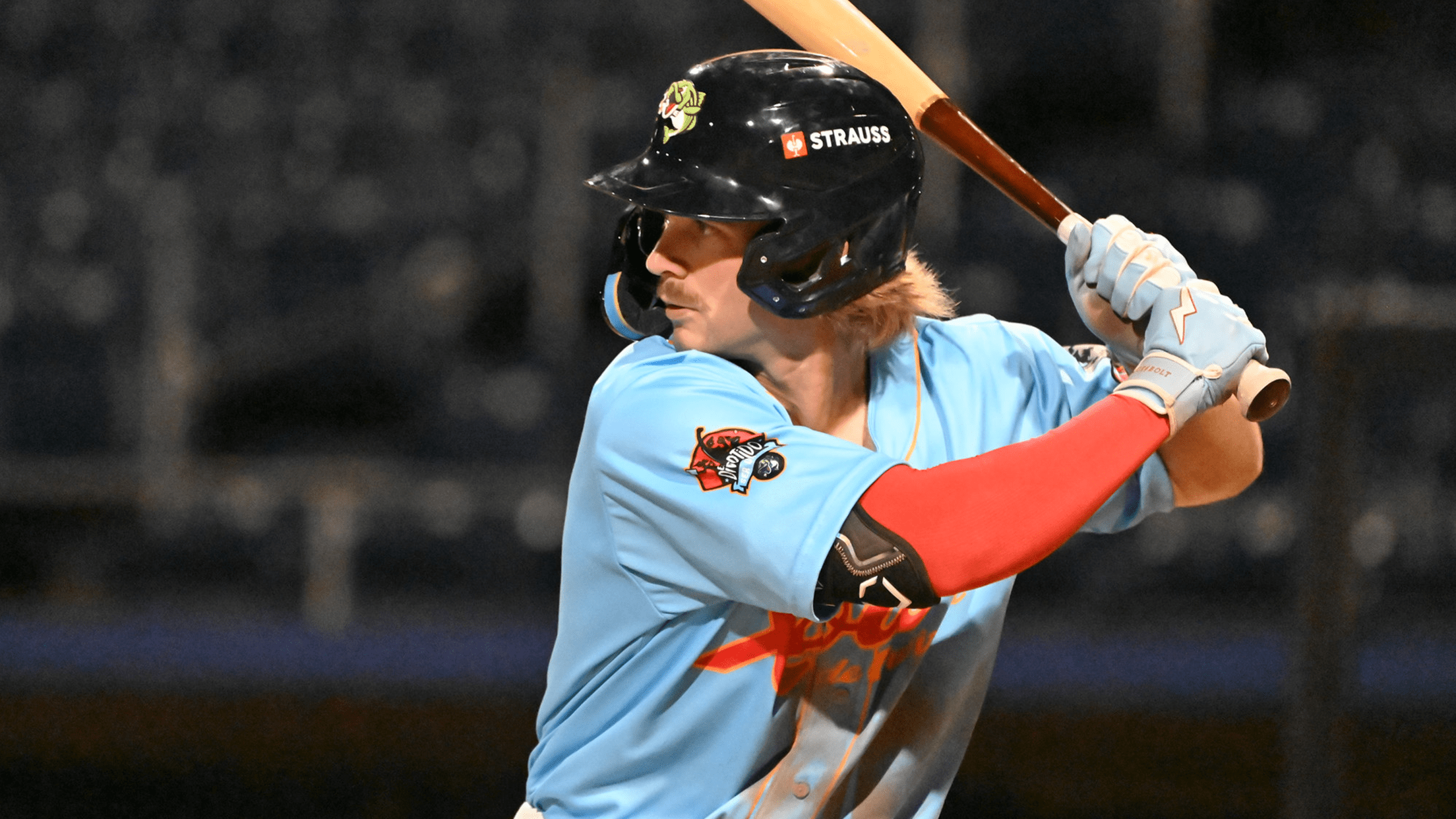
Given these circumstances, it would not be surprising to see the Braves explore external options to address their shortstop situation. If Jarvis continues to struggle, the team could opt to send him back to Triple-A to regain confidence and refine his skills. In that scenario, a player like Farmer could serve as a temporary stopgap, though he may not represent a long-term solution at the position.
BREAKING: Braves land Reds’ outfielder as perfect platoon partner for Mike Yastrzemski
The broader issue for Atlanta, however, is that the market for shortstops is not particularly strong at this point in the season. Trade deadlines often create opportunities for teams to acquire talent, but the availability of impact players at certain positions can vary widely from year to year. In this case, the pool of shortstops who might be available is relatively thin, especially when it comes to players who could provide a clear upgrade.
Many of the most recognizable names at the position are either under long-term contracts or are considered foundational pieces for their respective teams. Players such as Francisco Lindor, Willy Adames, Javier Báez, Ezequiel Tovar, and Andrés Giménez all fall into this category. While some of these contracts may not be viewed as particularly team-friendly, they still make trades difficult to execute. Teams are often hesitant to take on significant financial commitments, especially if the player’s performance does not clearly justify the cost.
On the other end of the spectrum, younger stars like Bobby Witt Jr., Elly De La Cruz, and Jacob Wilson are considered untouchable by their organizations. These players represent the future of their franchises, and there is little incentive for their teams to consider moving them, regardless of the potential return. As a result, they are effectively off the market, further limiting the options available to teams like the Braves.
One name that has surfaced in trade discussions is Zach Neto of the Los Angeles Angels. Unlike some of the previously mentioned players, Neto could potentially be available, as the Angels are reportedly open to listening to offers. However, acquiring him would likely come at a steep price. With multiple years of team control remaining, Neto represents both a present and future asset, making him highly valuable. Any team interested in acquiring him would likely need to part with a significant package of prospects and/or major league talent.
For the Braves, this creates a challenging balancing act. On one hand, they have a clear need for stability at shortstop, particularly if Jarvis is unable to provide consistent production. On the other hand, they must weigh the cost of acquiring a player like Neto against the potential benefits. Giving up top prospects or key contributors could have long-term implications, and teams must be careful not to jeopardize their future in pursuit of short-term gains.

In the meantime, the decision to re-sign Farmer provides Atlanta with a measure of depth and flexibility, even if it does not directly solve their immediate needs at the major league level. Veteran players like Farmer often play an important role behind the scenes, offering guidance to younger teammates and serving as a steady presence during times of uncertainty. His familiarity with the organization and its expectations makes him a natural fit for this role.
BREAKING: Red Sox-Angels Set For Huge Announcement
Additionally, Farmer’s return underscores the importance of organizational depth in Major League Baseball. Over the course of a long season, injuries, slumps, and unforeseen circumstances can test even the most well-constructed rosters. Having experienced players available at the Triple-A level allows teams to navigate these challenges more effectively, ensuring that they have viable options when the need arises.
It is also worth noting that Farmer’s journey with the Braves this season has been anything but straightforward. He began the year in the organization, earned a spot on the major league roster, spent time on the injured list, was eventually released, and has now been brought back on a minor league deal. This kind of movement is not uncommon for veteran players, particularly those on the fringes of a roster. It reflects both the competitive nature of the league and the constant evaluation process that teams undertake as they seek to optimize their rosters.
Ultimately, Farmer’s impact on the Braves’ season will depend on how events unfold in the coming weeks. If injuries arise or performance issues persist among the current infield group, he could find himself back in the majors sooner rather than later. Conversely, if the team remains relatively healthy and stable, he may continue to serve as a depth option in Triple-A, ready to step in if needed.
For now, the Braves appear to be taking a pragmatic approach, prioritizing depth and flexibility while keeping their options open. The decision to re-sign Farmer is a low-risk move that provides additional insurance without requiring a significant commitment. As the trade deadline approaches and the team evaluates its needs, moves like this can help bridge the gap and provide stability during a critical stretch of the season.
In summary, the Braves’ decision to bring back Kyle Farmer on a minor league contract reflects a combination of necessity and strategy. While his previous stint with the major league club was limited in both opportunity and impact, his experience and versatility make him a valuable asset at the organizational level. With the team facing questions at shortstop and limited roster flexibility, having a player like Farmer available in Triple-A could prove to be an important piece of the puzzle as Atlanta navigates the remainder of the season.

Be the first to comment