
The St. Louis Cardinals have been forced to stay highly adaptable with their roster throughout the early portion of the season, and like many teams across Major League Baseball, that flexibility has been especially evident in how they manage their bullpen. Constant adjustments, whether due to performance, injuries, or matchup needs, have become a regular part of the club’s strategy as they attempt to remain competitive over a long schedule.
Relief pitching, by nature, tends to be one of the most fluid areas of any roster. For the Cardinals, this has meant frequently shuffling arms between the major league club and the minor leagues, while also experimenting with different roles for pitchers. The front office and coaching staff have had to think creatively, not only to maintain stability but also to extract value from players who might not have clearly defined roles.
Despite the ongoing changes, the Cardinals’ bullpen has managed to deliver relatively average results. As a group, their relievers have combined for a 4.26 earned run average, a figure that places them somewhere in the middle of the pack compared to other teams. While that number doesn’t stand out as particularly dominant, it also suggests that the team has been able to avoid major collapses, even with the constant turnover and uncertainty.
However, maintaining even that level of consistency has not come easily. The Cardinals have had to carefully balance short-term performance with long-term roster considerations. Each move—whether it’s a promotion, demotion, or designation—has implications not just for the current bullpen, but also for the organization’s overall depth and player development pipeline. (Yahoo Sports)
One of the more intriguing aspects of their roster management has involved a former top prospect from the Atlanta Braves organization. Once viewed as a highly promising young talent, this pitcher’s career path has taken several twists, and his current situation with St. Louis reflects both the challenges and opportunities that come with such a background.
Rather than simply cutting ties with the player, the Cardinals have opted for a more inventive approach to keep him within the organization. This has included moving him between levels, adjusting his role, and finding ways to fit him into the team’s evolving bullpen structure. Such decisions highlight the organization’s willingness to remain patient with talent, even when immediate results may not fully meet expectations.
BREAKING NEWS: Braves Officially Confirmed Another Major Roster Shake-Up
This approach also underscores a broader trend in modern baseball, where teams increasingly value versatility and depth. Instead of relying solely on established veterans, clubs often cycle through younger or less proven arms in hopes of finding the right combination. For the Cardinals, this has meant giving opportunities to pitchers who can fill multiple roles, whether as long relievers, middle-inning options, or situational specialists.
At the same time, these frequent changes can create challenges in terms of continuity. Pitchers must constantly adjust to new roles, while the coaching staff must manage workloads carefully to avoid overuse. Maintaining chemistry and confidence within the bullpen becomes more difficult when the group is regularly changing, yet the Cardinals have managed to keep things relatively stable on the field.
The situation with the former Braves prospect serves as a clear example of how teams navigate these complexities. Once considered a cornerstone piece in another organization, he now finds himself in a more uncertain role. Still, the Cardinals’ decision to keep working with him suggests they believe there is untapped potential that could still be realized.
Ultimately, the Cardinals’ bullpen strategy reflects a balancing act between necessity and opportunity. Injuries, performance fluctuations, and scheduling demands all require constant adjustments, but those same challenges also open the door for players to prove themselves. By staying flexible and willing to experiment, the team has been able to maintain a serviceable level of performance, even if it hasn’t been particularly dominant.
As the season progresses, it will be interesting to see whether this approach continues to yield steady results or if the Cardinals look to make more permanent changes. For now, their ability to adapt—and to find creative solutions for players like the former Braves prospect—remains a key part of their overall roster management strategy.
St. Louis Cardinals Cut Atlanta Braves’ Former First-Round Pick From Roster 3 Times
Jared Shuster’s professional journey has taken another complicated turn, as the left-hander continues to bounce between organizations and roster statuses in what has become a turbulent stretch of his career. Now with the St. Louis Cardinals—his third team in just four seasons at the major league level—Shuster recently found himself designated for assignment once again. In fact, this marks the third time in the current season alone that he has been placed in that situation, underscoring the instability that has defined his recent path.
Originally selected in the first round of the 2020 MLB Draft by the Atlanta Braves, Shuster entered professional baseball with significant expectations. He was widely regarded as one of the top pitching prospects in the Braves’ system and appeared poised to become a key contributor at the big-league level. After working his way through the minor leagues, he made his Major League debut in 2023.
BREAKING NEWS: San Diego Padres Officially Cut Top Right-Hander In Major Roster Shake-Up
During that initial season, he was given an opportunity to start games, ultimately making 11 starts. While he showed flashes of potential, his overall performance left room for improvement, as reflected in a 5.81 ERA.
Following his debut season, Shuster’s career trajectory shifted. He was traded to the Chicago White Sox, where his role began to evolve. Rather than continuing as a starting pitcher, he gradually transitioned into a relief role. This move reflected both the team’s needs and Shuster’s own performance trends, as he sought to carve out a more stable place on a major league roster. However, consistency remained elusive, and his time with Chicago did not fully solidify his standing as a reliable bullpen arm.
Eventually, Shuster landed with the Cardinals organization, signing a minor league contract ahead of the current season (MLB.com). The move offered him another opportunity to reestablish himself and potentially earn a more permanent role in the majors. Yet instead of stability, his tenure in St. Louis has been defined by a recurring pattern of promotions and removals from the roster.
Throughout the season, the Cardinals have repeatedly called upon Shuster when they needed a fresh arm in the bullpen. Each time he was added to the major league roster, he had a brief window to contribute before roster pressures forced the team to make another move.
Because Shuster no longer has minor league options remaining, the Cardinals cannot simply send him down to Triple-A at will. Instead, every time they need to clear space, they must designate him for assignment and expose him to waivers.

This procedural limitation has led to a cycle in which Shuster is added to the roster, appears in a handful of games, and is then designated for assignment shortly thereafter. So far, he has managed to clear waivers multiple times, allowing the Cardinals to keep him within the organization. Still, the repeated transactions highlight how precarious his position has become.
The most recent development came when the Cardinals outrighted Shuster to their Triple-A affiliate, the Memphis Redbirds, following another designation for assignment (MLB.com). This move officially removed him from the major league roster while keeping him in the organization’s minor league system. It also marked yet another chapter in what has been an increasingly frustrating season for the 27-year-old pitcher.
BREAKING NEWS: Phillies-Mets Trade Land $38M Ace
Performance has played a significant role in these decisions. At the Triple-A level, Shuster has struggled to find consistency, posting an ERA that reflects ongoing difficulties on the mound. In more than 25 innings of work this season, his results have been less than encouraging, making it harder for him to secure a long-term role either in the majors or as a reliable depth option.
Even so, the Cardinals have continued to view him as a useful piece of organizational depth. His ability to move between levels and fill in when needed has given the team some flexibility, especially in managing a bullpen that has required frequent adjustments. However, this same flexibility has come at the cost of stability for Shuster himself.
The situation illustrates the challenges faced by players who are out of minor league options. Without the ability to be freely sent to the minors, they become more vulnerable to roster crunches. Teams must weigh the risk of losing such players on waivers against the need to make immediate roster changes. In Shuster’s case, the Cardinals have been willing to take that risk repeatedly, likely betting that other teams will pass on claiming him.

For Shuster, the constant movement can be difficult both professionally and personally. Each designation for assignment represents a moment of uncertainty, as he must wait to see whether he will remain with the organization or be claimed by another team. Clearing waivers has allowed him to stay with the Cardinals so far, but it also reinforces the reality that his hold on a major league spot remains tenuous.
Despite the setbacks, there is still a path forward. Shuster’s background as a former first-round pick suggests that there is underlying talent that could still be developed. Adjustments to his pitching approach, continued work in a relief role, and improved performance at the minor league level could all help him reestablish his value.
Atlanta Braves Officially Cut Top Right-Hander In Latest Roster Shake-Up
Ultimately, his story reflects a broader reality within professional baseball. Not every top prospect follows a smooth trajectory to sustained success in the majors. Injuries, performance fluctuations, and organizational needs can all alter a player’s path. For Shuster, the journey has been anything but straightforward, and his current situation with the Cardinals serves as a clear example of how unpredictable a baseball career can be.
As the season continues, much will depend on whether he can capitalize on future opportunities and demonstrate enough improvement to earn a more secure role. Until then, he remains caught in a cycle that highlights both the challenges of roster management and the resilience required to navigate life as a fringe major league player.
Former Atlanta Braves Phenom Now Fighting For Another Opportunity

Jared Shuster’s path through professional baseball has been anything but straightforward since he was taken in the first round of the 2020 MLB Draft by the Atlanta Braves. At the time, he was viewed as a polished collegiate arm coming out of Wake Forest University, with many evaluators projecting him as a future mainstay in a big-league rotation. His combination of command, pitchability, and left-handed upside made him one of the more intriguing young pitchers in the Braves’ system.
Early in his career, those expectations seemed realistic. Shuster moved through the minor leagues and positioned himself as a legitimate candidate to claim a starting role in Atlanta. In fact, when he reached the majors, he was initially given opportunities in the rotation. However, as his career progressed, his role began to shift. Rather than locking down a consistent spot as a starter, he found himself adapting to different responsibilities, eventually transitioning into relief work as teams searched for ways to maximize his value.
That transition has defined much of Shuster’s recent career. While he once projected as a long-term starter, he is now attempting to carve out a niche as a bullpen arm. This change has not necessarily diminished his potential, but it has altered the timeline of his development. The qualities that once made him an appealing starter—such as his ability to mix pitches and generate soft contact—are now being repurposed in shorter outings, where efficiency and consistency are even more critical.
Despite the challenges, there remains a sense that Shuster still possesses untapped upside. His journey suggests that his development may simply be taking longer than originally anticipated. That is not uncommon for pitchers, particularly those adjusting to new roles or refining their mechanics at the highest level. For Shuster, the shift to relief pitching could ultimately provide a clearer path to sustained success, even if it differs from the trajectory initially envisioned for him.
Currently, Shuster remains part of the St. Louis Cardinals organization, continuing to work through the ups and downs of a demanding season. He has once again been outrighted to Triple-A Memphis, a move that reflects both his current standing within the team and the ongoing roster challenges the Cardinals face. Transactions like these have become a recurring theme for him, as he moves between the major league club and its top minor league affiliate depending on the team’s immediate needs (MLB.com).
This pattern highlights the delicate balance teams must strike when managing pitching depth. For the Cardinals, maintaining a flexible bullpen has been essential, and players like Shuster provide valuable insurance. Even if they are not permanent fixtures on the active roster, they offer options when injuries arise or when fresh arms are needed to handle a heavy workload.
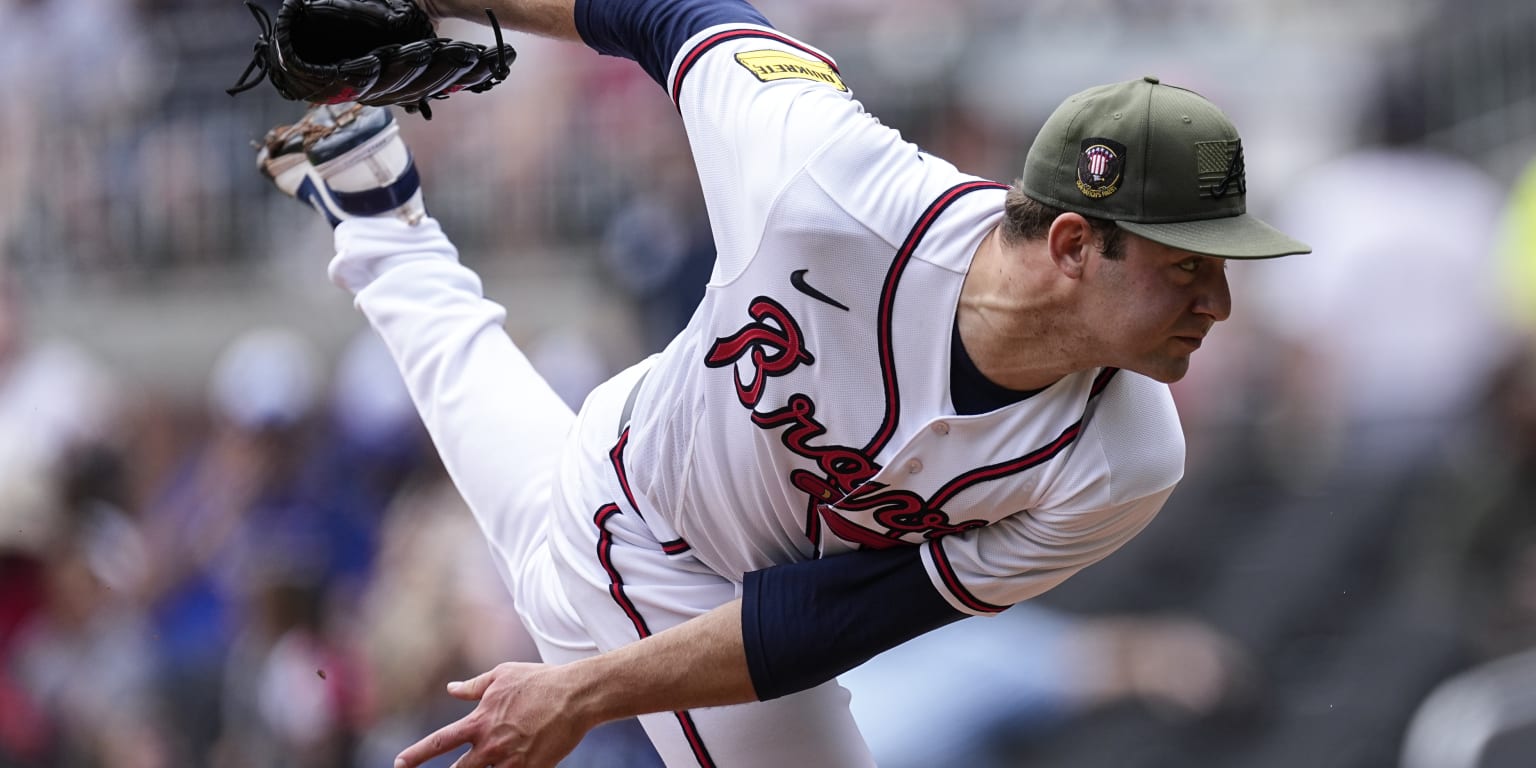
Shuster’s repeated call-ups and subsequent returns to the minors illustrate this dynamic clearly. Over the course of the season, he has been selected to the major league roster multiple times, only to be designated for assignment and later outrighted back to Memphis. These moves are not necessarily a reflection of a lack of faith in his ability, but rather a byproduct of roster constraints and the realities of modern bullpen management.
At the same time, his continued presence within the organization suggests that the Cardinals still see value in what he brings to the table. Left-handed pitching depth is always in demand, and Shuster’s experience at the major league level makes him a useful option when the team needs reinforcements. Even if his role is not firmly established, he remains part of the team’s broader pitching plans.
Looking ahead, the question becomes whether Shuster will receive another opportunity at the major league level before the season concludes. Given how frequently he has been recalled in the past, it would not be surprising to see him earn yet another promotion if circumstances align. His familiarity with the organization and its pitching staff could work in his favor, particularly as the Cardinals continue to navigate a crowded and ever-changing roster.
Ultimately, Shuster’s story serves as a reminder that player development is rarely linear. While he may not have followed the exact path that was once expected of a first-round pick, his career is still evolving. The shift from starting pitcher to reliever, combined with the constant movement between levels, reflects both the challenges he has faced and the opportunities that still lie ahead.
For now, he remains a depth piece with potential—someone who could still contribute at the major league level if he can put together consistent performances. And as the Cardinals continue to juggle their pitching staff, Shuster’s name is likely to remain in the mix, representing both the unpredictability and the persistence that define a professional baseball career.



Be the first to comment