
Exactly one year after the headline-grabbing trade that sent Rafael Devers from Boston to San Francisco, the Giants once again find themselves at the center of trade discussions—but under very different circumstances. Rather than acting as aggressive buyers as they did when they acquired Devers, the organization is now approaching the market as a potential seller.
What was initially viewed as a transformative move meant to reshape the franchise’s future has instead become a significant burden. Devers, who is tied to a massive long-term contract worth over $300 million, has struggled to produce at the level expected of a player with his pedigree.
Through the first half of the 2026 season, his performance has been underwhelming, hovering around a .240 batting average with modest power numbers and a lackluster OPS just above .700. (MLB.com)
These numbers fall far short of the elite production that once made him a three-time All-Star and one of baseball’s most feared hitters. Instead of anchoring the lineup, he has become emblematic of a broader offensive inconsistency plaguing the Giants.
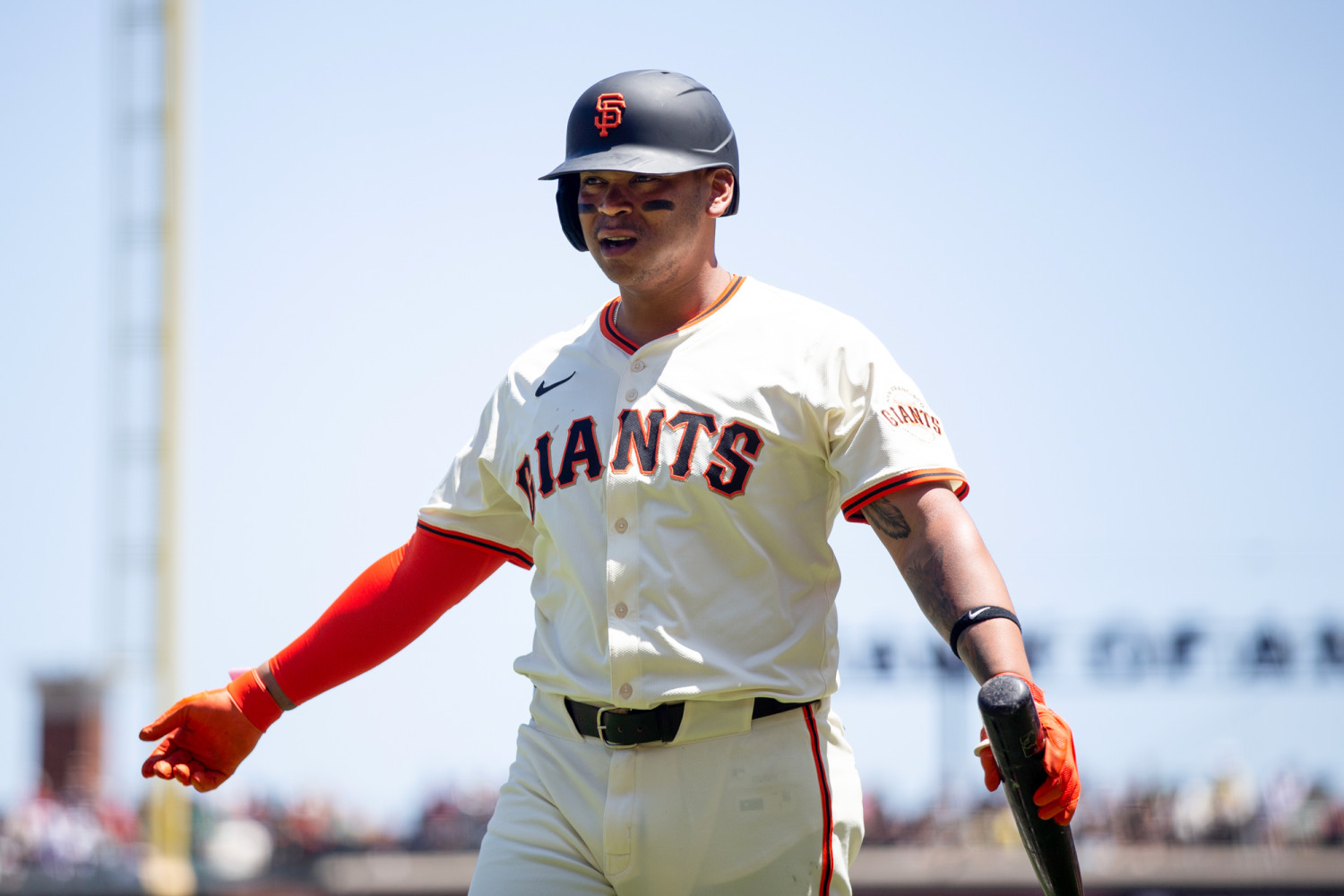
His declining impact, combined with the financial weight of his contract, has effectively turned him into a difficult asset—one that no longer carries the same value it once did. Reports indicate that the Giants, who currently sit well below .500 with a 29-43 record, are increasingly open to moving high-priced players as they look to reset their roster and salvage long-term flexibility. (Reuters)
San Francisco’s struggles in the standings have only intensified the urgency of this shift in direction. Once considered a team capable of competing in a tough National League West, they have instead slipped into irrelevance, falling behind division rivals and failing to establish any sustained momentum.
MORE: Brewers to Fix Power Problem by Trading for Angels’ Top Outfielder
The disappointing results have forced the front office to reconsider its strategy, and as a result, the organization has begun fielding calls from interested teams. Devers, despite his struggles, remains one of the most intriguing names available simply because of his track record and potential upside if he can rediscover his form.
Meanwhile, the situation looks very different for the St. Louis Cardinals. Entering play on Tuesday with a 39-31 record, they find themselves firmly in the postseason conversation. Although they trail the Milwaukee Brewers by 4.5 games in the National League Central, they are solidly positioned in the Wild Card race and have shown enough consistency to believe they can contend deep into October. Unlike the Giants, the Cardinals are not looking to tear things down—they are searching for ways to elevate an already competitive roster.
For St. Louis, the appeal of a player like Devers lies in his upside rather than his current production. Even amid his struggles, he still possesses the raw power and run-producing capability that few hitters in the league can match when he is at his best.
The Cardinals’ lineup has been productive but lacks a true middle-of-the-order force who can consistently change games with one swing. Devers, if he were to regain anything close to the form that earned him multiple All-Star selections, could fill that role and provide a significant boost to their offense.
This dynamic creates an interesting contrast between the two teams. The Giants are motivated by the need to retool and shed financial commitments, while the Cardinals are driven by a desire to capitalize on their competitive window.
For San Francisco, moving Devers would likely be as much about future flexibility as it is about present value. For St. Louis, acquiring him would represent a calculated gamble—betting that a change of scenery and a more competitive environment could help unlock his previous level of performance.
MORE: Atlanta Braves Officially Make Crucial Roster Move, Land Top-Star Catcher
Ultimately, Devers stands at the center of a situation defined by both risk and opportunity. On one hand, his recent struggles and hefty contract make him a complicated trade piece. On the other, his history as an elite hitter ensures that he will continue to draw interest from teams willing to take a chance.
For a contender like the Cardinals, that risk might be worth taking, especially if they believe he can rediscover the power and consistency that once made him one of the most dangerous bats in baseball.
A Miserable Giant, A Motivated Cardinal
The San Francisco Giants have made little effort to hide their willingness to explore a potential breakup of their current core. In fact, recent reports indicate that the organization has actively signaled to other teams that it is open to discussing deals involving several of its highest-profile players, including Rafael Devers, Willy Adames, and Matt Chapman.

This openness reflects not only the club’s disappointing position in the standings but also a growing recognition that its roster construction may need significant adjustment. However, while putting these names on the table is one thing, actually completing a deal—particularly involving Devers—is far more complicated.
The primary obstacle lies in the sheer size and structure of Devers’ contract. San Francisco is still responsible for roughly $211 million owed to the slugger through the 2033 season, a financial commitment that few teams are eager to absorb. (NBC Sports Boston) This long-term obligation becomes even more daunting when paired with Devers’ recent performance trends.
MORE: Red Sox to Part Ways With All-Star Duo
His declining ability to make consistent contact within the strike zone, coupled with a rising strikeout rate, has raised legitimate concerns among rival front offices.
Even teams that might otherwise be intrigued by his past production and raw power are hesitant to take on such a significant financial risk without clear signs of a rebound. As a result, what might seem like a straightforward trade candidate on paper becomes far more difficult to move in reality.
Still, the Giants’ willingness to entertain offers suggests they are prepared to get creative if it means shedding some of that long-term burden. Their situation is not one of minor tweaking; it is one that may require bold decisions, including eating a substantial portion of Devers’ remaining salary to facilitate a deal. Without that kind of financial flexibility, the pool of potential trade partners remains extremely limited.
This is where the St. Louis Cardinals emerge as an especially intriguing possibility. Unlike teams in the midst of a rebuild, St. Louis is firmly focused on competing right now. They are not looking to tear down their roster or stockpile distant prospects; instead, their priority is strengthening a team that already believes it has a legitimate shot at making a deep postseason run. That competitive mindset changes how they evaluate a player like Devers.

For the Cardinals, the conversation is less about long-term risk and more about immediate upside. They are in a position where adding a high-impact bat—even one with recent struggles—could make a meaningful difference in their lineup.
Their offense, while capable, has lacked consistent power production, particularly in terms of slugging percentage. Bringing in a player with Devers’ track record of middle-of-the-order power could help address that weakness, especially if he finds even a portion of his previous All-Star form.
MORE: White Sox officially sign Braves’ veteran right-handed reliever
Financially, St. Louis is also better positioned than many teams to take on at least part of Devers’ contract. While they may not be eager to assume the full remaining value, they have the resources and competitive motivation to consider a deal that includes a significant salary commitment.
This is particularly true if the Giants are willing to cover a sizable chunk—potentially in the range of $80 to $90 million—of what remains on the contract. Under those circumstances, Devers transforms from an unwieldy financial liability into a far more palatable acquisition.
Another factor working in the Cardinals’ favor is the leadership of their front office. General manager John Mozeliak has built a reputation over the years as a savvy and calculated dealmaker, especially when the team is in contention. (Wikipedia) When motivated by the opportunity to contend, Mozeliak has shown a willingness to explore creative trade structures that balance risk and reward. That kind of approach could be critical in navigating a complex deal involving a player like Devers.
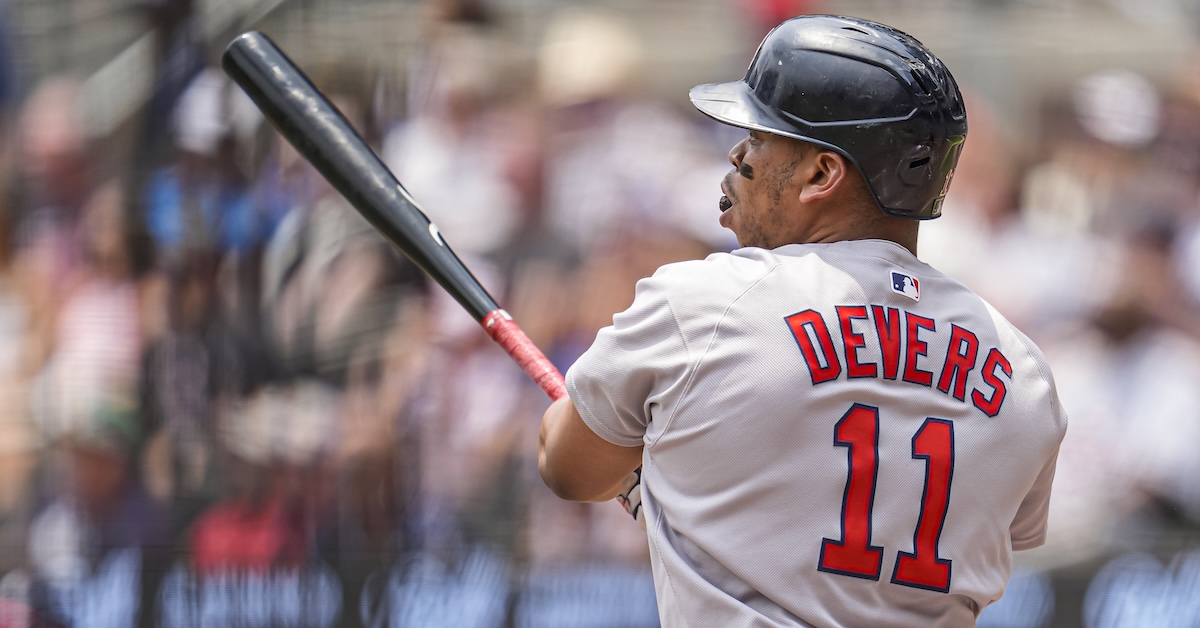
Ultimately, this potential scenario highlights the contrast between two franchises operating from very different positions. The Giants are searching for a way to recalibrate, potentially offloading a massive contract that no longer aligns with their current trajectory. The Cardinals, on the other hand, are looking for a finishing piece—someone who can elevate their offense and help push them deeper into October.
If the financial terms can be adjusted to suit both sides, what initially appears to be an unmovable contract could become the centerpiece of one of the most fascinating trades of the season. For San Francisco, it would represent a chance to reset and regain flexibility. For St. Louis, it would be a calculated gamble on upside—one that could pay off in a big way if Devers rediscovers the form that once made him one of baseball’s most feared hitters.
The Perfect Trade Offer
A realistic and balanced trade framework between the St. Louis Cardinals and the San Francisco Giants would likely center on a combination of present risk and future upside. In its simplest and most compelling form, the deal would send Rafael Devers to St. Louis, while San Francisco would receive two promising young talents: right-handed pitching prospect Tekoah Roby and outfield prospect Ryan Mitchell.
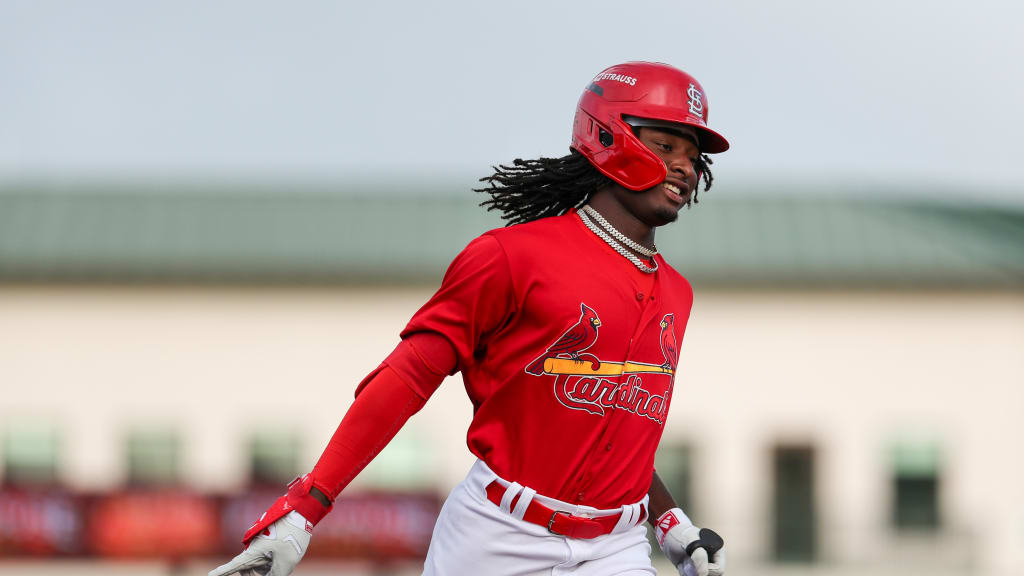
Structurally, this type of exchange reflects the current realities facing both organizations—one trying to shed long-term financial burden while replenishing its farm system, and the other seeking immediate offensive impact to fuel a postseason push.
From the Giants’ perspective, this package represents a sensible and credible return for a player whose market value has declined significantly in recent months.
MORE: Braves to go all-in for $32M Tigers’ pitcher after Spencer Strider injury
Although Devers still carries name recognition and an impressive track record, his production has dipped, and his contract—originally part of a massive deal worth over $300 million signed with Boston before being inherited by San Francisco—has become increasingly difficult to justify relative to his performance (Wikipedia). With that context in mind, acquiring high-upside prospects rather than established major league contributors aligns with a team shifting toward a longer-term outlook.
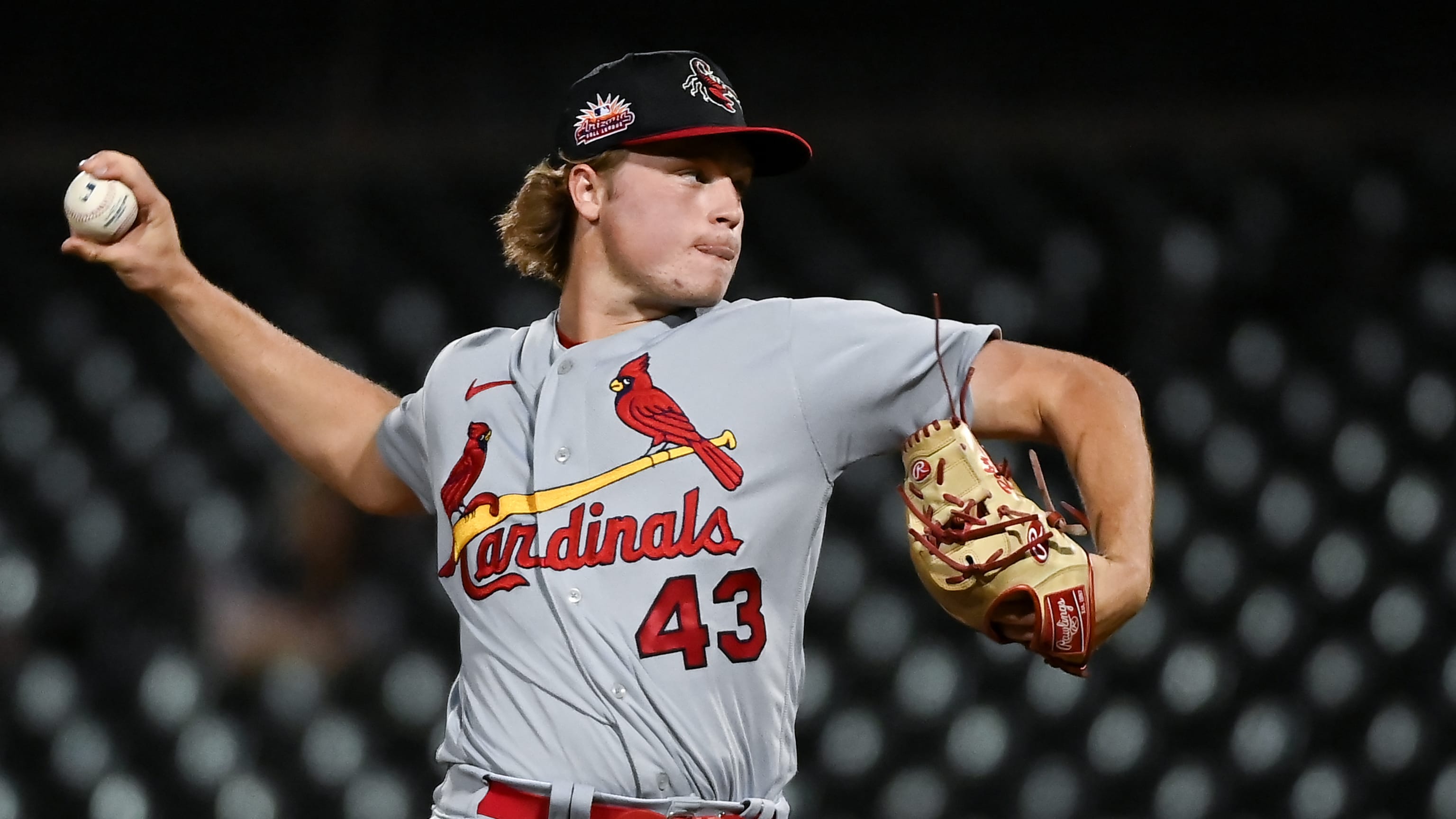
Tekoah Roby, despite his current injury status, would be a centerpiece of such a return. When healthy, he has shown the kind of raw talent that evaluators covet in a frontline pitching prospect. Standing at 6-foot-1, Roby features a dynamic arsenal highlighted by a sharp curveball that scouts grade as a plus-plus offering on the traditional 20-80 scouting scale. His ability to miss bats is particularly notable, as evidenced by an impressive strikeout rate approaching 11 per nine innings throughout his minor league career.
While his development has been temporarily halted due to Tommy John surgery in mid-2025, his projected timeline for a return in 2027 makes him an ideal “future value” asset. For a team like the Giants, which may not expect to contend immediately, this type of delayed but high-ceiling return is exactly the kind of investment that makes sense.

In addition to Roby, Ryan Mitchell provides a complementary piece with a different kind of upside. At just 19 years old, Mitchell represents the type of athletic, toolsy outfield prospect that organizations value as they build toward the future.
Selected in the second round of the 2025 draft out of Tennessee, he commanded a significant signing bonus of $2.25 million, reflecting the confidence scouts had in his potential. His scouting profile suggests a well-rounded player, with above-average grades in hitting ability, speed, and developing power. Early returns at the Single-A level in 2026 have been encouraging, as he has already flashed a combination of home run pop and base-stealing ability.
That blend of power and speed hints at a high ceiling if his development continues on its current trajectory. For San Francisco, adding a young position player with this type of upside helps diversify their prospect base and provides another potential building block for the future.
MORE: Cardinals make perfect trade offer for Cubs’ utility star
On the other side of the deal, the Cardinals would be making a calculated and strategic gamble. Acquiring Devers is not about what he has been recently, but rather what he could become again. Despite his struggles, he remains a player with a proven history of elite offensive production.
He is approaching his 30th birthday, an age at which many hitters still perform at a high level, and his career résumé includes a strong slugging percentage and multiple seasons averaging over 30 home runs. Those numbers reflect the kind of middle-of-the-order presence that can change the complexion of a lineup.
For St. Louis, the appeal is clear. While their offense has been productive in terms of generating runs, it has lacked a true cleanup hitter capable of consistently delivering extra-base power. Devers, even in a diminished state, offers the potential to fill that void.
If he can rediscover even a portion of his previous All-Star form, he could quickly become one of the most dangerous hitters in their lineup. In the context of a tight National League Central race, that kind of addition could prove decisive, particularly during the second half of the season when playoff positioning becomes increasingly important.
Of course, executing a deal of this magnitude would require significant financial maneuvering from both sides. The Cardinals would need to be comfortable taking on a substantial portion of Devers’ remaining contract, while the Giants would likely have to absorb a meaningful share of the financial obligation to make the trade viable. However, when viewed through the lens of each team’s goals, the fit becomes increasingly logical.
Ultimately, this proposed trade highlights a classic baseball exchange of timelines and priorities. St. Louis would be betting on a rebound, acquiring a proven hitter with the potential to elevate their offense and strengthen their playoff push.
San Francisco, meanwhile, would be turning the page, exchanging a burdensome contract for a pair of promising young players who could contribute to the next competitive window. Rather than continuing to watch Devers struggle through a lost season, the Giants would secure valuable long-term assets, while the Cardinals would take a calculated risk in pursuit of October success.

Be the first to comment