The past week has been anything but routine for the Boston Red Sox, as the organization finds itself navigating a critical stretch of the season filled with both hope and uncertainty.
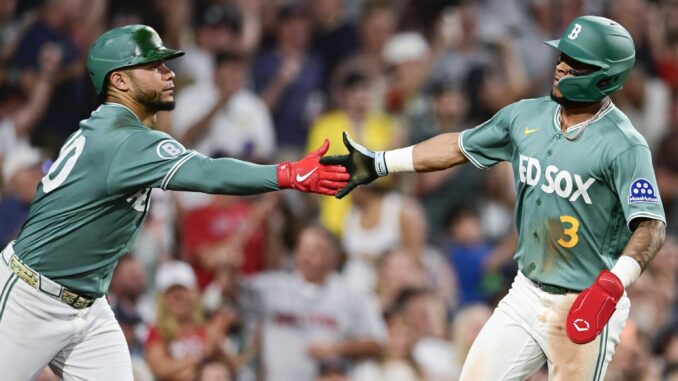
Boston opened a three-game set against the Texas Rangers on Friday night in impressive fashion, cruising to a dominant 10-1 victory at Fenway Park. The win was significant, not just because of the margin, but because of the context surrounding it.
The Red Sox have been struggling for much of the season, and this type of performance served as a reminder of the team’s potential when things are clicking on all cylinders. It offered a glimpse of what the club is capable of achieving, even during a difficult campaign.
However, while the victory was certainly encouraging, it is only a single step in what must become a much longer journey toward respectability. Boston currently sits 11 games below the .500 mark, a deficit that cannot be erased overnight.

Climbing out of such a hole requires consistency, momentum, and sustained improvement across all aspects of the game. One strong outing, no matter how convincing, does little on its own to alter the broader trajectory of a season that has largely been disappointing.
That said, there is still reason for cautious optimism. Wins like the one on Friday can sometimes act as a catalyst, sparking renewed confidence within the clubhouse and helping a team rediscover its rhythm. If the Red Sox can build on this performance and string together multiple victories in the coming days, they may begin to shift the narrative surrounding their season.
MORE: White Sox officially sign Braves’ veteran right-handed reliever
Momentum in baseball can be a powerful force, and even teams that have struggled can turn things around with the right combination of timely hitting, reliable pitching, and improved defense.
The challenge, of course, lies in sustaining that level of play. The Red Sox have shown flashes of competitiveness throughout the year, but they have struggled to maintain consistency over extended stretches. Until they can prove that they are capable of putting together a sustained run of success, questions will continue to linger about their long-term outlook.
If Boston fails to capitalize on this recent win and continues to falter, attention will inevitably turn toward the upcoming 2026 MLB trade deadline. In that scenario, the Red Sox could become one of the more closely watched teams in the league—not as buyers looking to bolster a playoff push, but as potential sellers preparing for the future.
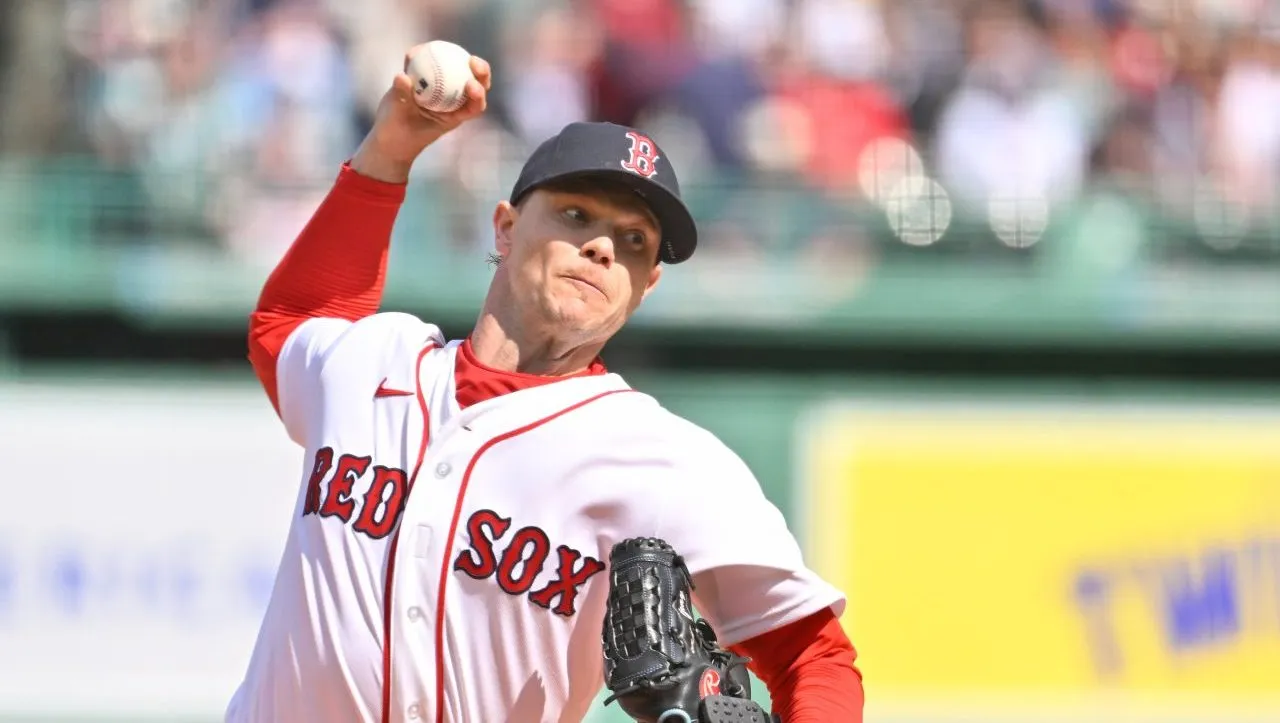
This possibility was underscored earlier in the week by comments from team president and CEO Sam Kennedy. Speaking to members of the media, Kennedy acknowledged that the organization may need to “pivot” if the team is unable to reverse its fortunes. That statement carries significant implications, suggesting that the front office is already considering contingency plans in the event that the season does not improve.
A pivot, in this context, would likely involve shifting focus away from immediate contention and toward longer-term goals. This could mean trading established veterans in exchange for younger talent, prospects, or financial flexibility.
MORE: Braves to go all-in for $32M Tigers’ pitcher after Spencer Strider injury
Such a strategy is not uncommon for teams that find themselves out of playoff contention as the trade deadline approaches. By moving experienced players who may not fit into the team’s future plans, organizations can begin to retool their rosters and position themselves for success in subsequent seasons.
The Red Sox roster includes several veteran players who could attract interest from contending teams seeking to strengthen their lineups or pitching staffs. These players, many of whom bring a combination of experience, production, and postseason pedigree, could become valuable trade chips if Boston decides to sell.
According to MassLive.com’s Chris Cotillo, two names stand out as particularly likely candidates in such a scenario: starting pitcher Sonny Gray and closer Aroldis Chapman. Both players possess qualities that make them appealing to teams with championship aspirations.
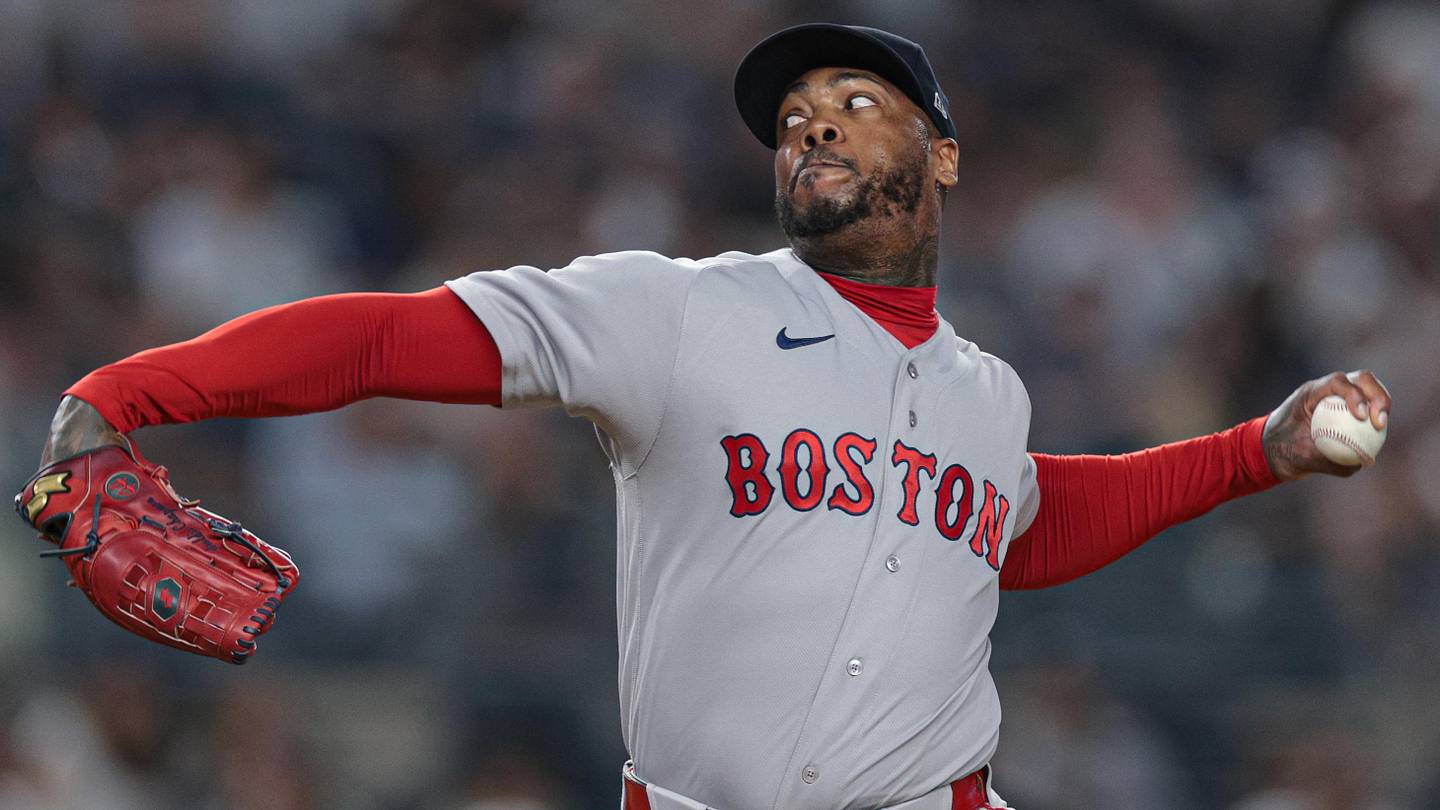
Gray, a seasoned right-hander, has a track record of success at the major league level and has demonstrated the ability to perform effectively in high-pressure situations. As a veteran pitcher, he could provide stability and depth to a contending team’s rotation. Additionally, his contract situation may further enhance his value as a potential trade asset, especially for teams looking for short-term upgrades.
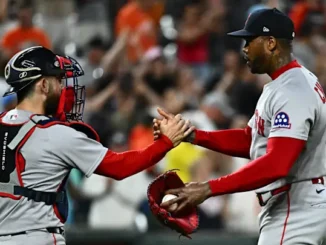
Chapman, meanwhile, remains one of the most recognizable and accomplished relief pitchers in the game. Known for his overpowering fastball and ability to close out games, he has consistently been a dominant presence at the back end of bullpens throughout his career. For teams in need of a reliable closer or late-inning arm, Chapman could represent an attractive option.
If the Red Sox ultimately decide to move players like Gray and Chapman, it would signal a clear shift in organizational direction. Rather than attempting to salvage the current season, the team would be prioritizing future growth and development.
MORE: Cardinals make perfect trade offer for Cubs’ utility star
Such a move could be difficult for fans to accept, particularly given the franchise’s history of competitiveness and high expectations. However, it may also be a necessary step toward building a more sustainable contender in the years to come.
Ultimately, the Red Sox find themselves at a crossroads. The coming weeks will play a crucial role in determining the path the organization chooses to take. If the team can build on its recent success and begin to climb back toward .500, it may still have an opportunity to remain relevant in the playoff race. On the other hand, continued struggles could force the front office to embrace a different strategy, one centered on retooling and preparing for the future.
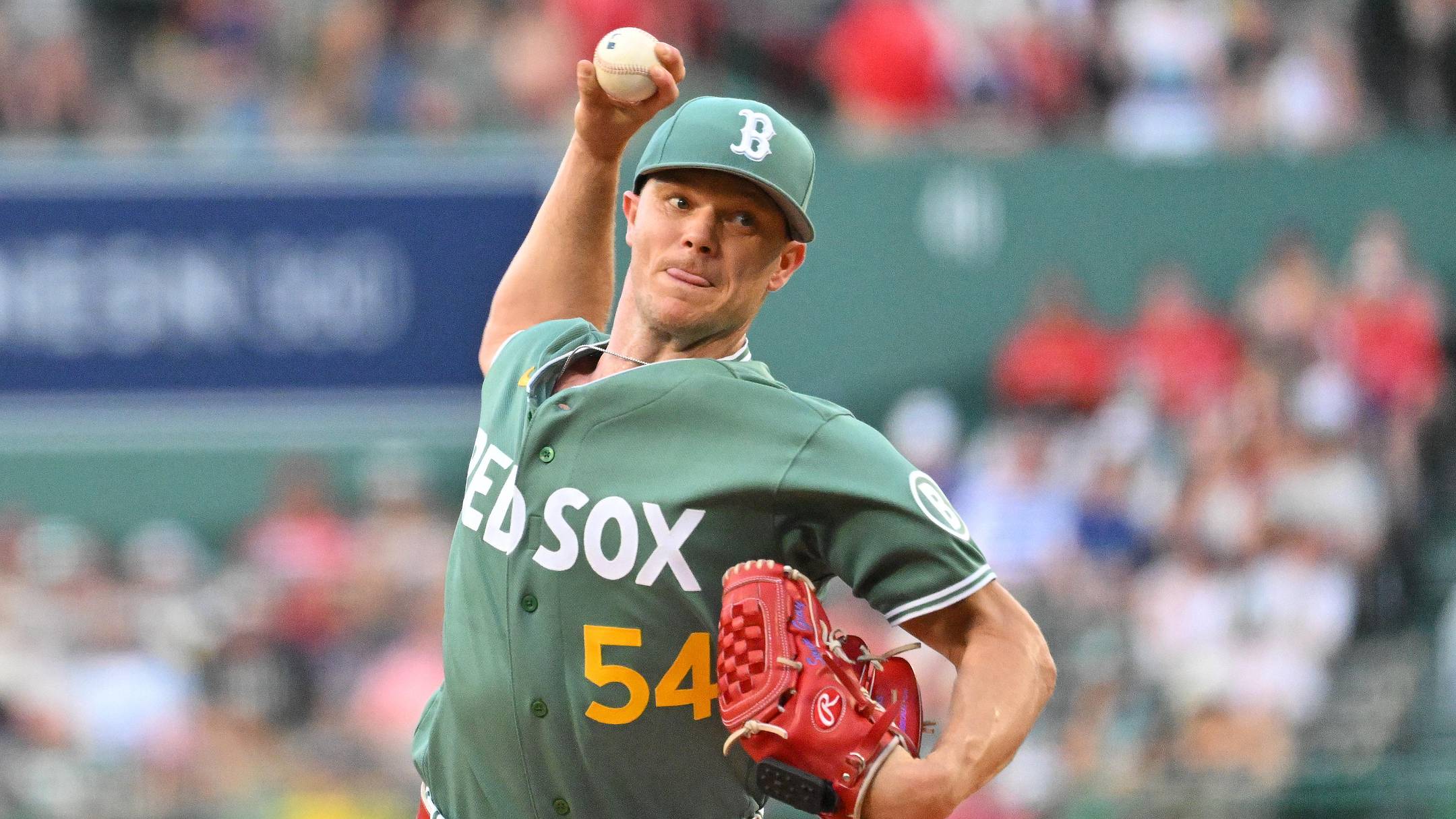
For now, the focus remains on the field. The Red Sox must take advantage of the opportunity in front of them and attempt to build momentum from their recent victory. Every game matters, and each result will help shape the decisions that lie ahead.
In the end, Friday’s win over the Rangers may prove to be either the beginning of a turnaround or simply a brief bright spot in an otherwise challenging season. The answer will become clearer in the days and weeks to come, as Boston determines whether it can rise to the occasion or must instead chart a new course moving forward.
The Red Sox Have Options Who Could Be On The Move
According to Chris Cotillo, several veterans on the Red Sox roster stand out as logical candidates to be moved if the team decides to sell ahead of the trade deadline. Among them, starting pitcher Sonny Gray is perhaps the most obvious name to watch.

At 36 years old and currently playing under a contract that is nearing its end, Gray represents the type of experienced, short-term asset that contending teams often target during the middle of the season. His age, combined with his contract status, makes him a particularly appealing option for organizations seeking immediate pitching help without a long-term commitment.
Cotillo also pointed to closer Aroldis Chapman as another clear trade possibility, even though his situation is slightly more complex. Chapman does have a relatively affordable vesting option for the 2027 season, valued at $13 million, which could make him more than just a rental depending on how teams evaluate his future performance. Still, given his age and the Red Sox’s uncertain trajectory, he remains a strong candidate to be dealt if the front office chooses to shift direction.
MORE: Braves-Twins Trade Lands All-Star Pitcher After Spencer Strider Decision
In addition to those two high-profile pitchers, utility player Isiah Kiner-Falefa was mentioned as a potential, albeit lower-impact, trade piece. As a versatile veteran with postseason experience, Kiner-Falefa could attract interest from teams looking to add depth and flexibility to their roster for a playoff push, even if the return for him would likely be modest.
Focusing first on Gray, his performance in his debut season with Boston has been nothing short of impressive. Through his first 12 starts, the veteran right-hander has compiled an outstanding 8-1 record, supported by a stellar 3.03 earned run average.

His effectiveness on the mound has translated directly into wins for the Red Sox, as evidenced by his league-leading .889 winning percentage. These numbers underscore his value not only to Boston but also to any team in need of a reliable starter as the postseason race begins to intensify.
Despite his strong performance, Gray’s contractual situation adds another layer of intrigue to his future. At the conclusion of the 2026 season, he holds a $30 million mutual option for 2027. However, it is widely believed that this option is unlikely to be exercised by both parties. If the option is declined, the contract includes a $10 million buyout, which would still provide Gray with a significant payout.
On the other hand, if the Red Sox were to pick up their end of the option and Gray chose to decline it, the buyout would be forfeited altogether. This somewhat complicated structure makes his situation particularly interesting, as it influences how both the team and potential trade partners might evaluate his value.
MORE: Atlanta Braves Officially Announce the Signing Of Intriguing Right-Handed Hitter
Turning to Chapman, his performance during the 2026 campaign has been nothing short of dominant. Widely regarded as one of the top closers in the game this season, the veteran left-hander has been nearly untouchable out of the bullpen.
Over the course of 20 appearances, he has posted an eye-popping 0.46 ERA while successfully converting 13 save opportunities. Such numbers highlight his continued effectiveness even at this stage of his career and reinforce why he would be a highly sought-after asset for teams looking to strengthen their late-inning relief corps.
Chapman’s presence at the back end of the bullpen provides stability and confidence, qualities that are invaluable for contenders aiming to secure wins in tight games.

His ability to consistently close out games under pressure has long been one of his defining traits, and his current form suggests that he still possesses the skills necessary to perform at an elite level. Given these factors, it is easy to see why he would generate significant interest on the trade market if made available.
Beyond his on-field performance, Chapman has also found himself in the spotlight for reasons unrelated to his pitching. Recently, he made headlines after being asked about the possibility of a reunion with the New York Yankees, a team with which he previously enjoyed considerable success.
In response, Chapman indicated that he would expect an apology from Yankees general manager Brian Cashman if such a scenario were to materialize. While the comment was largely hypothetical, it nonetheless added an extra layer of intrigue to his situation and sparked conversation among fans and media alike.
MORE: Cardinals Pounce on Blue Jays’ Veteran Hurler After DFA
Taken together, the cases of Gray and Chapman illustrate the delicate position in which the Red Sox currently find themselves. Both players are performing at a high level and could play key roles in helping a team compete for a championship.
However, their value to Boston must be weighed against the broader context of the team’s season and its long-term goals. If the Red Sox determine that they are unlikely to contend this year, moving players like Gray and Chapman could provide an opportunity to acquire younger talent and build for the future.
At the same time, trading away productive veterans is never an easy decision. Players like Gray and Chapman bring not only statistical contributions but also leadership, experience, and a sense of stability to the clubhouse. Their departures could have ripple effects that extend beyond the field, impacting team chemistry and fan perception.

Ultimately, the decision will come down to how the Red Sox evaluate their position in the standings and their chances of making a meaningful push. If they believe there is still a path to contention, they may choose to hold onto their key contributors and attempt to build momentum. However, if the season continues to trend in the wrong direction, the logic of selling high on players like Gray and Chapman could prove too compelling to ignore.
In that sense, the coming weeks will be critical for Boston. The performances of players like Gray and Chapman will not only influence the team’s success on the field but also shape the decisions that lie ahead. Whether they remain in Boston or find themselves contributing to another team’s playoff run, their impact on the 2026 season is likely to be significant.
As for Kiner-Falefa, while he may not command the same level of attention as Gray or Chapman, his versatility and experience still make him a useful piece. Teams often value players who can fill multiple roles, particularly during the postseason when roster flexibility becomes increasingly important. Even if the return for him is relatively small, moving him could still be part of a broader strategy to reshape the roster.
In conclusion, the Red Sox are approaching a pivotal moment in their season, with several key players potentially on the move. Gray’s consistency, Chapman’s dominance, and Kiner-Falefa’s versatility all contribute to their appeal on the trade market. How the organization chooses to handle these assets will go a long way in determining not only the outcome of this season but also the direction of the franchise moving forward.


Be the first to comment