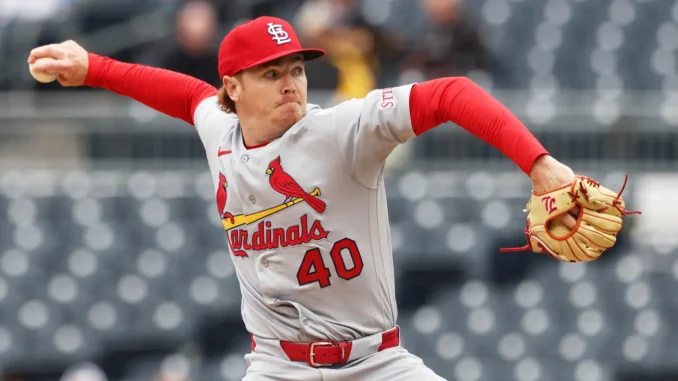
The St. Louis Cardinals entered the offseason with a clear and deliberate plan: reshape the roster by moving established veterans while bringing in younger talent that could contribute to the organization’s future. Rather than making short-term upgrades, the front office committed to a broader rebuilding strategy focused on long-term sustainability.
This approach meant exploring the trade market aggressively, identifying opportunities to exchange experienced players for prospects particularly young pitchers who could strengthen the organization’s depth over time.
Under the direction of the front office, the Cardinals executed a series of significant trades that dramatically altered the roster. Among the most notable moves was the decision to part ways with several key veterans. Pitcher Sonny Gray and first baseman Willson Contreras were both dealt to the Boston Red Sox in separate transactions.

In addition, longtime third baseman Nolan Arenado was traded to the Arizona Diamondbacks, while versatile infielder Brendan Donovan was sent to the Seattle Mariners. These moves collectively signaled a major philosophical shift within the organization, as the Cardinals chose to prioritize youth and future upside over maintaining their veteran core. (CBS Sports)
Each of these trades had a similar theme: acquiring young pitching talent. The Cardinals made it clear that bolstering their pitching pipeline was a top priority, and they targeted arms with upside in nearly every deal.
MORE: Cardinals Keep Flamethrower, Trade Lars Nootbaar, In Bold 2026 Season
For instance, the trade involving Willson Contreras brought back right-handed pitcher Hunter Dobbins along with additional pitching prospects, emphasizing the organization’s commitment to building depth on the mound. (MLB.com) This consistent focus on pitching reflects a belief that developing strong arms internally is essential for sustained success in today’s game.
While some of the prospects acquired in these deals are still a few years away from making an impact at the major league level, they represent valuable long-term assets. Players such as Jurrangelo Cijntje, ranked among the organization’s top prospects, and Brandon Clarke, another highly regarded young arm, have the potential to become key contributors down the line. These types of prospects offer upside and flexibility, giving the Cardinals a stronger foundation for the future even if they are not immediate solutions at the big-league level.
However, not all of the players acquired are distant projects. One name that stands out as someone capable of helping the team sooner rather than later is Hunter Dobbins. Unlike some of the younger prospects who require additional development time, Dobbins has already demonstrated that he is close to being major-league ready. His combination of skill, experience, and performance makes him an intriguing option for the Cardinals as they navigate the current season.
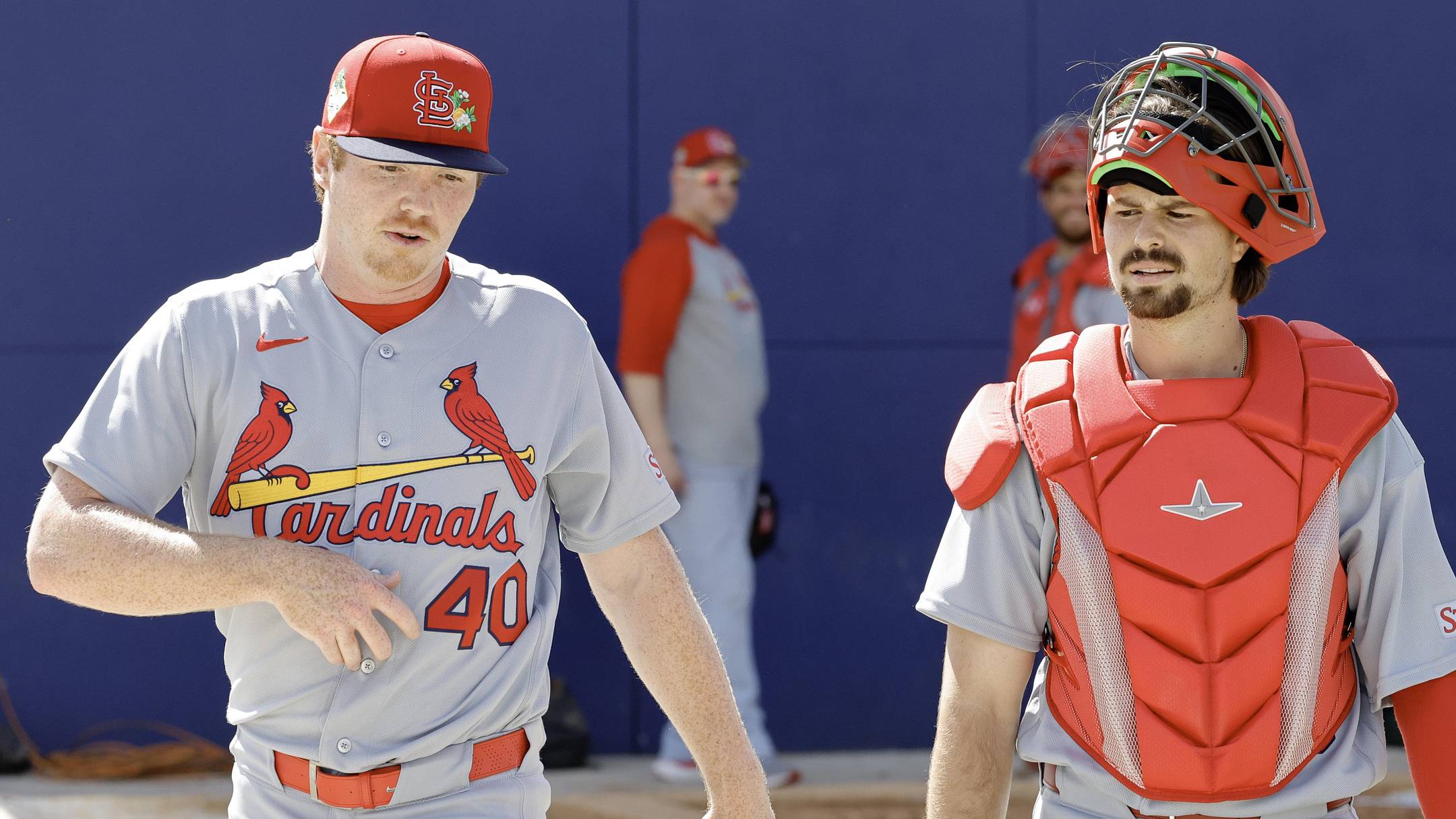
Cardinals fans have already gotten a glimpse of what Dobbins can offer at the highest level. He made his major league debut for St. Louis on April 30, appearing in a game against the Pittsburgh Pirates. In that outing, he pitched 4 1/3 innings and allowed three earned runs.
While the performance was not dominant, it provided a solid introduction and showed that he is capable of competing at the major league level. For a pitcher making his first appearance with a new team, it was a respectable showing and a useful learning experience.
Since that debut, Dobbins has not yet received another opportunity in the majors this season. However, his absence from the big-league roster is not due to poor performance. In fact, the opposite is true. He has been performing at a high level in Triple-A, where he has consistently delivered strong results. His outings in the minors have caught the attention of both fans and evaluators, as he has demonstrated the ability to miss bats, limit damage, and maintain composure on the mound.
MORE: Braves Fans Shares Heartbreaking Take Regarding $20M Star Ha-Seong Kim
Dobbins’ success in Triple-A highlights an important aspect of the Cardinals’ current situation. As a team in transition, they are balancing the development of young players with the need to remain competitive. While prospects are given opportunities, roster decisions are often influenced by timing, depth, and overall team needs. In Dobbins’ case, the organization appears to be exercising patience, allowing him to continue refining his skills and building confidence before giving him another shot in the majors.
This approach is consistent with the broader strategy the Cardinals have adopted. By focusing on player development and giving young talent time to grow, they are positioning themselves for future success rather than rushing players into roles they may not yet be fully prepared to handle. At the same time, having players like Dobbins performing well in the minors provides valuable depth and creates internal competition, which can ultimately strengthen the team.
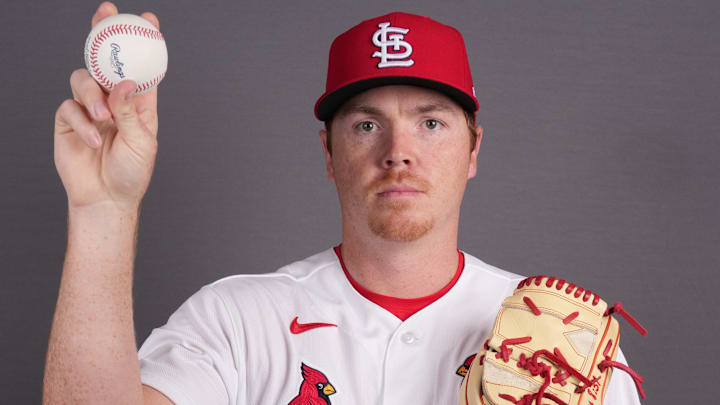
The offseason trades and the emergence of players like Dobbins also reflect a shift in organizational identity. For many years, the Cardinals were known for their consistency and their ability to remain competitive without undergoing a full rebuild.
However, recent struggles and changing circumstances prompted the front office to take a different approach. By committing to a youth movement and prioritizing pitching development, the team is embracing a new direction aimed at building a sustainable contender.
Of course, this transition comes with challenges. Trading away established veterans can have an immediate impact on the team’s performance, as experienced players often provide stability and leadership. In the short term, the Cardinals may face growing pains as younger players adjust to the demands of the major leagues. However, the organization appears willing to accept these challenges in exchange for the potential long-term benefits.
MORE: Cardinals Officially Announce Crucial Roster Move
For fans, this period represents both uncertainty and excitement. On one hand, the departure of familiar faces marks the end of an era. On the other hand, the arrival of promising young talent offers hope for the future. Players like Dobbins serve as a bridge between these two phases, providing a glimpse of what the next generation of Cardinals could look like.
Looking ahead, the key for St. Louis will be the development of the players they have acquired. If prospects such as Cijntje, Clarke, and others reach their potential, the team could emerge as a contender in the coming years. In the meantime, players like Dobbins have an opportunity to establish themselves and become important contributors at the major league level.

In summary, the Cardinals’ offseason was defined by a clear commitment to rebuilding through youth, particularly on the pitching side. By trading away veterans like Sonny Gray, Willson Contreras, Nolan Arenado, and Brendan Donovan, the organization has significantly reshaped its roster and stocked its farm system with promising arms.
While many of these players are long-term investments, Hunter Dobbins stands out as someone who could make an immediate impact. His performance in Triple-A suggests that another opportunity in the majors could be on the horizon, and when that chance comes, he will have the opportunity to prove that he can be a key piece of the Cardinals’ future.
The Cardinals Hurler Is Thriving In Triple-A
Hunter Dobbins has quietly been putting together a strong and consistent campaign at the Triple-A level, and his performance is beginning to draw more attention within the organization. Through his first nine starts of the season with Memphis, he has posted a solid 3.43 ERA while compiling a 33-to-14 strikeout-to-walk ratio across 44 2/3 innings. (ballysports.com) These numbers reflect not only his ability to limit damage but also his growing command and control on the mound. For a pitcher still working his way back into a major league role, those are encouraging signs that he is trending in the right direction.
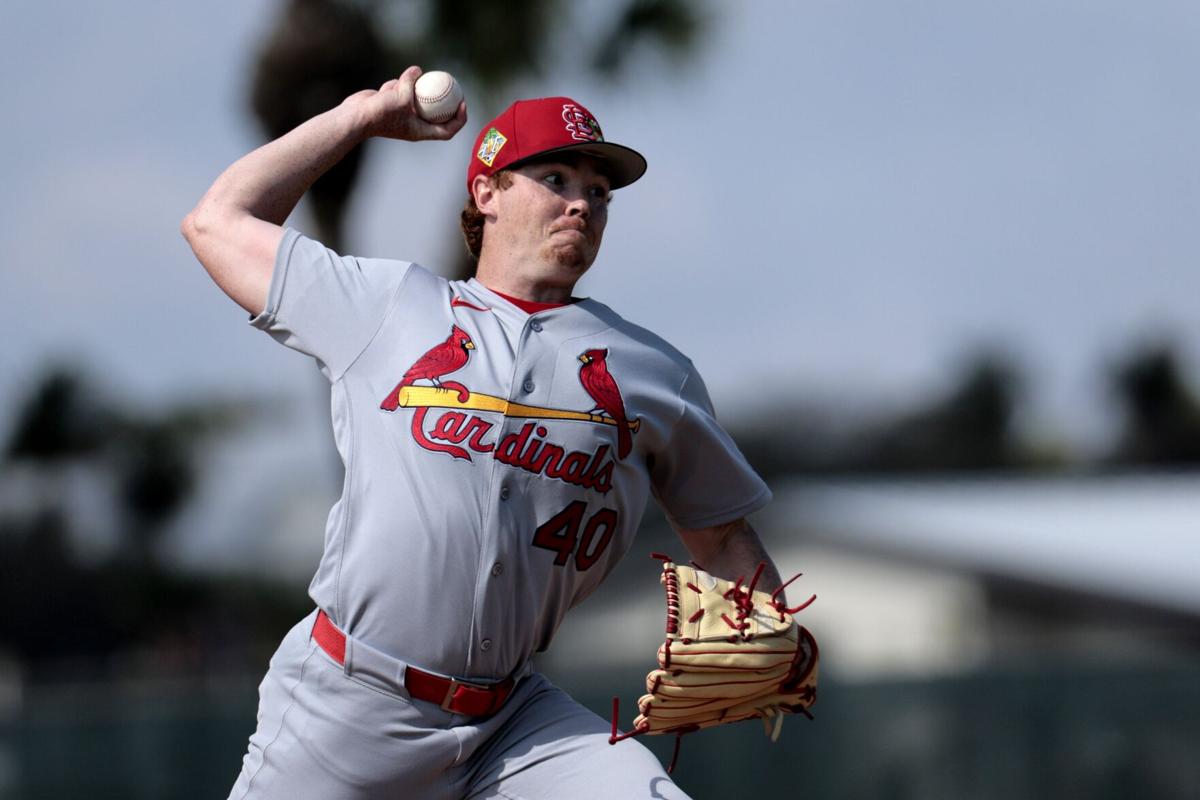
Dobbins’ production at Triple-A suggests that he is more than capable of stepping into a big-league role if the opportunity arises. In fact, he appears to be one of the first options the Cardinals could turn to in the event of an injury or a need for rotation depth.
His readiness is not just theoretical—it is backed by consistent outings, solid strikeout numbers, and an ability to keep games manageable. For a team navigating a long season, having a pitcher like Dobbins waiting in the wings provides a level of security that is difficult to overstate.
What makes his current performance even more compelling is the context of his recent career trajectory. Just a year ago, Dobbins was pitching at the major league level with the Boston Red Sox. During that stretch, he made 13 appearances and logged 61 innings, finishing with a respectable 4.13 ERA. (MLB.com) While those numbers were not elite, they demonstrated that he could hold his own against major league hitters and contribute meaningful innings. Unfortunately, his season was cut short due to a torn ACL, a significant injury that required time to recover and regain full strength.
MORE: Nolan Schanuel’s Lingering Calf Injury Raises Concern as Angels Weigh Injured List Decision
Returning from such an injury is never easy, especially for a pitcher who relies heavily on mechanics, balance, and lower-body stability. However, Dobbins’ current performance suggests that he has successfully navigated that recovery process.
His ability to return to the mound and produce at a high level in Triple-A speaks volumes about both his physical resilience and mental toughness. Many players struggle to regain their previous form after a serious injury, but Dobbins appears to be not only back to form but potentially even improving.
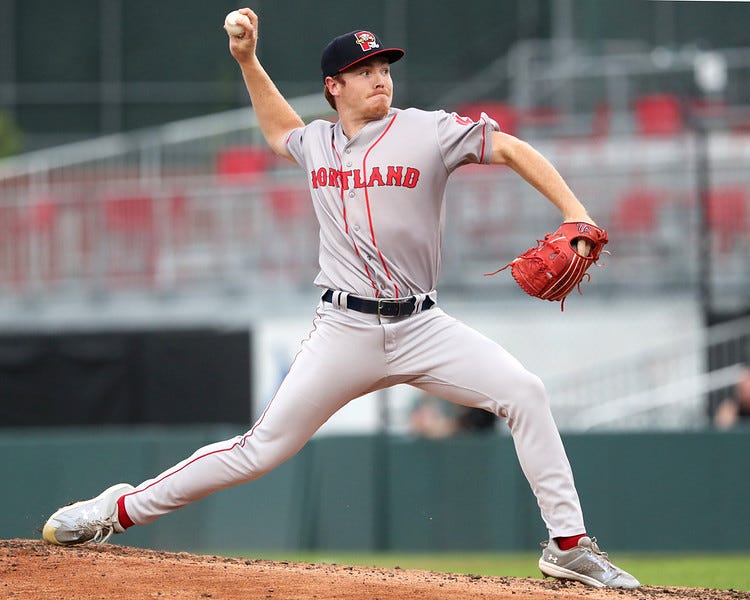
Despite his strong showing in the minors, Dobbins has not yet secured a permanent spot on the Cardinals’ major league roster this season. However, this should not be interpreted as a reflection of his ability. Rather, it is more indicative of the team’s current depth and roster structure.
The Cardinals have multiple pitching options at the major league level, which has made it more difficult for players like Dobbins to break through immediately. Even so, his performance ensures that he remains firmly in the conversation and ready for a call-up at any moment.
Another important factor working in Dobbins’ favor is his contractual situation. He remains under team control through the 2031 season, giving the Cardinals several more years to utilize his services without the pressure of imminent free agency.
This long-term control makes him a valuable asset, as the team can integrate him into their plans without worrying about losing him in the near future. Essentially, he represents both a present-day depth option and a potential long-term contributor.
At this stage of his career, Dobbins is in a particularly interesting position. At 26 years old, he is no longer considered a raw prospect, but he is also not yet fully established at the major league level. This places him in a transitional phase where performance and opportunity must align.
The encouraging aspect is that he is doing everything within his control to force that opportunity. By consistently delivering quality outings in Triple-A, he is making it increasingly difficult for the organization to overlook him.
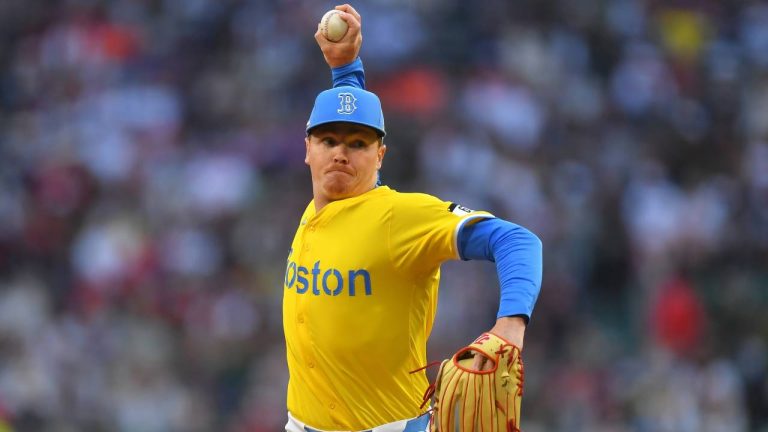
When comparing his current performance to his previous stint in the minor leagues, the improvement becomes even more apparent. Last season, he made just four appearances in the minors and struggled to a 5.09 ERA. (ballysports.com) That stretch, although limited, suggested that he was still adjusting, whether due to injury recovery, mechanical issues, or inconsistency.
Fast forward to this season, and the contrast is striking. His ERA has dropped significantly, his command has improved, and his overall effectiveness has taken a noticeable step forward.
This improvement highlights an important aspect of player development: progress is rarely linear. Players often experience setbacks, whether due to injuries or performance dips, but what matters most is how they respond.
In Dobbins’ case, his ability to rebound from a challenging period and elevate his game demonstrates both adaptability and determination. These are qualities that organizations value highly, particularly when evaluating players for larger roles.
Even though he is currently pitching in Triple-A, Dobbins is far from being an afterthought. In fact, he serves as a crucial piece of the Cardinals’ overall pitching depth. Over the past several seasons, one of the most consistent criticisms directed at the organization has been a lack of sufficient pitching. Injuries, inconsistent performances, and limited depth often left the team scrambling for reliable options. That narrative, however, appears to be changing.
With players like Dobbins performing well in the minors, the Cardinals now have a much stronger safety net. Instead of being forced to rely on inexperienced or unproven options, they can turn to pitchers who have demonstrated both ability and readiness. This added depth not only strengthens the roster but also provides flexibility in managing workloads and addressing injuries.
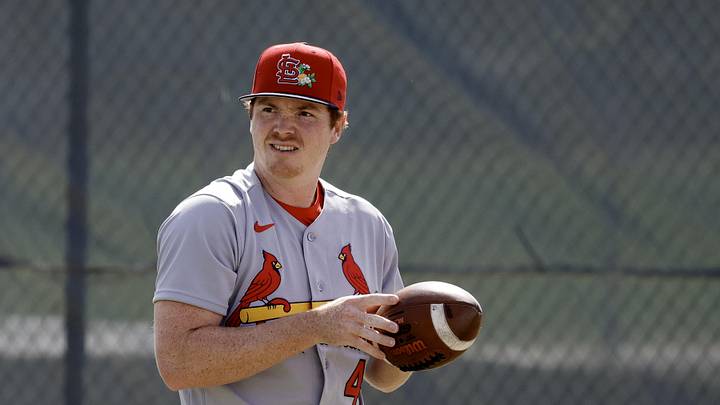
Dobbins’ presence in Triple-A also creates internal competition, which can be beneficial for the entire pitching staff. When players know that there are capable replacements waiting in the minors, it can serve as motivation to maintain high performance levels. At the same time, it ensures that the team is not overly reliant on any single pitcher, reducing the risk of being derailed by injuries or slumps.
Another aspect worth noting is the balance between immediate impact and long-term potential. While some of the Cardinals’ pitching prospects may still be years away from contributing at the major league level, Dobbins represents a more immediate option.
He is close enough to the majors to step in quickly, yet still young enough to be part of the team’s future plans. This combination makes him particularly valuable during a transitional period for the organization.
From a broader perspective, Dobbins’ development aligns with the Cardinals’ evolving strategy. By prioritizing pitching depth and focusing on player development, the team is positioning itself to be more competitive in the long run. Rather than relying solely on external acquisitions, they are building a pipeline of talent that can sustain success over multiple seasons. Dobbins is a prime example of how this approach can pay off.
It is also worth considering how his performance might translate to the major league level moving forward. While Triple-A success does not always guarantee immediate results in the majors, it is often a strong indicator of readiness. Given his previous experience in the big leagues and his improved performance this season, there is reason to believe that he could be more effective if given another opportunity.
Ultimately, Dobbins’ current situation can be summed up as one of patience and preparation. He is doing everything necessary to earn another chance at the major league level, and it is likely only a matter of time before that opportunity presents itself. Whether it comes due to an injury, a rotation adjustment, or simply a need for fresh arms, he appears poised to step in and contribute.

In conclusion, while Hunter Dobbins may not currently be part of the Cardinals’ major league roster, his performance in Triple-A has been nothing short of impressive. With a 3.43 ERA, strong strikeout-to-walk numbers, and a clear upward trajectory, he has established himself as a reliable and ready option for the team. (ballysports.com) His past experience in the majors, combined with his recovery from injury and continued development, further strengthens his case as a valuable asset.
At 26 years old and under team control for several more seasons, Dobbins represents both immediate depth and future potential. Perhaps most importantly, his emergence reflects a broader shift within the organization.
The Cardinals are no longer lacking pitching options; instead, they are building a system that provides both quality and depth. And in that system, Dobbins stands out as a player who is ready to make an impact whenever his next opportunity arrives.



Be the first to comment