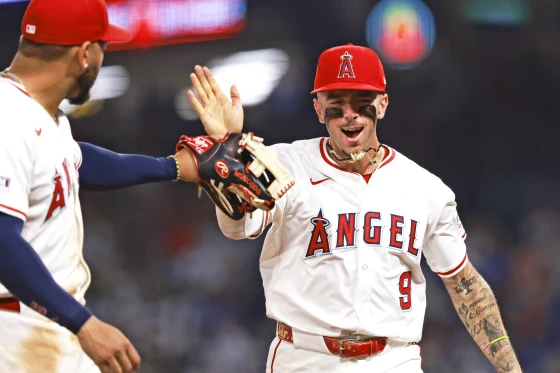
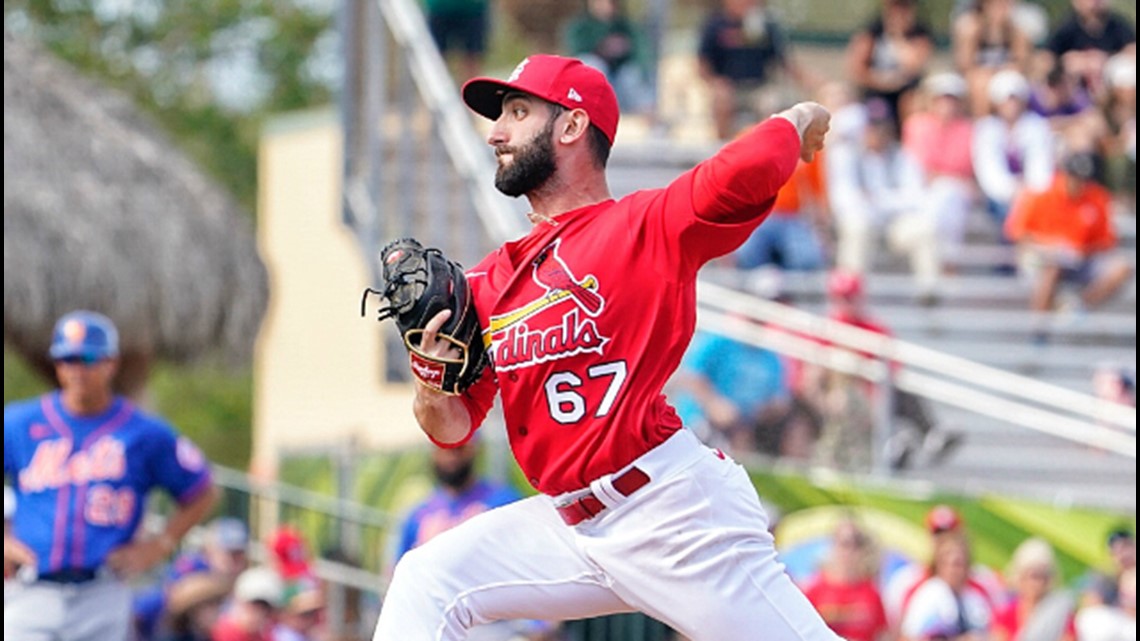
According to Bob Nightengale of USA Today, the Los Angeles Angels have added left-handed relief pitcher Rob Kaminsky to their organization on a minor league contract. This type of agreement is typically considered a low-risk move, as it allows a team to evaluate a player without committing significant financial resources or roster space. For the Angels, the signing represents a depth addition to a bullpen that has struggled considerably, while also offering Kaminsky another opportunity to work his way back to the Major League level.
Kaminsky’s professional baseball journey dates back to 2013, when he was selected in the first round of the MLB Draft by the St. Louis Cardinals. Being a first-round pick indicated that he was once regarded as a highly promising young pitcher, with scouts projecting him as a potential impact arm. However, his time with St. Louis was relatively brief.
In 2015, the Cardinals traded him to the Cleveland Indians as part of a deal that brought veteran slugger Brandon Moss to St. Louis. This trade marked a significant turning point in Kaminsky’s career, as he transitioned into a new organization with different developmental priorities and pitching philosophies.
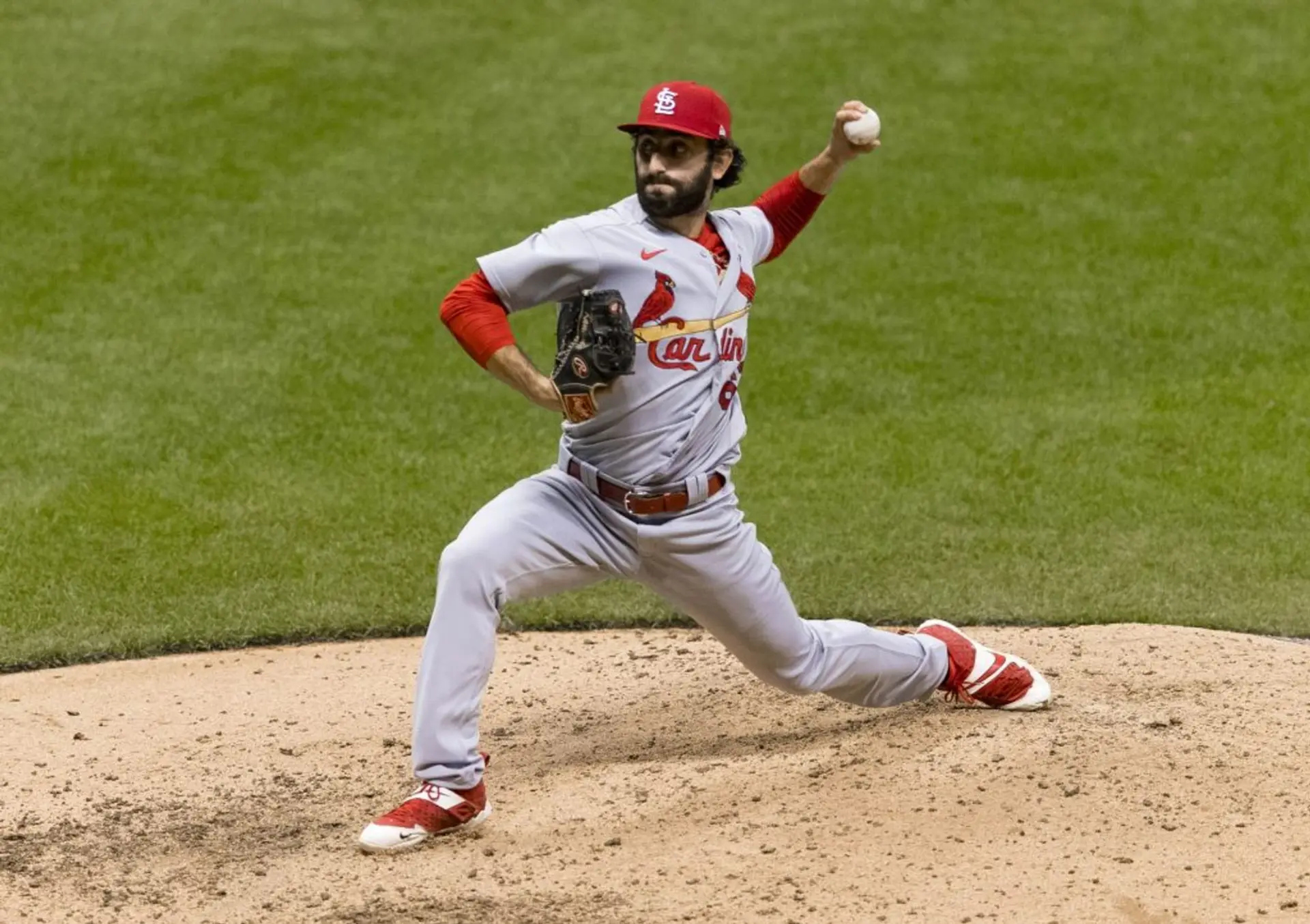
While in Cleveland’s farm system, Kaminsky steadily climbed through the minor league ranks. By 2019, he had reached the Triple-A level, which is the highest level of minor league baseball and often serves as the final step before a player is promoted to the Major Leagues.
Despite reaching this advanced stage, Kaminsky did not receive a call-up during his time with Cleveland. At the end of the 2019 season, he elected to become a free agent, seeking new opportunities elsewhere.
MORE: Angels Officially Call-Up Superstar To Set Up Interesting Weekend
His next move brought him back to familiar territory. Kaminsky rejoined the Cardinals organization on a non-roster deal during the shortened 2020 season, which was heavily impacted by the global pandemic. That year, he finally achieved a milestone that had eluded him up to that point making his Major League debut. Kaminsky appeared in five games for St. Louis, pitching a total of 4⅔ innings.
In that limited sample, he allowed just one earned run and struck out three batters. Although the sample size was small, his performance was solid and demonstrated that he could compete at the highest level. As of now, those five appearances remain the only Major League outings of his career.
Following the 2020 season, Kaminsky continued to move between organizations in search of stability and a clearer path back to the Majors. In 2021, he spent time in the farm system of the Philadelphia Phillies. He then joined the Seattle Mariners organization, where he played from 2022 through 2024.
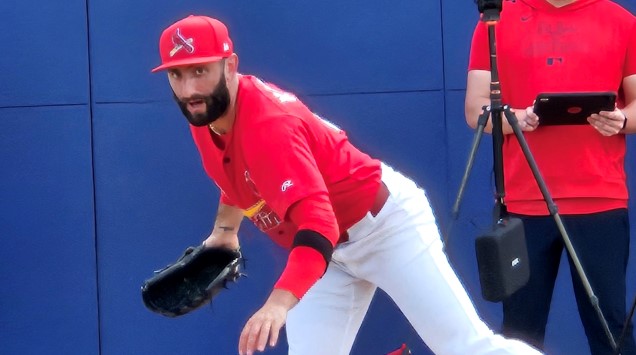
During this period, he continued to pitch primarily at the minor league level, working to refine his approach and maintain consistency. In 2025, he once again returned to the Cardinals’ system, though his time there was brief, as he logged only four innings across two minor league levels.
In addition to his affiliated minor league experience, Kaminsky has also spent time pitching in independent baseball leagues, specifically in the American Association of Professional Baseball during the 2024 and 2025 seasons. Independent leagues often serve as a proving ground for players looking to showcase their abilities and earn another opportunity with a Major League organization.
MORE: Braves Veteran Pitcher Officially Chose The Route Where He Could Explore All Options
Kaminsky has also represented his country on the international stage, participating in the World Baseball Classic in both 2023 and 2026. These experiences highlight his perseverance and dedication to continuing his professional career despite the challenges he has faced.
From a pitching standpoint, Kaminsky does not rely on overpowering velocity. His fastball, which averaged around 90.1 miles per hour in 2024, is considered below average by modern Major League standards, where many pitchers routinely throw in the mid-to-upper 90s. As a result, Kaminsky must depend on other aspects of his game to be effective.
One of his key strengths is his ability to generate ground balls. Throughout much of his minor league career, he has consistently posted groundball rates in the range of 50 to 60 percent. This skill is valuable because ground balls are less likely to result in extra-base hits or home runs, making it easier for pitchers to limit damage and escape innings.
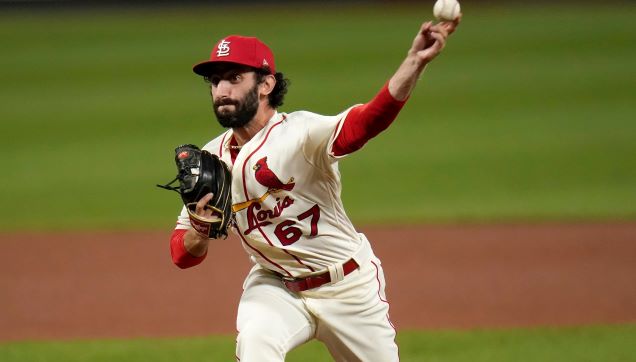
However, Kaminsky’s approach also comes with certain limitations. He does not generate a high number of strikeouts, which can make him more dependent on his defense to convert balls in play into outs.
In today’s game, where strikeouts are often prioritized as a measure of pitching dominance, this can make it more difficult for a pitcher like Kaminsky to stand out. Nevertheless, pitchers who excel at inducing weak contact and keeping the ball on the ground can still carve out successful roles, particularly as situational relievers.
MORE: Braves to Land Angels’ $42 Million Slugger Jorge Soler
For the Angels, the decision to sign Kaminsky is a practical one. The team’s bullpen has struggled significantly, posting a combined ERA of 5.42, which ranks among the worst in Major League Baseball. Such struggles have created a need for additional options, even if they come in the form of minor league depth signings.
Earlier in the season, Jordan Romano had been serving as the team’s primary closer, but he was released and subsequently signed a minor league deal with the Colorado Rockies. His departure further weakened an already inconsistent relief corps.
Among the remaining pitchers in the Angels’ bullpen, Ryan Zeferjahn has emerged as one of the more promising contributors. He has recorded a 4.58 ERA over 19⅔ innings pitched, but advanced metrics such as a 2.14 expected ERA (xERA) and a 2.72 Fielding Independent Pitching (FIP) suggest that his performance could improve moving forward. These underlying numbers indicate that he has pitched better than his ERA might suggest, potentially making him a candidate for positive regression.
Other relievers, including Brent Suter and Sam Bachman, have also provided some level of stability. Both pitchers have maintained ERAs below 4.00 while generating groundball rates exceeding 50 percent. This shared characteristic is notable because it aligns with Kaminsky’s own pitching profile.
Like Suter and Bachman, Kaminsky relies on inducing ground balls rather than overpowering hitters, which could make him a complementary piece within the bullpen if he performs well.
MORE: Phillies officially missed clear upgrade opportunity with Braves catcher amid slowly digging their way out of tragic start
Ultimately, the Angels’ decision to bring Kaminsky into the fold reflects their broader situation as a team in transition. With the organization in a rebuilding phase, there is an emphasis on exploring different options and identifying players who might contribute in the short or long term. Minor league signings like Kaminsky’s are a common strategy for teams in this position, as they provide flexibility and the possibility of uncovering undervalued talent.
While there are no guarantees that Kaminsky will return to the Major Leagues, the opportunity is certainly there. If he can continue to generate ground balls at a high rate and demonstrate effectiveness against advanced competition, he could earn a call-up at some point during the season. Given the Angels’ bullpen struggles, it would not be surprising if the team looks to internal options like Kaminsky in search of improvement.
In summary, Kaminsky’s signing is a classic example of a low-risk, potentially rewarding move. His career path has been marked by perseverance, adaptability, and a willingness to continue competing across various levels of professional baseball. For the Angels, he represents another option in their effort to stabilize a struggling bullpen. For Kaminsky, it is yet another chance to prove that he belongs on a Major League mound.



Be the first to comment