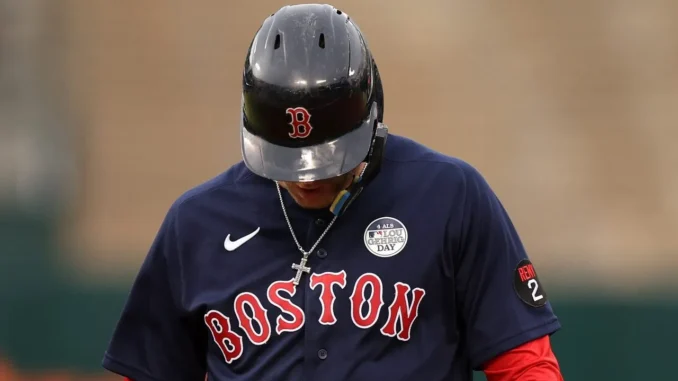
The infield competition for the Boston Red Sox encountered an unexpected setback on Wednesday, as one of the key contenders was forced out of action due to injury.
During Boston’s matchup against the Minnesota Twins, infielder Brendan Rodgers exited the game prematurely after hurting his right shoulder. The incident occurred while he was playing second base and attempting to complete a defensive play. Rodgers, a former Gold Glove Award recipient known for his defensive prowess, appeared to be making a routine effort to secure the ball when the injury unfolded.
At first glance, it seemed as though the damage might have happened during his dive for the ball. However, further clarification emerged after the game concluded. According to Mac Cerullo of The Boston Herald, Rodgers explained that the pain did not originate from the dive itself. Instead, he indicated that the discomfort began when he extended his arm afterward in an attempt to complete the play. That reaching motion, rather than the initial effort to get to the ball, appears to have triggered the issue with his shoulder.
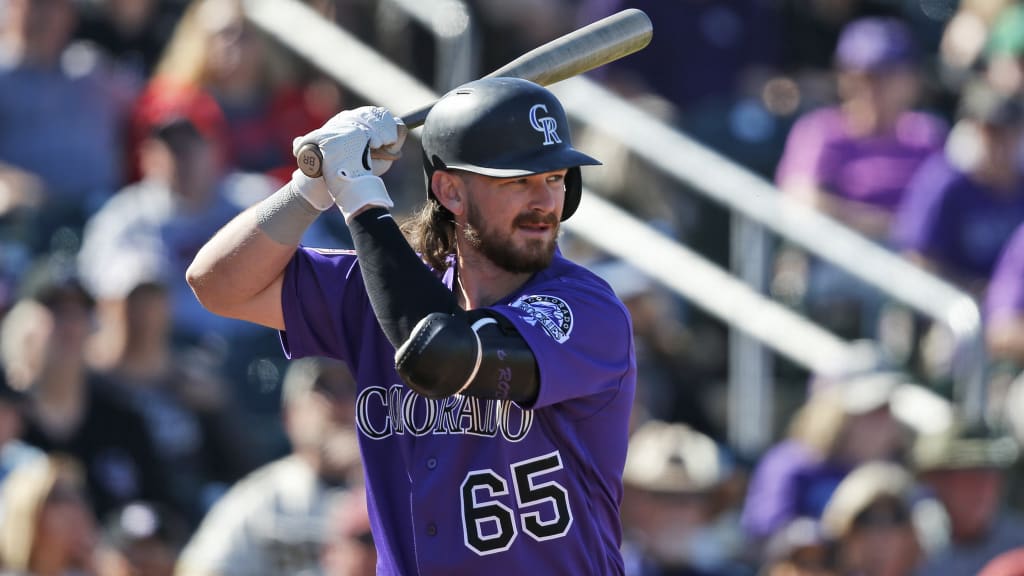
Cerullo shared Rodgers’ comments on X, providing fans and observers with a timely update on the situation. Rodgers noted that he had already undergone preliminary medical testing following the game. Encouragingly, he described the early results as “promising,” suggesting that the injury may not be as serious as initially feared. Still, he admitted that he was experiencing considerable soreness in the affected shoulder.
MORE: Understand Red Sox seemingly trade top pitching prospect to Cardinals at the right time ‘Unfortunate blisters’
The infielder expressed cautious optimism about his recovery, mentioning that he hoped to feel some improvement by the following morning. While the tests did not immediately reveal significant structural damage, the Red Sox medical staff planned to conduct additional evaluations on Thursday to gather more information and ensure there were no underlying concerns. This follow-up examination will likely determine whether Rodgers will need extended rest or if he can return to action in short order.
For Boston, the timing is less than ideal. Spring training is a critical period for players competing for roster spots or vying for starting roles, and any missed time can disrupt momentum. Rodgers entered camp looking to solidify his place in the infield mix, bringing both defensive reliability and offensive potential to the table. His track record, highlighted by his Gold Glove pedigree, makes him a valuable option, particularly at second base.
The injury momentarily clouds what had been a promising stretch for Rodgers as he sought to reestablish himself. Defensive consistency is often a key separator in tight positional battles, and Rodgers’ reputation with the glove gives him an edge.
However, shoulder injuries can be tricky, especially for infielders who rely heavily on quick throws and strong arm action from various angles. Even minor soreness can impact throwing accuracy and velocity, making careful monitoring essential.

From the team’s perspective, the relatively positive tone surrounding the initial tests offers some reassurance. Early indications that the shoulder issue may not be severe help temper concerns, though the Red Sox will undoubtedly proceed with caution. Protecting players during spring training is a priority, and there is little incentive to rush someone back onto the field before he is fully ready.
Rodgers’ own comments reflected a balanced outlook. While acknowledging that he felt “pretty sore,” he did not convey alarm. Instead, he appeared hopeful that a night’s rest would lead to noticeable improvement. Such optimism suggests that the discomfort, while uncomfortable, may be manageable and not indicative of a major setback.
MORE: Understand Mets blockbuster trade lands $100M Twins’ veteran outfielder to pair with Juan Soto, Luis Robert Jr. after disappointing 2025 season
As the Red Sox continue their preseason schedule, attention will remain focused on the follow-up evaluation scheduled for Thursday. The outcome of those additional tests should provide clearer insight into how long Rodgers might be sidelined, if at all. For now, the situation remains one to monitor rather than a cause for panic.
In a competitive camp environment, every inning and at-bat matters. Rodgers’ brief exit serves as a reminder of how quickly circumstances can change during the grind of preparation. Even a single play can alter the trajectory of a player’s spring. Fortunately for both Rodgers and the Red Sox, the early signs point toward a relatively mild issue rather than a long-term concern.
Ultimately, the coming days will determine whether this episode is merely a minor bump in the road or something more disruptive. For now, Boston can take some comfort in the encouraging initial medical feedback while awaiting further clarity on their infielder’s condition.
The Red Sox infielder is getting an MRI
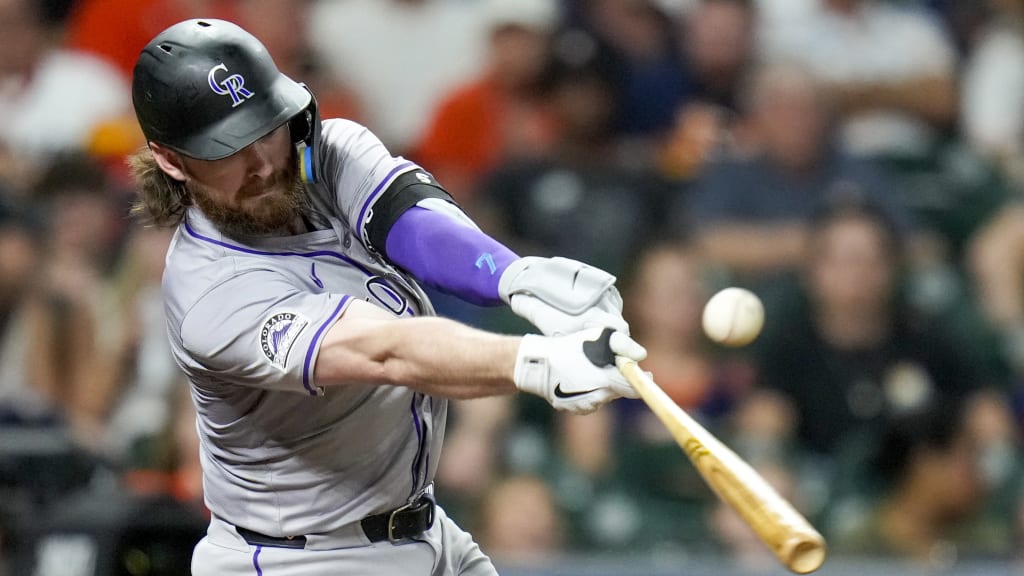
The outlook failed to improve on Thursday afternoon, as the latest update brought more uncertainty than reassurance. Boston Red Sox manager Alex Cora informed reporters that Rodgers is scheduled to undergo an MRI to determine the root of the issue. According to Tim Healey of The Boston Globe, the organization expects to wait several days before having any concrete answers about the situation.
“We don’t know what’s going on, so we’ll have more in the upcoming days,” Cora explained, as relayed by Healey. His comments underscored just how little clarity the team currently has regarding Rodgers’ condition.
It’s certainly not the type of development anyone associated with the club was hoping to hear. Rodgers has long been viewed as a player with considerable ability, but injuries have consistently disrupted his progress over the course of his seven-year major league career. Health setbacks have followed him at various stages, preventing him from fully capitalizing on his skill set and limiting his ability to maintain sustained momentum.
MORE: Mets Face Early Tough Bullpen Decision on Superstar Veteran
Shoulder problems, in particular, have been a recurring concern. Over the years, Rodgers has dealt with issues involving both shoulders, and those ailments have forced him to miss stretches of time. For a player whose defensive value is such a significant part of his overall contribution, shoulder trouble can be especially troublesome. Any lingering discomfort or structural concern could impact his throwing accuracy, arm strength, and overall defensive effectiveness.
This spring represented another opportunity for Rodgers to carve out a role. He signed a minor league contract with Boston that included an invitation to participate in Spring Training. While he wasn’t necessarily projected to open the season as a starter, he entered camp with a legitimate chance to earn a spot on the roster in some capacity. His versatility and defensive prowess made him an intriguing option, particularly given the team’s current depth situation.
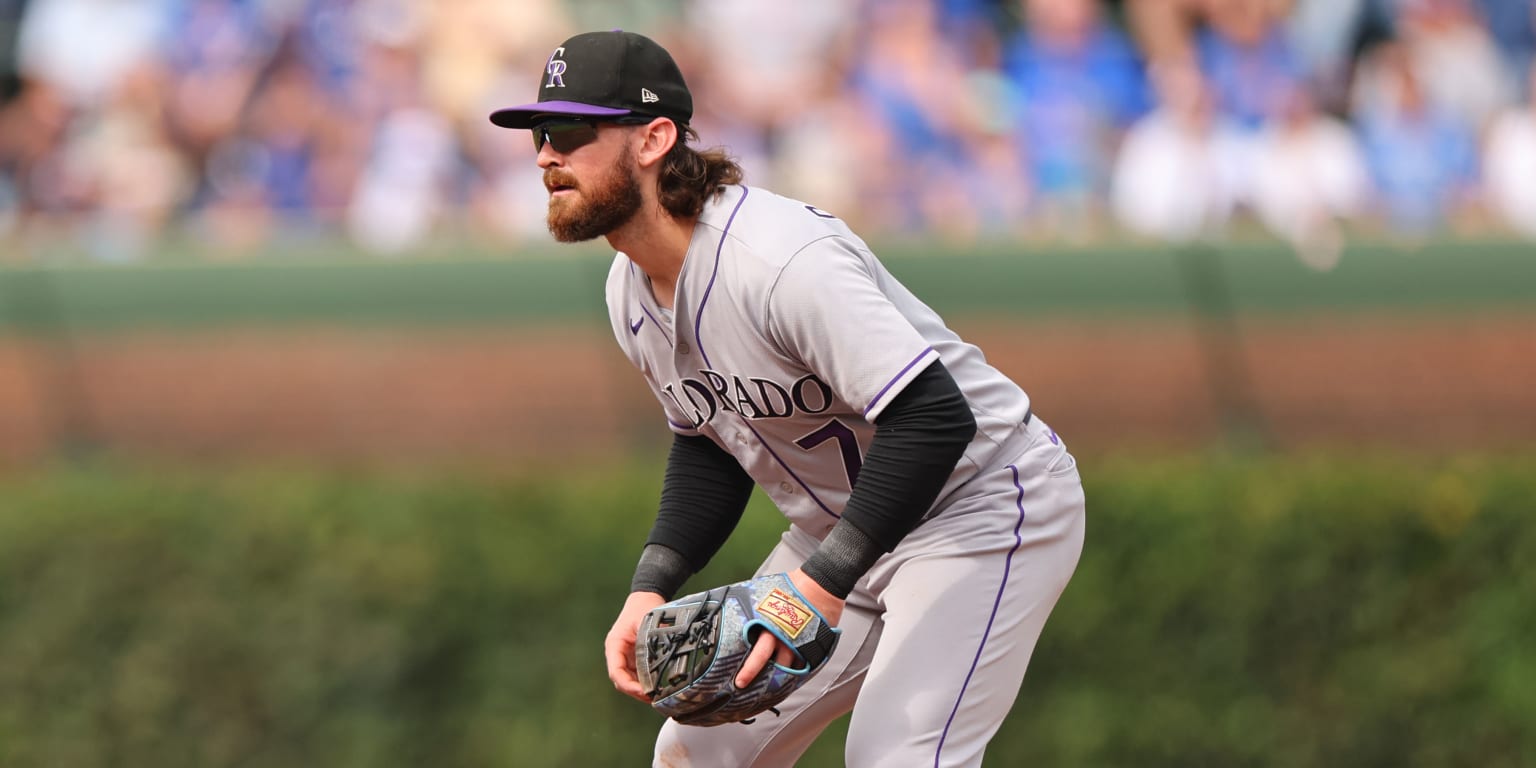
With Romy González sidelined due to injury, there appeared to be a clearer pathway for Rodgers to make his case as a potential bench contributor. In a long season, depth often proves critical, and players capable of stepping in at multiple positions while providing steady defense are highly valued. Rodgers fit that description when healthy. His glove work has frequently been described as elite, and he has demonstrated the ability to make highlight-reel plays look routine.
Offensively, Rodgers has shown that he can hold his own at the big league level. Across 495 career games, he owns a .261 batting average, a respectable mark that reflects his ability to put the ball in play and contribute competitive at-bats.
While he may not profile as a middle-of-the-order force, his bat has been serviceable enough to complement his defensive strengths. For a team evaluating bench options, that combination of reliable contact hitting and standout defense can be quite appealing.
MORE: Giants Gets Stunning News Regarding Lee Jung-hoo
However, the latest setback complicates matters. Spring Training is often about seizing opportunities and building momentum, especially for players on non-guaranteed deals. Any time missed due to injury can significantly hinder a player’s chances of making a strong impression. With roster decisions looming in the coming weeks, the timing of this uncertainty is far from ideal for Rodgers.
For the Red Sox, the priority now is simply determining the severity of the issue. An MRI should provide more detailed insight into whether this is a minor irritation that requires brief rest or something more substantial that could sideline him for an extended period. Until the imaging results are available, both the player and the organization are left in a holding pattern.
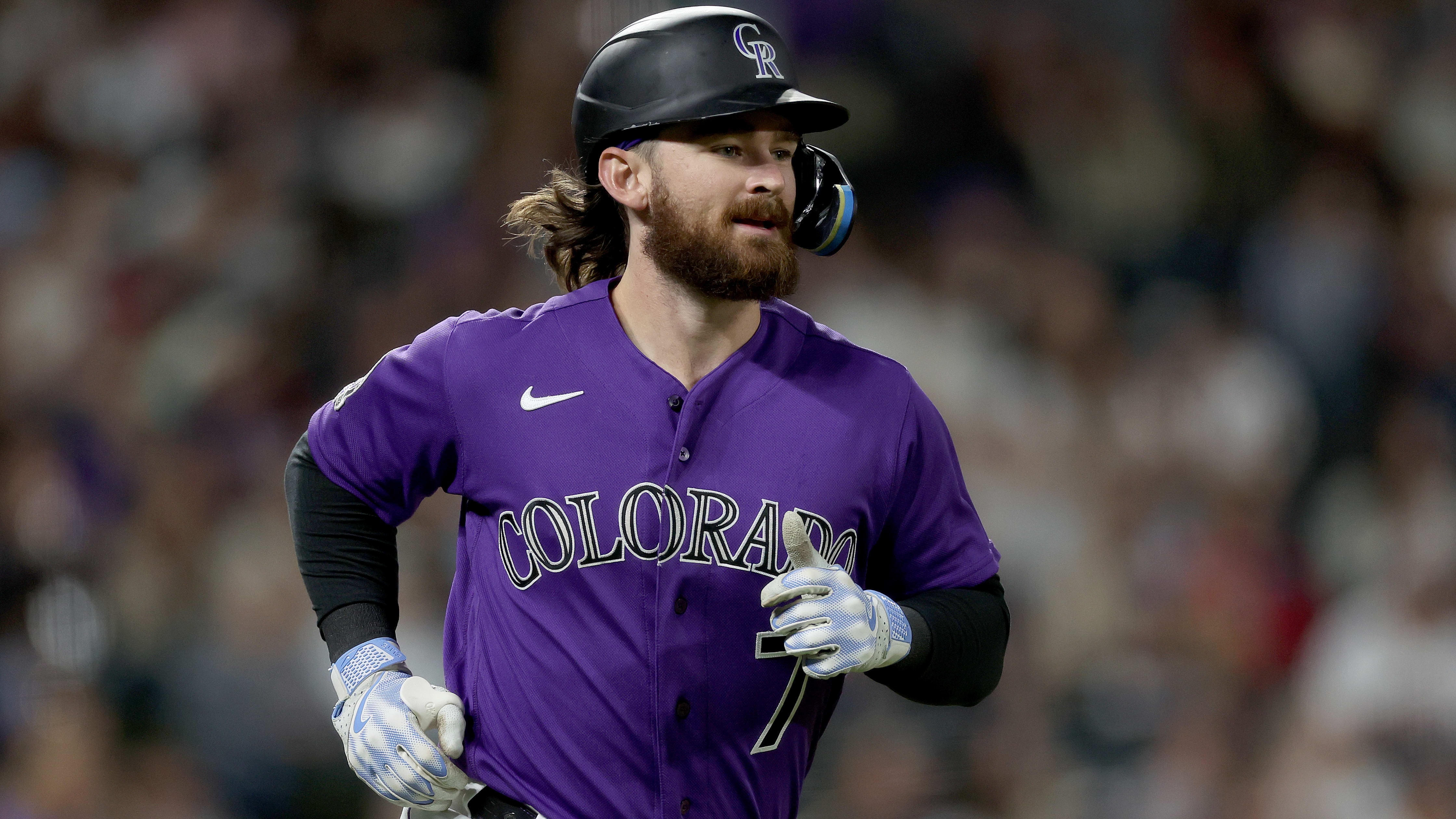
Given Rodgers’ history, it’s understandable that there would be heightened concern. Repeated injuries can create doubts about durability, even when the underlying talent is undeniable. Still, there remains hope that this situation will not turn into another prolonged absence. If the MRI reveals no significant structural damage, a short period of recovery could allow him to resume baseball activities relatively quickly.
For Rodgers personally, this is yet another moment of waiting and uncertainty in a career that has already seen its share of physical challenges. Each opportunity matters, particularly when trying to secure a role on a competitive roster. A clean bill of health would give him the chance to continue competing for a spot and showcase the skills that have made him such an intriguing player over the years.
Until further information becomes available, all involved can do is remain patient. The coming days should bring clarity, and with it, a better understanding of what lies ahead. The hope within the organization is that this proves to be a minor bump in the road rather than another major obstacle in Rodgers’ ongoing battle to stay on the field and fulfill his potential.

Be the first to comment