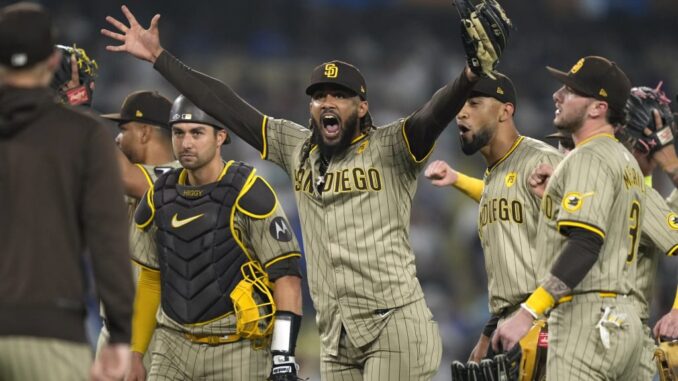
The San Diego Padres have experienced a notable period of transition this offseason, marked by both significant departures and important returns as the organization reshapes its roster for the season ahead. Like many teams navigating the winter months, San Diego has had to balance loss with opportunity, recalibrating its plans while keeping an eye firmly on remaining needs—particularly within the pitching staff.
One of the most impactful changes came with the exit of right-handed pitcher Dylan Cease, who departed San Diego after securing a massive long-term contract elsewhere. Cease signed a seven-year, $210 million deal with the Toronto Blue Jays, a move that not only altered the Padres’ rotation outlook but also sent a clear message about how highly regarded he was across the league.
Losing a pitcher of Cease’s caliber inevitably creates ripple effects throughout an organization, especially for a team that entered the offseason hoping to maintain stability at the top of its rotation.
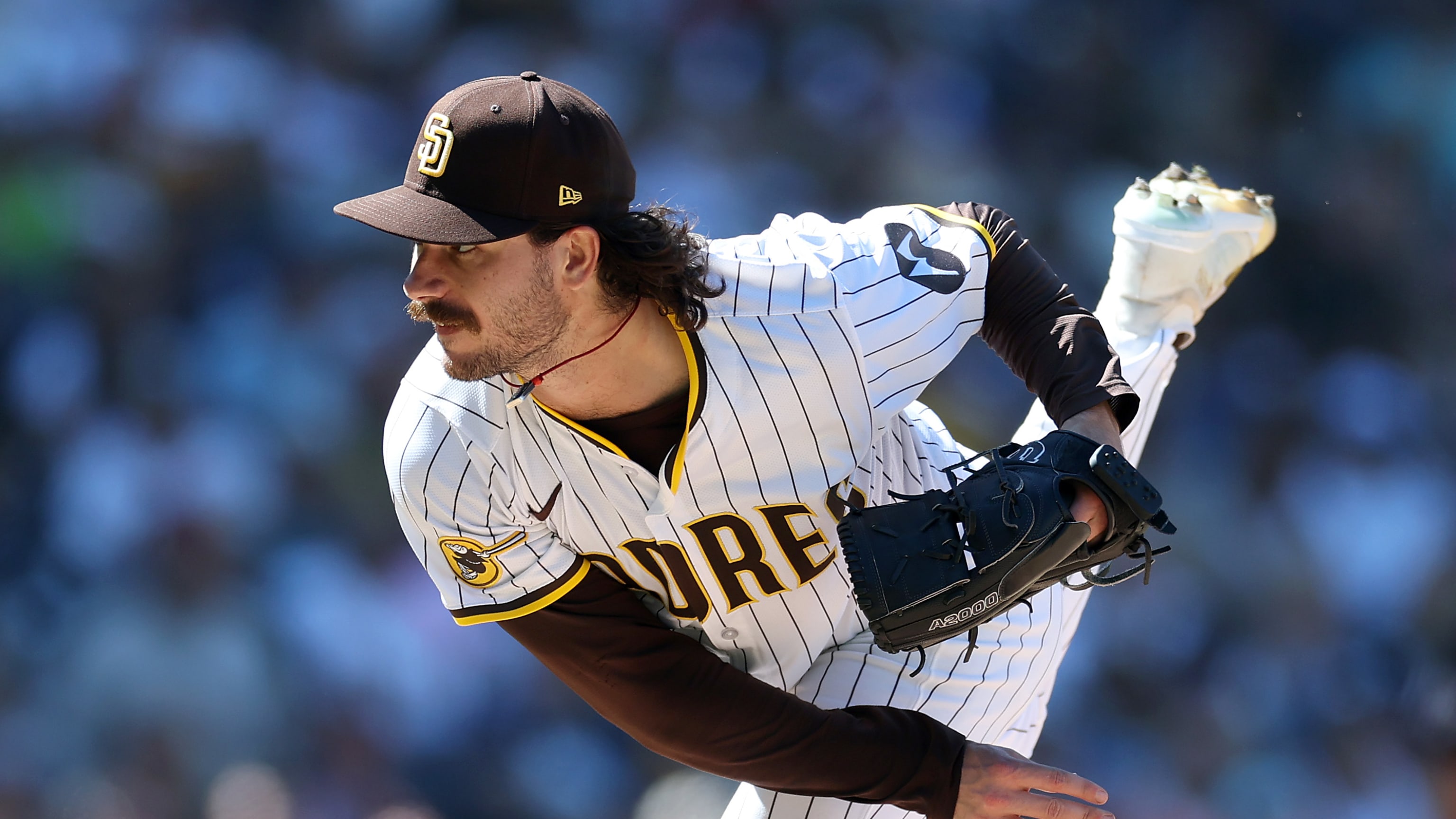
Cease’s departure leaves behind a sizable void, both in terms of innings and reliability. He had been viewed as a cornerstone arm, someone capable of matching up against elite opposing starters and anchoring the rotation during critical stretches of the season. His absence forces the Padres to rethink how they distribute responsibility among their remaining pitchers and how aggressively they need to pursue reinforcements.
Amid that uncertainty, however, the Padres did receive a dose of positive news with the decision by Michael King to remain in San Diego. Earlier in the offseason, it appeared increasingly likely that King might head to the East Coast, as several prominent teams expressed interest in his services.
The Baltimore Orioles, New York Yankees, and Boston Red Sox—all members of the highly competitive American League East—were frequently mentioned as potential landing spots. Each of those organizations was believed to be exploring ways to strengthen its pitching depth, and King’s name consistently surfaced in those conversations.
Despite the buzz and speculation, King ultimately chose to return to the Padres, a development that provided much-needed stability to a rotation suddenly facing more questions than answers. His decision not only keeps a proven arm in San Diego but also helps soften the blow of losing Cease. While King may not replicate Cease’s exact role or profile, his presence ensures that the Padres retain a dependable starter capable of handling meaningful innings.
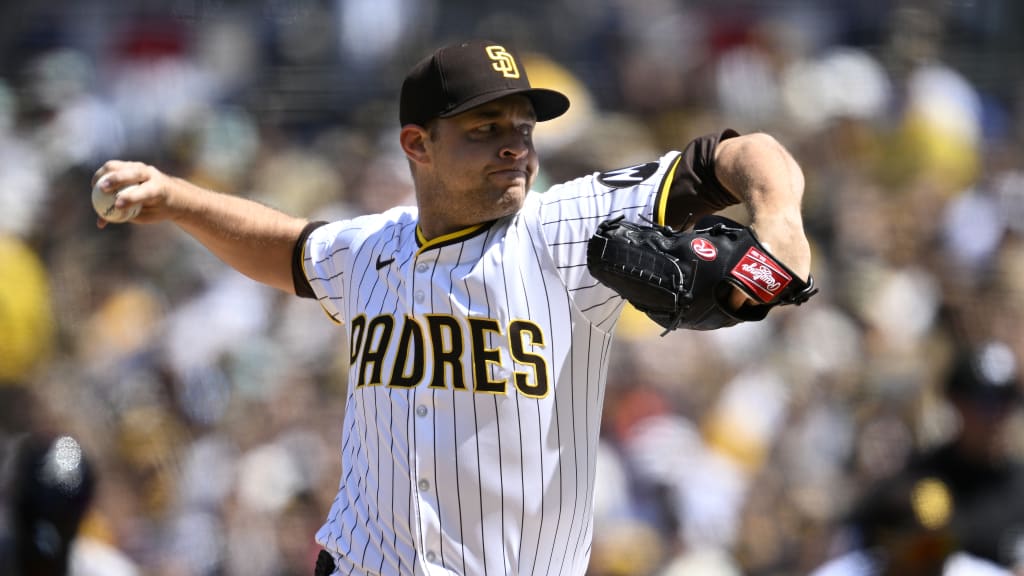
Still, even with King back in the fold, the Padres are acutely aware that their starting rotation remains incomplete. Cease’s exit has left a clear opening, and the front office appears committed to addressing it before the season begins. Rather than focusing solely on high-priced stars, San Diego seems to be exploring more economical options—pitchers who can provide depth and flexibility without straining payroll resources.
According to Ken Rosenthal of The Athletic, the Padres have been connected to several remaining free-agent pitchers who could fit that description. These arms are viewed as relatively affordable additions, players who may not command headlines but could still play meaningful roles within the rotation. Such signings often come with lower financial risk and can be especially valuable for teams looking to round out their staff rather than completely overhaul it.
The strategy makes sense given the Padres’ current situation. After committing significant resources in recent seasons, the organization may prefer short-term or budget-conscious solutions that provide coverage while younger pitchers develop or while the team assesses longer-term options. Adding one or more lower-cost starters could help stabilize the rotation, reduce the workload on existing arms, and provide insurance against injuries or underperformance.
As the offseason continues, the Padres’ approach underscores the delicate balance teams must strike between ambition and practicality. Losing a pitcher like Cease undeniably hurts, but retaining King and actively pursuing additional arms suggests that San Diego remains focused on staying competitive.
The coming weeks will reveal whether the Padres can successfully plug the remaining holes in their rotation and enter the season with a pitching staff capable of supporting their broader goals.

In the end, this offseason represents a pivotal moment for the Padres. It is a period defined by adjustment rather than upheaval, by calculated moves rather than sweeping changes. How effectively they respond to Cease’s departure—and how wisely they supplement their rotation—could play a significant role in shaping the team’s fortunes in the season ahead.
San Diego Padres Linked to 3 Free Agents & One Starting Pitcher For Rotation Depth
If the San Diego Padres are serious about closing the gap in the highly competitive National League West, one reality is becoming increasingly clear: they need to add pitching depth, particularly to the starting rotation.

Competing with a powerhouse like the Los Angeles Dodgers requires not only star talent but also reliable arms that can handle a long season and the pressure of meaningful games. While the Padres remain active in exploring options, financial limitations continue to shape their strategy this offseason.
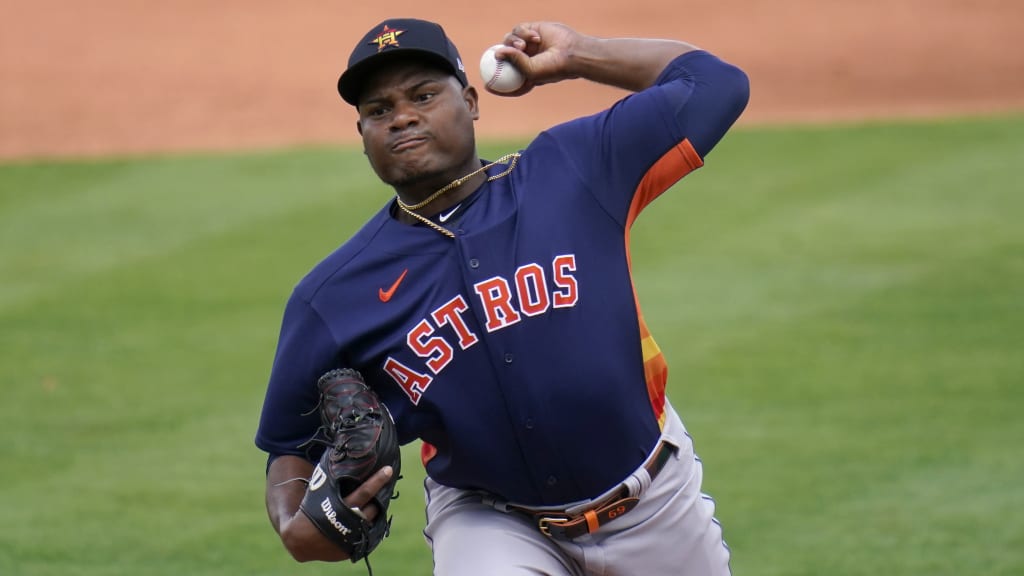
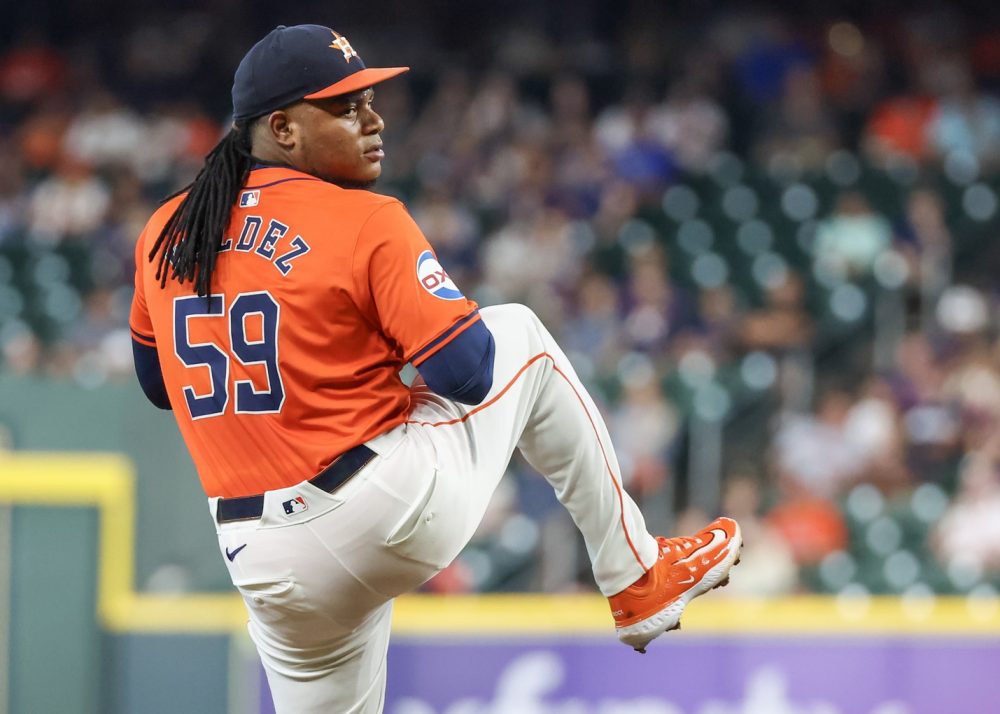
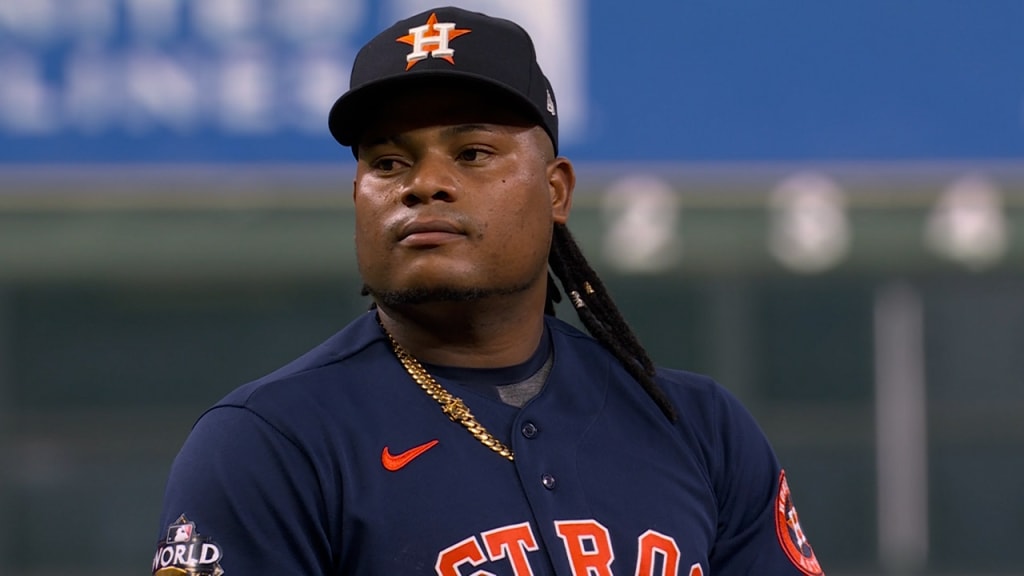
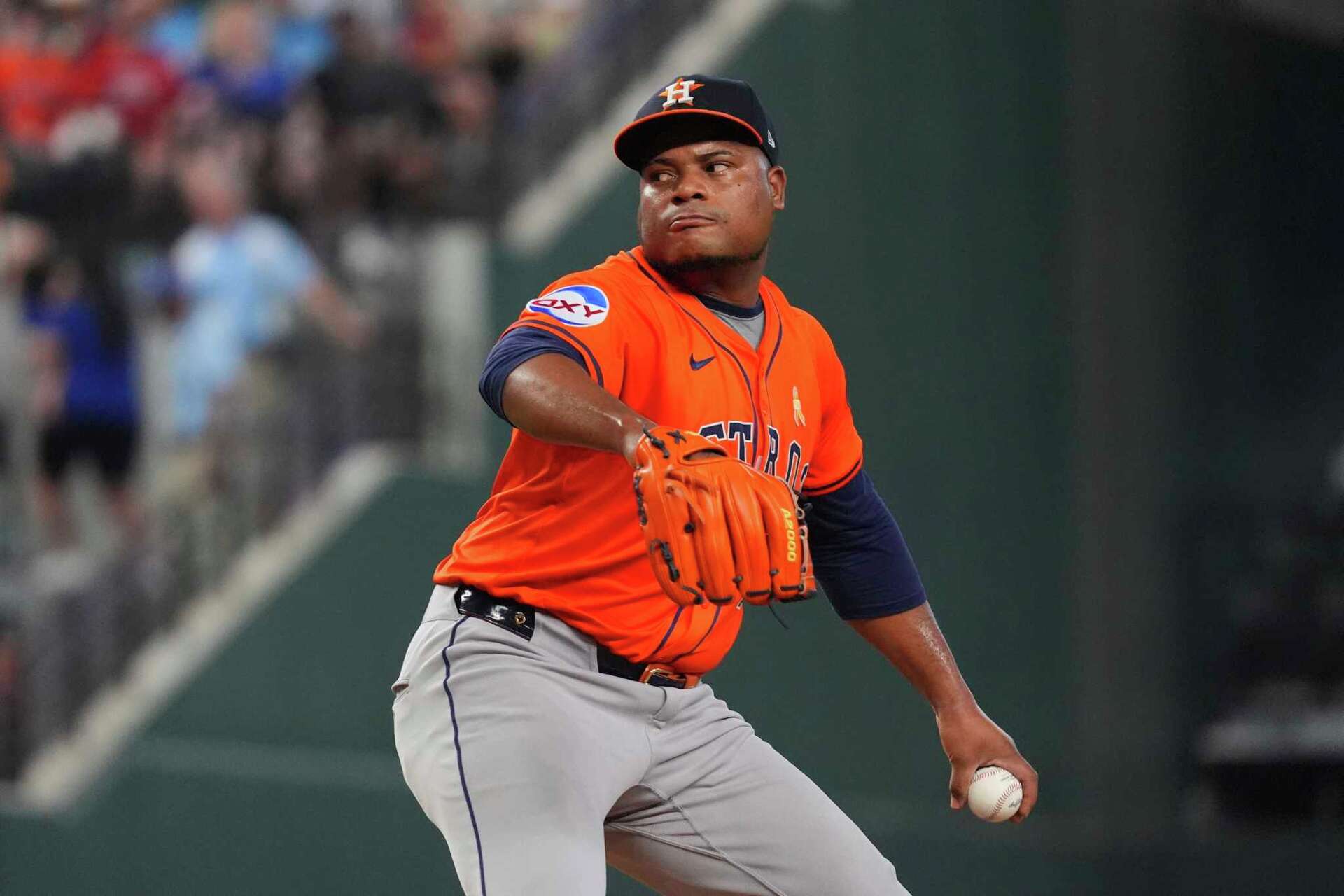
One of the most prominent names still circulating on the market is Framber Valdez. On pure talent alone, Valdez would be an ideal fit atop nearly any rotation, including San Diego’s. However, his expected price tag likely puts him well beyond what the Padres are willing—or able—to spend. With payroll constraints in mind, the front office has shifted its attention toward more affordable alternatives who could still provide solid production.
Veteran MLB insider Ken Rosenthal recently outlined several such options that may align better with San Diego’s budget. Among the pitchers mentioned were Lucas Giolito, Nick Martinez, and Justin Verlander.
All three remain unsigned and could be available at a significantly lower cost than top-tier aces. In addition to free agents, Rosenthal also noted that the Padres have explored the trade market, including checking in on Freddy Peralta of the Milwaukee Brewers.
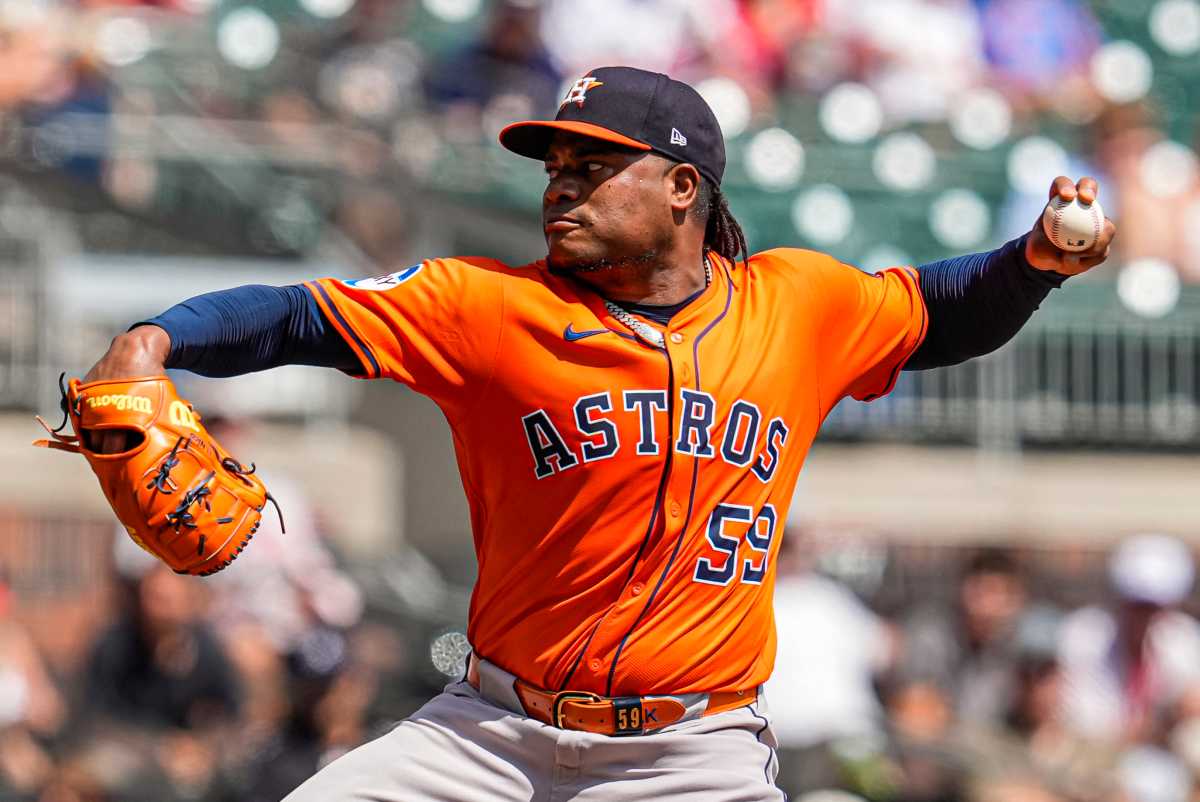
The Padres’ approach mirrors a strategy that worked for them just one year ago. Rather than rushing into an early offseason deal, San Diego waited patiently as the market developed, eventually landing Nick Pivetta in mid-February.
Pivetta signed a four-year, $55 million contract on February 17, well after most major free agents had come off the board. That deal exemplified the Padres’ preference for value-based signings—players who linger on the market long enough to fall into a more manageable price range.
Rosenthal suggested that San Diego is once again hoping history repeats itself. According to his reporting, the organization would ideally like to secure a starting pitcher at an average annual value between $8 million and $12 million. Giolito, Martinez, and Verlander are viewed as the types of arms who could eventually fit into that financial window, especially if their markets remain soft deeper into the offseason.
Among those names, Giolito stands out as the most intriguing gamble. While Verlander’s résumé is unmatched, his age and recent injury history add a layer of risk. Martinez, on the other hand, offers versatility but may not provide the kind of upside San Diego is seeking. Giolito sits somewhere in between—a pitcher with a track record of success, still in his prime years, and potentially motivated to reestablish himself as a frontline starter.
Giolito’s most recent season with the Boston Red Sox offered encouraging signs. In 26 starts, he compiled a 10–4 record and posted a 3.41 ERA, showing a level of consistency that many teams covet. He logged 245 innings of work while striking out 121 batters, providing both durability and stability to a Red Sox rotation that needed it. His overall contribution was reflected in a 2.1 WAR, a solid mark for a team that ultimately made a return to the postseason.
For the Padres, that combination of reliability and upside is appealing. They do not necessarily need Giolito to be a Cy Young contender; they need someone who can take the ball every fifth day, keep the team competitive, and reduce the strain on the bullpen. In a division dominated by deep lineups and high-powered offenses, simply staying in games can make a meaningful difference over the course of 162 contests.
There is, of course, risk involved. Giolito’s career has featured fluctuations, and his performance prior to last season raised questions about long-term consistency. Still, compared to the alternatives, he represents a calculated bet—one that aligns with San Diego’s financial reality while still offering tangible upside.
Ultimately, the Padres appear committed to patience. Rather than forcing a deal that could compromise future flexibility, they seem content to wait for the market to come to them. If a proven starter like Giolito remains available at the right price, San Diego may be ready to strike. In a division as unforgiving as the NL West, that kind of disciplined approach could prove just as important as the talent itself.
San Diego Padres Linked to Freddy Peralta
The possibility of the San Diego Padres acquiring Freddy Peralta from the Milwaukee Brewers appears to be, at best, a long shot. While Peralta would fit nicely within the Padres’ financial framework—he is set to earn $8 million in the 2026 season—his impending free agency after this year complicates matters.
The cost of securing him, whether via trade or signing after the season, could be a significant hurdle for San Diego, especially when compared to what other teams might be willing to pay. The combination of his talent and his salary makes him an appealing option, but it’s unclear whether the Padres are in a position to meet the Brewers’ expectations.
Sources, including reports from MLB insider Jon Paul Morosi, indicate that San Diego is actively exploring the possibility. Rosenthal noted that the Padres are “among the clubs to check in with the Milwaukee Brewers on a trade for righty ace Freddy Peralta, whose salary this season will be $8 million.”
This confirms that Peralta is on the team’s radar, though whether the discussions progress into serious negotiations remains uncertain. Acquiring a top-tier starting pitcher like Peralta would provide the Padres with an immediate boost to a rotation that has struggled to consistently compete at the highest level of the National League West.
The challenge for the Padres is clear: they need another starting pitcher. With the free agent market thinning as the offseason progresses, options are becoming more limited. Names like Justin Verlander and Eduardo Rodríguez have been discussed as potential fits.
Verlander, now a veteran presence, had a difficult start to the 2025 season with the San Francisco Giants, but he improved as the season went on, showing that experience and resilience could make him a valuable addition. Rodríguez, too, represents a short-term option for teams seeking to bolster their rotation without committing to a long-term deal. While both veterans bring proven skills, neither necessarily provides the upside or long-term flexibility that Peralta could offer if a deal can be worked out.
Peralta is particularly intriguing for the Padres because of his potential impact on a rotation that, despite its talent, has inconsistencies. A true ace like him could solidify the top of the rotation, allowing San Diego to better match up against rivals like the Los Angeles Dodgers and the rest of the NL West.
His combination of velocity, strikeout ability, and overall pitching acumen makes him a rare commodity on the trade market, and landing him could be transformative for the team’s chances of postseason contention. Even with the financial and logistical obstacles, it’s understandable why the Padres are monitoring his availability closely.
At this point, it is not just about Peralta. The Padres have made it clear that their primary goal this offseason is to improve their pitching staff. The team recognizes that competing with division rivals will require more than just incremental adjustments; they need a starter who can consistently deliver quality innings.
If they are unable to secure Peralta, the focus may shift to other free agent options or potential trades involving other MLB clubs. Each path comes with its own risks and rewards. Free agent pitchers like Verlander or Martínez may bring experience and stability, but they do not guarantee the same ceiling as a younger, high-upside arm like Peralta.
Time is also a factor. With spring training approaching next month, the Padres have a limited window to finalize their roster moves. Waiting too long could result in missing out on available arms, leaving the team scrambling to fill the rotation.
A successful addition, whether through trade or free agency, will not only address immediate pitching needs but also signal to the rest of the league that San Diego is serious about contending. The organization’s front office is undoubtedly weighing all of these considerations carefully—balancing financial implications, roster flexibility, and competitive positioning in a division that has been dominated in recent years by the Dodgers.
Financially, the Padres are in a relatively favorable position. Committing $8 million to Peralta for the 2026 season is manageable compared to the multi-year contracts required by some other free agent starters.
However, the risk lies in the uncertainty of the trade market and whether the Brewers will demand additional assets beyond salary considerations. Prospects, cash, or combinations of both could factor into any deal, potentially complicating San Diego’s ability to acquire Peralta without depleting other parts of their system. The front office must weigh whether the potential gain from adding a top-tier starter justifies the cost in both money and organizational resources.
Ultimately, the Padres’ offseason strategy hinges on bolstering their rotation. Whether it is Peralta, a veteran like Verlander or Martínez, or another trade acquisition, one thing is certain: San Diego needs another high-quality arm. The team has made it clear that competing in the NL West requires depth and consistency in the starting rotation, particularly when facing powerhouses like the Dodgers.
Any significant addition before spring training would provide the Padres not only with improved pitching but also with a morale boost and a message to the division that they intend to contend seriously.
As the winter progresses, the Padres’ approach will likely remain fluid, adapting to changes in the trade market and free agent availability. While the Peralta acquisition may be unlikely, it remains a possibility that could redefine the rotation. If that path does not materialize, the Padres will explore alternative routes to secure the pitching reinforcement they need.
In either scenario, one thing is clear: adding another starting pitcher is not optional—it is essential for San Diego to compete effectively and remain a credible contender in the NL West when the 2026 season begins. The team’s front office knows this, and every move from here on will be evaluated through that lens.

Be the first to comment