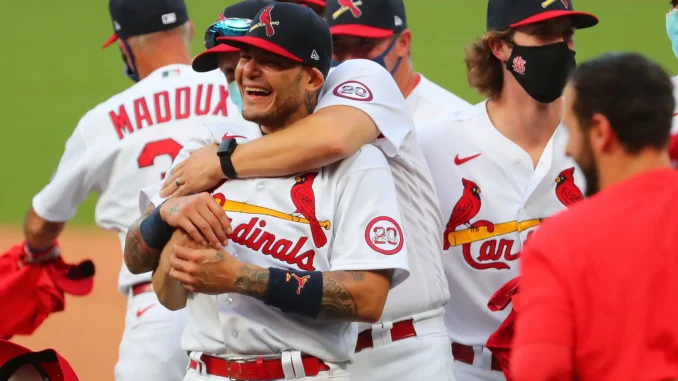
The St. Louis Cardinals have quietly added another arm to their organizational pitching depth, signing left-handed pitcher to a minor league contract. The move, first reflected on Zimmermann’s MLB.com profile, comes after a winding few seasons for the southpaw, who has bounced between organizations and levels while searching for a stable foothold at the Major League level.
His path to St. Louis began when he was removed from the Milwaukee Brewers’ 40-man roster at the conclusion of the season, after which he chose to enter minor league free agency rather than remain in the organization under an outright assignment.
Zimmermann’s professional journey over the past two seasons has been largely spent outside the spotlight of the Major Leagues. During the 2024 campaign, he pitched exclusively within the Baltimore Orioles’ minor league system, never receiving a call-up despite his previous history with the organization.
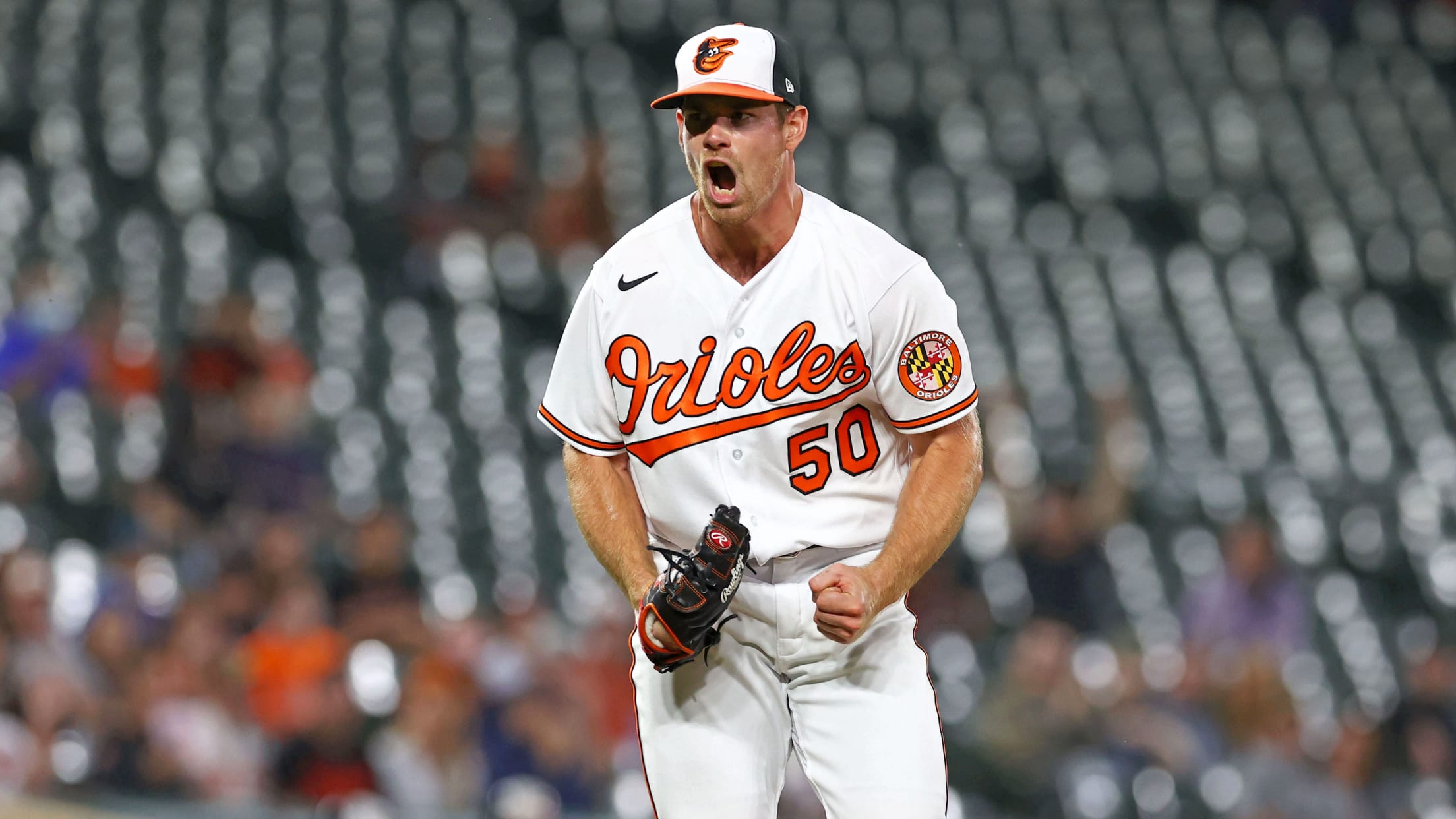
The following year, he signed with Milwaukee and spent almost the entirety of the 2025 season with the Brewers’ Triple-A affiliate in Nashville. It wasn’t until the final week of the regular season that Zimmermann’s contract was selected, giving him a brief return to the big leagues under circumstances that had more to do with workload management than long-term planning.
MORE: Diamondbacks officially solidify bullpen with the signing of superstar righty
At that point, the Brewers were preparing for the postseason and were focused on protecting their primary pitchers from unnecessary stress. Zimmermann was asked to serve as an innings-eater, a role that often falls to depth arms during the final days of a long season. On September 23, he made his lone Major League appearance of the year, taking the mound as a starter and working six innings.
While he succeeded in absorbing innings, the results were uneven, as he surrendered five earned runs in the outing. The appearance served its immediate purpose for Milwaukee, but it did little to solidify Zimmermann’s standing within a pitching staff that already had ample alternatives.
That reality ultimately contributed to Milwaukee’s decision to designate him for assignment at season’s end. With no remaining minor league options, Zimmermann represented a roster crunch casualty rather than a priority piece. Once outrighted off the 40-man roster, he exercised his right to elect free agency, setting the stage for his eventual agreement with St. Louis.
Zimmermann’s broader Major League track record dates back several years and paints a picture of a pitcher who has struggled to translate opportunity into sustained success. Between 2020 and 2023, he logged 158 1/3 innings with the Baltimore Orioles, appearing in 38 games and making 27 starts during that span.
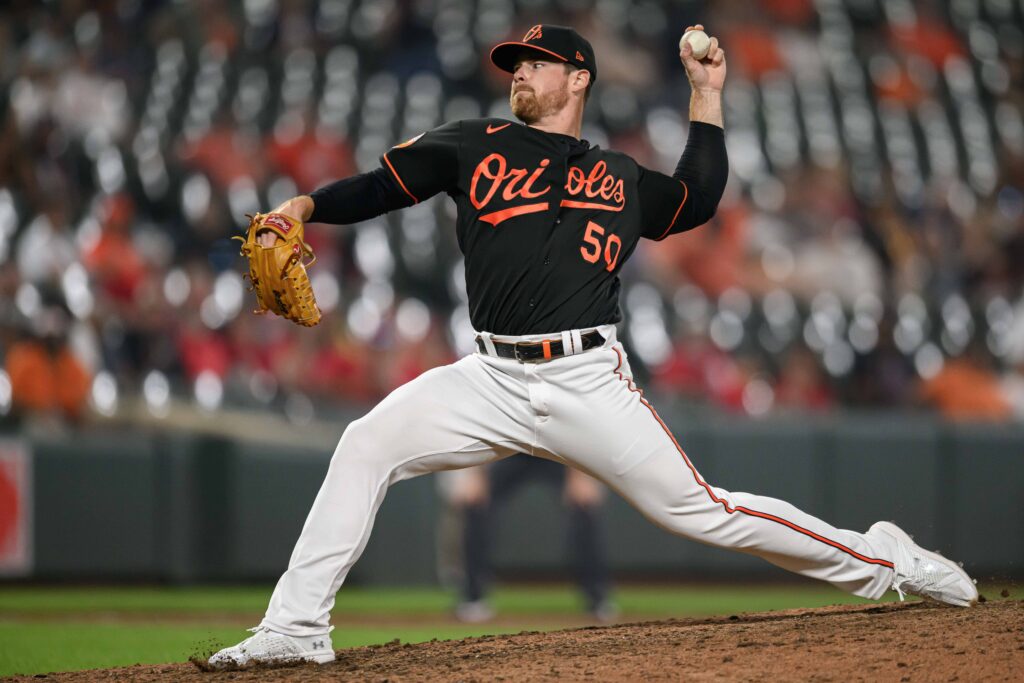
His overall results were rough, as evidenced by a 5.57 earned run average. While ERA alone doesn’t tell the full story, the underlying numbers also reflect challenges. He struck out just 18.1 percent of opposing hitters, a rate well below league average, while walking 5.2 percent. Although the walk rate suggests reasonable control, the lack of swing-and-miss stuff proved costly, particularly when combined with a tendency to allow hard contact.
MORE: Mets make move to acquire Nationals ace
Perhaps most concerning was Zimmermann’s susceptibility to the long ball. During his time in Baltimore, he yielded 40 home runs, an alarming total given his relatively modest workload. Hitters on both sides of the plate found success against him, as he failed to establish a meaningful platoon advantage. Neither left-handed nor right-handed batters struggled significantly when facing him, limiting his effectiveness both as a starter and as a situational option out of the bullpen.
Despite those struggles at the Major League level, Zimmermann has shown enough competence in Triple-A to remain employed as organizational depth. With Milwaukee’s Triple-A club in Nashville, he produced respectable numbers in a variety of roles, starting games and also providing relief innings when needed.
While he did not dominate, he was serviceable, reliable, and capable of handling a full starter’s workload when called upon. For a team with significant rotation depth like the Brewers, however, that profile relegated him to the margins. Younger pitchers with higher upside or veterans with more established résumés naturally took precedence.
The situation in St. Louis is not dramatically different, though it offers Zimmermann a slightly altered set of circumstances. The Cardinals are in the midst of a transitional phase, often described as a retooling or soft rebuild, with an organizational emphasis on developing younger arms.
That reality means opportunities at the Major League level may be limited for a 30-year-old pitcher whose upside is largely known. However, it also creates a need for experienced depth at the upper levels of the minors, particularly pitchers who can stabilize a Triple-A rotation, mentor younger teammates, and step in for spot starts when injuries or performance issues arise.
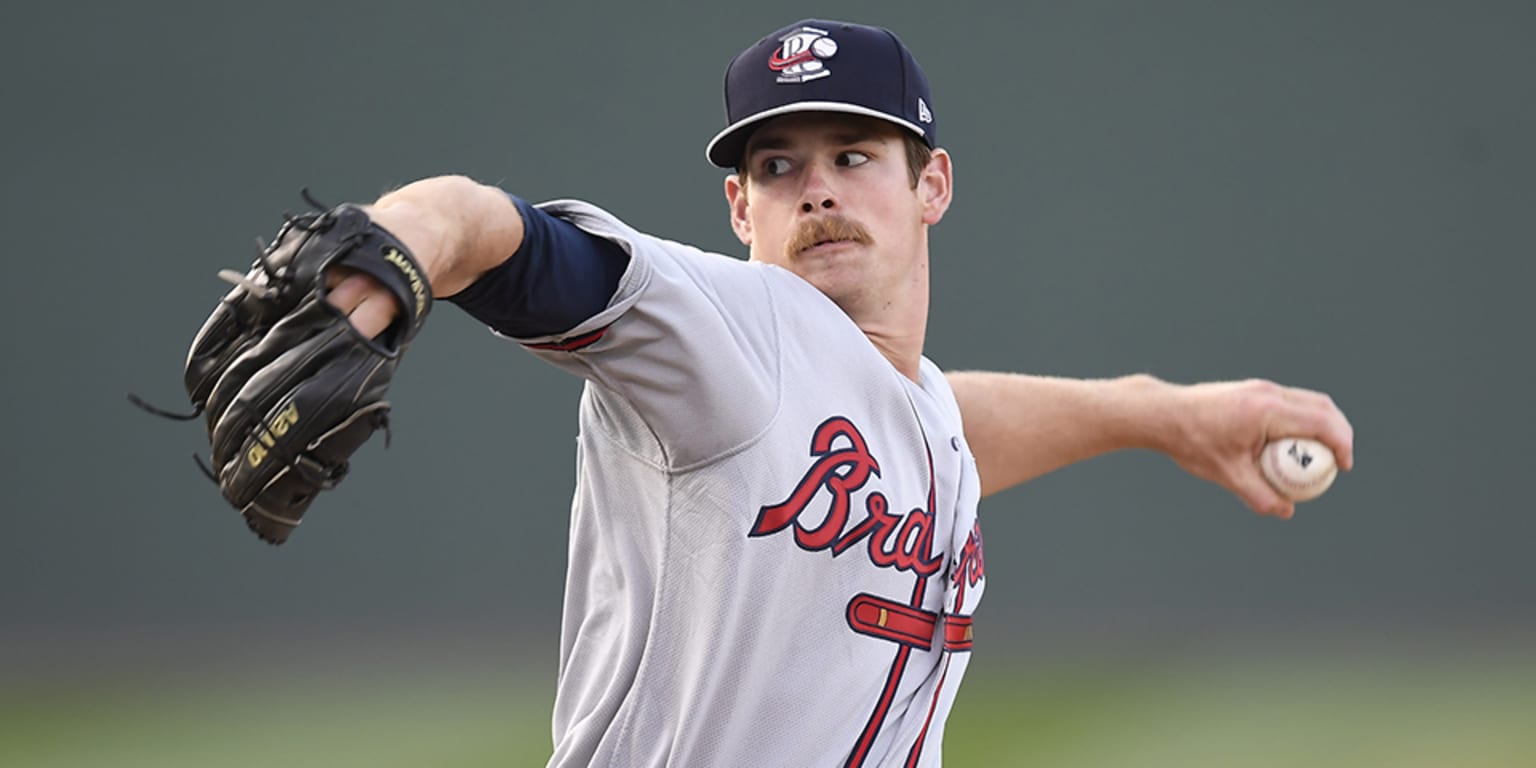
In that context, Zimmermann fits reasonably well. He is unlikely to be viewed as a long-term solution or a rotation cornerstone, but he can provide innings at Memphis and remain on standby if the Major League club finds itself short-handed. Over the course of a long season, teams routinely cycle through far more pitchers than anticipated, and having someone with prior Major League experience can be valuable, even if expectations are modest.
MORE: Red Sox fills Alex Bregman void with the addition of Mariners’ star slugger Eugenio Suarez
Roster mechanics, however, complicate Zimmermann’s outlook. He is out of minor league options, which means that if the Cardinals were to add him to their 26-man roster at any point, they would be unable to send him back to Triple-A without first exposing him to waivers. Should another team claim him, St. Louis would lose him for nothing.
If he were to clear waivers, the Cardinals could outright him off the 40-man roster, but Zimmermann would retain the right to elect free agency rather than accept another outright assignment. That leverage gives him some control over his destiny but also increases the transactional churn surrounding his status.
As a result, the Cardinals will have to be deliberate in how and when they consider bringing Zimmermann to the Major League roster. A short-term emergency start or brief bullpen stint might not justify the risk of losing him altogether, particularly if they view him primarily as depth. Conversely, a prolonged stretch of injuries or underperformance among younger pitchers could force their hand. In that scenario, Zimmermann could find himself back in the big leagues, even if only temporarily.
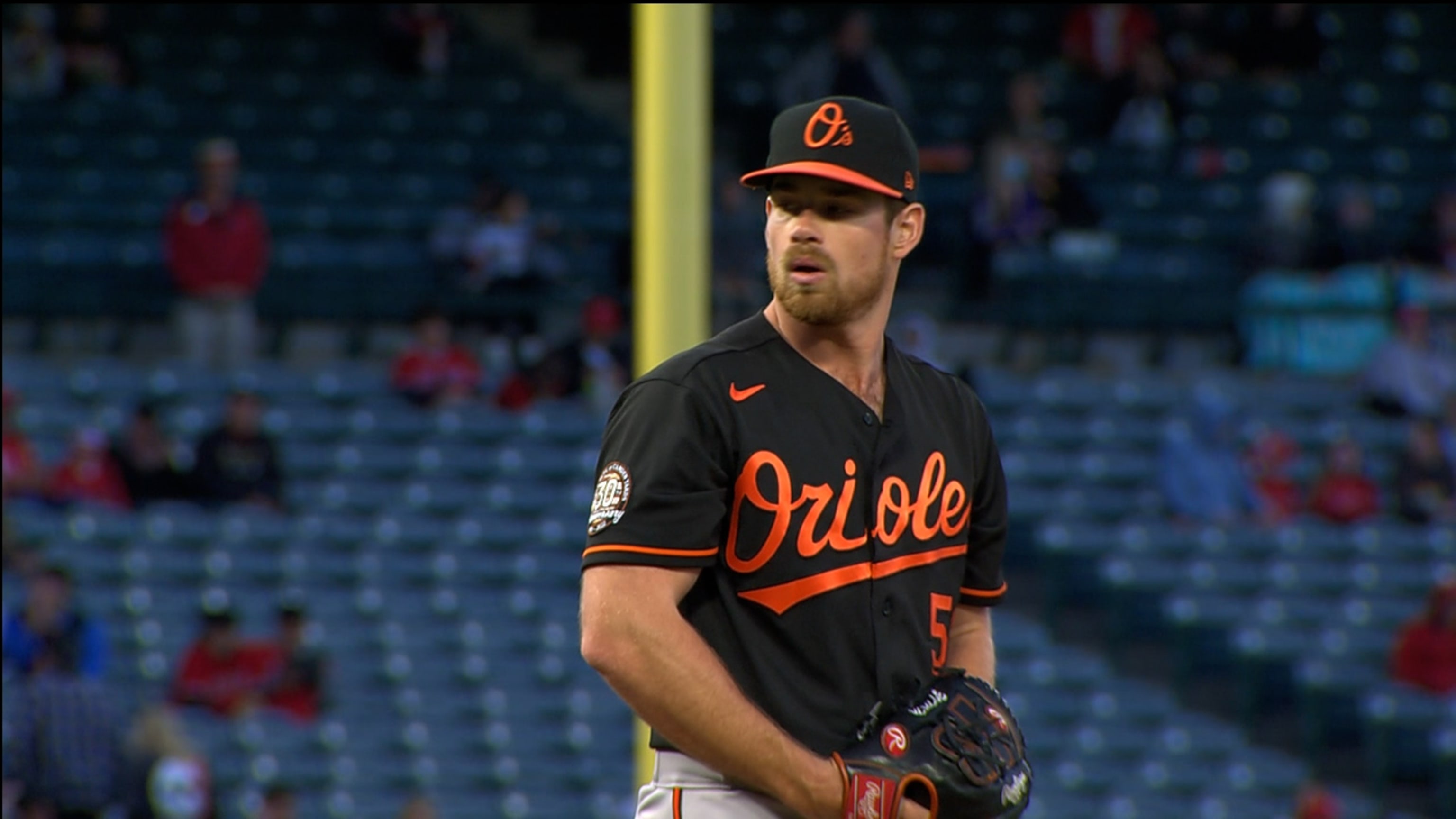
From Zimmermann’s perspective, the coming season could be defined by movement rather than stability. He may spend the majority of the year in Triple-A, only to be summoned for brief stints with the Major League club, potentially followed by waiver exposure and difficult decisions about whether to accept assignments or test the open market again. Such is often the reality for veteran depth pitchers who exist on the fringes of 40-man rosters.
MORE: Braves trade top prospect Hurston Waldrep for Brewers’ $15M Young arm to fill major void
Ultimately, the Cardinals’ decision to sign Zimmermann reflects a low-risk, low-cost approach to filling out their pitching inventory. There is no guarantee he will appear in a Major League game for St. Louis, but there is also little downside in having an experienced left-hander available in the system. For Zimmermann, the deal represents another opportunity—perhaps one of his final ones—to show he can still contribute at the highest level, even if only in a limited capacity.
Whether that opportunity materializes remains uncertain. What is clear is that Zimmermann’s 2026 season is likely to involve a great deal of uncertainty, roster maneuvering, and adaptability. In an era where pitching depth is constantly tested, his name may surface at unexpected moments, serving as a reminder of how fluid and unforgiving life can be on the margins of a Major League roster.

Be the first to comment