The San Diego Padres have spent the better part of the last several seasons doing everything within their power to remain on equal footing with the Los Angeles Dodgers atop the National League West.
That pursuit has driven aggressive roster construction, blockbuster trades, and massive long-term contracts designed to keep star talent in San Diego while countering the Dodgers’ seemingly endless resources. While those moves have helped the Padres stay competitive in the short term, there is a growing belief in baseball circles that some of those decisions could create significant problems down the road.
One deal, in particular, stands out as a potential long-term headache: the contract belonging to Manny Machado.
In a recent analysis published by Bleacher Report, writer Kerry Miller examined which Major League Baseball contracts are most likely to become financial nightmares by the year 2028. Machado’s agreement ranked near the very top of that list, coming in at No. 2 overall. The reasoning behind the ranking isn’t rooted in Machado’s current performance, which remains strong, but rather in how the later years of his deal line up with the natural aging curve of elite players.
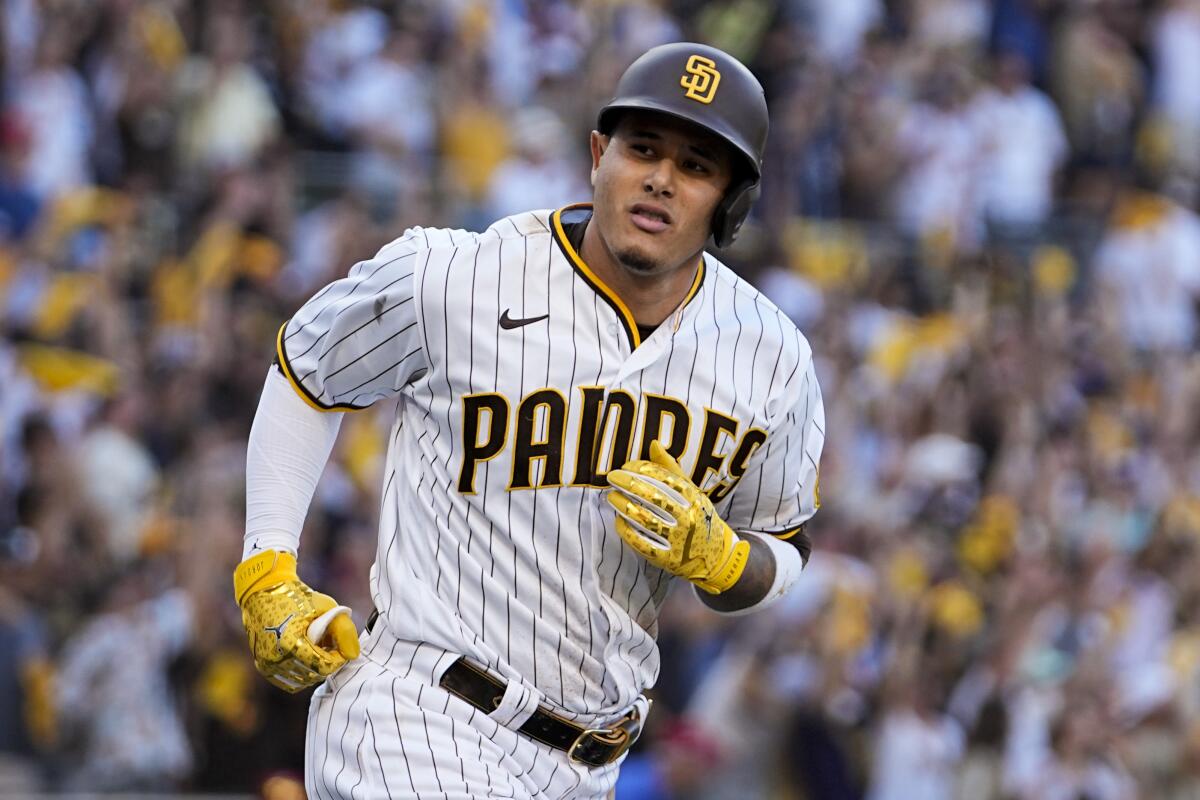
Beginning in 2028, Machado’s contract becomes particularly daunting. From 2028 through 2033 — six consecutive seasons — the Padres will owe him $40 million per year. That adds up to an eye-popping $240 million, all of which kicks in when Machado is already in his mid-30s.
MORE: Red Sox latest move sign elite reliever so solidify bullpen
He will be 35 years old at the start of that stretch, and by the time the contract concludes, he’ll be approaching his early 40s. In an era where teams are increasingly cautious about paying premium prices for aging players, that level of long-term commitment carries substantial risk.
To put things in perspective, even the contract Miller ranked as worse — that of Xander Bogaerts — comes with a smaller financial burden over the same period. Bogaerts is owed roughly $150 million from 2028 to 2033, a significant sum on its own, but still far less than what the Padres will owe Machado during that window. The comparison underscores just how massive Machado’s financial footprint could become for San Diego if his performance slips even slightly.
One of the earliest warning signs highlighted in Miller’s analysis is Machado’s defense. Long regarded as one of the best defensive third basemen in baseball, Machado has already begun to show subtle signs of decline in the field.

While he remains capable, the margin for error narrows as players age, especially at demanding positions like third base. Reflexes slow, lateral movement becomes more limited, and minor injuries take longer to heal. For a player whose overall value has always been tied to excellence on both sides of the ball, even a modest defensive drop-off matters.
Because of that, Miller suggests that the Padres may eventually be forced to “hide” Machado’s glove by transitioning him into a full-time designated hitter role — potentially sooner rather than later. According to Miller, that shift could come as early as the upcoming season.
MORE: Braves-Royals Blockbuster Trade Idea Lands Southpaw Starter for $73 Million All-Star
From a roster-construction standpoint, the idea isn’t entirely unreasonable. The Padres do not currently have a permanent, locked-in designated hitter, and the organization has added other players capable of handling third base duties if Machado were to move off the position.
However, even if such a move makes sense strategically, it doesn’t solve the financial problem. Paying $40 million per season for a designated hitter — unless that hitter is producing at a historically elite level — is rarely a comfortable position for any franchise, let alone one without the Dodgers’ financial muscle.
Miller makes this point bluntly, noting that while Machado is an excellent offensive player, he is not Aaron Judge. Judge-level production can sometimes justify massive salaries well into a player’s late 30s. Anything short of that makes the contract increasingly difficult to stomach.

This isn’t a criticism of Machado’s career or his importance to the Padres so far. On the contrary, he has largely earned the money he’s been paid during the early portion of the deal. Since arriving in San Diego, Machado has been one of the team’s cornerstone players, providing leadership, power, consistency, and star presence in the lineup. For stretches, he has been the face of the franchise and a major reason the Padres have been able to push the Dodgers and reach the postseason.
The concern lies not with what Machado has done, but with what he will be asked to do — and be paid for — years from now. Baseball history is filled with examples of superstar players whose contracts looked perfectly reasonable at signing but became burdensome as age, injuries, and decline took their toll. The risk is amplified when the annual salary is as high as Machado’s and when so many years remain on the back end of the deal.
MORE: Reds-Guardians Trade Idea Sees Brady Singer, Hector Rodriguez, and Rece Hinds in 4-Player Haul
Importantly, the 2028 benchmark Miller uses is still a few seasons away. Machado is not at that point yet, and there is still time for the Padres to reap additional value from his bat and leadership before the most expensive years begin.
But projecting sustained elite performance into a player’s late 30s and early 40s is always a gamble. Even players who maintain strong offensive numbers often see their overall value diminish as defense fades and durability becomes a concern.
From the Padres’ perspective, the decision to commit so heavily to Machado was part of a broader organizational philosophy: push chips to the center of the table and try to win now, even if it means dealing with financial consequences later.
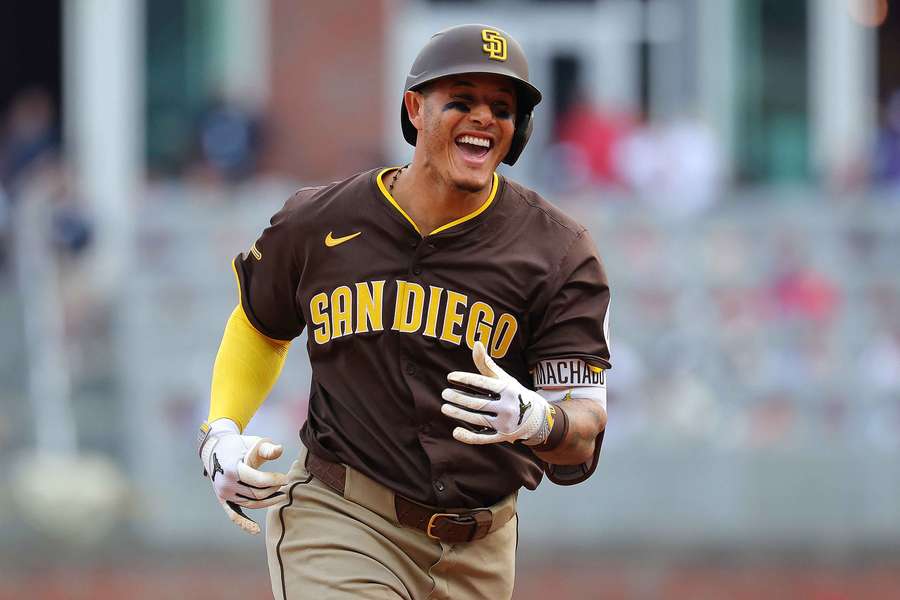
Competing with the Dodgers in the NL West has required boldness, and ownership has been willing to spend in ways that would have been unthinkable for the franchise a decade ago. In that sense, Machado’s contract is emblematic of San Diego’s ambition.
Still, ambition does not erase risk. As the league continues to evolve — with younger, cheaper talent becoming more valuable and front offices increasingly focused on efficiency — contracts like Machado’s stand out as potential anchors if performance doesn’t match cost. Even a gradual decline could turn a $40 million annual salary into a major obstacle, limiting roster flexibility and making it harder to address other needs.
MORE: Phillies officially sign flash-in-the-pan Braves starter
In the short term, Machado remains one of the Padres’ best players, and there is no immediate urgency to panic. Fans can still enjoy his presence in the lineup and his role as a leader in the clubhouse. But when looking several years ahead, it’s difficult to envision a scenario in which he remains a top-tier contributor throughout most of the remaining life of the contract — especially once the $40 million-per-year phase begins.
That uncertainty is exactly why Miller included Machado so high on his list of potentially disastrous deals. The Padres may have succeeded in keeping pace with the Dodgers for now, but the long-term cost of doing so could be steep. If Machado’s decline accelerates or injuries pile up, San Diego could find itself paying premium dollars for diminishing returns, a scenario that has derailed many contending teams in the past.
Ultimately, the Machado contract represents both the best and worst aspects of the Padres’ recent strategy. It symbolizes their willingness to spend big and compete at the highest level, but it also serves as a reminder that time is undefeated. As 2028 approaches, the question won’t be whether Machado was worth the money early on — he largely was — but whether the franchise can withstand the weight of what’s still to come.

Be the first to comment