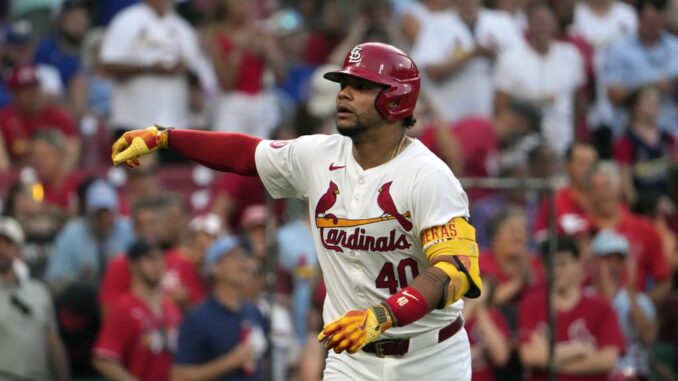
The Cardinals bullpen depth update took a decisive step toward a full-scale reset by dealing Willson Contreras to the Boston Red Sox, a transaction that may tug at the emotions of the fan base but aligns cleanly with the long-term vision now guiding the organization. From the moment Chaim Bloom assumed control of baseball operations, the direction has been clear: prioritize sustainability, flexibility, and a coherent timeline over clinging to familiar names. This trade is less about the immediate hole left behind and more about recalibrating the franchise’s trajectory to avoid years of mediocrity.
For many Cardinals supporters, the initial reaction centers on what the club loses in the short term. Contreras was productive, professional, and adaptable—qualities that typically anchor a competitive roster.
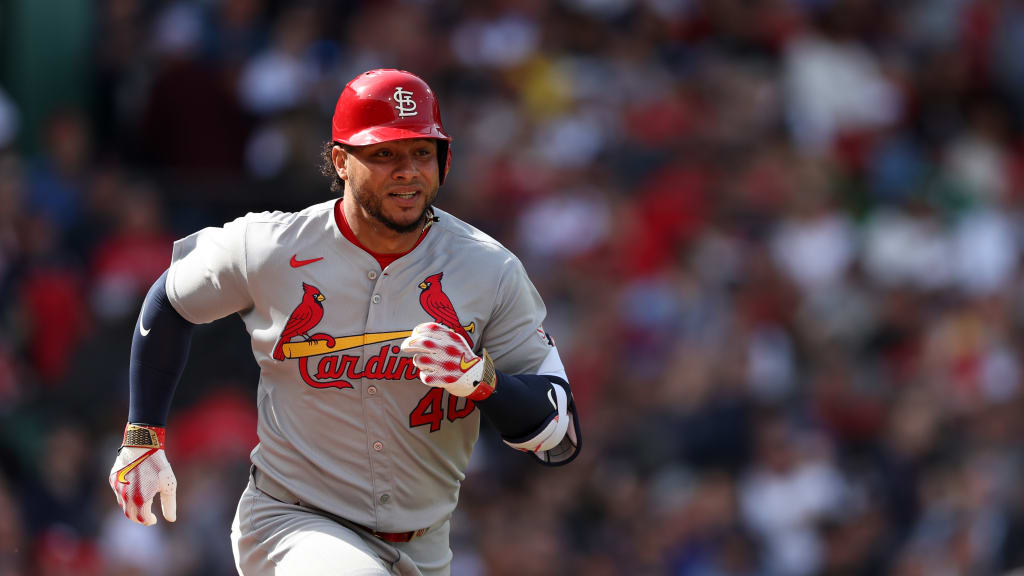
Yet framing this move as an attempt to replace his 2026 output misses the point entirely. The organization isn’t trying to patch over a gap with a like-for-like substitute. Instead, it’s choosing to reset expectations, redistribute payroll resources, and accept near-term discomfort in exchange for a cleaner runway toward contention. In other words, this is about timing as much as talent.
MORE: Braves bullpen depth explained after marquee Ian Hamilton’s move
Contreras leaves St. Louis on the heels of a season that quietly validated his value even after a position change. Shifting to first base did not blunt his offensive impact. He delivered a .257 batting average and reached base at a .344 clip, pairing that with 20 home runs and a 124 wRC+. Those numbers underscore a hitter who remains comfortably above league average, capable of lengthening a lineup and punishing mistakes. Defensively, advanced metrics painted him as an asset rather than a liability, with Outs Above Average grading him in the positive range—an encouraging outcome for a player adapting to a new spot on the diamond.
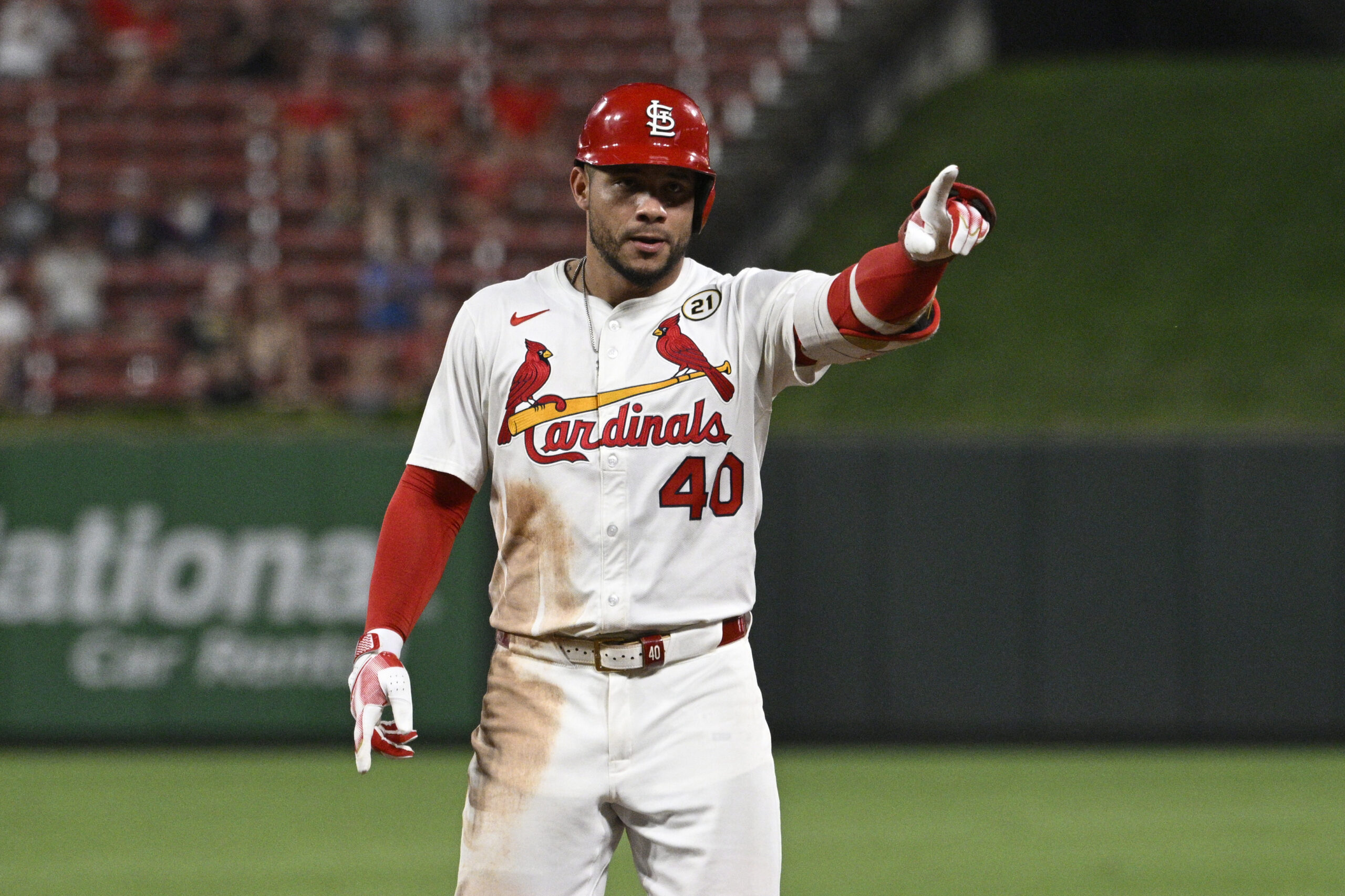
On a team positioned to win now, that blend of offense and competent defense would be invaluable. The problem, from St. Louis’ perspective, is that the broader roster context no longer supports a win-now mindset. Consecutive sub-.500 finishes have exposed structural issues that can’t be solved by incremental tweaks. Hanging onto productive veterans in that environment risks prolonging a cycle of finishing in the middle—good enough to avoid a full collapse, but not strong enough to threaten for championships. By moving Contreras at a point when his value remained high, the Cardinals bullpen depth update opted for clarity over comfort.
MORE: Mets bullpen roster move explained, why Edwin Diaz’s trade
Financial considerations also loom large. Contreras’ contract represented a meaningful commitment on a payroll that needs breathing room to maneuver. Trading him doesn’t just open playing time; it frees resources that can be redirected toward scouting, development, and selective investments aligned with the next competitive window. Bloom’s track record suggests a preference for flexibility—maintaining the ability to pounce when young talent matures or when the market presents inefficiencies. This deal fits that philosophy, signaling that the front office is more concerned with building a balanced pipeline than preserving the status quo.

Equally important is the message sent to the clubhouse and the fan base. Rebuilds are as much about honesty as they are about assets. By making a move of this magnitude, the Cardinals acknowledge where they stand rather than pretending a few bounces could change their fortunes. That transparency can be painful, but it also sets realistic expectations and allows younger players to develop without the pressure of propping up a flawed contention narrative. The goal shifts from scraping together marginal wins to establishing habits and depth that will matter when the team is ready to compete again.
For Boston, Contreras offers immediate utility—an experienced bat with positional flexibility and postseason seasoning. For St. Louis, the return (whether prospects, payroll relief, or both) represents optionality. That optionality is the currency of a successful reset. It provides paths forward rather than locking the club into a single, fragile plan.
MORE: mariners bullpen adjustment explained ‘stunning roster move’
Ultimately, this trade isn’t a referendum on Contreras’ abilities or his fit in St. Louis. It’s an acknowledgment that timelines matter. Keeping a productive veteran on a team not yet ready to capitalize on his prime can feel reassuring, but it often delays the tougher decisions that true progress requires. By choosing to endure short-term pain now, the Cardinals aim to avoid long-term stagnation later. If Bloom’s blueprint holds, this move will be remembered not as a loss, but as a necessary inflection point on the road back to relevance.
What the Cardinals Are Really Gaining
On the surface, the package coming back—right-hander Hunter Dobbins along with prospects Yhoiker Fajardo and Blake Aita—doesn’t immediately register as the kind of return that dominates headlines or excites a fan base craving instant gratification.
There is no blue-chip name, no consensus top-50 prospect, and no obvious future star to point to as the centerpiece of the deal. But focusing solely on star power misses the larger point. This trade is not about winning the press conference; it is about aligning roster construction with the reality of where St. Louis currently stands in its competitive cycle.
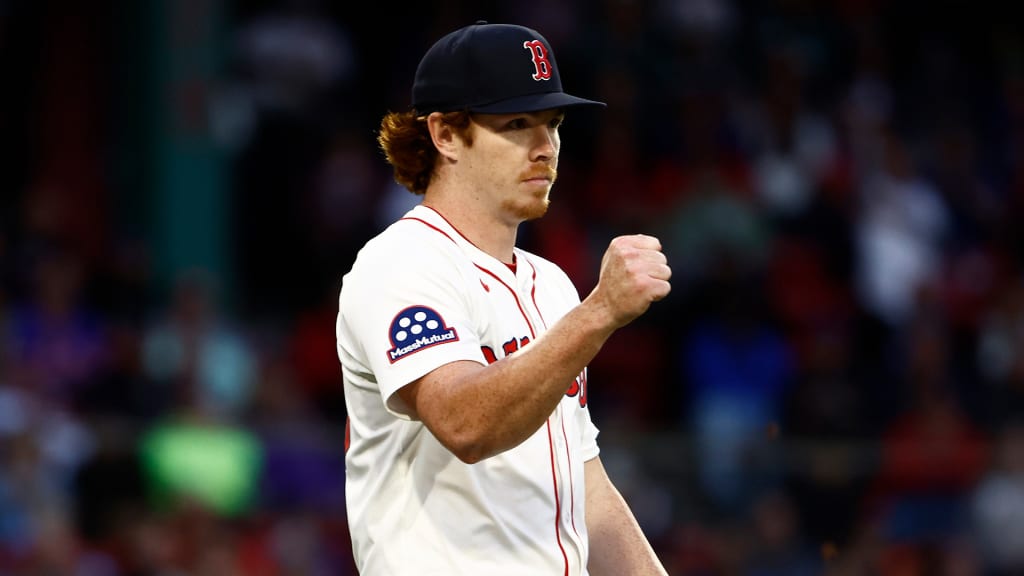
Dobbins represents the most tangible, near-term piece in the return, and while his ceiling may be modest, his profile fits the Cardinals’ present needs. An ACL injury disrupted his 2025 campaign, but when healthy, he demonstrated that he can function at the major-league level without being overmatched.
MORE: 3 former NY Mets prospects had productive seasons in the big leagues
His approach leans heavily on inducing ground balls, limiting damaging contact, and throwing strikes—traits that tend to translate well even if raw stuff is not overwhelming. He is unlikely to ever anchor a rotation or contend for awards, yet pitchers who can reliably give innings, keep the ball on the ground, and remain affordable are far from expendable. For a team navigating a rebuild, having cost-controlled arms who can fill rotation or swingman roles provides stability without forcing significant financial commitments.
That kind of pitcher often becomes more valuable than flashier options during transitional periods. Dobbins can absorb innings, protect younger arms from being rushed, and offer flexibility as the organization evaluates its next wave of pitching. In a best-case scenario, he settles in as a dependable back-end starter. In a more conservative outcome, he still has value as a multi-inning reliever or spot starter. Either way, his presence allows St. Louis to maintain functionality at the major-league level while keeping payroll lean and options open.
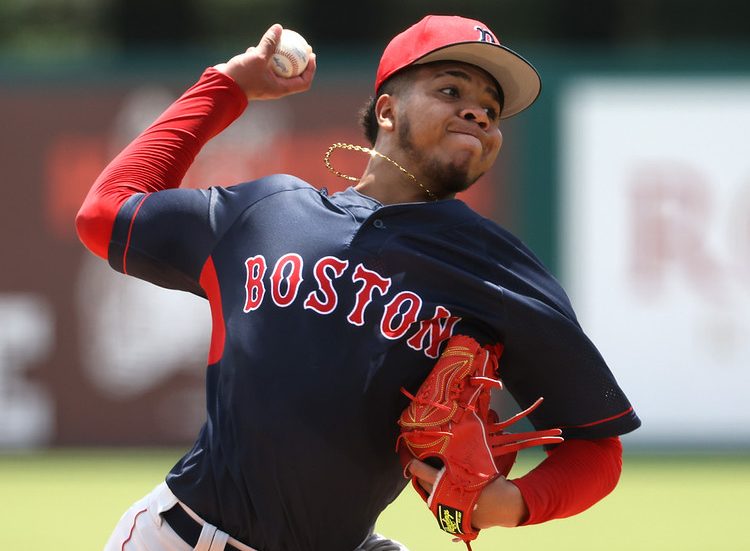
The other two pieces, Fajardo and Aita, speak more directly to the philosophical approach guiding the Cardinals under Chaim Bloom. Rather than targeting polished prospects with limited ceilings, Bloom has consistently favored power arms who require development but carry upside if things click. Fajardo and Aita fit squarely within that framework. Neither is a finished product, and neither comes with guarantees, but both add something the organization sorely lacked: volume and potential within the pitching pipeline.
MORE: Mariners Blockbuster Land Versatile Cardinals’ Gold Glover via Trade
After years of operating with thin margins in player development, St. Louis needed to restock its system with arms, even if that meant embracing risk. Pitching prospects are inherently volatile, yet accumulating them increases the odds that at least some will emerge as useful contributors. Fajardo’s raw stuff and Aita’s physical projection give the Cardinals bullpen depth update options—pieces that can be molded, refined, or even used as future trade currency if circumstances change. In a rebuild, depth is currency, and this deal quietly adds to that reserve.
Equally important, and perhaps even more impactful than the players themselves, is the financial component of the transaction. By moving the veteran and shedding his contract, the Cardinals not only reduced their payroll obligations but also received $8 million in cash considerations. That combination accelerates the reset process far more effectively than clinging to one established bat whose production might not align with the team’s next competitive window.

According to estimates from FanGraphs, St. Louis’ projected payroll now sits near $106 million, a stark drop from recent seasons when spending regularly climbed much higher. That number is not just symbolic; it represents breathing room. Financial flexibility gives the front office options—whether that means selectively investing in younger talent, absorbing contracts in opportunistic trades, or simply avoiding long-term commitments until the roster is ready to contend again.
During a rebuild, payroll efficiency often outweighs short-term performance. Holding onto a productive veteran might provide marginal gains in the standings, but it can also delay necessary change and restrict future maneuverability. By contrast, lowering payroll creates optionality. It allows decision-makers to act decisively when the timing is right rather than being boxed in by past obligations.
MORE: Diamondbacks’ latest addition turns up the heat on the Padres
Viewed through this lens, the trade becomes less about what St. Louis gave up and more about what it gained: time, flexibility, and a clearer path forward. Dobbins offers immediate utility at a manageable cost. Fajardo and Aita expand the organization’s developmental base. The payroll reduction and cash infusion reinforce a broader strategy focused on sustainability rather than patchwork solutions.
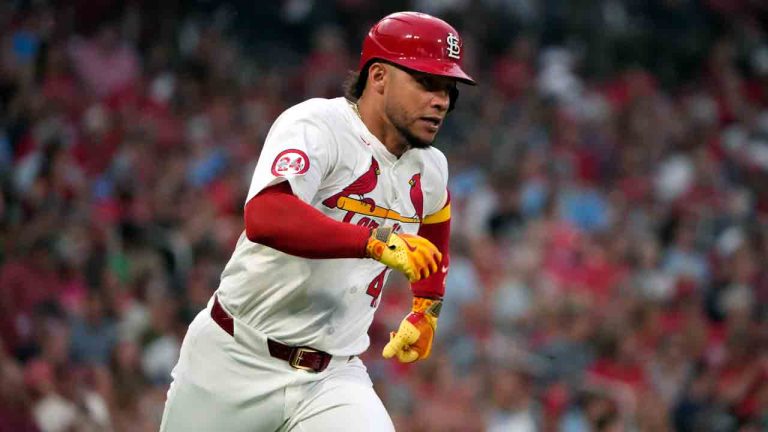
In isolation, the return may look underwhelming. In context, it reflects a franchise accepting short-term discomfort in exchange for long-term alignment. This is not a move designed to win today’s headlines or even tomorrow’s games. It is a step toward reshaping the roster, the budget, and the organizational depth chart in a way that better matches where the Cardinals bullpen depth update are headed. During a rebuild, those quieter, less glamorous decisions often matter the most.
How This Reshapes the Cardinals’ Near Future
This transaction does more than just reshuffle the roster—it provides unmistakable clarity about the direction the St. Louis Cardinals have chosen to take. By sending both Willson Contreras and Sonny Gray to the Boston Red Sox, the organization has made it clear that half-steps and cosmetic changes are no longer part of the plan. Under the direction of Chaim Bloom, the Cardinals have firmly shut the door on trying to remain passably competitive while quietly hoping everything breaks right. Instead, they are embracing a cleaner, more deliberate reset.
MORE: Red Sox Blockbuster Deal Land Slugger In Offseason Trade With Giants
For years, St. Louis operated in the gray area between contention and transition, reluctant to fully commit to either path. That approach kept the team from bottoming out, but it also prevented meaningful progress toward building a true championship core. This move signals that the front office is done with that middle ground. Players with legitimate market value, especially veterans nearing the back half of their prime or contracts, will be available if the return justifies it. The priority is no longer protecting the illusion of short-term competitiveness, but maximizing long-term flexibility and upside.
That reality naturally places other key contributors under the microscope. As the offseason progresses, it would not be surprising to see names like Brendan Donovan and Lars Nootbaar surface in trade conversations. Both are productive, versatile players with team control remaining—exactly the type of assets that appeal to contenders. Moving them would sting, but it would also align with the Cardinals’ evolving philosophy: trade value peaks are meant to be used, not admired. If the right packages emerge, sentimentality will not stand in the way.
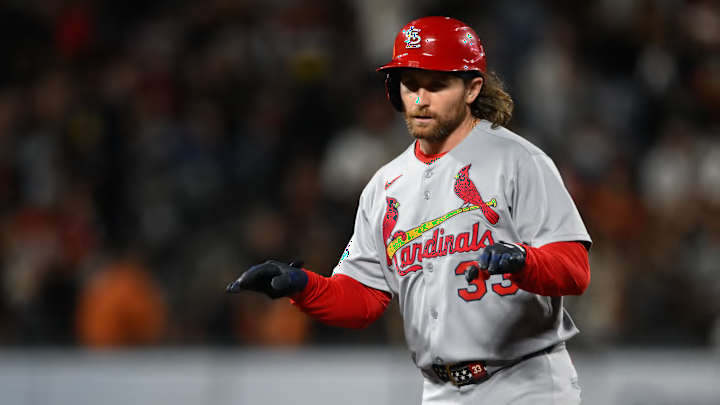
Looking ahead to 2026, it is difficult to envision the Cardinals pushing for the top of the division. A step backward in the standings feels almost inevitable. That truth is uncomfortable, particularly for a fanbase that has grown accustomed to consistent relevance and October baseball. St. Louis has long prided itself on avoiding prolonged downturns, and the idea of willingly absorbing a losing season runs counter to decades of organizational identity. But discomfort does not automatically mean dysfunction. In fact, this version of rebuilding may be the most responsible path forward.
MORE: Phillies in trade for $20 million, 38-homer White Sox’s outfielder
Rather than clinging to expensive veterans in hopes of sneaking into contention, the Cardinals bullpen depth update are choosing to lose strategically—shedding payroll, acquiring younger talent, and opening roster space for development. Losing “cheaply,” in this sense, creates room to maneuver. Financial flexibility can be redeployed when the next competitive window begins to open, rather than being tied up in contracts that no longer match the team’s timeline. It is a quieter, more disciplined form of rebuilding, but one that avoids the prolonged stagnation that comes from indecision.
From Boston’s perspective, the benefits are immediate. Contreras brings leadership, offensive production, and postseason experience to a team looking to accelerate its own timeline. Watching him succeed elsewhere may be difficult for Cardinals fans, especially if he plays a visible role in meaningful games. That emotional reaction is natural. However, the true measure of this trade will not be found in box scores or highlight reels from the upcoming season.

For St. Louis, this deal is far less about what was lost in the present and far more about what the organization has finally acknowledged about itself. By moving Contreras and Gray, the Cardinals are no longer pretending that a few tweaks could solve deeper structural issues. They are accepting reality, and in doing so, reclaiming control over their future. The roster will look different. The standings may look worse before they improve. But the plan, at long last, is coherent.
Years from now, this trade may be remembered as more than a simple exchange of talent. It could stand as the moment when the Cardinals officially reset their identity, choosing patience and intention over denial and drift. Rebuilds are rarely linear, and success is never guaranteed. Still, there is value in decisiveness. By committing fully to a new direction, St. Louis has given itself a chance to emerge stronger on the other side—and that clarity alone makes this move a defining one in the franchise’s recent history.
SOURCES:
- MLB Fox
- Instegram
- YouTube



Be the first to comment