Philadelphia Phillies, In Major League Baseball, there is virtually no such thing as having an excess of pitching options. The nature of the sport all but demands that teams stockpile arms, as pitchers—more than any other position—are prone to injuries that can derail even the most carefully constructed roster. Because of this reality, successful organizations often operate with a constant “next man up” mentality, ensuring that capable replacements are always available when the inevitable setbacks occur.
The Phillies have clearly embraced that philosophy in recent years. Rather than relying solely on a fixed group of starters and relievers, the club has made a concerted effort to build depth through versatile pitchers who can shift roles as needed.
Swingmen, in particular, have become an important part of that plan, offering the flexibility to start games, work in long relief, or step into the rotation at short notice. Veterans such as Joe Ross and Spencer Turnbull are examples of arms the Phillies have leaned on in recent seasons to provide that kind of adaptability.
MORE: Angels swipe career .315 minor league hitter from Giants in waiver claim
This approach has become even more relevant during an otherwise subdued offseason for Philadelphia. While much of the public attention has centered on the unresolved free-agency situation surrounding J.T. Realmuto, the front office has continued to work quietly behind the scenes to reinforce the roster. Rather than making splashy additions, the Phillies have focused on incremental moves designed to protect them over the long grind of a 162-game season.
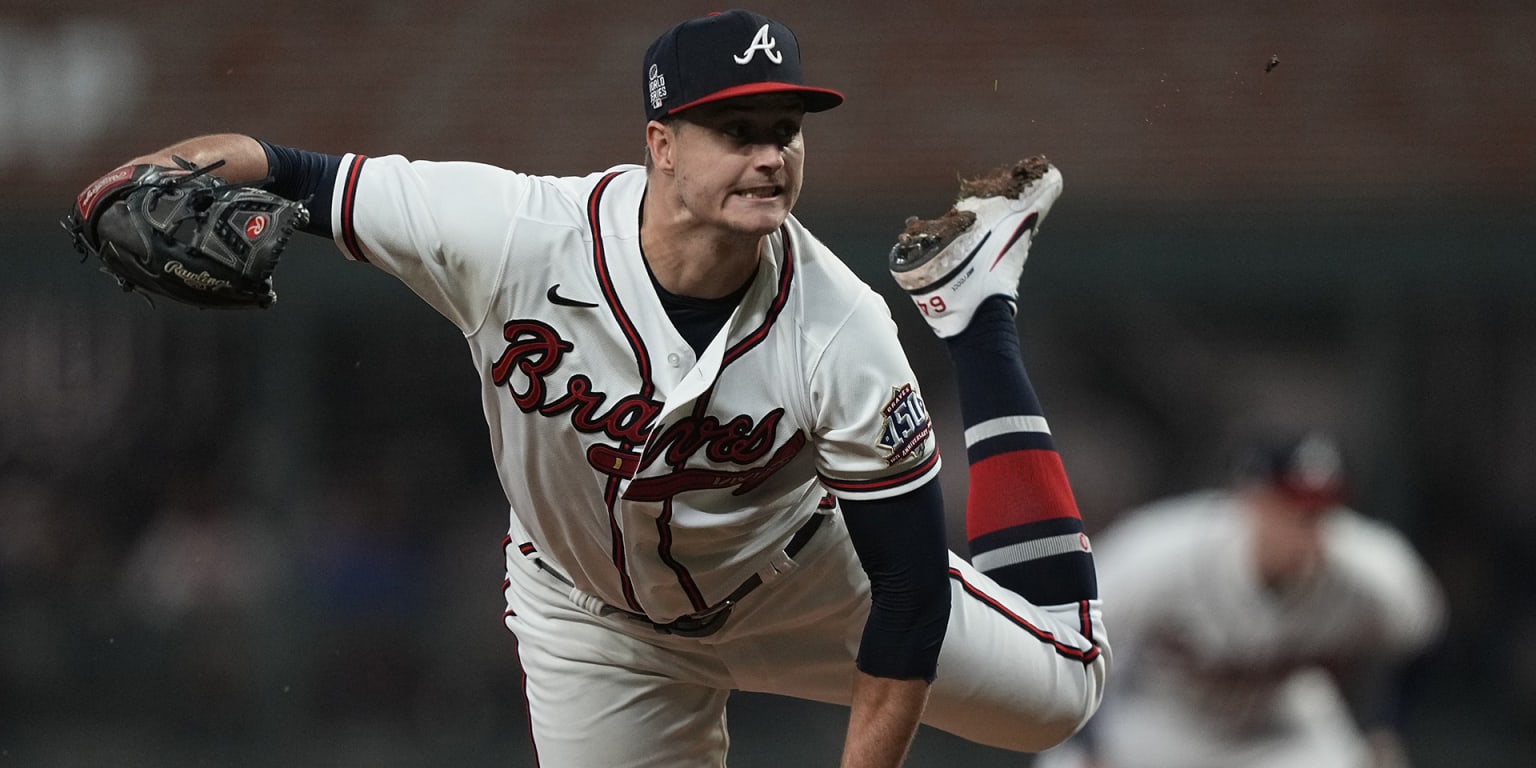
One such move came with the signing of left-hander Tucker Davidson, formerly of the Atlanta Braves. Davidson may not arrive with headline-grabbing expectations, but his addition fits squarely within the organization’s broader strategy. As a southpaw with experience starting and relieving at the major league level, he offers the kind of depth that can prove invaluable when injuries strike or performance fluctuates.
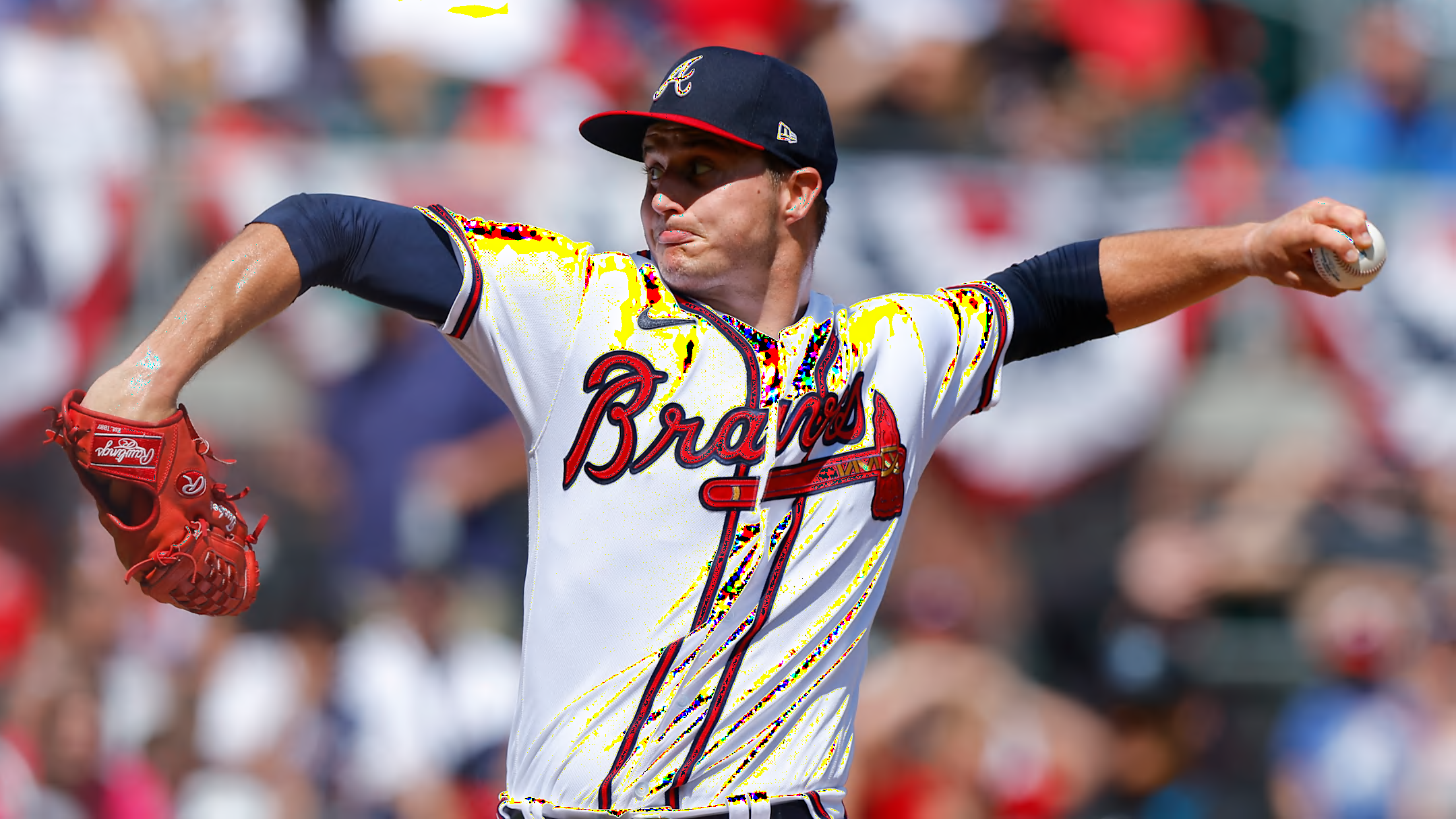
By adding Davidson to the mix, the Phillies are not necessarily signaling a dramatic change to their rotation or bullpen plans. Instead, they are reinforcing the safety net that every contender needs.
Over the course of a long season, depth often determines whether a team can weather adversity or watches its ambitions unravel. Philadelphia’s continued investment in pitching insurance suggests a clear understanding of that reality—and a commitment to being prepared no matter how circumstances evolve.
Phillies sign lefty Tucker Davidson who spent (most of) 2025 in Korea
The Philadelphia Phillies’ offseason has not unfolded the way many fans envisioned when the winter began. Expectations were high that the front office would make a splash — or at least add a recognizable name capable of impacting the major league roster immediately. Instead, most of the club’s moves have come quietly, on the margins, and with an eye toward depth rather than headlines.
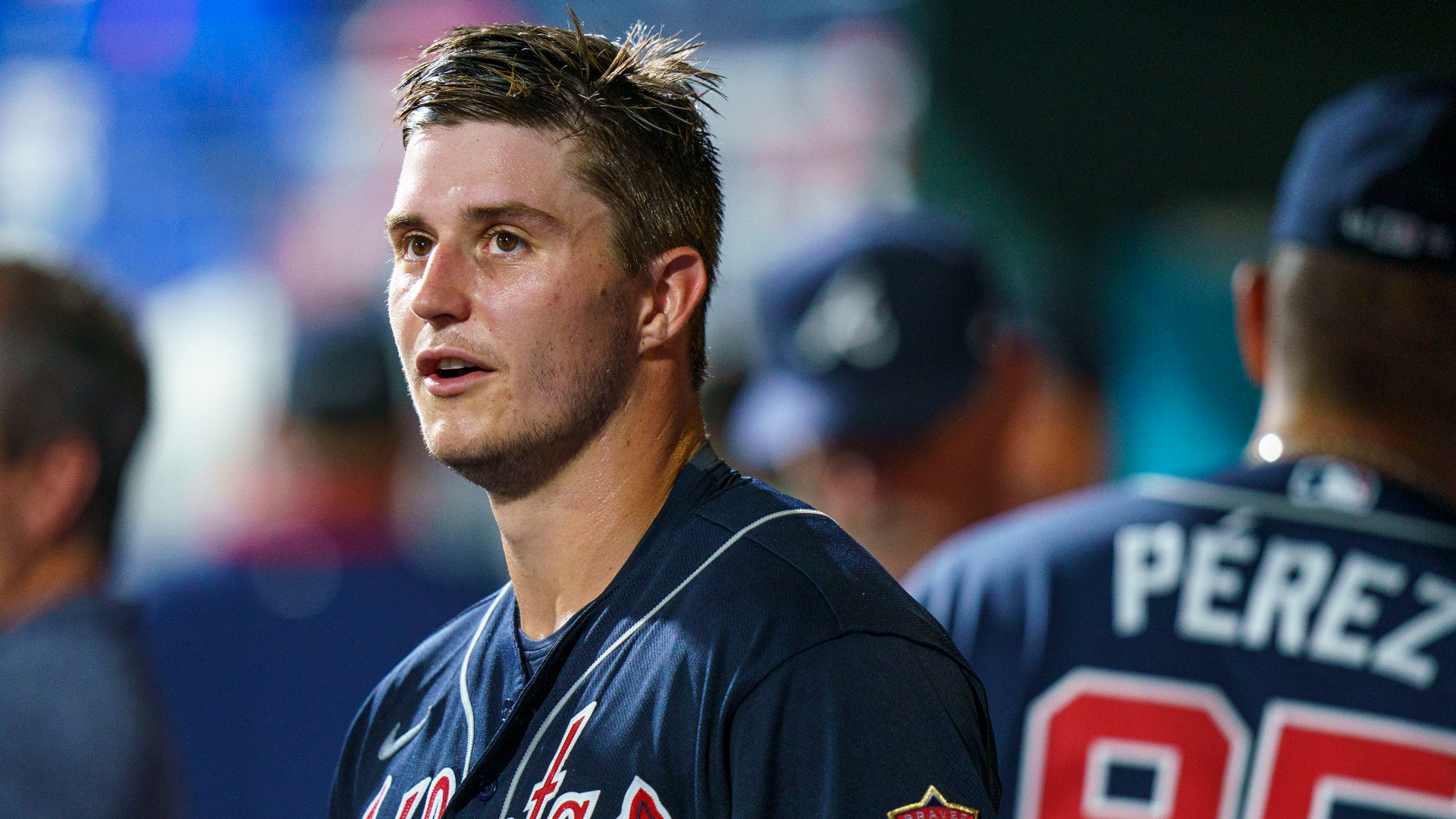
One of the latest examples of that approach surfaced when The Athletic’s Will Sammon reported that the Phillies had reached an agreement on a minor-league contract with 30-year-old left-handed pitcher Tucker Davidson.
MORE: Cubs-Marlins officially comfirmed another blockbuster deal, per report
On the surface, the signing did little to energize the fan base. Davidson is not a high-profile free agent, nor is he a recent standout at the major league level. His name does not carry the kind of recognition that sparks excitement or jersey sales. Still, moves like this often reveal how teams think about roster construction over the long grind of a 162-game season, particularly when it comes to pitching depth.
Davidson’s path back to an MLB organization has been anything but conventional over the past two years. In 2024, he briefly resurfaced in the majors with the Baltimore Orioles, appearing in just one game before being designated and released. That short stint did little to establish momentum, and by the following season, Davidson found himself looking overseas for an opportunity to revive his career.
That opportunity came in South Korea, where he signed with the Lotte Giants of the KBO League. For many pitchers, the move abroad can be a last resort. For others, it becomes a proving ground — a chance to regain confidence, refine command, and show durability away from the pressure cooker of Major League Baseball. In Davidson’s case, the KBO stint proved to be a productive one.
During the 2025 season with Lotte, Davidson took the ball consistently, making 22 starts and posting a solid 3.65 ERA. While the KBO is not a direct statistical mirror of MLB, teams pay close attention to pitchers who can handle a starter’s workload, limit damage, and show the ability to navigate lineups multiple times. Davidson did enough to reestablish himself as a viable professional arm, even if he was not dominant.
Despite those respectable results, his time in South Korea came to an end when Lotte opted to replace him on the roster with former Phillies right-hander Vince Velasquez. The move was less an indictment of Davidson’s performance and more a reminder of the transactional nature of international baseball, where teams frequently cycle through foreign pitchers in search of short-term upgrades.
Once his KBO season concluded, Davidson returned to North America hoping to catch on somewhere before the year ended. He ultimately signed a minor-league deal with the Milwaukee Brewers, allowing him to remain active within an MLB system as the 2025 season wrapped up. That brief stop did not result in a major league call-up, but it kept his name circulating among evaluators and front offices.
MORE: Reds latest reunion facilitate trading Brady Singer
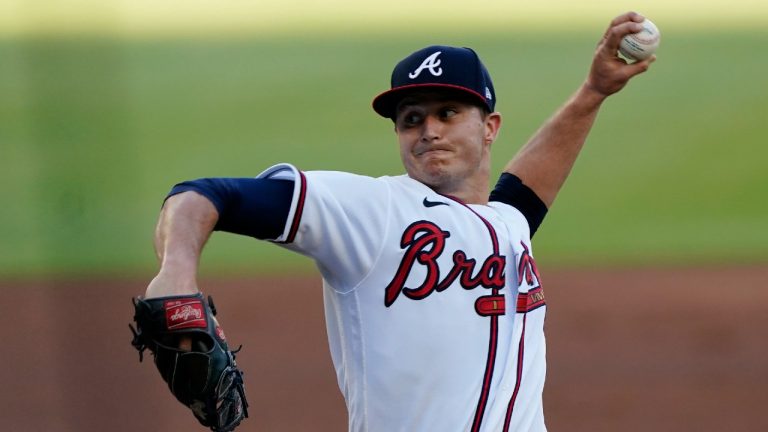
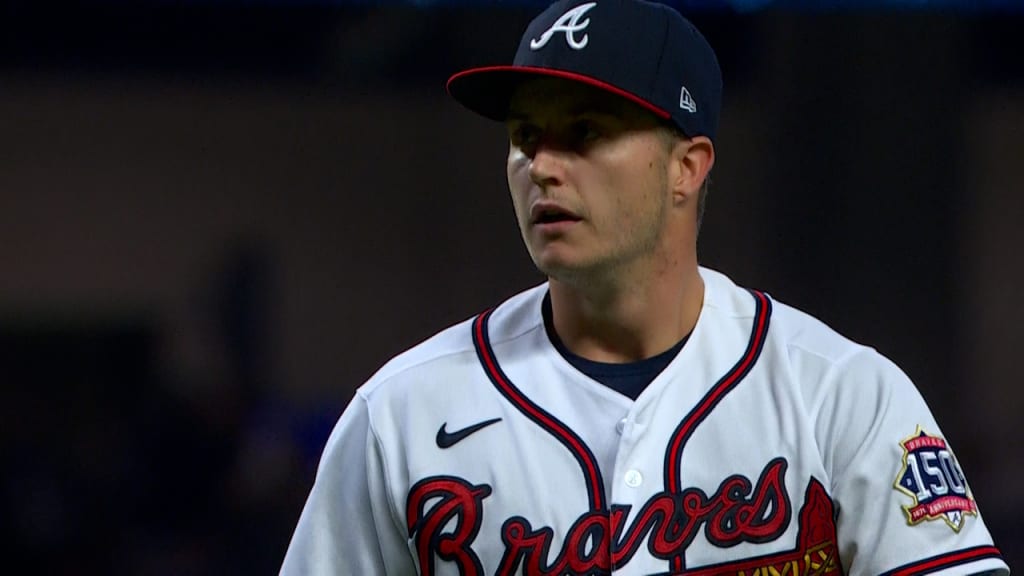
For Phillies fans, Davidson may feel like an unfamiliar face, and that makes sense. Prior to his lone appearance with Baltimore in 2024, he had not pitched in a major league game since 2023. His initial MLB debut came earlier, though, with the Atlanta Braves, a division rival that introduced him to the big leagues during the shortened 2020 season.
Davidson was part of the Braves’ pitching depth during a period when Atlanta was developing and churning through young arms at an aggressive pace. He also found himself on the Braves’ roster during their championship run in 2021, earning a World Series ring even if his role was limited. During the regular season that year, Davidson logged 20 innings and posted a respectable 3.60 ERA, showing flashes of the sinker-heavy profile that once made him an intriguing prospect.
His lone appearance in the 2021 World Series, however, was far less memorable in a positive sense. Davidson struggled with command, allowing two earned runs and issuing three walks in just one inning of work. While a single outing on the game’s biggest stage should not define a career, moments like that often linger in public perception longer than a string of solid regular-season performances.
Overall, Davidson has accumulated a fair amount of major league experience, even if the results have been underwhelming. Across five seasons from 2020 through 2024, he appeared in 56 MLB games, moving between starting and relief roles depending on organizational need. Much of that time was spent with the Los Angeles Angels, where his struggles became more pronounced.
During his tenure with the Angels, Davidson posted a 6.72 ERA over 68⅓ innings across two seasons. His command wavered, and hitters often squared him up when he fell behind in counts. For a pitcher without overpowering velocity, consistency and location are essential, and those elements did not always come together at the major league level. As a result, he found himself shuttling between the majors and Triple-A, unable to secure a permanent role.
MORE: Philadelphia Phillies trade discussions land Twins catcher
Still, organizations rarely evaluate pitchers like Davidson solely on surface-level MLB statistics. His minor league track record tells a more encouraging story, particularly when it comes to his ability to induce ground balls. In an era where fly-ball damage and home runs dominate offensive strategy, pitchers who can keep the ball on the ground remain valuable depth options, especially in relief roles or as emergency starters.
That skill set is likely what drew the Phillies to Davidson this winter. Rather than committing guaranteed money or roster space, the club opted for a low-risk, minor-league agreement that provides flexibility. Davidson is expected to open the season with Triple-A Lehigh Valley, positioning him as a call-up option if injuries or fatigue begin to thin the major league pitching staff.
Over the course of a long season, teams inevitably need more arms than they anticipate in March. Starters miss time, bullpens get overworked, and doubleheaders or extra-inning games stretch pitching resources to the limit. In those moments, having a veteran left-hander who can absorb innings — even imperfectly — can make a meaningful difference.
For Davidson, the opportunity represents another chance to rewrite the narrative of his career. He is no longer a young prospect trying to break through for the first time. Instead, he is a seasoned professional who has pitched in multiple roles, in multiple leagues, and under a wide range of circumstances. If he can translate his minor league effectiveness into serviceable MLB innings, he could carve out a niche as a depth arm.
This type of signing also reflects a familiar pattern for the Phillies. A few offseasons ago, the club made a similar move by bringing in former Braves left-hander Kolby Allard. Allard struggled during his time in Philadelphia, often looking hittable and unable to miss bats. At times, his outings resembled extended batting practice rather than competitive appearances.
Yet Allard’s story did not end there. After leaving the Phillies, he found renewed success with the Cleveland Guardians in 2025, where he settled into a role that better suited his strengths. His rebound serves as a reminder that pitching development is rarely linear and that a change of environment can sometimes unlock improvement.
MORE: Red Sox to Trade Pitcher to Orioles After Resurgent Season
Davidson will be hoping for a similar outcome. While the odds of him becoming a high-leverage reliever or reliable rotation piece are modest, the Phillies are not asking for that. Instead, they are betting that his left-handed profile, experience, and groundball tendencies can provide value when the inevitable need arises.
In the broader context of the Phillies’ offseason, the Davidson signing may feel inconsequential. But baseball seasons are often shaped by the contributions of players who arrive without fanfare. Injuries and attrition create opportunities, and depth pieces can suddenly find themselves in meaningful roles.
If Davidson never makes it back to the majors, the cost to the organization will be minimal. If he does, and manages to provide even league-average innings during a stretch of need, the move will have served its purpose. For a team with postseason aspirations, those marginal decisions often matter more than they appear at first glance.
Ultimately, this signing is not about star power or headlines. It is about preparation. The Phillies understand that pitching depth is never truly sufficient, and that having experienced arms waiting in the wings can stabilize a roster when adversity strikes. Tucker Davidson may not be the acquisition fans dreamed of, but he fits squarely into the quiet, practical side of roster building — the side that helps teams survive the long, unpredictable baseball season.

Be the first to comment