The New York Mets’ stunning unraveling last season will not be forgotten anytime soon. What once looked like a dream campaign quickly turned into one of the most dramatic collapses in franchise and league history. On June 12, the Mets sat comfortably atop the National League East with a 5½-game cushion and owned the best overall record in Major League Baseball. From that point forward, everything unraveled. Injuries mounted, consistency vanished, and a team that once appeared destined for October baseball instead stumbled its way completely out of the postseason picture.
That kind of collapse forced a harsh organizational reckoning. For a franchise with championship expectations and a roster built to win immediately, simply running it back was never going to be an option. The front office understood that meaningful change was required heading into the 2026 season—not just cosmetic adjustments, but a thoughtful reworking of how depth, flexibility, and long-term stability were addressed across the roster.
To that end, the Mets have been anything but idle. Their offseason has featured a mix of bold, headline-grabbing moves designed to reshape the top of the roster, along with a series of quieter decisions that reflect a deeper organizational philosophy. While the splashy transactions naturally command most of the attention, it is often these low-profile additions that help determine whether a team can survive the inevitable grind of a 162-game season.
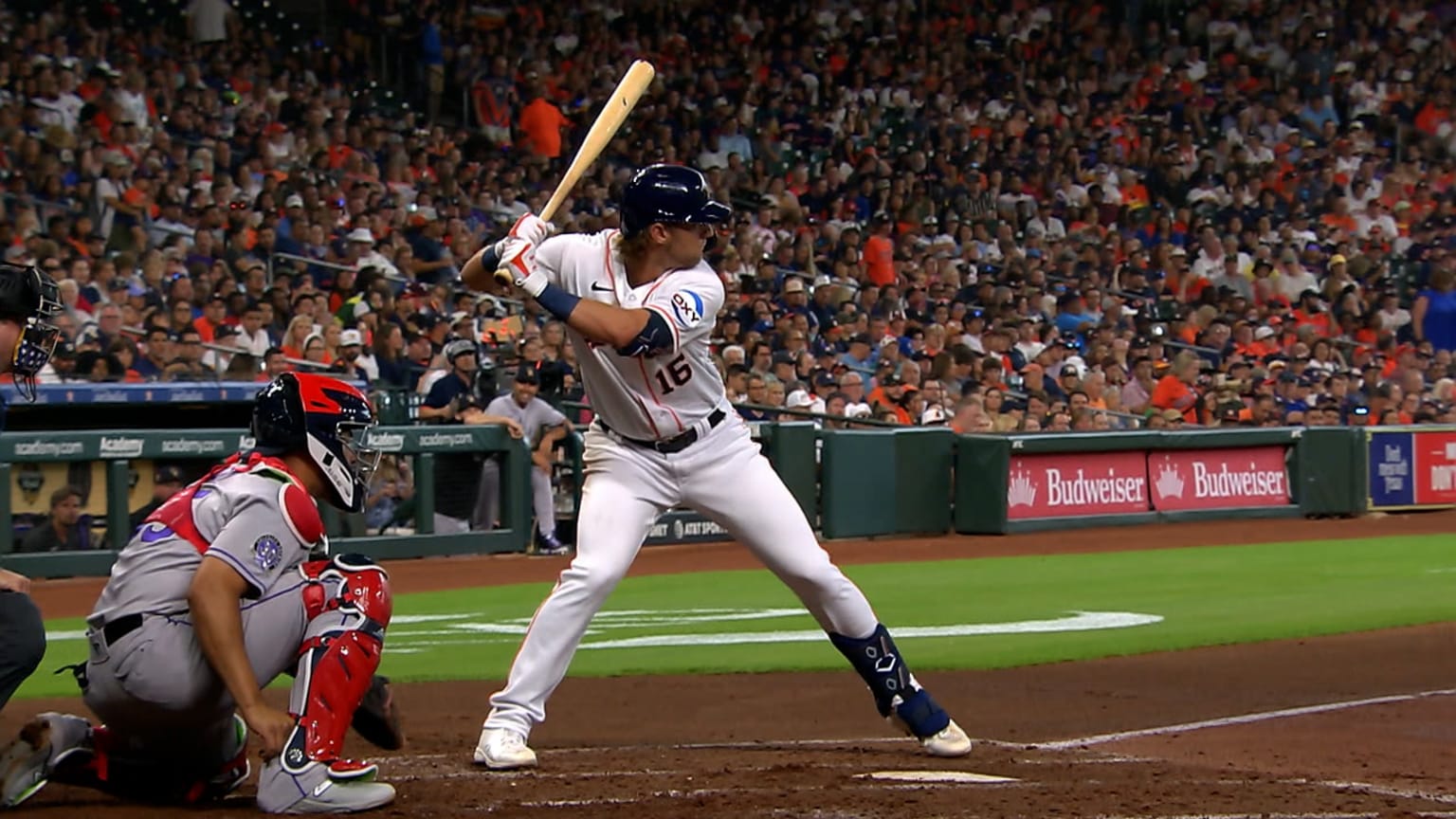
One such move surfaced quietly on Tuesday, flying largely under the radar. The Mets continued to fortify an already deep infield group by bringing in an experienced minor-league infielder with a pedigree that suggests there may be more upside than first meets the eye. According to reporting from New York Post Mets beat writer Mike Puma, the organization finalized a deal with infielder Grae Kessinger, signing him to a minor-league contract that includes an invitation to major-league spring training.
On the surface, this may appear to be a routine depth signing, the type that rarely generates excitement among fans. But moves like this often carry more significance than they initially seem. Kessinger, after all, is not an anonymous organizational filler. He was selected in the second round of the MLB Draft by the Houston Astros, an organization widely respected for its player development system and ability to identify undervalued talent.
MORE: Former Cardinals’ 3B Nolan Arenado clears up why he rejected Cardinals’ deal with Astros last offseason
That draft status alone suggests that Kessinger once projected as a player with legitimate major-league potential. While his career has not yet taken off in the way many second-round picks hope, the tools and baseball IQ that made him attractive to Houston remain part of his profile. For the Mets, this is exactly the type of low-risk, potentially rewarding acquisition that can quietly pay dividends.
By adding Kessinger to the mix, the Mets further solidify their infield depth heading into spring training. Competition will be fierce, and that is precisely the point. After last season’s collapse, the organization is clearly prioritizing versatility, redundancy, and internal options. Depth is no longer viewed as a luxury; it is a necessity.
Kessinger’s invitation to big-league camp gives him a legitimate opportunity to put himself on the radar. Strong spring performances have a way of reshaping organizational plans, and at the very least, the Mets will be able to evaluate him firsthand against major-league competition. Even if he ultimately begins the season in the minors, he provides insurance at multiple infield spots and could be called upon if injuries or performance issues arise.
For a team that watched its season spiral out of control due in part to a lack of stability and consistency, these marginal moves matter. Championships are not built solely on star power. They are won by organizations that can withstand adversity, plug holes quickly, and rely on capable depth pieces when the unexpected happens.
MORE: Red Sox Trade Idea Sees Team Add Nationals’ C.J. Abrams In 3-Player Deal
In that sense, the signing of Grae Kessinger fits neatly into the broader picture of what the Mets are trying to accomplish. It may not make headlines, but it reflects a front office that learned painful lessons from last season and is determined not to repeat them. The 2026 Mets are being constructed with foresight, balance, and a clear understanding that success over a long season often comes down to preparation rather than flash.
After enduring one of the most painful collapses in recent baseball memory, the Mets are clearly intent on leaving nothing to chance. Quiet moves like this one may not grab attention now, but they could prove invaluable when the games truly start to matter.
New Mets Signing is Grandson of Cubs Great
Puma also highlighted a notable bit of family history tied to the Mets’ newest addition, pointing out that Grae Kessinger comes from a well-known baseball lineage. As he noted, Kessinger is the grandson of Don Kessinger, a former Chicago Cubs infielder who spent more than a decade as a fixture in the middle of their infield.
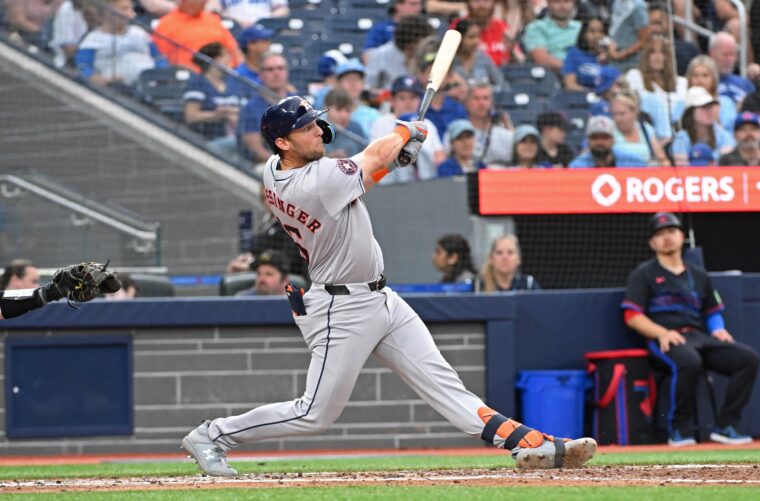
Don Kessinger carved out an impressive Major League career, spending 12 seasons with the Cubs between 1964 and 1975. During that stretch, he established himself as one of the premier defensive shortstops of his era.
His consistency and reliability earned him six All-Star selections, a testament to both his longevity and his steady production at the game’s highest level. In addition to those All-Star nods, Kessinger was recognized twice with Gold Glove Awards, honors that underscored his exceptional defensive instincts, range, and sure-handedness at shortstop.
After his lengthy run in Chicago, Don Kessinger continued his playing career elsewhere, suiting up for the St. Louis Cardinals and later the Chicago White Sox. Those final five seasons were split between the two clubs, allowing him to bring veteran leadership and experience to multiple organizations before eventually hanging up his cleats.
MORE: Cubs Officially Steal 24-Year-Old Infielder From Red Sox
Even as his playing days wound down, Kessinger remained deeply involved in the game. He briefly took on the role of player-manager with the White Sox, a challenging dual responsibility that spoke to the respect he commanded within the clubhouse. He ultimately retired from professional baseball at just 36 years old, closing the chapter on a career defined by durability, defense, and professionalism.
Grae Kessinger’s own path in baseball has followed a different trajectory, though it began with plenty of promise. Drafted by the Houston Astros out of Ole Miss, he entered professional baseball carrying both expectations and a familiar surname. By 2020, just a year after being selected, Kessinger had climbed to become the No. 15 prospect in Houston’s farm system. That ranking reflected his versatility, baseball IQ, and steady development, even if he was never viewed as a can’t-miss superstar.

The Ole Miss connection adds another layer to the family story. Grae attended the same university where his grandfather once played and later coached, further tying the generations together.
Don Kessinger returned to Ole Miss as a coach from 1991 to 1996, helping shape young players and pass along the knowledge he had accumulated during his long Major League career. For Grae, following in those footsteps represented both a nod to family tradition and an opportunity to carve out his own identity within the sport.
Baseball runs deep in the Kessinger family beyond just Don and Grae. Grae’s uncle, Keith Kessinger, also reached the Major Leagues, though his time there was brief. Keith appeared for the Cincinnati Reds in 1993, adding yet another branch to the family’s professional baseball tree. While his stint didn’t last long, it further emphasizes how ingrained the game has been in the Kessinger household across multiple generations.
Though Grae Kessinger’s career has not yet matched the accolades or longevity of his grandfather’s, his journey remains noteworthy in its own right. With a strong baseball background, a solid collegiate career, and experience within a successful organization like Houston, he brings both pedigree and perseverance to his latest opportunity. Now with the Mets, Kessinger represents not just a depth piece or developmental project, but also the continuation of a family legacy that has quietly spanned decades of Major League history.
Kessinger Will Try to Crack Mets Crowded Infield
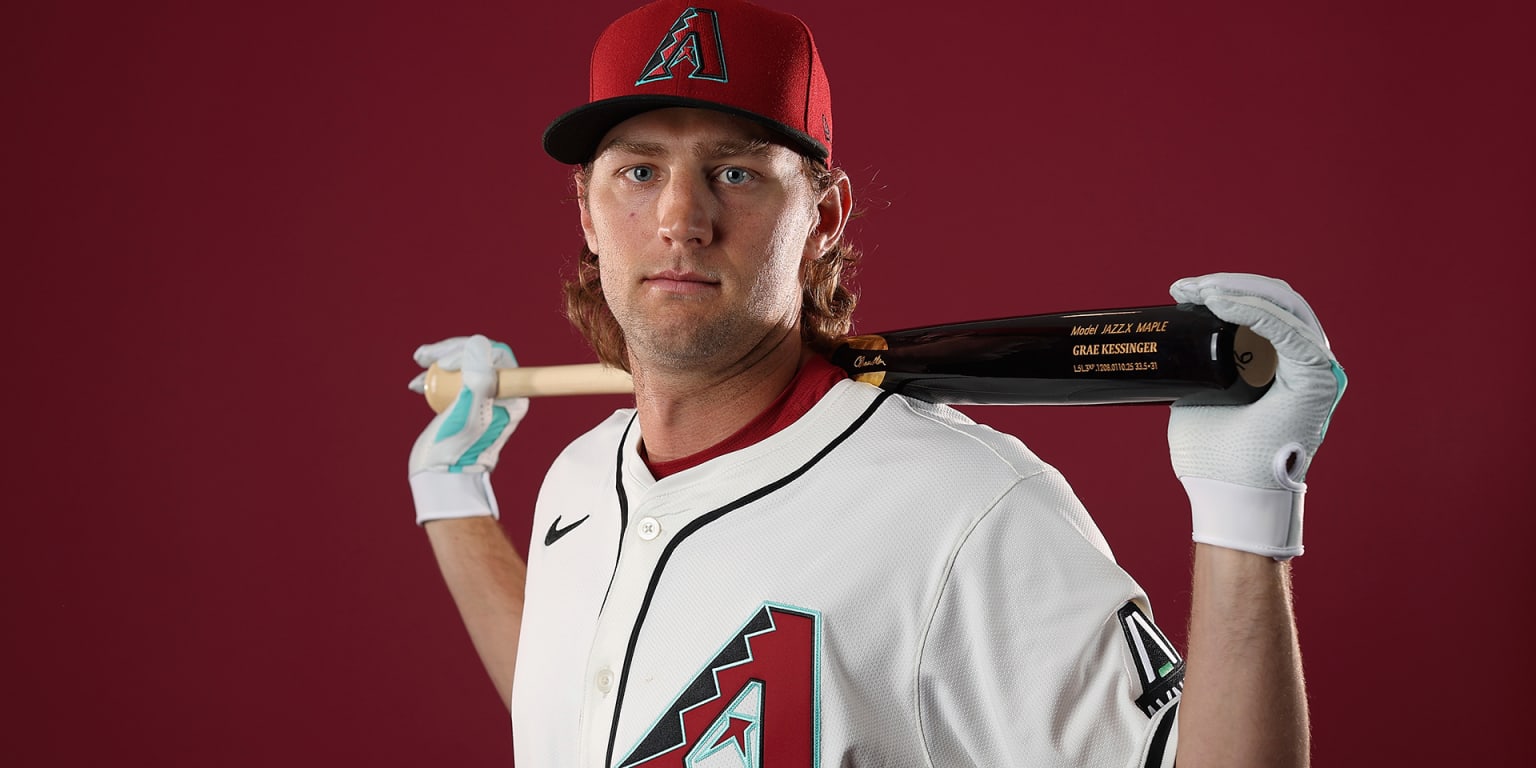
Kessinger first reached the majors with Houston in 2022, but his time in the big leagues was limited and sporadic. Across two seasons with the Astros, he logged just 70 plate appearances, struggling to make a consistent offensive impact.
He managed only eight hits during that stretch, with a modest power output that included two doubles and a single home run. Plate discipline was also an issue, as he struck out 19 times, a notable number given the small sample size. Those limited opportunities and uneven results made it difficult for him to establish a foothold at the major league level.
MORE: Mets stunning deal reunite with Luis Severino to give more depth
Following the 2025 season, Houston ultimately decided to move on. The Astros designated Kessinger for assignment, signaling that he no longer fit into their short- or long-term plans. Shortly afterward, he was dealt to the Arizona Diamondbacks, giving him a fresh opportunity in a new organization.
However, that change of scenery did little to alter his trajectory. Kessinger appeared in only 11 games for Triple-A Reno, and his stint with the D-backs’ organization was brief. On April 20, Arizona released the 28-year-old, leaving him once again searching for a place to continue his career.
Given that recent history, the Mets’ decision to sign Kessinger naturally raised eyebrows. New York has aggressively reshaped its infield, assembling a group that includes Bo Bichette, Francisco Lindor, Jorge Polanco, and Marcus Semien. On paper, that quartet leaves virtually no clear path for Kessinger to earn meaningful playing time at the major league level. He is not walking into a position battle, nor is he being counted on as a regular contributor. Instead, his role appears far more subtle and situational.
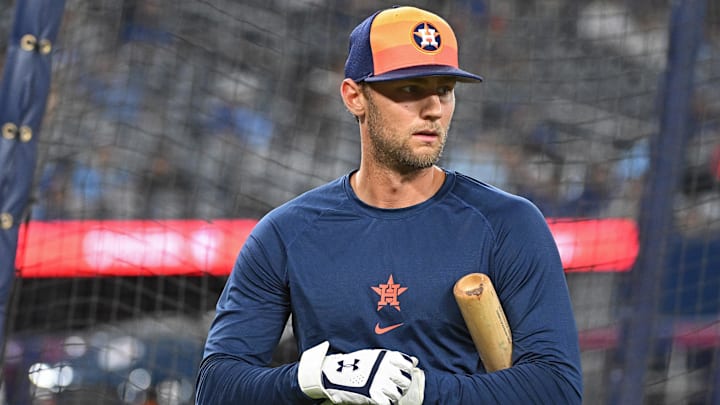
That context helps explain the logic behind the move. As Empire Sports Media’s Andres Chavez pointed out, even the most dominant rosters can be fragile. Teams built to contend often carry an underlying vulnerability: injuries, awkward plays, or simple bad luck can quickly unravel depth charts that once looked impenetrable.
In that sense, Kessinger represents insurance rather than ambition. He is the type of player a club hopes it never truly needs, but is grateful to have when something goes wrong.
Chavez described Kessinger as a “break-glass-in-case-of-emergency” option, a fitting label for a veteran depth piece in today’s game. At 28 years old, Kessinger is firmly in what Chavez called baseball’s “now or never” phase. He is no longer a prospect with upside to dream on, but he is also not so old that teams dismiss him outright. His value lies in experience, versatility, and readiness. If an injury strikes or the Mets need short-term coverage, Kessinger can step in without the organization having to rush a younger player or make a midseason trade.
MORE: Padres replace Luis Arraez with cost-effective veteran first baseman
From the Mets’ perspective, the signing is a low-risk move with potential situational rewards. It costs little, does not disrupt the core roster, and adds another layer of depth to a team with championship aspirations.
For Kessinger, it is another opportunity—perhaps one of his last—to prove he can still carve out a role at the highest level. While the odds of him cracking New York’s star-studded infield remain slim, baseball has a way of creating unexpected openings. The Mets are betting that if such a moment arrives, Kessinger will be ready to seize it.
Kessinger Seen as Emergency Depth

Even after a winter defined by major roster turnover, the New York Mets are entering the upcoming season with an infield picture that appears crowded and highly competitive.
The departures of franchise home run leader Pete Alonso and longtime Swiss-army-knife infielder Jeff McNeil marked the end of an era, but those losses were quickly counterbalanced by the organization’s aggressive additions of Bo Bichette and Jorge Polanco. Those headline moves reshaped the infield and raised expectations, while also making it increasingly difficult for fringe players or younger depth pieces to find a clear path to playing time.
On the surface, that reality makes a signing like Kessinger’s easy to dismiss. With established everyday players now occupying most of the available spots, it can feel pointless to bring in another infielder on a minor league deal, particularly one who is not viewed as a future cornerstone. However, Mets bench coach Eric Chavez sees the move differently and believes it reflects a broader, smarter organizational philosophy rather than a throwaway transaction.
As Chavez explained, depth has become one of the most valuable commodities in modern baseball. Over the course of a grueling 162-game schedule, even the most talented rosters are guaranteed to be tested by injuries, fatigue, slumps, and unforeseen circumstances. Teams that fail to prepare for that reality often find themselves scrambling midseason, forced to rush prospects or rely on players who are not equipped for meaningful roles. In contrast, organizations that invest in reliable depth give themselves a significant competitive edge.
“It’s easy for fans to roll their eyes at minor league invitations,” Chavez noted, “but depth is essentially the new currency across Major League Baseball.” His point reflects a league-wide trend: the best teams are no longer built solely around their starting lineups but around the strength of their entire 40-man roster. When injuries inevitably strike, those teams can plug in capable replacements without sacrificing stability or performance.
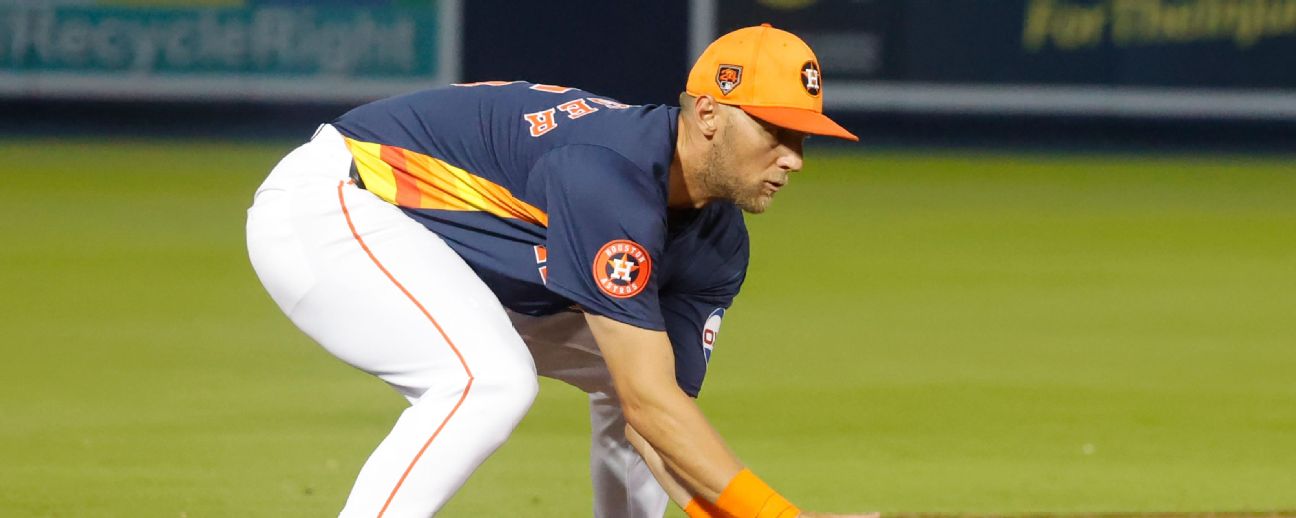
That need for depth is particularly pressing in the Mets’ division. The Phillies and Braves remain perennial contenders and show no signs of fading. Competing with those teams over a full season requires more than just star power at the top of the roster. It demands a steady stream of competent, prepared players who can step into action without derailing momentum. Chavez emphasized that to truly contend, the Mets must be at least 40 players deep, not just talented on paper in March.
MORE: Angels sign first baseman, offered lifeline deal to Orioles’ veteran
Within that context, Kessinger’s value becomes clearer. While he may not project as an everyday starter, he offers something that is often undervalued: professionalism. He brings a dependable approach at the plate, understands situational hitting, and can be trusted to execute a quality at-bat when called upon. Just as importantly, his defensive versatility allows the coaching staff to move pieces around without exposing weaknesses in the field.
That flexibility matters over the long haul. Rather than forcing the Mets to promote a prospect before he is fully ready—potentially harming both the player’s development and the team’s performance—Kessinger can serve as a bridge. He provides insurance, allowing younger players to continue refining their games in the minors until the timing is right. In that sense, his presence protects the organization’s future as much as it supports the present.
Ultimately, Chavez views the signing as a quiet but sensible decision that aligns with how winning teams now operate. While it may not generate headlines or excite fans in the same way as blockbuster acquisitions, it reinforces the Mets’ ability to withstand the inevitable challenges of a long season. In a league where depth often determines who survives the marathon and who fades late, adding a steady, flexible professional like Kessinger could prove more important than it initially appears.

Be the first to comment