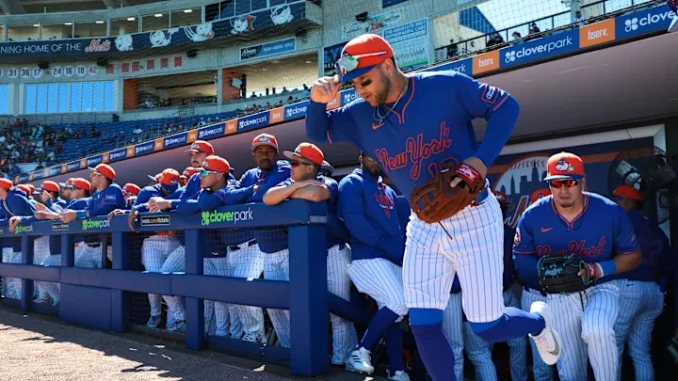
The New York Mets have welcomed veteran reliever New York Mets to spring camp, adding an experienced arm to the mix without placing any firm commitments on what comes next. Craig Kimbrel arrives on a minor-league deal, a low-risk move that gives both sides flexibility. For the Mets, it’s an opportunity to evaluate whether the longtime closer still has enough in the tank to contribute at the major-league level. For Kimbrel, it represents another chance to prove that his decorated career is not yet finished.
There have been no promises made about a roster spot or a defined role. Instead, the invitation to camp serves as an open-ended audition. The Mets’ front office and coaching staff will get a close look at Kimbrel’s velocity, command, and overall effectiveness against live hitters.
His track record speaks volumes — few relievers in recent baseball history can match his résumé. Over the course of his career, he has compiled 440 saves, a number that places him among the elite closers the game has ever seen. That accomplishment alone underscores the level of dominance he sustained for more than a decade.
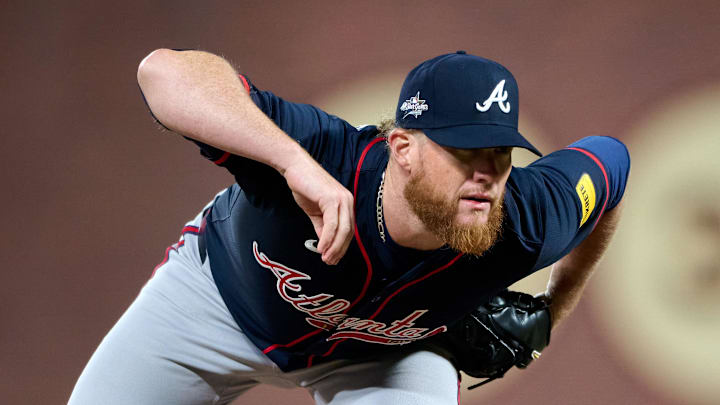
Still, baseball is a sport that constantly asks veterans to prove themselves again. Past success guarantees nothing when it comes to present performance. For Kimbrel, now well into the later stages of his career, the question is no longer about what he once was, but rather what he can still be.
Teams are always searching for reliable bullpen help, and experienced closers can offer value not only through outs recorded but also through leadership and postseason know-how. However, declining velocity or inconsistency can quickly change the equation.
MORE: Understand Mets blockbuster trade lands $100M Twins’ veteran outfielder to pair with Juan Soto, Luis Robert Jr. after disappointing 2025 season
By signing him to a minor-league contract, the Mets have structured this as a measured evaluation rather than a high-stakes gamble. There is little financial risk involved, and the team maintains complete discretion over whether to add him to the big-league roster. If Kimbrel demonstrates that his fastball still has life and that his signature breaking ball can miss bats, he could carve out a meaningful role. If not, the Mets can move forward without significant consequences.
For Kimbrel, the camp invite is more than a routine spring training appearance — it’s a pivotal moment. With 440 career saves already secured, his legacy is established. Yet the competitive drive that fueled those achievements likely remains strong. The coming weeks will determine whether he can continue adding to that total or whether his remarkable run is nearing its conclusion. Either way, his presence in camp signals a fascinating storyline as the Mets assess what, if anything, remains in one of the most accomplished relief careers of the modern era.
Mets Bullpen Math Leaves One Door Open
As SportsNet New York reporter Chelsea Janes so vividly described, Craig Kimbrel still looks every bit like the Craig Kimbrel baseball fans have come to recognize over the years. The high, almost theatrical elbow set before his delivery remains intact.
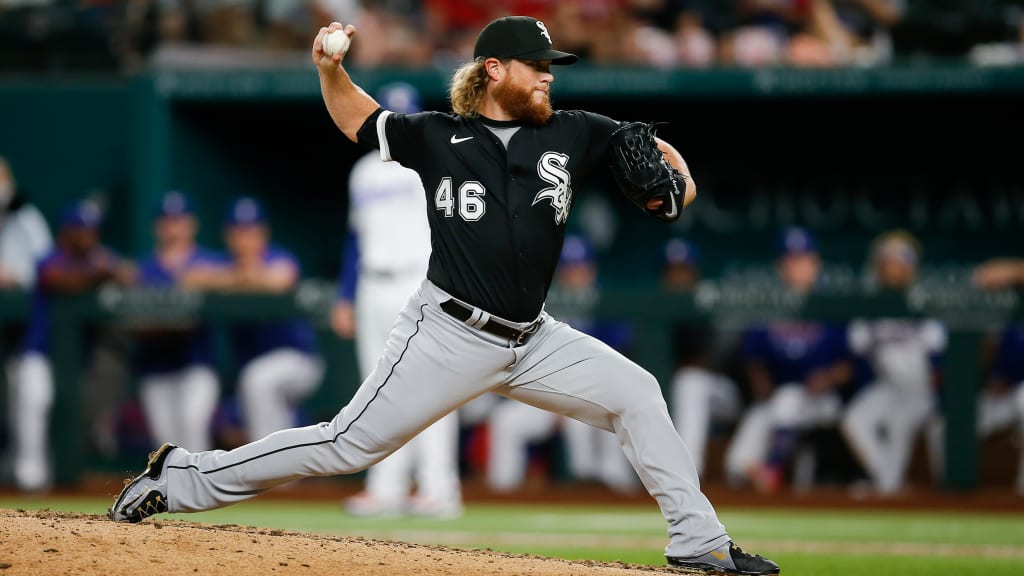
The intense, locked-in stare is still there. Even in the relatively quiet setting of a back-field bullpen session, he has a presence that commands attention and turns routine warmups into something that feels far more significant. In that sense, nothing about him appears diminished. The optics are familiar, the mechanics recognizable, and the aura undeniable.
But while the visual of Kimbrel in uniform may stir memories of his dominant peak, the New York Mets are not in the business of sentimentality. Their evaluation process goes well beyond aesthetics or reputation.
MORE: Cardinals Officially Cut Ties With 23-Year-Old Infielder
For the front office and coaching staff, this is about roster construction, bullpen hierarchy, and long-term viability. It’s about determining whether Kimbrel fits into a relief corps that is already beginning to take shape — and whether there is space, both practically and strategically, to incorporate a veteran with his profile.
At the forefront of the Mets’ bullpen plans are several established arms. Devin Williams is expected to be a central figure, bringing swing-and-miss stuff and high-leverage experience. Luke Weaver is also projected to factor prominently, providing versatility and stability. Meanwhile, left-hander Brooks Raley offers matchup flexibility, and Luis García adds another experienced option capable of handling meaningful innings. This group alone forms a solid foundation, and it leaves limited room for additional pieces unless someone clearly separates himself.
Beyond the late-inning group, the Mets are also weighing their multi-inning options. Either Tobias Myers or Huascar Brazobán could emerge as a valuable bridge arm, depending on how the roster ultimately shakes out. Carrying a pitcher capable of covering more than one inning provides flexibility over the long haul of a season, particularly when managing workloads and protecting starters. Those considerations further tighten the competition for bullpen spots.
The situation becomes even more layered when factoring in health. If the Mets choose to retain an extra left-handed reliever while waiting for A.J. Minter to recover from a torn lat muscle, the arithmetic becomes more complicated. A temporary need for left-handed depth could squeeze available openings even further, creating a ripple effect throughout the bullpen competition. Every decision influences another, and adding Kimbrel to the equation forces the team to weigh immediate depth against long-term balance.
Kimbrel himself seems to understand the landscape. When speaking with reporters, he made it clear that his primary objective is straightforward: prove he can still retire hitters at the major league level. That said, he also acknowledged that he is intentionally moderating his buildup. Rather than trying to light up radar guns or dominate early exhibition outings with one explosive performance, he is taking a measured approach. He described it as “pacing” himself — a deliberate effort to prepare for a full season rather than chase headlines in February.
That mindset aligns with what he believes the Mets value. Instead of focusing on short-term flashes, the organization appears to be prioritizing sustainability. A bullpen arm who can contribute consistently across months is more valuable than someone who peaks briefly in spring training. Kimbrel’s strategy suggests he is attempting to meet the team on those terms, demonstrating durability and adaptability rather than simply trying to overpower hitters in isolated bursts.
Perhaps the most compelling aspect of this invitation, though, has little to do with nostalgia or name recognition. It’s not just about a former All-Star seeking one more run. What makes this situation intriguing is the evidence from late in the 2025 season that hinted at a viable evolution of Kimbrel’s game.
Rather than trying to replicate the exact formula that made him dominant a decade ago, he appeared to be adjusting — refining pitch usage, leaning into sequencing, and embracing a version of himself tailored to the modern game.
MORE: Understand Cardinals Under Fire for $12.5 Million Offseason Signing
That stretch suggested there may be a sustainable model for Kimbrel at this stage of his career. Instead of relying solely on overpowering velocity, he showed signs of crafting at-bats more carefully and mixing his arsenal with greater nuance. In today’s bullpen landscape, where matchups, data, and situational awareness are paramount, that adaptability matters. Teams are increasingly valuing relievers who can evolve, not just those who can light up a radar gun.
For the Mets, the decision ultimately hinges on fit. The bullpen already contains established late-inning arms and versatile middle relievers. There are health considerations, developmental priorities, and long-term roster implications to consider. Kimbrel’s name carries weight, but the organization must determine whether his present ability matches the demands of their current construction.
In the end, this isn’t about the familiar stance or the electricity of his presence on a practice mound. It’s about whether the modernized version of Kimbrel — the one hinted at during his late-2025 resurgence — can provide tangible value within a tightly calibrated bullpen framework. If he can demonstrate that he still has the command, composure, and adaptability to navigate high-leverage innings over the grind of a full season, the Mets may find room for him. If not, the decision will reflect the realities of roster math rather than the allure of reputation.

Either way, the evaluation is rooted in practicality. The spectacle may draw attention, but the Mets’ calculus remains grounded in performance, projection, and fit.
Kimbrel’s 2025 Statcast Profile Explains the Bet
Statcast’s tracking metrics make the underlying balance in his profile easy to see. During the 2025 season, his four-seam fastball checked in at an average velocity of 93.5 mph. While that number no longer places him among the game’s hardest throwers, the pitch still serves as the foundation of his approach. He relied on it heavily, deploying it 64.8% of the time—nearly two-thirds of his total offerings.
The fastball remains the tone-setter, the pitch that establishes counts and keeps hitters honest. Around that primary weapon, he layered in a carefully selected mix of secondary pitches: a knuckle-curve that made up 19.1% of his usage, a sweeper at 10.9%, and a changeup that, though used just 5.2% of the time, carries strategic importance.
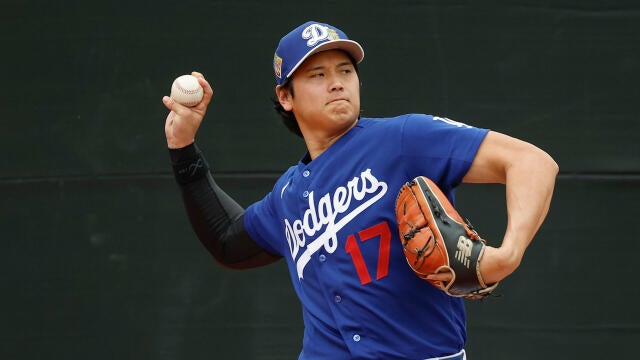
That distribution speaks volumes about how his game has matured. He is no longer the overpowering version of himself from earlier in his career, when raw velocity and wipeout stuff allowed him to dominate purely on force. Instead, he has transitioned into a more nuanced pitcher—one who understands the value of pitch sequencing, tunneling, and location.
He attacks the edges of the strike zone, shifts eye levels, and keeps hitters off balance with calculated variety. The knuckle-curve provides depth and vertical separation from the fastball, while the sweeper adds horizontal movement that can disrupt timing. Even the relatively infrequent changeup plays a role, preventing left-handed hitters from sitting exclusively on hard stuff. In short, he now wins with intelligence and craft as much as with power.
MORE: “Absolutely Sad” Cardinals shared heartbreaking news regarding reliever Riley O’Brien
The results from 2025, though compiled in a limited sample size, help explain why the Mets see legitimate upside in taking a chance. He posted a 2.25 ERA, a number that immediately grabs attention regardless of context.
More telling, perhaps, was his strikeout rate: an outstanding 34.7%. That figure indicates he still has the ability to miss bats at an elite clip, a skill that remains the currency of high-leverage relief work. When a pitcher can generate strikeouts at that frequency, it reduces reliance on defense and neutralizes situational volatility.
However, the stat line was not without blemishes. His walk rate climbed to 14.3%, a mark that introduces an element of risk. Free passes can unravel innings quickly, particularly in tight games. That combination—dominant strikeout totals paired with elevated walks—creates a volatile but intriguing profile. It is precisely the type of performance that fuels spring training competitions for bullpen spots.
Teams often debate whether the upside of swing-and-miss stuff outweighs the occasional lapse in command. In his case, the Mets are betting that the strengths can be maximized while the weaknesses are managed.
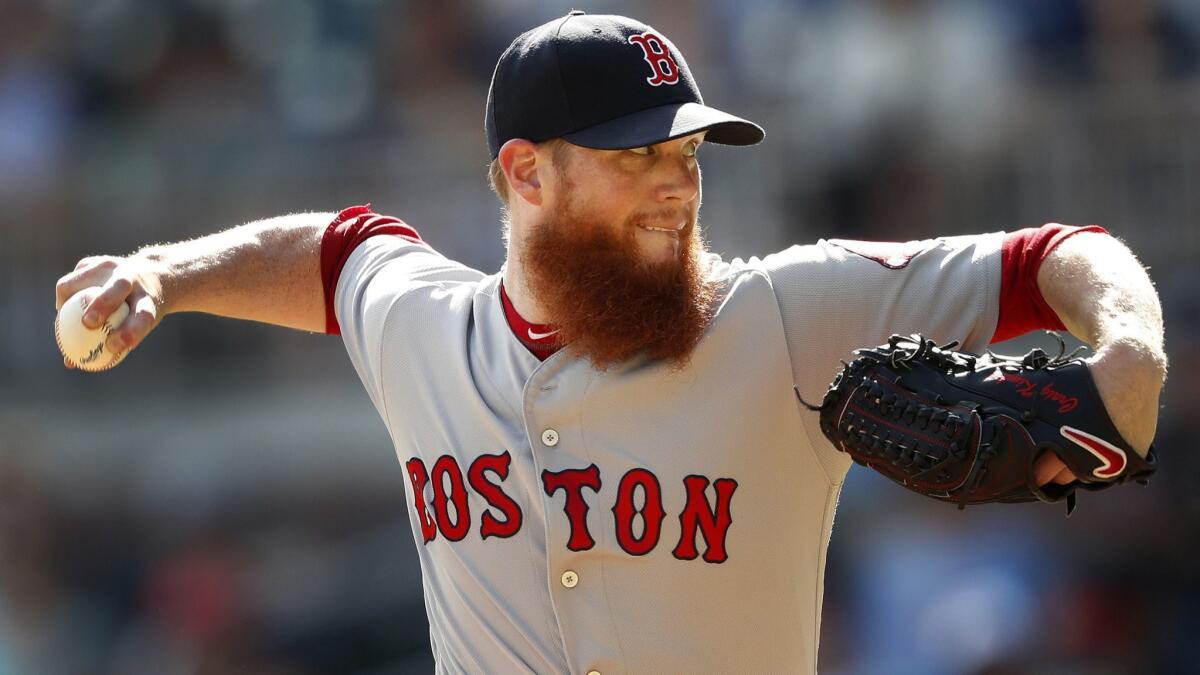
Supporting metrics suggest there is reason for optimism. Opposing hitters averaged an exit velocity of just 86.8 mph against him in 2025, indicating that when contact was made, it was generally not authoritative.
Additionally, he allowed a hard-hit rate of 36.0%, a manageable figure in today’s power-driven environment. These numbers imply that he was not being consistently squared up. If he can continue to suppress quality contact while maintaining a high strikeout rate, then the walks become less catastrophic and more situational—a variable to navigate rather than a fatal flaw.
MORE: Understand Red Sox seemingly trade top pitching prospect to Cardinals at the right time ‘Unfortunate blisters’
This is where usage patterns and matchup deployment come into play. The Mets do not need to overextend him. By placing him in favorable scenarios—perhaps against pockets of the lineup more susceptible to his curveball or sweeper—they can optimize outcomes. Strategic scheduling, rest management, and selective high-leverage exposure can help limit the damage of occasional control lapses. In that framework, his profile becomes a valuable asset rather than a gamble.
His role in Queens reflects that recalibrated expectation. The Mets are not asking him to reprise the identity of a franchise closer or carry the emotional weight of the ninth inning every night. Instead, they envision him as a dependable depth piece—someone capable of slotting into the middle or late innings without fanfare.
Being the eighth-best reliever on a staff might not sound glamorous, but it is essential over the course of a 162-game season. Injuries arise, workloads fluctuate, and bullpen hierarchies evolve. A veteran arm with swing-and-miss ability can quietly stabilize stretches of uncertainty.

When April’s chill gives way to the grind of summer, depth often determines success. By July, pitching plans are frequently stretched thin as matchups intensify and fatigue sets in. For a front office led by David Stearns, constructing a bullpen is less about star power and more about layered reliability.
In that ecosystem, his experience and adaptability hold real value. He can absorb innings when others need rest, step into leverage when matchups dictate, and provide a steady presence during inevitable turbulence.
Ultimately, the tradeoff illuminated by Statcast is not a sign of decline so much as evolution. His velocity may not mirror its peak, but his understanding of how to pitch has deepened. The Mets’ wager rests on the belief that savvy, sequencing, and selective dominance can offset imperfections in command.
If the strikeouts remain plentiful and the contact quality stays muted, then his walks become a manageable subplot rather than the defining storyline. In that balanced role, he has every opportunity to prove that reinvention can be just as valuable as raw power.



Be the first to comment