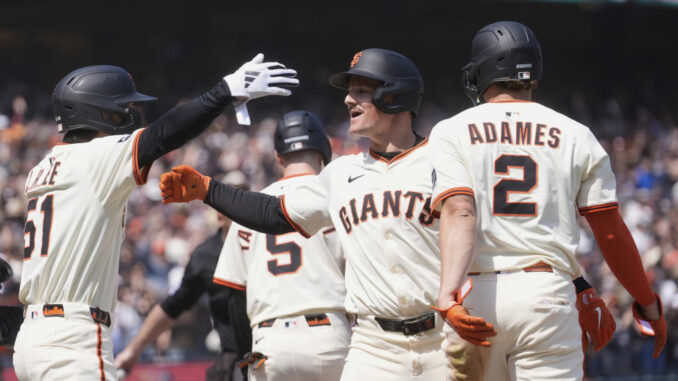
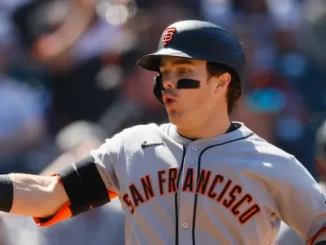
When the San Francisco Giants officially unveiled their Opening Day roster, one of the more notable developments was the outcome of the competition for the backup catcher position. Daniel Susac ultimately secured the role, edging out veteran catcher Eric Haase in what appeared to be a closely contested battle during spring preparations. Susac’s strong performance and potential likely played a key role in the organization’s decision to entrust him with the responsibility behind the plate as the secondary option.
This roster decision signaled a shift toward giving a younger player an opportunity to contribute at the major league level, possibly reflecting the team’s broader strategy of integrating emerging talent into key supporting roles. Susac’s inclusion suggests that the coaching staff and front office were impressed with his readiness, both defensively and offensively, as well as his ability to handle pitching duties effectively.
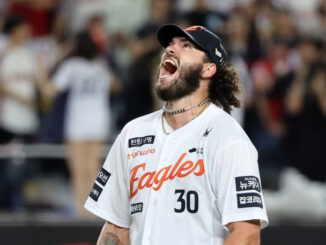
As a direct consequence of this decision, Eric Haase’s time with the organization came to an end. According to the team’s official transaction log, the Giants released the experienced catcher shortly after finalizing the roster. Haase, who brought veteran presence and prior big-league experience, was ultimately deemed expendable once he was unable to secure the backup role.
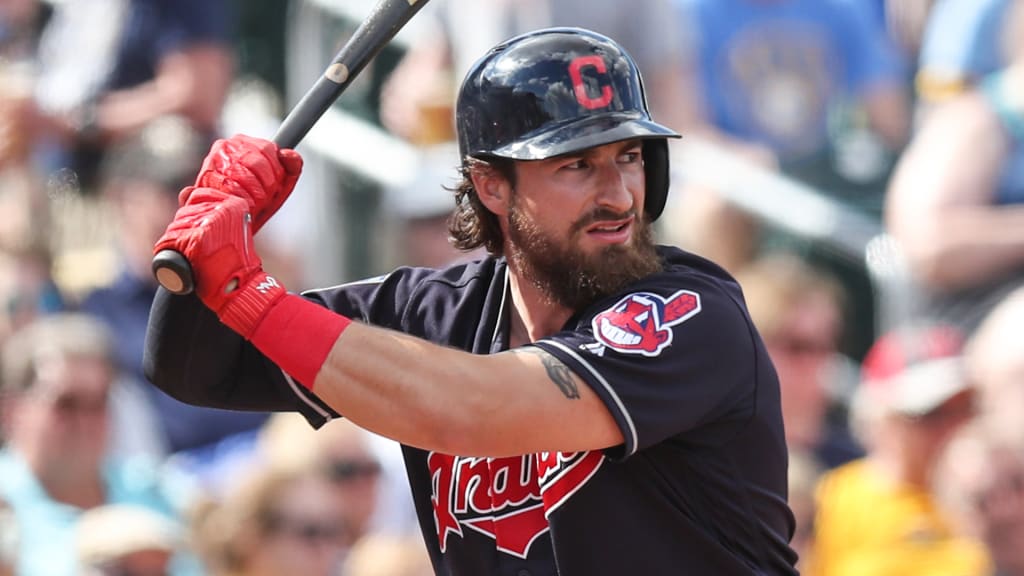
The move highlights the often difficult nature of roster decisions in professional baseball, where teams must balance experience with upside and long-term development. While Haase’s departure may come as a disappointment given his track record, it underscores the competitive environment players face, particularly during spring training when roster spots are limited and highly contested.
In the end, the Giants’ choice to go with Susac over Haase represents both a vote of confidence in the younger catcher’s abilities and a willingness to make tough personnel decisions ahead of the season.
SF Giants let go of veteran catcher after finalizing 2026 Opening Day roster
During the course of spring training, manager Tony Vitello was asked a fairly straightforward but revealing question: what qualities does he prioritize when selecting a backup catcher? His answer was concise and telling—defense comes first. That response offered a clear lens through which to evaluate the competition that unfolded in camp, where Eric Haase, Daniel Susac, and Jesús Rodríguez emerged as the primary candidates vying for the role behind the plate.
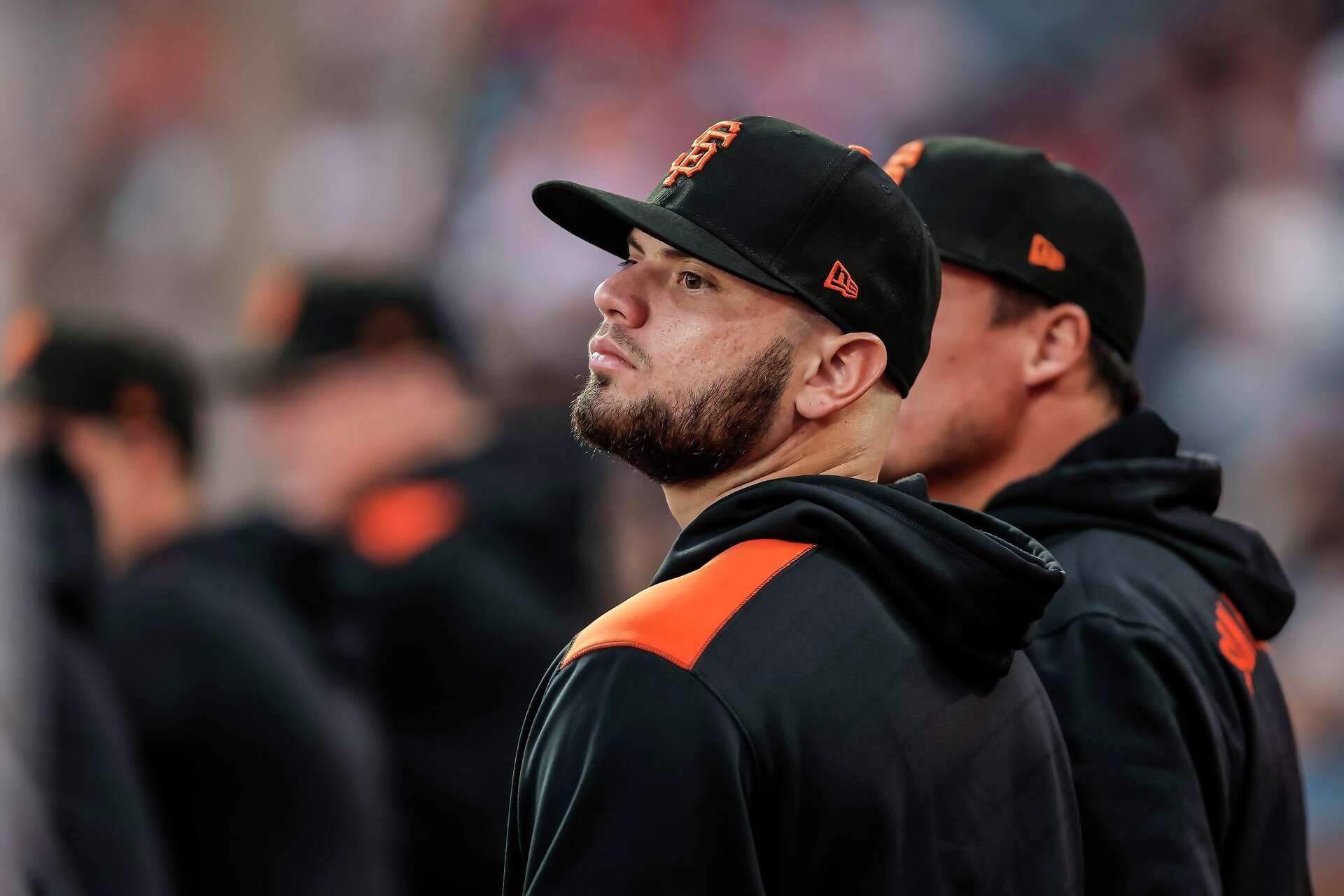
Each of the three catchers brought a distinct profile to the competition. Haase, a veteran with multiple seasons of major league experience, has long been regarded as more of an offense-oriented catcher. His value historically has come from his ability to drive the ball and provide power at the position, even if that comes with certain trade-offs.
MORE: Red Sox Doing Some Housecleaning, Officially Release Highly Touted Outfielder
Rodríguez, meanwhile, is a younger and more versatile player whose defensive skills are still developing. While he has shown flashes of potential, his work behind the plate remains a project, and consistency is still something he is striving to achieve.
Given Vitello’s stated emphasis on defense, Susac quickly emerged as a strong candidate to claim the backup role. His defensive abilities have been viewed as more polished compared to the other contenders, giving him a noticeable advantage in a competition where run prevention and reliability behind the plate were clearly valued.
On top of that, Susac made a compelling case for himself with his performance at the plate during spring training. In 44 plate appearances, he posted an impressive .936 OPS, along with two home runs and five runs batted in. While offensive production is not necessarily the primary expectation for a backup catcher in this context, such contributions certainly did not hurt his case.
From the organization’s perspective, any offensive output from Susac during the regular season would likely be considered an added bonus rather than a necessity. His primary responsibility would revolve around handling pitchers, managing games, and providing steady defense. Still, the fact that he demonstrated the ability to contribute offensively in camp gives the team reason for optimism. If even a portion of that production carries over into meaningful games, it would enhance his overall value significantly.

In contrast, Haase’s situation took a different turn. Despite his experience and track record, he ultimately did not secure a spot on the roster and was released by the organization. Initially brought in on a minor league contract that included an invitation to spring training, Haase was given an opportunity to compete for a role, but the fit ultimately did not materialize.
MORE: Seattle Mariners official 2026 Opening Day roster
His offensive history includes a notable stretch with the Detroit Tigers in 2021, when he recorded a .745 OPS while hitting 22 home runs and driving in 61 runs over the course of 381 plate appearances. That season showcased his power potential and ability to make an impact with the bat.
Looking at his broader body of work, Haase has accumulated eight seasons of major league experience. Over that span, he has produced a slash line of .228/.278/.396, which translates to an 85 wRC+. His offensive profile is defined by a combination of power and swing-and-miss tendencies.
He has posted a walk rate of 6.2 percent and a strikeout rate of 30.7 percent, along with an isolated power figure of .169. While those numbers highlight his ability to hit for extra bases, they also underscore some of the limitations in his approach, particularly his difficulty in making consistent contact and reaching base at a high rate.
Those characteristics may have played a role in the organization’s decision-making process. In recent years, there has been a noticeable shift in philosophy within the front office, with a greater emphasis placed on contact-oriented hitters who can put the ball in play and sustain offensive pressure. High strikeout rates, even when paired with power, can be seen as a drawback in that context. As a result, Haase’s profile may not have aligned with the evolving priorities of the team.
Despite his release, Haase still brings considerable experience to the table, particularly in terms of handling pitching staffs and navigating the demands of the catcher position at the major league level. At 33 years old, he remains a viable option for other organizations seeking depth behind the plate, especially those willing to trade some contact ability for power potential.
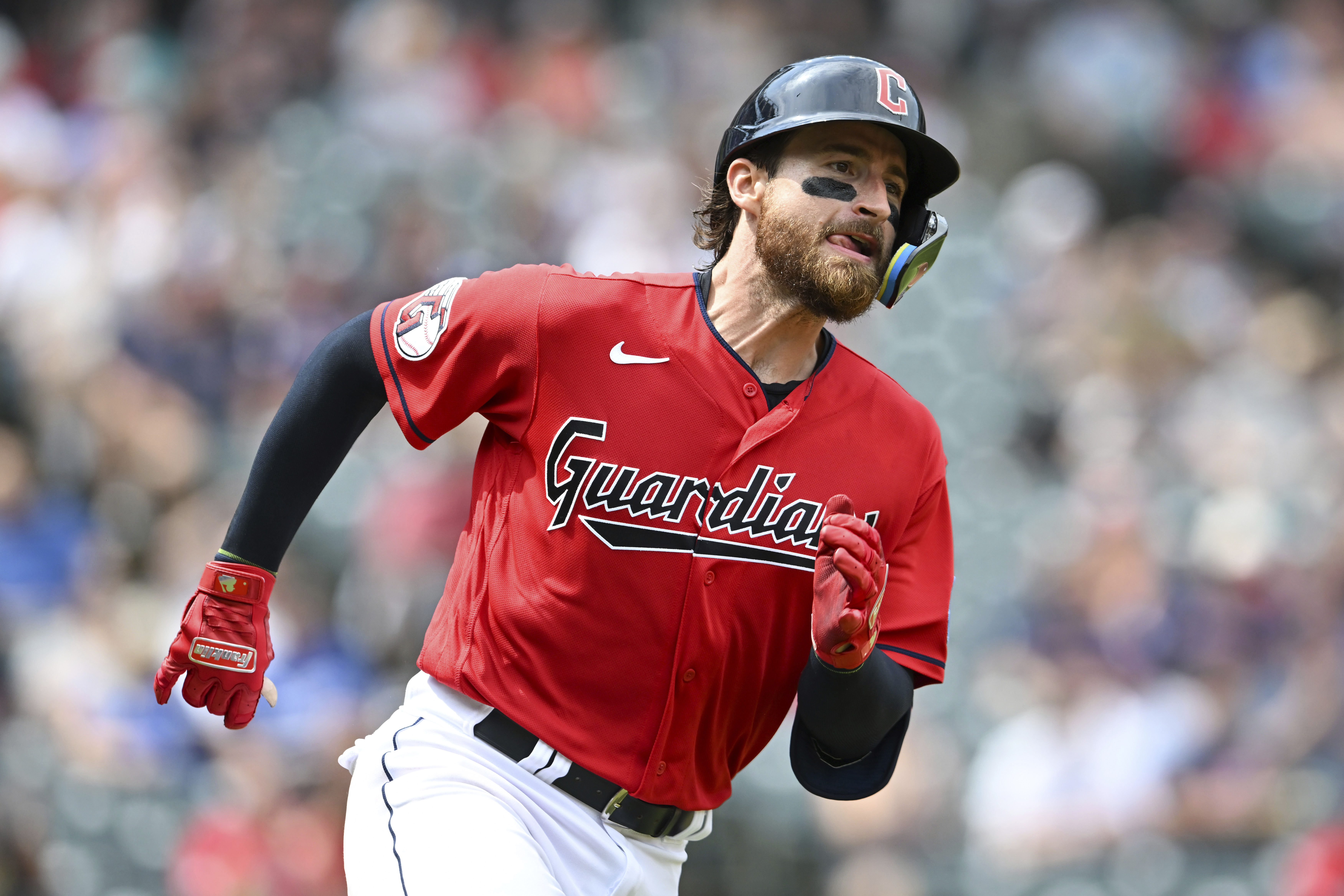
Meanwhile, attention now shifts to the minor league level, where the Sacramento River Cats are preparing to open their season. The catching situation there presents an interesting dynamic, as there does not appear to be a clear-cut everyday option.
MORE: Angels Officially Whittle Down Their Roster, Land Swingman Before Opening Day
Jesús Rodríguez and Logan Porter are expected to be part of the roster, and both players have experience serving in multi-positional roles throughout their careers. Their versatility allows them to contribute in different areas, but it also raises questions about how playing time behind the plate will be distributed.
In addition to Rodríguez and Porter, other players such as Thomas Gavello and Adrián Sugastey could factor into the catching mix as well. This creates a somewhat crowded and fluid situation, with multiple players potentially sharing responsibilities rather than one individual taking on the bulk of the workload.
The absence of a definitive starter at the position could lead to a rotation-based approach, where opportunities are spread out depending on matchups, development goals, and organizational needs.
For Rodríguez in particular, this environment could present both challenges and opportunities. The organization has expressed hope that he can continue to develop defensively, and increased playing time behind the plate would be a key component of that growth. Gaining more in-game experience as a catcher could help him refine his mechanics, improve his game-calling, and build greater confidence in his defensive abilities.

At the same time, Rodríguez’s usage during spring training may offer some insight into how the team currently views his role. He was deployed in multiple positions throughout camp, suggesting that the organization values his versatility. However, it may also indicate that he is not yet seen as a primary or dedicated catcher at the higher levels. Instead, he could be viewed as more of a utility option who can step in behind the plate when needed, rather than someone who will consistently anchor the position.
MORE: White Sox Officially Make Shocking Roster Move with Another Super Addition
With Haase no longer part of the organization, there is now a greater need for someone at the Triple-A level to take on a more significant share of catching duties. This could open the door for Rodríguez to assume a larger role behind the plate with Sacramento, particularly if the team wants to accelerate his defensive development. Alternatively, the workload could be distributed more evenly among the available options, depending on how each player performs and progresses.
Ultimately, the decisions made during spring training reflect a broader organizational philosophy that prioritizes defense, adaptability, and long-term development.
Susac’s emergence as the backup catcher underscores the importance placed on defensive reliability, while the evolving situation in Sacramento highlights the team’s commitment to developing depth and versatility within its system. As the season unfolds, it will be interesting to see how these choices impact both the major league roster and the progression of players working their way up through the minors.


Be the first to comment