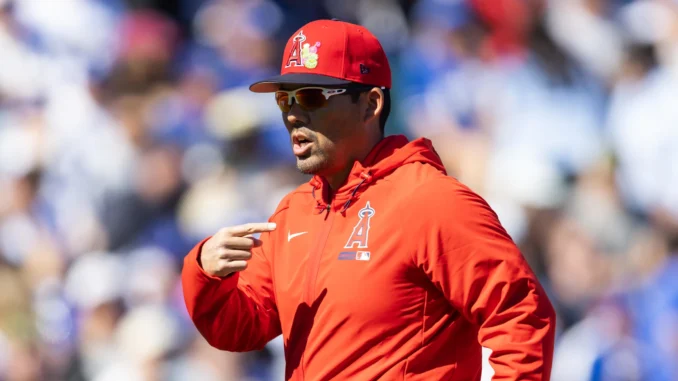
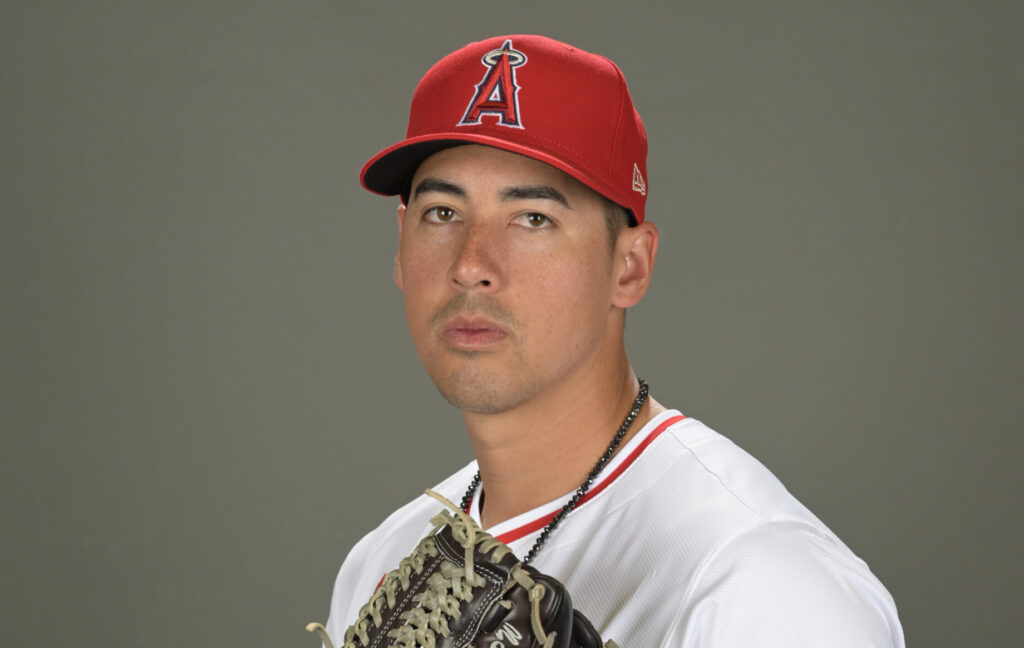
Robert Stephenson’s chances of securing a place on the Los Angeles Angels’ Opening Day roster for the 2026 season always seemed somewhat uncertain. It wasn’t due to a lack of ability or effectiveness on the mound—his track record speaks for itself—but rather ongoing concerns surrounding his health.
Those concerns lingered throughout the spring, especially considering that he had yet to make an appearance in a Cactus League game. His limited availability in 2025 only reinforced those doubts, as he managed to pitch in just 12 games before being sidelined with inflammation in his right elbow, ultimately ending his season prematurely on the injured list.
Regrettably, the situation appears to have taken another turn for the worse. Over the weekend, it was reported that Stephenson experienced a troubling setback following a recent bullpen session. According to accounts, he admitted that he “felt something,” a vague but ominous description that often signals potential injury for pitchers. The emotional toll of the moment was evident, as he was seen struggling to hold back tears prior to Saturday’s game. For a player already working to return to full strength, this development represents a deeply discouraging blow.
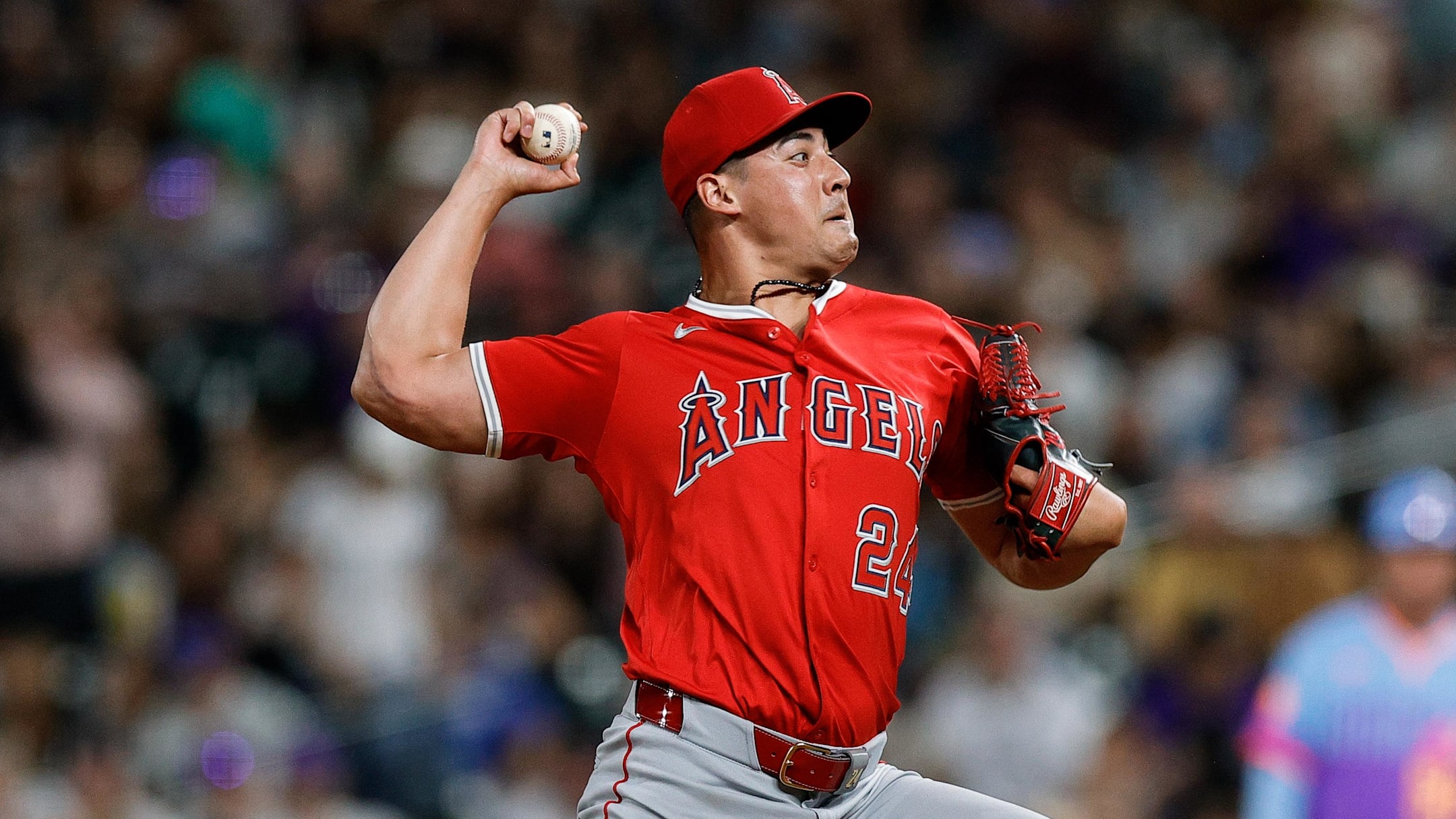
This setback carries significant implications not only for Stephenson personally but also for the Angels as a team, particularly their bullpen. The organization had entered the season with the expectation that Stephenson would play a central role in late-game situations. As the team’s highest-paid reliever, he was widely projected to take over closing duties and handle the ninth inning.
MORE: Orioles Officially Make Major Roster Change as Rotation Begins to Take Shape
His absence now forces the Angels to reconsider their bullpen structure, at least in the early stages of the 2026 campaign. The loss of a key high-leverage arm creates uncertainty and places additional pressure on the rest of the relief corps to step up and fill the void.
While Stephenson’s misfortune is undoubtedly difficult, it does open the door for other pitchers to seize an opportunity. One such candidate is veteran reliever Hunter Strickland, who has been participating in spring training as a non-roster invitee. Strickland has quietly put together an impressive showing so far, consistently delivering strong performances in his limited appearances.
Across his first four outings, he has yet to allow a run, demonstrating an ability to keep opposing hitters off balance and maintain control on the mound. He has surrendered only three hits, struck out two of the 14 batters he has faced, and, notably, has not issued a single walk. His command and efficiency have stood out, especially in a setting where players are competing for roster spots.
Given Stephenson’s uncertain status, Strickland’s performance could not have come at a better time. The Angels are now in a position where they may need to rely on experienced arms to stabilize the bullpen, and Strickland’s track record combined with his current form makes him an appealing option. His presence offers a measure of reliability and depth, qualities that become even more valuable when injuries disrupt the team’s plans.
At this point, the exact nature and severity of Stephenson’s latest injury remain unclear. However, there is understandable concern that it could involve his ulnar collateral ligament (UCL), a critical structure in a pitcher’s elbow. Injuries to the UCL are often serious and can lead to extended absences, sometimes requiring surgical intervention such as Tommy John surgery. If Stephenson’s issue does involve the UCL, it is highly likely that he would be placed on the 60-day injured list. Such a move would effectively sideline him for a significant portion of the season, if not longer.

From a roster management perspective, this scenario would also create an opening for the Angels to make adjustments. Placing Stephenson on the 60-day injured list would free up a spot on the 40-man roster, providing the team with the flexibility to add another player. In this case, it would present an ideal opportunity to formally bring Strickland into the fold. Given his strong spring performance and the team’s immediate need for bullpen reinforcements, adding him to the roster would be a logical step.
MORE: Cardinals Officially Makes Key Roster Cuts Send Down 3-Year MLB Veteran
Ultimately, this situation underscores the unpredictable nature of baseball, particularly when it comes to pitching health. The Angels had hoped to enter the 2026 season with a clear plan for their bullpen, anchored by Stephenson in a prominent role. Instead, they now find themselves adjusting on the fly, navigating yet another injury setback while searching for solutions within their existing pool of talent.
For Stephenson, the focus will now shift to diagnosis, recovery, and the hope that this latest issue is not as severe as it initially appears. For the Angels, the challenge lies in maintaining stability and competitiveness despite the loss of a key contributor. And for players like Strickland, moments like these represent a chance to step forward, prove their value, and potentially carve out a meaningful role on the team.
As the situation continues to develop, all eyes will be on how the Angels respond and whether they can effectively compensate for Stephenson’s absence. While setbacks like this are never easy, they often reshape the trajectory of a season, creating both challenges and opportunities in equal measure.
Robert Stephenson injury update makes Angels contract look brutal
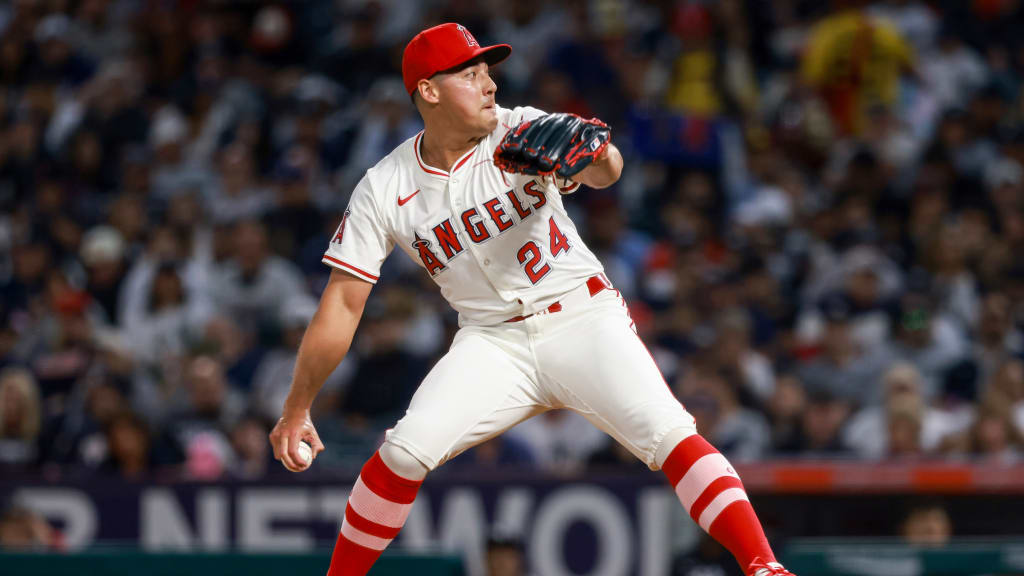
It’s unlikely that this situation will deteriorate to the same infamous level as Anthony Rendon’s contract, but even so, Robert Stephenson’s three-year, $33 million deal is already shaping up to be a major disappointment. At this stage, it’s difficult to frame it as anything other than a failed investment.
Even in a best-case scenario—where Stephenson manages to return to action midway through the 2026 season—the reality remains that the Angels committed a significant amount of money to a relief pitcher who, at his peak, has been more serviceable than exceptional. Allocating that kind of financial resource to a middle-tier bullpen arm, particularly one with a lengthy injury history, now appears to be a deeply questionable decision.
MORE: Amid Rojas’ Suspension, Phillies Officially Add Interesting Name To Roster
From the outset, the risks associated with Stephenson were not hidden or unexpected. His track record of injuries was well known across the league prior to his signing. In fact, concerns about his durability were significant enough that the Angels included a specific injury clause in the contract he agreed to during the 2024 offseason. That alone should have been a clear signal of the uncertainty surrounding his long-term availability.
Unfortunately, those concerns materialized almost immediately. Before he could even take the mound during spring activities that year, Stephenson suffered an elbow injury that ultimately derailed his entire season. The issue proved serious enough to require Tommy John surgery, forcing him to miss the entirety of the 2024 campaign without contributing a single inning.
When Stephenson finally worked his way back to the mound in 2025, there was at least some cautious optimism surrounding his return. After undergoing a rehabilitation assignment in the minor leagues, he rejoined the major league roster later in the season. In a limited sample size, he showed flashes of effectiveness, recording seven strikeouts across six innings during his appearances in September.
While those numbers were not overwhelming, they did offer a glimmer of hope that he might still provide value out of the bullpen moving forward. However, that optimism proved short-lived. With just two weeks remaining in the regular season, Stephenson encountered yet another physical setback and was placed on the 15-day injured list, once again raising concerns about his ability to stay healthy for any sustained period.
Despite the mounting frustration, there remains a narrow pathway for the Angels to salvage something from this situation. Because Stephenson missed so much time due to his surgery, the team was able to secure a relatively modest $2.5 million club option for the 2027 season as part of the contract’s structure. While that option is far from a game-changer, it does at least provide the organization with a degree of flexibility moving forward.
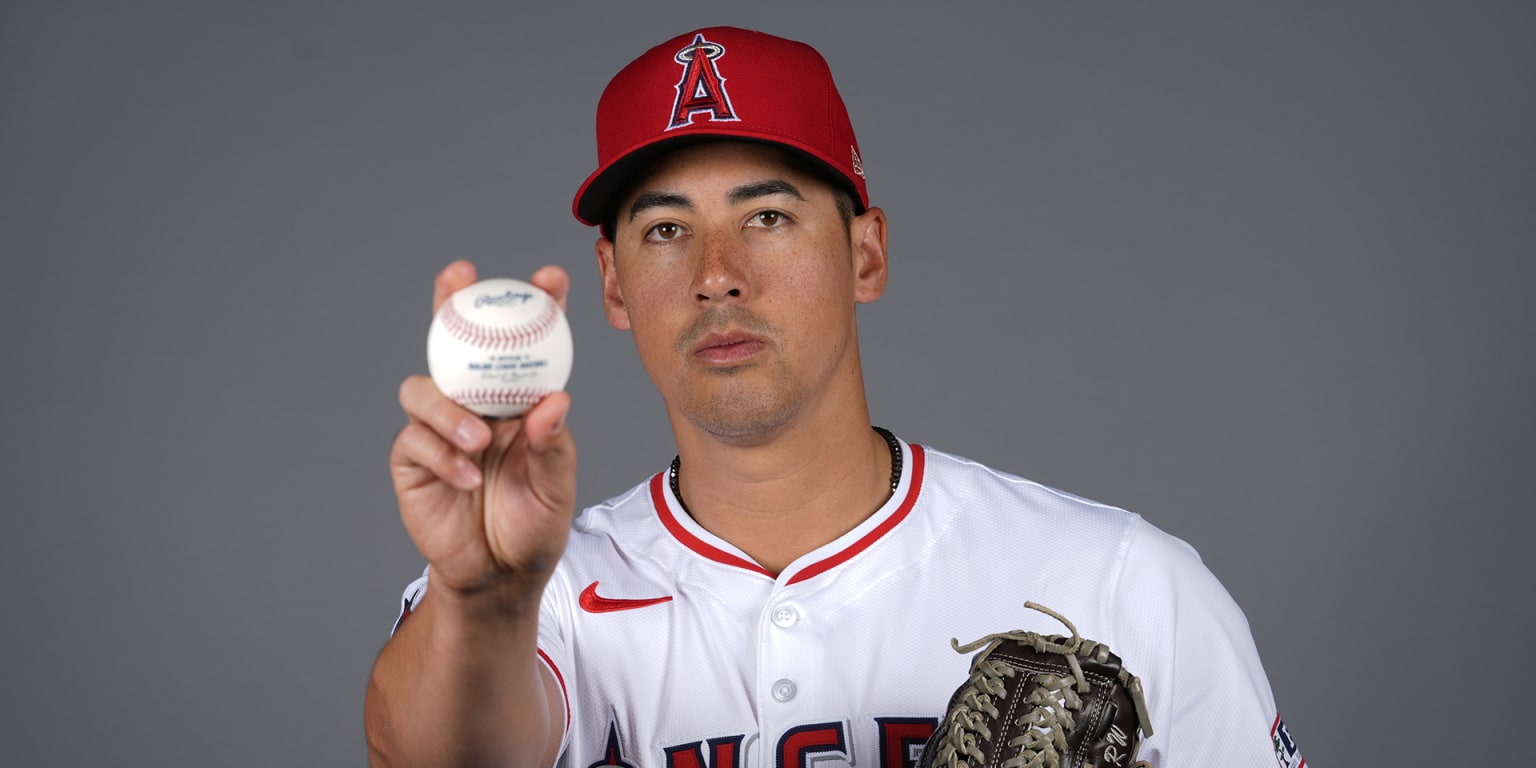
Whether or not the Angels ultimately choose to exercise that option will depend heavily on what Stephenson is able to do when—and if—he returns to the active roster during the 2026 season. Even in that scenario, however, there will be significant uncertainty regarding his effectiveness. After multiple injuries and limited recent game action, it’s far from guaranteed that he will be able to perform at a consistently high level.
MORE: “Upgrade from Brett Baty” Mets trade for $90 million WBC superstar
Situations like this are precisely what tend to frustrate and alienate the Angels’ fan base. Over the years, the organization has developed a reputation for committing large sums of money to players who either fail to live up to expectations or struggle to remain on the field due to injuries. Instead of investing in more reliable or proven talent, the team has repeatedly taken risks on players with notable red flags, often with disappointing results. Stephenson’s contract is simply the latest example in a growing list of questionable decisions that have hindered the team’s ability to build a competitive and sustainable roster.
What makes this pattern even more glaring is the contrast with how other organizations approach similar situations. Many teams around the league have become increasingly cautious when it comes to long-term deals for relievers, especially those with injury concerns. They tend to prioritize depth, flexibility, and cost efficiency rather than committing significant financial resources to players with uncertain durability. The Angels, on the other hand, seem to have fallen into a recurring cycle of overpaying for risk, only to see those gambles backfire more often than not.
In the case of Stephenson, the warning signs were present from the very beginning. His injury history, combined with his relatively modest track record of performance, made the size and length of his contract difficult to justify. While it’s always possible that a player can overcome past issues and deliver strong results, the likelihood of that outcome in this situation always seemed slim. Now, with multiple setbacks already in the books and limited production to show for the investment, those initial concerns have been validated in a significant way.
Looking ahead, the Angels are left in a difficult position. They can only hope that Stephenson is able to regain his health and contribute in some meaningful capacity during the remainder of his contract. Even if he does manage to return, however, the overall value of the deal is unlikely to match the expectations that accompanied it at the time of signing. At best, the team might be able to extract a modest return on their investment, but the chances of the contract being viewed as a success are increasingly remote.
Ultimately, this situation serves as yet another cautionary tale about the dangers of prioritizing short-term fixes over long-term stability. By continuing to take chances on players with significant risk factors, the Angels have repeatedly put themselves in positions where they are paying premium prices for uncertain outcomes.
Stephenson’s deal, while not the most disastrous in franchise history, is a clear reflection of that ongoing issue. Unless the organization changes its approach to roster construction and player evaluation, it’s likely that similar situations will continue to arise in the future, much to the frustration of those who follow the team closely.


Be the first to comment