The Atlanta Braves reached the All-Star break in a strong position during the 2026 season, posting a 55–40 record and maintaining a narrow advantage atop the National League East. Their two-game lead over the Philadelphia Phillies reflected a solid first half overall, but it also masked some growing concerns that became more apparent as the season progressed.
What had once looked like a dominant and well-balanced club began to show signs of vulnerability, particularly during a difficult stretch in June that slowed their momentum and tightened the divisional race.
Earlier in the season, Atlanta had built its success on a combination of effective pitching, timely hitting, and a deep roster that allowed them to outperform most opponents in the division. However, baseball seasons are rarely linear, and the Braves experienced the inevitable ups and downs that come with a long campaign.
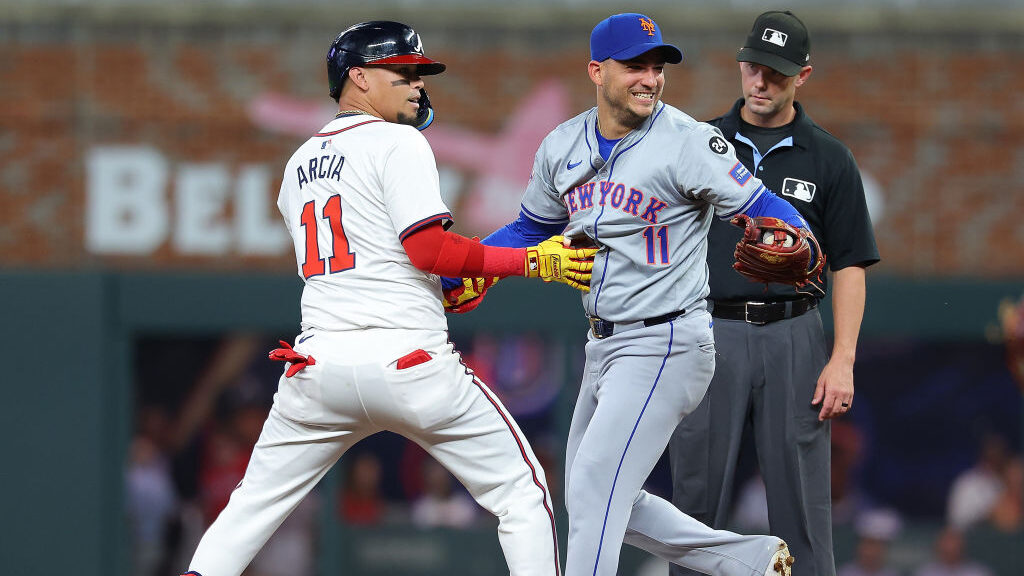
Their June slump proved to be one of those challenging periods, as a combination of inconsistent performances and pitching struggles caused them to lose ground in the standings. At one point late in the month, the team endured a rough run that significantly reduced what had been a more comfortable lead, underscoring how competitive the division had become. (Pinstripe Alley)
Despite these setbacks, Atlanta remained in first place entering the All-Star break, which speaks to the strength of their earlier play and the overall talent on the roster. Still, the timing of their struggles raised questions about whether the team could sustain its early-season success over the long haul. The All-Star break, therefore, arrived at an ideal moment, giving players and coaches a chance to reset physically and mentally before the push toward the postseason.
CONFIRMED: Cardinals Officially Cut Promising Outfield Prospect Despite Success
One of the most notable aspects of Atlanta’s midseason narrative has been the tone set by general manager Alex Anthopoulos. Known throughout Major League Baseball for his willingness to make bold moves, Anthopoulos has made it clear that he is prepared to act if the situation calls for it. While he has stopped short of guaranteeing major roster changes, his comments suggest that the front office is actively evaluating opportunities to improve the team ahead of the trade deadline.
Anthopoulos emphasized that the Braves expect to be involved in trade discussions, particularly if they continue to perform at a level that keeps them firmly in the playoff picture. His measured approach reflects both optimism and caution—he recognizes the team’s potential while also acknowledging that improvements may be necessary to achieve their ultimate goal of contending for a championship. This balance is typical of a front office that understands the importance of timing and value when making midseason acquisitions.
If there is one area where the Braves clearly need reinforcement, it is their starting rotation. Entering the season, the rotation was widely viewed as a strength, anchored by veteran left-hander Chris Sale and supported by a mix of experienced arms and emerging talent.

Sale, in particular, has continued to perform at an elite level, building on his recent resurgence and reaffirming his status as one of the premier pitchers in the league. Even at this stage of his career, he has been remarkably effective, providing stability at the top of the rotation and giving the Braves a reliable presence every time he takes the mound. (Reuters)
Unfortunately for Atlanta, the consistency that Sale has provided has not been matched by the rest of the rotation. Over the course of June, the team’s starting pitchers struggled to deliver quality outings on a regular basis. This lack of dependability placed additional pressure on the bullpen and offense, forcing the Braves to win games in less sustainable ways.
BREAKING: Padres Officially Sign Outfielder In Latest Roster Shake-Up
Analysts and observers have pointed out that what once appeared to be a deep and balanced rotation has instead become a potential liability, with only one truly dependable option at the moment. (CBS Sports)
The inconsistency of the rotation has had a ripple effect throughout the team. When starting pitchers fail to go deep into games, it increases the workload on relievers, which can lead to fatigue and diminished effectiveness over time.
While Atlanta’s bullpen has generally been a strength, even elite relief units can be stretched thin if they are consistently asked to cover too many innings. This dynamic has contributed to some of the team’s struggles and highlighted the importance of addressing the rotation before the trade deadline.
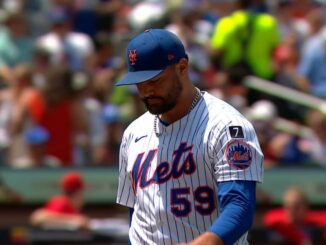
Given these circumstances, it is widely expected that the Braves will prioritize adding a starting pitcher in the coming weeks. The trade market appears to align well with their needs, as several teams are expected to make pitchers available. Among the names that have been mentioned as potential targets is Freddy Peralta, currently with the New York Mets. According to reports and analysis from insiders like Jeff Passan, Peralta represents one of several viable options for Atlanta as they look to upgrade their rotation. (Yahoo Sports)
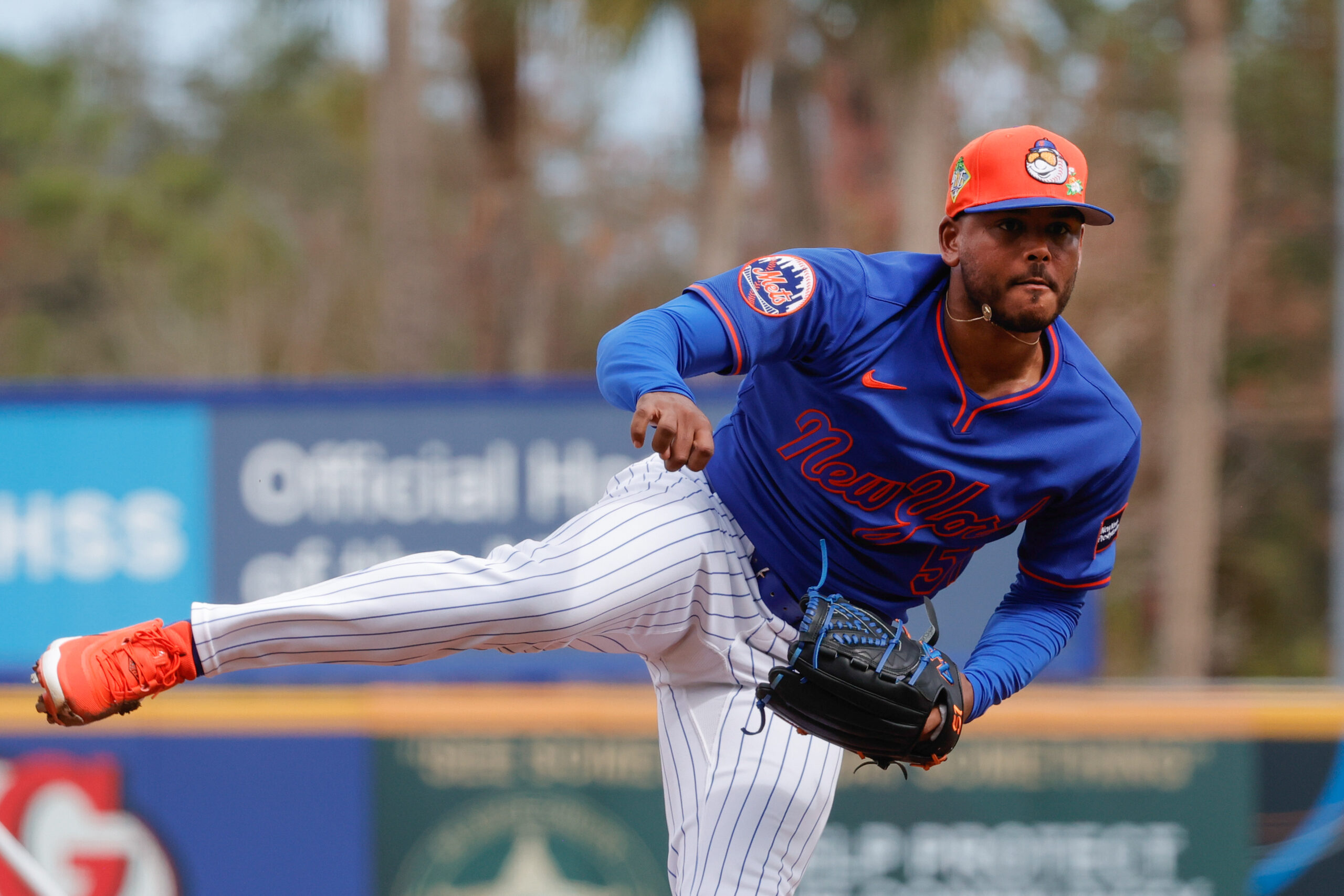
Peralta’s situation is particularly intriguing. Although his performance during the 2026 season has been somewhat uneven, he has a track record of success that makes him an appealing candidate for a contending team.
He is also approaching free agency, which could make him more attainable in a trade scenario, especially if the Mets decide to move assets as part of a broader strategy. In fact, reports suggest that Peralta is among the most valuable trade pieces on the Mets’ roster, further fueling speculation about his availability. (New York Post)
BREAKING: Chicago White Sox Continues to Strengthen Its Reputation, Officially Land Talented Right-Handed Pitcher
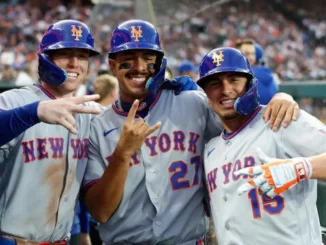
A potential deal between the Braves and Mets would be somewhat surprising, given that the two teams are division rivals. Trades within the same division are relatively uncommon, particularly when both teams are competing for playoff positioning.
However, such deals are not unprecedented, and they can occur when the circumstances align in a way that benefits both sides. For Atlanta, acquiring Peralta would provide an immediate boost to the rotation, while the Mets could potentially receive prospects or other assets to help with their long-term plans.
Peralta’s appeal lies in both his upside and his experience. Just one year removed from leading the National League in wins, he has demonstrated the ability to perform at a high level over an extended period.
The Braves would likely view him as a pitcher capable of rediscovering that form in a new environment, particularly with the support of a strong coaching staff and a competitive roster. His addition could help stabilize the rotation and reduce the burden on Sale, creating a more balanced and effective pitching staff heading into the second half of the season.
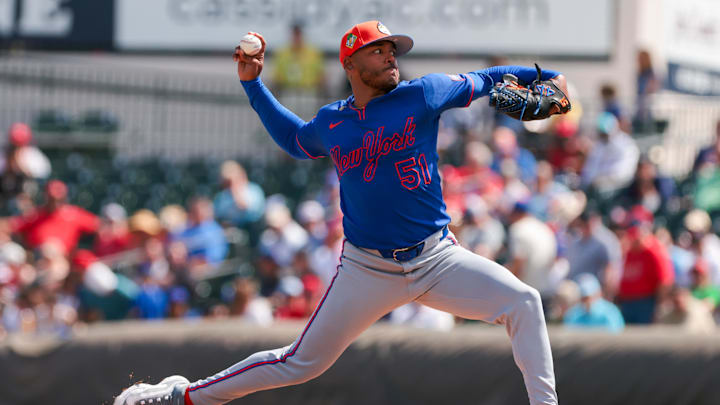
Of course, Peralta is not the only option available to Atlanta. The trade market for starting pitching is expected to include a variety of names, ranging from established veterans to emerging talents. Some reports have linked the Braves to other pitchers as well, including experienced arms who could provide immediate impact. The key for Atlanta will be identifying the right fit—someone who can not only perform well individually but also complement the existing roster and address the team’s specific needs. (Battery Power)
The broader context of the National League East also plays a role in shaping Atlanta’s approach. With teams like the Phillies and Miami Marlins remaining within striking distance, the margin for error is relatively small. A few strong weeks by a rival could quickly alter the standings, making it essential for the Braves to stay proactive rather than reactive. This competitive environment adds urgency to their decision-making process as the trade deadline approaches.
BREAKING: Braves part ways with ex-Mets outfielder
Ultimately, the Braves’ situation at the All-Star break can be described as both promising and precarious. On one hand, they hold a division lead and have demonstrated the ability to compete at a high level. On the other hand, their recent struggles—particularly in the starting rotation—highlight areas that must be addressed if they hope to sustain their success and make a deep postseason run.
The coming weeks will be critical for Atlanta as they evaluate their roster, explore trade opportunities, and attempt to regain the consistency that defined their early-season performance. Whether they ultimately acquire a pitcher like Peralta or pursue another option, it seems almost certain that the Braves will take action to strengthen their rotation.
In many ways, this period represents a defining moment for the franchise’s 2026 campaign. The decisions made at the trade deadline could determine not only whether they maintain their position atop the division but also how far they can go in October. With a proven front office, a talented roster, and a clear understanding of their needs, the Braves are well-positioned to make the necessary moves.
As the second half of the season begins, all eyes will be on Atlanta to see how they respond to their recent challenges. If they can address their pitching issues and rediscover their early-season form, they have the potential to remain one of the National League’s most formidable contenders.

Be the first to comment