The idea of teams making trades within their own division has always been somewhat unusual in Major League Baseball. Rival clubs are typically hesitant to strengthen a direct competitor, especially one they face frequently throughout the season. However, in 2026, the National League East is shaping up as a division where that long-standing reluctance might soften—largely because of how competitive and unpredictable the landscape has become.
At this point in the season, there is a legitimate argument that the NL East stands as the most tightly contested and talent-rich division in all of baseball. While other divisions have clearer separation between contenders and rebuilding teams, the NL East has featured constant movement in the standings, surging clubs, and several teams with realistic postseason ambitions. Even organizations that entered the year with uncertainty have managed to stay relevant deep into the campaign.
The lone exception to the competitive balance appears to be the New York Mets, who have fallen significantly behind the division leader, the Atlanta Braves. Reports indicate that the Mets are well below .500 and have struggled with both injuries and inconsistent performance, putting them firmly in a position where selling at the trade deadline is not only likely but expected. (Pinstripe Alley)
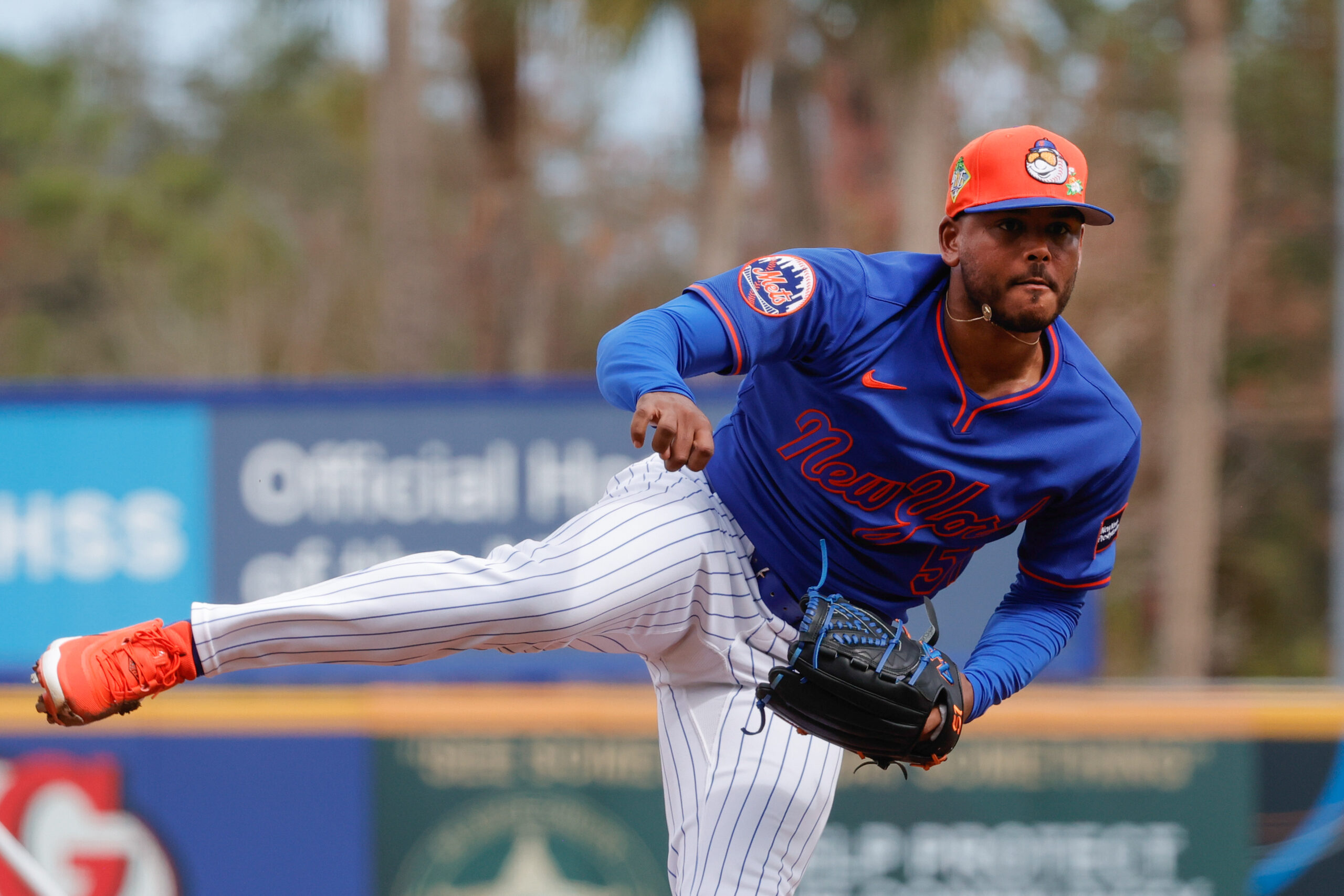
Meanwhile, the Braves have maintained their position atop the standings despite some turbulence during the season. At one point, Atlanta experienced a notable slump that briefly tightened the race, but their overall roster strength—anchored by a deep lineup and effective pitching—has allowed them to remain in first place. (Pinstripe Alley)
Just behind them sits the Philadelphia Phillies, a team that has quietly emerged as one of the most dangerous contenders in the division. After a slow start that resulted in a managerial change, the Phillies have surged under new leadership and re-established themselves as a legitimate threat to overtake Atlanta. Their recent stretch of strong play has demonstrated both resilience and depth, particularly on the pitching side. (Pinstripe Alley)
Atlanta Braves Officially Cut Top Right-Hander In Latest Roster Shake-Up
The Miami Marlins and Washington Nationals have also played significant roles in shaping the division race. The Marlins, fueled by an impressive run during the middle portion of the season, have shown they are capable of competing with anyone when firing on all cylinders.
Meanwhile, the Nationals have surprised many observers by climbing above .500 and remaining within striking distance of a playoff spot, thanks to a combination of young talent and improved pitching performances. (Pinstripe Alley)
With four teams clustered relatively close together and only one clearly out of contention, the NL East has become a breeding ground for intriguing trade possibilities. And that’s where the Mets come into the picture—not as contenders, but as potential suppliers of talent to teams still chasing October.
For the Phillies in particular, the Mets’ situation could present a unique opportunity. Although intra-division deals are uncommon, they are not unheard of, especially when one team is rebuilding or retooling while another is pushing for a championship. Given the Phillies’ need to reinforce their roster—particularly in the pitching department—New York’s willingness to move certain players could align perfectly with Philadelphia’s ambitions.

One player who has emerged as a potential fit for the Phillies is right-handed pitcher Clay Holmes. A number of analysts have suggested that Philadelphia could target Holmes ahead of the trade deadline, viewing him as a valuable addition who could strengthen their rotation or bullpen for a playoff push.
Holmes’ situation is complicated but intriguing. Before his injury, he was performing at a very high level and had established himself as one of the Mets’ most effective pitchers. In fact, he posted a strong ERA and consistently delivered quality outings, making him one of the few bright spots on an otherwise disappointing Mets roster. (New York Post)
St. Louis Cardinals officially cut 6-year MLB veteran
However, his season was derailed when he suffered a serious leg injury after being struck by a line drive. The incident resulted in a fractured fibula, sidelining him for an extended period and raising questions about both his immediate availability and long-term durability. (New York Post)
Despite that setback, there is growing optimism that Holmes could return to action around or shortly after the trade deadline. He has already begun progressing through his rehabilitation process and is working toward facing hitters again, signaling that a comeback is within reach. (New York Post)
From a trade perspective, Holmes represents a classic “buy-low” candidate. Because he is currently injured, his market value is not at its peak. That could make him more attainable for teams like the Phillies, who might not otherwise be able to acquire a pitcher of his caliber without parting with significant assets.

Analysts have pointed out that there is precedent for teams trading injured pitchers at the deadline. In fact, it has happened multiple times in recent years, with clubs willing to take on some risk in exchange for potential upside. The logic is simple: if a player is expected to return in time to contribute down the stretch or in the postseason, the gamble can be well worth it.
In Holmes’ case, the upside is clear. When healthy, he has demonstrated the ability to dominate opposing hitters with a strong arsenal and excellent command. His performance earlier in the season suggests that he could be a difference-maker for a team looking to solidify its pitching staff.
NEWS: Cardinals Receives Stunning News Regarding Switch-Pitcher Jurrangelo Cijntje
For the Mets, moving Holmes could make sense for several reasons. First, the team is not in a position to contend this year, meaning there is little incentive to hold onto players who could bring back valuable assets in a trade. Second, Holmes’ contract situation adds another layer of complexity.
While he is not strictly a rental player, there is a strong possibility that he could decline his player option after the season, making this an opportune time for the Mets to maximize their return.
In addition to Holmes, the Mets are expected to explore trades involving several other pitchers, including both starters and relievers. Reports indicate that players such as A.J. Minter and Brooks Raley could also be on the move, as the organization looks to reshape its roster for the future. (Amazin’ Avenue)
This broader sell-off strategy underscores the Mets’ current reality. Injuries, underperformance, and organizational instability have combined to push them out of the playoff race, forcing the front office to shift its focus toward rebuilding and long-term planning. (Pinstripe Alley)

For the Phillies, the potential addition of Holmes could address a key area of need. While their rotation has been solid overall, there are always concerns about depth and consistency, particularly as the season progresses and the workload on pitchers increases. Adding a high-upside arm—even one coming off an injury—could provide a significant boost.
Moreover, the Phillies have already demonstrated a willingness to be aggressive in pursuit of a championship. After winning back-to-back NL East titles in recent years, they are clearly in “win-now” mode and are unlikely to stand pat if an opportunity arises to improve the roster. (Wikipedia)
NEWS: Braves officially reward JR Ritchie’s strong outing with demotion in exchange for familiar face
Of course, making a deal with a division rival comes with its own set of challenges. The Mets would need to be comfortable sending a potentially impactful player to a team they face regularly, while the Phillies would need to weigh the risks associated with acquiring an injured pitcher.
Still, the unique circumstances of the 2026 season could make such a move more plausible than usual. With the Mets out of contention and the Phillies firmly in the hunt, both teams have incentives that align in a way that could facilitate a deal.
Ultimately, the decision will come down to how each organization evaluates Holmes’ health, potential, and market value. If the Mets believe they can get a strong return, and the Phillies are confident in Holmes’ ability to contribute upon his return, an intra-division trade could become a reality.
From a broader perspective, this situation highlights the evolving nature of roster construction and trade strategy in modern baseball. Teams are increasingly willing to think creatively and take calculated risks in pursuit of success, even if that means breaking from traditional norms.
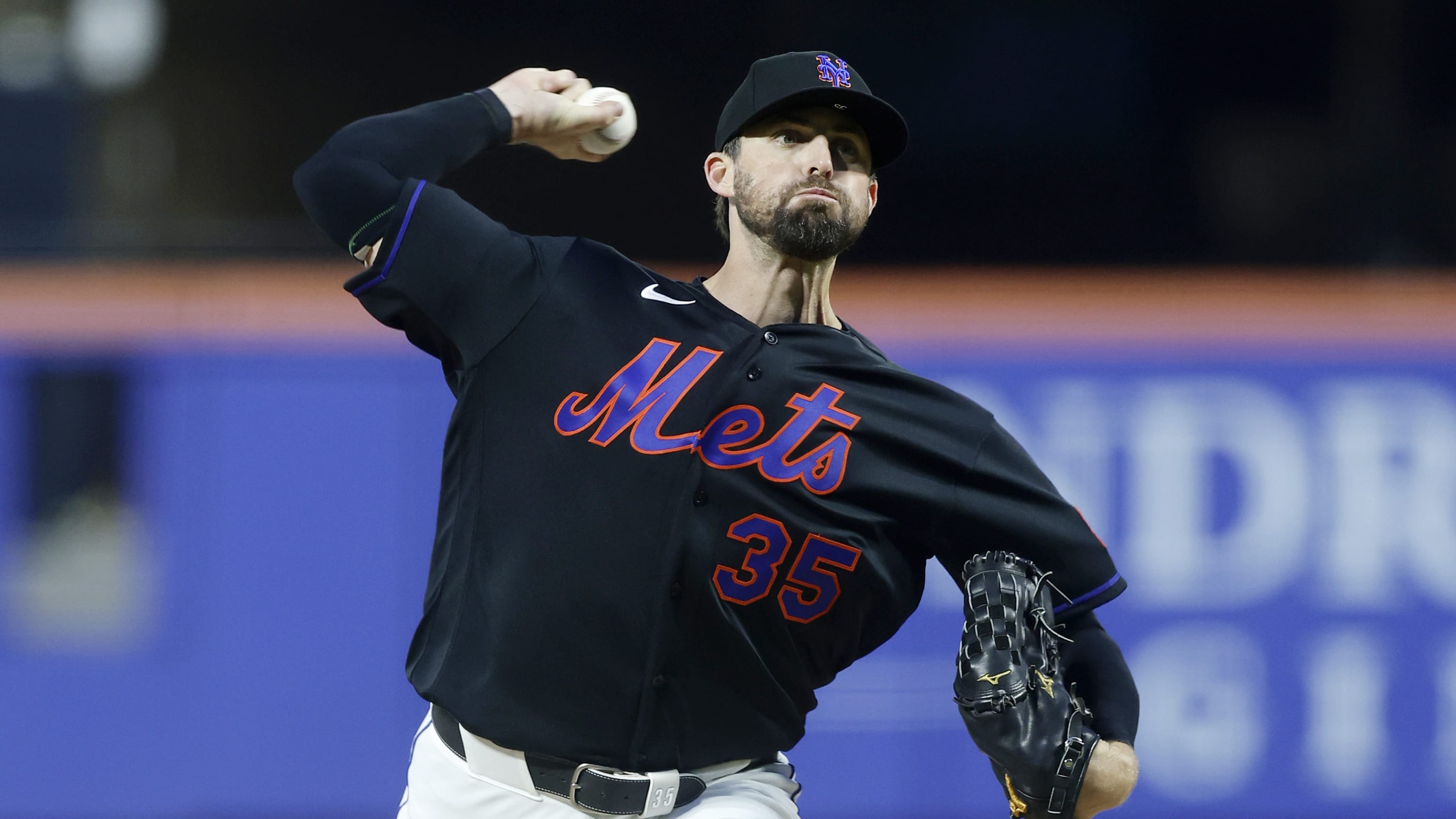
For fans, the possibility of a trade between division rivals adds an extra layer of intrigue to an already compelling NL East race. Every move has the potential to shift the balance of power, making the stretch run even more exciting.
As the trade deadline approaches, all eyes will be on the Mets and their potential willingness to deal key players. Whether or not Holmes ultimately ends up in Philadelphia—or elsewhere—his situation will be one of the most closely watched storylines in the league.
NEWS: Angels officially make special roster move to solidify bullpen
In the end, the Phillies’ pursuit of a division title could hinge on their ability to capitalize on opportunities like this. If they are able to acquire the right pieces and continue their strong play, they could very well close the gap on the Braves and emerge as champions of the NL East.
And if that path happens to include a rare trade with a division rival, it would only add to the drama and unpredictability that have defined this season in one of baseball’s most competitive divisions.

Be the first to comment