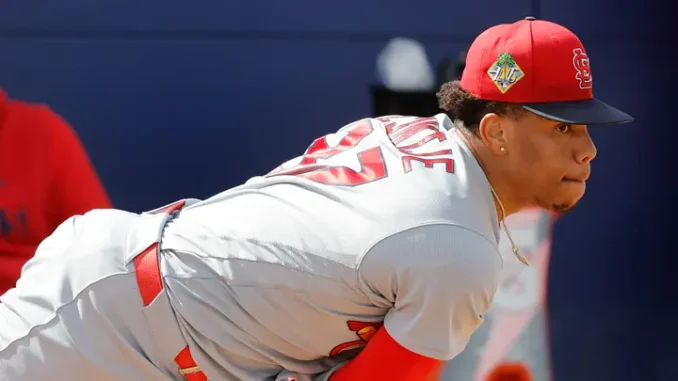
The St. Louis Cardinals made a series of bold roster decisions that clearly signaled a long-term organizational shift. Rather than holding on to established veterans, the front office committed to reshaping the team by prioritizing younger, controllable pitching talent. This strategy became evident through multiple high-profile trades that reshaped both the major league roster and the farm system.
One of the most notable moves involved sending veteran catcher Willson Contreras and experienced starter Sonny Gray to the Boston Red Sox. In return, St. Louis focused on acquiring a package centered around pitching depth and upside. The deal brought back Hunter Dobbins, Yhoiker Fajardo, Blake Aita, Brandon Clarke, and Richard Fitts—arms that collectively represent a mix of developmental potential and long-term cost control.
This type of return underscores the Cardinals’ emphasis on building a sustainable pipeline of pitching rather than relying on expensive, aging talent. The inclusion of multiple pitchers instead of a single headline name also suggests a strategy rooted in volume and probability—giving the organization several chances to develop contributors rather than betting everything on one prospect.
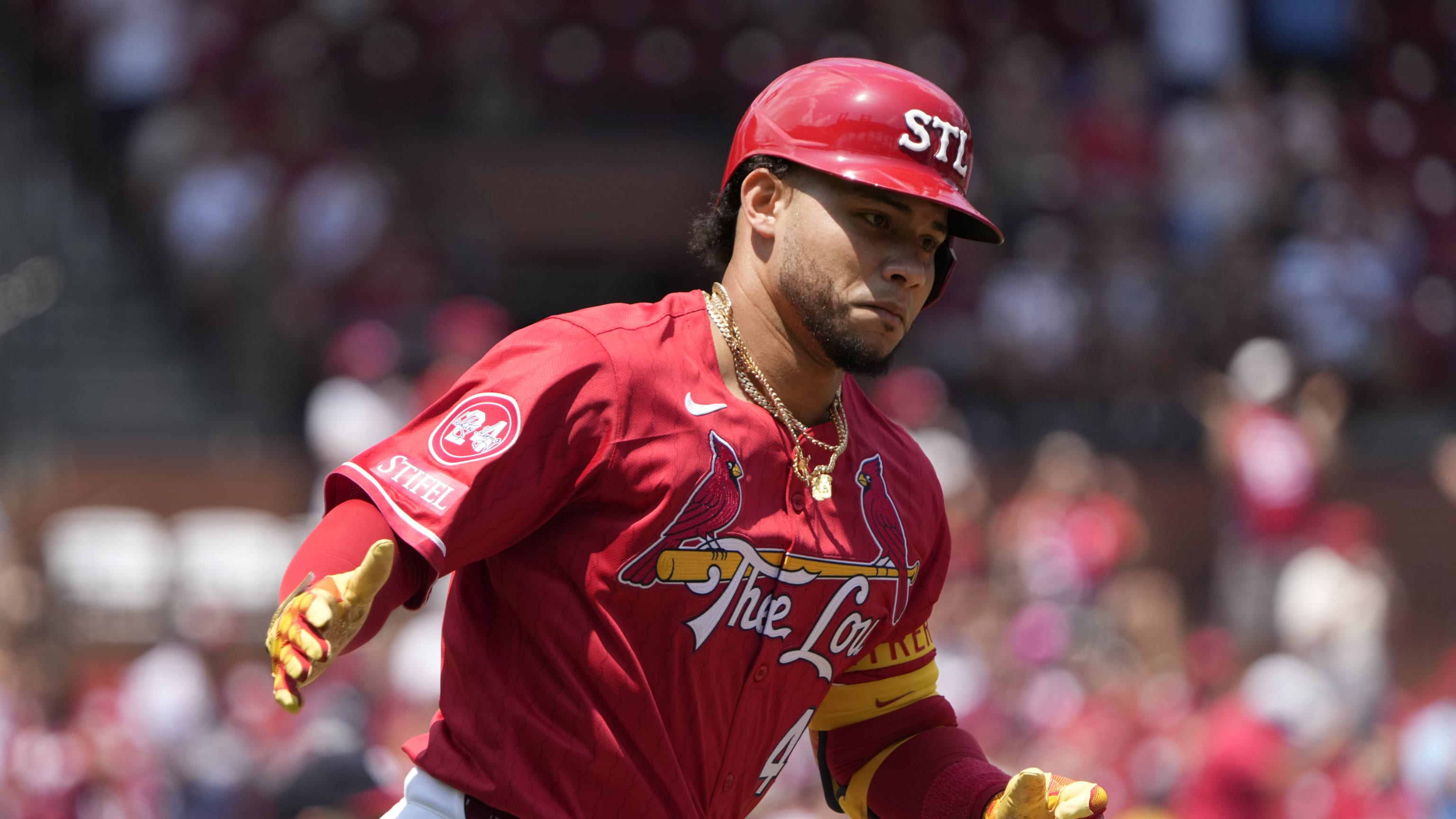
Another key transaction came when the Cardinals parted ways with star third baseman Nolan Arenado in a deal with the Arizona Diamondbacks. In exchange, St. Louis received 23-year-old pitcher Jack Martinez. While this return may not have carried the same immediate attention as other blockbuster trades, it still aligned with the club’s broader vision. Martinez represents the type of young, controllable arm that fits into a rebuilding or retooling timeline, reinforcing the organization’s desire to stockpile pitching talent that can develop internally.
However, the most impactful and widely discussed move was the trade that sent Brendan Donovan to the Seattle Mariners as part of a multi-team deal. Donovan, a versatile and productive player, had become an important piece of the Cardinals’ lineup, making his departure particularly significant.
MORE: Cardinals quietly make another crucial roster move
In exchange, St. Louis secured a substantial return that included multiple prospects and valuable draft capital. According to reports, the Cardinals received outfield prospects Tai Peete and Colton Ledbetter, along with two Competitive Balance Round B selections and highly regarded pitching prospect Jurrangelo Cijntje. (MLB.com)
This trade stood out not only because of Donovan’s value but also because of the centerpiece of the return: Cijntje. Known for his rare ability as a switch-pitcher earlier in his development, Cijntje has drawn considerable attention across baseball for his unique skill set and upside.
By the time of the trade, he had already established himself as a top-tier prospect, even earning a spot on MLB Pipeline’s Top 100 list. (MLB.com) His addition instantly elevated the Cardinals’ farm system and gave the organization a potential frontline arm to build around in the future.

Beyond Cijntje, the inclusion of Peete and Ledbetter added further depth and versatility to the Cardinals’ prospect pool. Peete, a young and toolsy outfielder, brings athleticism and upside, while Ledbetter offers a more polished offensive profile. Together with the additional draft picks, the Cardinals significantly expanded their ability to shape their future roster through both player development and amateur acquisitions.
Taken as a whole, these moves highlight a clear philosophical shift. The Cardinals were willing to sacrifice proven major league production in exchange for long-term upside and financial flexibility. This approach mirrors strategies seen across Major League Baseball, where teams increasingly prioritize building through young talent, particularly pitching, due to its scarcity and high value.
MORE: Braves officially reward JR Ritchie’s strong outing with demotion in exchange for familiar face
It’s also worth noting that this transition reflects a broader organizational reset. Reports have indicated that St. Louis had already been moving toward a youth-focused model, dealing away key veterans as part of a deliberate effort to retool the roster and create a new competitive window. (SI) By acquiring multiple prospects in each deal, the Cardinals are effectively diversifying their future assets, increasing the likelihood that at least some will develop into impactful major league contributors.
In essence, the Cardinals’ recent trades can be viewed as a coordinated effort to rebuild their pitching infrastructure while maintaining flexibility for future moves. Instead of relying on high-priced veterans, the organization is betting on its ability to identify, develop, and maximize young talent. While this strategy carries inherent risk—prospects are never guaranteed to succeed—it also offers the potential for sustained competitiveness if even a portion of these players reach their ceilings.
Ultimately, the Cardinals’ decision to move on from players like Contreras, Gray, Arenado, and Donovan marks the end of one era and the beginning of another. By accumulating a wide array of young pitchers and prospects, the team has positioned itself for a future built on development, depth, and long-term planning rather than short-term gains.
The Cardinals Prospect Is Finding His Way
Through the early portion of the season, Jurrangelo Cijntje’s overall numbers at Double-A Springfield may not immediately stand out in a positive way. Across his first 16 starts, the 23-year-old has posted an earned run average slightly above five, a figure that might suggest inconsistency or struggles on the surface.
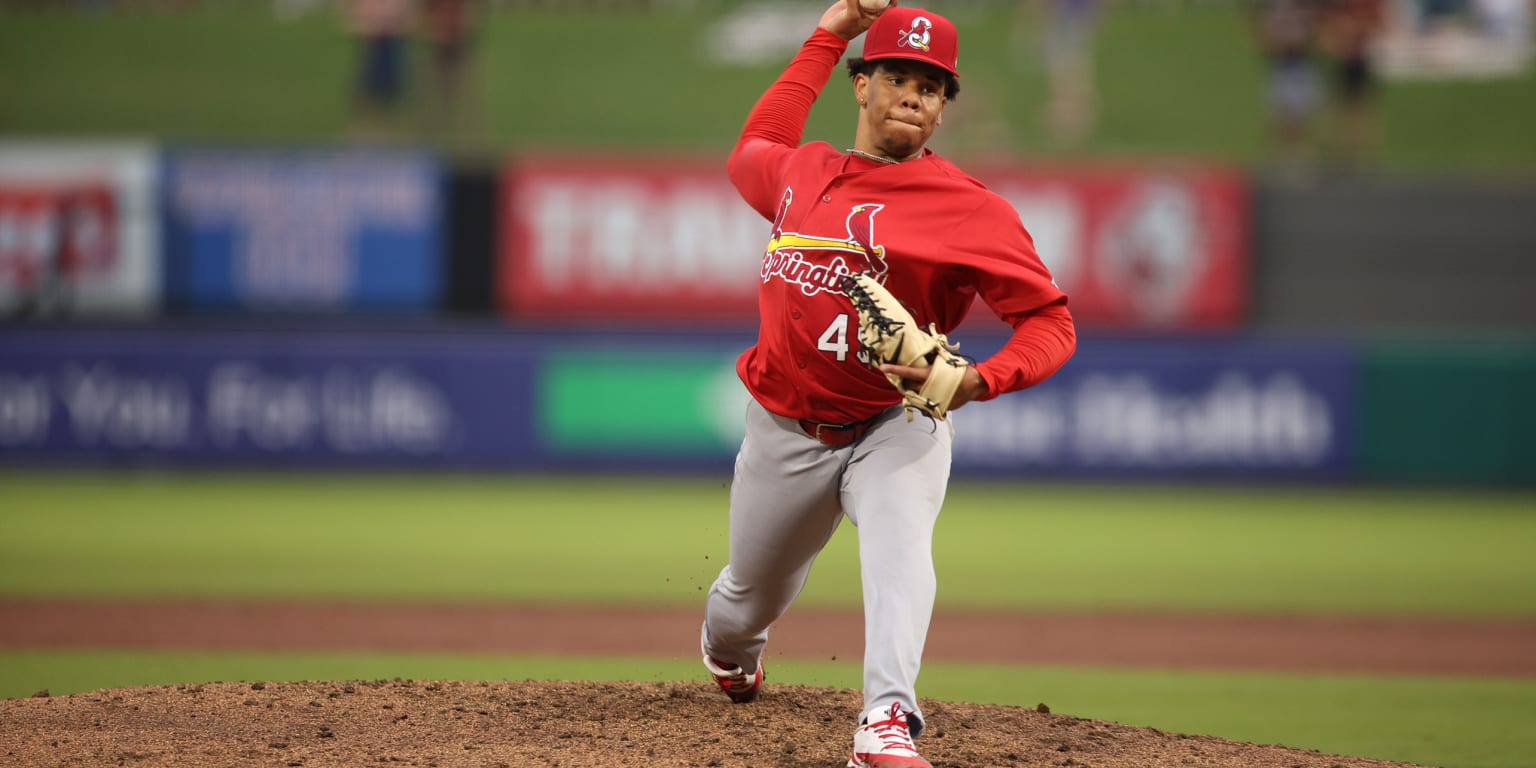
However, that single statistic fails to capture the full picture of his development and performance throughout the year. A deeper look reveals a pitcher who has steadily improved, adjusted, and begun to show the traits that made him such a highly regarded prospect.
Cijntje’s season can largely be divided into two distinct phases: a difficult start and a much more encouraging stretch that followed. Early on, he encountered some challenges adapting to the level, as evidenced by a 6.03 ERA through his first seven outings. During that stretch, command issues and occasional lapses in execution led to elevated pitch counts and run totals.
MORE: Angels officially make special roster move to solidify bullpen
For many young pitchers—especially those still refining their repertoire and approach—this type of adjustment period is not unusual. Double-A is often considered one of the most significant jumps in the minor leagues, where hitters are more disciplined and capable of capitalizing on mistakes.
Since that rough opening stretch, though, Cijntje has shown noticeable progress. Over his next nine starts, his ERA dropped to 4.60, reflecting a more consistent and controlled presence on the mound. More importantly, the way he has allowed runs tells a more nuanced story. In those nine appearances, he has surrendered more than three runs in a game just twice.
Those two outings—one in mid-June where he gave up five runs and another later in the month when he allowed six—account for a significant portion of the damage against him. In fact, those two starts alone represent half of the total runs he has allowed during that span.
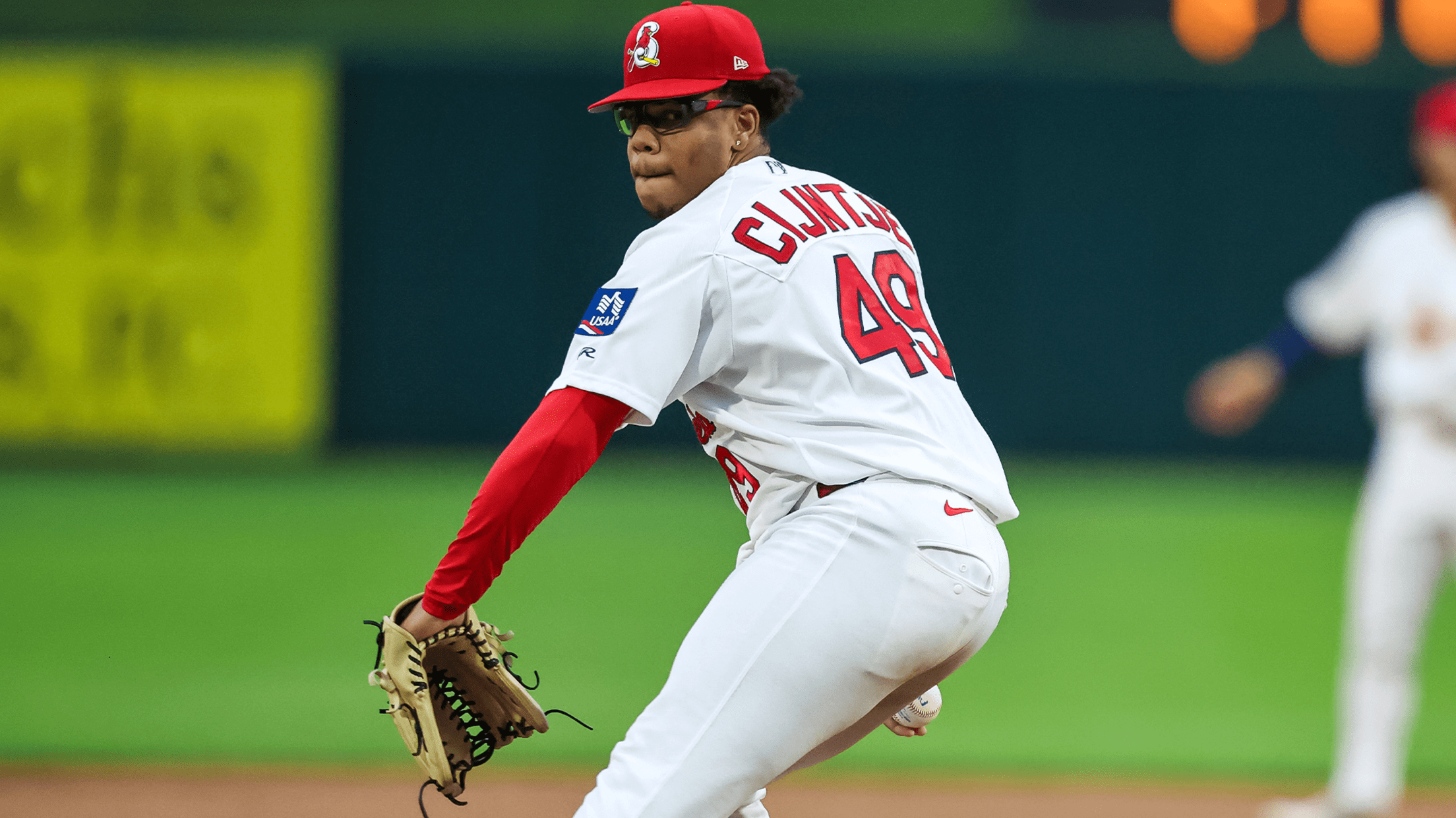
Outside of those two difficult performances, Cijntje has largely kept opposing lineups in check. This level of consistency is often a stronger indicator of future success than overall ERA, as it demonstrates the ability to make adjustments and limit damage across multiple outings. For a young pitcher still refining his craft, reducing the frequency of big innings is a critical step forward.
One of the clearest signs that Cijntje is beginning to settle into a rhythm came during his outing on July 4. In that start, he delivered one of his most impressive performances of the season, throwing six shutout innings against the Arkansas Travelers. He allowed only a handful of hits while striking out nine batters, showcasing both his ability to miss bats and his improved command within the strike zone. Performances like this highlight the ceiling that evaluators have long seen in him.
MORE: Braves Officially Make Special Roster Move “Earlier-Than-Normal”
Beyond the basic stat line, the underlying metrics from that outing further emphasize his effectiveness. He generated a high number of swinging strikes, an indicator that his pitches were both deceptive and well-located. The ability to consistently induce whiffs is a key trait for any successful pitcher, particularly at higher levels of competition where contact quality tends to improve.
Additionally, he demonstrated his unique versatility by pitching to hitters from both sides, a rare skill that continues to set him apart from other prospects. Cijntje’s ability to throw with both arms adds another layer of complexity for opposing hitters and gives him a distinctive developmental path compared to traditional pitchers.
It’s important to remember that fluctuations in performance are a normal part of the development process for pitching prospects. Even highly touted players often experience uneven stretches as they experiment with pitch mixes, refine mechanics, and adjust to more advanced hitters. In Cijntje’s case, those early struggles appear to have been part of that natural progression rather than a cause for long-term concern.
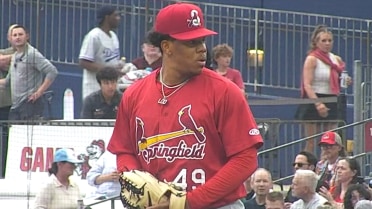
Looking more closely at his recent body of work, the trends are encouraging. Since mid-May, he has taken the mound nine times and has generally limited opponents’ scoring opportunities. Allowing more than three runs in only two of those starts suggests that he has found a more reliable baseline level of performance.
Furthermore, his ability to consistently generate strikeouts has remained a strength throughout this period. He has recorded at least five strikeouts in the majority of those outings, and in several starts, he has reached or exceeded seven punchouts. This ability to miss bats is often one of the strongest indicators of a pitcher’s potential to succeed at higher levels.
MORE: Cubs quietly land Cardinals’ first-round pick
The consistency in strikeout production also reflects improvements in both his pitch quality and sequencing. As pitchers develop, learning how to set up hitters and effectively mix pitches becomes just as important as raw stuff. Cijntje appears to be making strides in this area, as evidenced by his ability to maintain solid strikeout numbers even when facing more experienced hitters.
Another factor worth noting is how he has handled adversity within games. Early in the season, a single mistake could sometimes snowball into larger innings. More recently, however, he has done a better job of limiting damage and resetting after giving up hits or walks. This type of composure is essential for pitchers aiming to climb the minor league ladder and eventually contribute at the major league level.
Taken together, these developments suggest that Cijntje is beginning to find his footing. While his overall ERA may still reflect the early-season struggles, his recent performances paint a picture of a pitcher who is trending in the right direction. The combination of improved consistency, strong strikeout ability, and flashes of dominance indicates that he is starting to translate his raw talent into more reliable results on the mound.
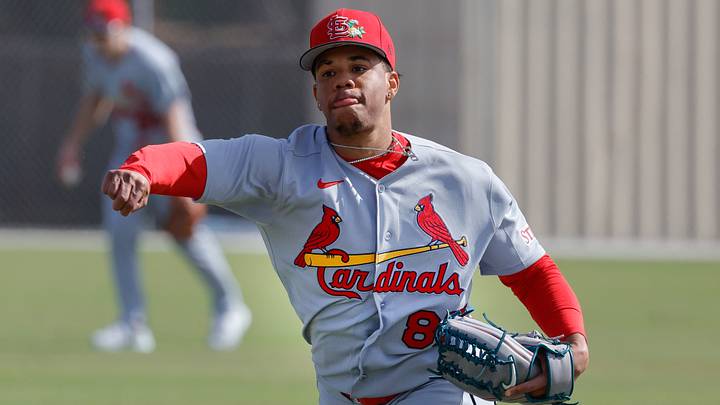
If this upward trajectory continues, it would not be surprising to see him earn a promotion in the near future. Advancing to Triple-A would present a new set of challenges, including facing hitters with even greater experience and discipline. However, based on his recent progress, he appears to be moving closer to that next step in his development.
Ultimately, evaluating a young pitcher requires looking beyond surface-level statistics and considering the broader context of their performance. In Cijntje’s case, the story of his season is not defined by a single number but by the steady improvements he has made over time. His ability to adapt, refine his approach, and deliver stronger outings as the season progresses is an encouraging sign for both his future and the organization that is investing in his development.
As the season unfolds, the key will be maintaining this level of consistency while continuing to build on his strengths. If he can do that, the early struggles will become little more than a footnote in what could develop into a very promising career trajectory.

Be the first to comment