The Boston Red Sox approached this past offseason with a clear strategy: use their deep farm system to make impactful upgrades through trades rather than relying heavily on free agency. Armed with one of the more robust collections of prospects in baseball, Boston was well-positioned to deal from strength, and they did exactly that.
Much of their activity centered on negotiations with the St. Louis Cardinals, who have emerged as one of Boston’s most frequent trade partners in recent months. Among those moves, the acquisition of Sonny Gray stood out as the first major transaction engineered by chief baseball officer Craig Breslow during the winter.
When the deal was first announced, reactions among Red Sox supporters were mixed. Breslow had publicly emphasized his desire to land a high-end arm — someone capable of slotting near the top of the rotation and stabilizing the pitching staff.
While Gray has long been respected around the league for his consistency and competitiveness, some fans questioned whether he truly fit the mold of a No. 2 starter on a team with postseason aspirations. Skepticism lingered about whether Boston had done enough to elevate the front of its rotation.

As the offseason progressed, however, the broader vision began to take shape. Pairing Gray with Ranger Suárez significantly strengthened the top half of the Red Sox’s starting staff. Gray brings veteran savvy, postseason experience, and a track record of durability when healthy.
Suárez, meanwhile, adds a different look — a left-handed presence with the ability to generate weak contact and keep opposing hitters off balance. Together, they form a complementary duo that gives Boston much-needed stability and balance. Instead of relying on a single ace to carry the load, the Red Sox now feature multiple arms capable of anchoring the rotation on any given night.
MORE: Orioles reportedly outbid Diamondbacks, Padres, Cubs for $13M young arm to complete its rotation
Still, the Gray acquisition came with important considerations. Boston will only control him for one season, as his current contract runs through the conclusion of the 2026 campaign. That limited window increases the urgency of maximizing his impact immediately. The Red Sox are essentially betting that one strong year from a proven veteran is worth the long-term cost they surrendered in the deal.
That price included right-hander Richard Fitts and highly regarded pitching prospect Brandon Clarke. Fitts had carved out a useful role in Boston’s organizational depth chart. While he may not have projected as a frontline starter, he proved reliable when called upon and offered flexibility as a spot starter or multi-inning reliever.
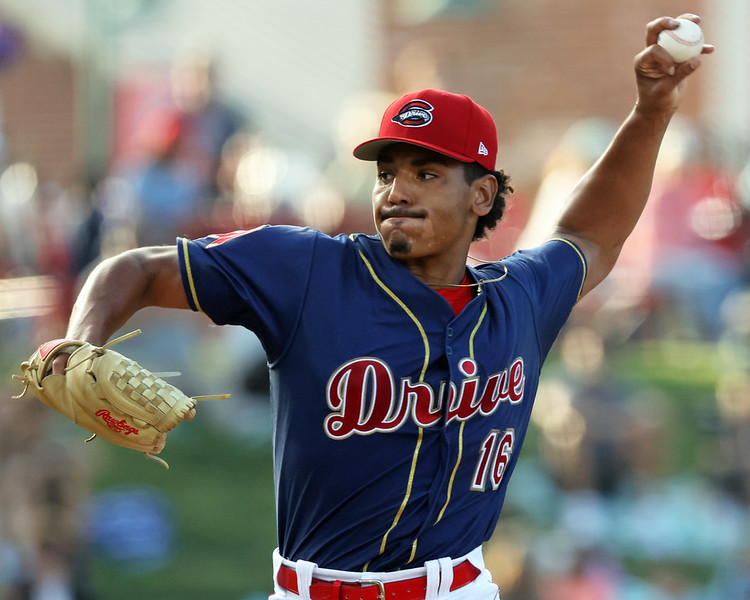
Beyond his on-field contributions, he also became something of a clubhouse favorite. Teammates appreciated his energy and personality, particularly his enthusiastic participation in the dugout’s lighthearted celebrations. Losing Fitts meant saying goodbye to both steady depth and a positive clubhouse presence.
The departure of Clarke drew even more emotional reactions from fans. At just 22 years old, the hard-throwing left-hander represented one of the more exciting arms in the Red Sox pipeline. His fastball velocity and strikeout potential hinted at significant upside, and many observers envisioned him developing into a key contributor at the major league level within a few years. Trading a young pitcher with that kind of ceiling is never easy, particularly for a fan base that has watched several homegrown arms flourish in the past.
However, developments since the trade may suggest that Boston’s timing was fortuitous. According to reporting from Brian Walton of Cardinal Nation, Clarke recently underwent surgery to address a shoulder aneurysm. The procedure was reportedly successful, but it will keep the young left-hander sidelined until at least June. Shoulder-related issues are always concerning for pitchers, especially those whose game relies heavily on velocity and power. Even with a positive prognosis, any extended absence can slow a prospect’s development and introduce uncertainty into his trajectory.
MORE: Angels officially add more depth
From Boston’s perspective, this news adds another layer to the evaluation of the trade. While no team would ever wish injury upon a former player, the reality of baseball is that health risk plays a significant role in roster construction. Pitching prospects, in particular, carry inherent volatility. By moving Clarke when they did, the Red Sox avoided assuming the medical risk and instead secured a proven major league starter to help them compete immediately.
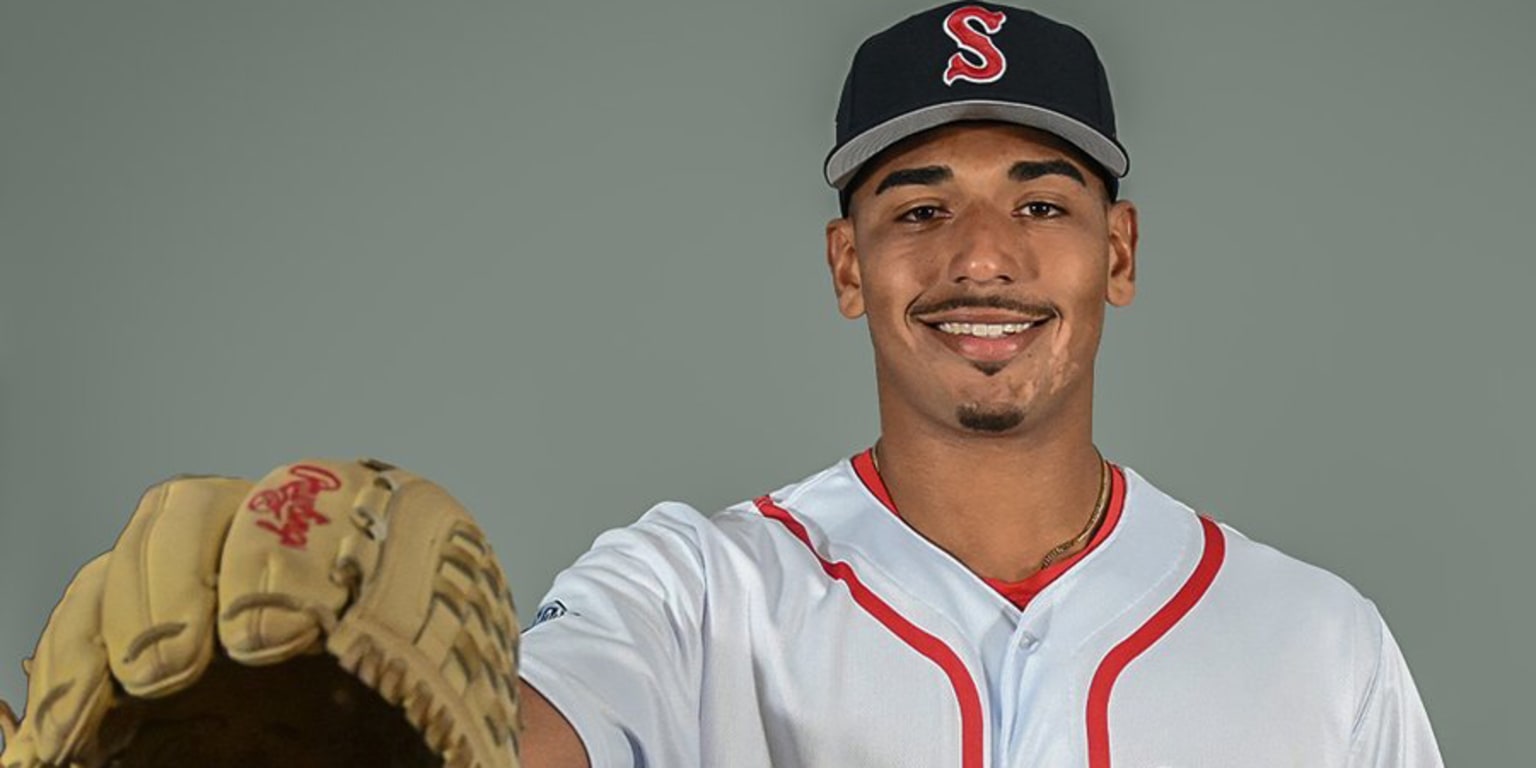
That doesn’t mean the trade was without sacrifice. Clarke still possesses considerable talent, and if he returns healthy and reaches his potential, the Cardinals could ultimately benefit in the long term. Likewise, Fitts may find opportunities in St. Louis that further his career. Trades of this magnitude are rarely judged in the short term alone; their full impact often takes years to unfold.
For Boston, though, the calculus appears straightforward. The organization is attempting to balance present competitiveness with sustainable development. Leveraging prospect depth to address major league needs reflects confidence in the strength of their farm system. Even after parting with Clarke and Fitts, the Red Sox maintain a pipeline capable of producing future contributors.
Ultimately, the Gray trade exemplifies Breslow’s measured but assertive approach in his first full offseason at the helm. Rather than making splashy free-agent signings that would require lengthy financial commitments, Boston opted to use its surplus of young talent to acquire targeted upgrades. Gray and Suárez now stand as cornerstones of a rotation that looks far more formidable than it did at the end of last season.
Whether this strategy yields immediate postseason success remains to be seen. But the Red Sox have clearly signaled their intent to compete now, even if it means making difficult decisions about beloved players and promising prospects. In the ever-evolving landscape of Major League Baseball, calculated risks are often necessary. For Boston, betting on a veteran like Gray — while parting with potential — reflects a franchise determined to take its next step forward.
The Red Sox traded Brandon Clarke to the Cardinals at the right time as he sustains another injury
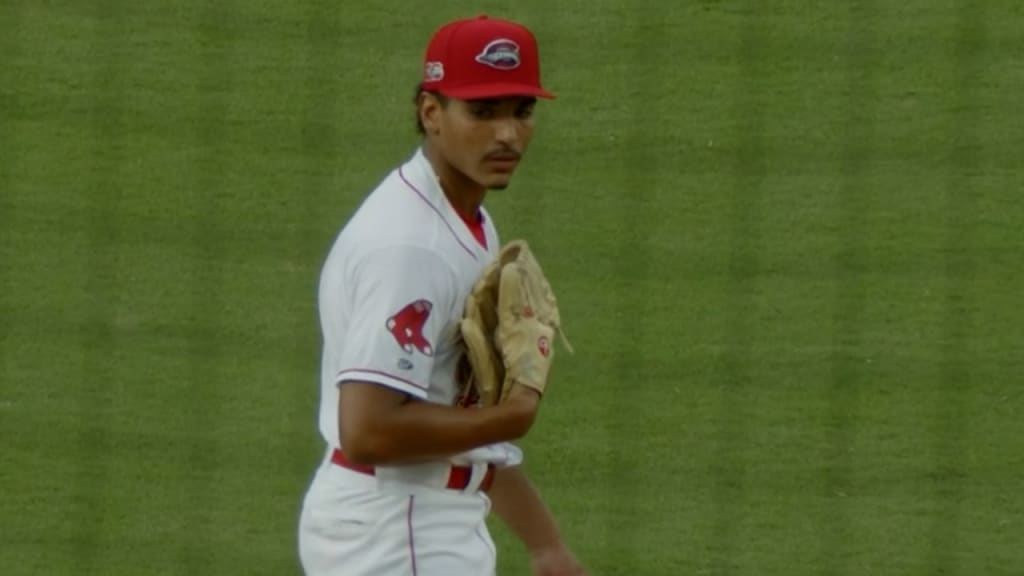
Clarke is set to miss the entire first half of what would have been his debut season with the Cardinals, a stretch that mirrors the kind of time he likely would have lost had he remained with the White Sox organization. Injuries limited him to just 38 innings last season, as he battled persistent blister issues that repeatedly interrupted his availability and rhythm.
Unfortunately, those blisters represent only a small part of a much longer and more concerning medical track record. Given the pattern of physical setbacks that have followed him, it’s understandable why Boston’s front office may have felt uneasy about his long-term reliability and decided to move on when they did.
His injury history dates back several years and includes significant procedures that would test the durability of any young pitcher. In 2019, Clarke underwent Tommy John surgery, a major operation that requires a lengthy rehabilitation process and often keeps pitchers sidelined for more than a year. While many arms successfully return from the procedure, it still adds mileage and uncertainty to a player’s development timeline.
As if that weren’t enough, he later required surgery to address thoracic outlet syndrome, a condition that can impact nerves and blood vessels between the neck and shoulder. Thoracic outlet syndrome has proven particularly troublesome for pitchers, as it can affect arm strength, command, and overall performance. Before he even threw a pitch in professional baseball, he also suffered a stress fracture in his shoulder — yet another significant issue involving one of the most critical areas for a pitcher’s mechanics and durability.
MORE: Bryce Harper Sounds Off On Phillies Organization In Infuriated Rant
Despite these red flags, Boston selected Clarke in the 2024 MLB Draft, betting on his upside and arm talent. However, his medical setbacks delayed his progress once again. He didn’t make his organizational debut until the following season, costing him valuable innings and slowing his overall development.
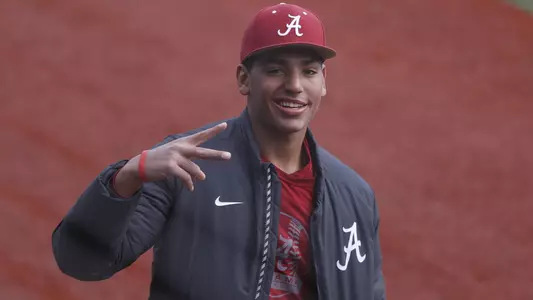
For young pitchers, those early professional frames are essential for refining mechanics, building stamina, and learning how to navigate lineups multiple times. Clarke’s inability to log consistent innings has left him playing catch-up compared to other arms in his draft class and within the organization.
Health concerns aren’t the only area where improvement is needed. Even when Clarke has been available, his performance has shown that he remains a work in progress. His command, in particular, requires refinement.
He has struggled at times to consistently locate his pitches within the strike zone, and lapses in command can quickly turn promising outings into short, inefficient ones. For a pitcher hoping to develop into a reliable starter, command is non-negotiable. Without the ability to throw quality strikes and control counts, it becomes difficult to work deep into games or maintain consistent results.
In addition to tightening his command, Clarke will need to expand and polish his pitch mix if he is to remain on a starter’s trajectory. While his fastball can reach triple-digit velocity at its peak, pure speed alone has not translated into consistent swing-and-miss results.
Hitters have been able to make contact more often than expected given the radar readings, suggesting that the pitch may lack optimal movement, deception, or command. Velocity is a valuable tool, but without complementary offerings and precise location, it can be neutralized at higher levels.
His slider currently stands out as his most effective secondary pitch. It has shown flashes of sharp movement and the potential to generate swings and misses, making it a legitimate weapon when executed properly.

However, like much of his overall game, it lacks consistent execution. With further development and repetition, the slider could evolve into a true out pitch, but that growth will require time and stable health — two elements that have eluded him thus far.
MORE: “Absolutely Sad” Cardinals shared heartbreaking news regarding reliever Riley O’Brien
Given the Red Sox’s considerable pitching depth throughout their system, Clarke gradually became less central to their long-term plans. Organizations with a surplus of arms often have the flexibility to move on from high-risk prospects, especially those whose development timelines are clouded by recurring injuries. With other pitchers progressing more steadily and staying healthier, Clarke’s standing in the pecking order slipped.
As things stand, he is expected to begin the upcoming season at the High-A level, the same level where he concluded the previous year. That placement underscores how much ground he still needs to cover. From High-A, he would need to climb through Double-A and Triple-A before realistically entering the major league conversation.
Each step up the ladder presents stiffer competition, more disciplined hitters, and greater demands on command and pitch sequencing. For someone with limited innings under his belt and a history of physical setbacks, that ascent could take considerable time.
Considering his track record of injuries, it would not be surprising if his path to the majors stretches another season or two — perhaps even longer. Development is rarely linear for pitchers, and for Clarke, it has been especially fragmented. Boston’s front office likely weighed the risks of waiting for him to regain full health and refine his skill set against the opportunity to extract value now. In that context, their decision becomes easier to understand.
By trading Clarke before another potential injury further diminished his value, the Red Sox effectively capitalized on his remaining upside. Rather than risk seeing his stock decline due to another medical setback or stalled development, they chose to act decisively. In hindsight, the trade involving Gray appears increasingly shrewd under the leadership of Breslow. Moving a talented but fragile prospect at a moment when his value was still intact may prove to be a forward-thinking decision that strengthens the organization in both the short and long term.

Be the first to comment