
When the New York Rangers return to the ice at Madison Square Garden to face the Calgary Flames on Tuesday night, one notable absence will continue for a fourth straight game. Forward J.T. Miller will remain out of the lineup as he continues recovering from an upper-body injury. However, despite missing another game, there was a positive sign for the Rangers earlier in the day, as Miller made meaningful progress in his rehabilitation process.
The veteran center took an encouraging step forward when he joined teammates on the ice during the club’s optional morning skate. It marked the first time since being placed on injured reserve the previous week that Miller participated in a team activity on the ice. Though he was not cleared to play in the matchup against Calgary, his presence at the skate suggested that his recovery is moving in the right direction and that his return to the lineup may not be too far away.
First On-Ice Session With Teammates Since Injury
Prior to Tuesday’s skate, Miller had been working separately from the main roster while recovering from the injury. Much of his recent rehabilitation involved individual sessions with members of the Rangers’ skills coaching staff. These workouts were designed to help him regain conditioning and ensure that he could move comfortably without aggravating the injury.
Head coach Mike Sullivan spoke to reporters following the morning skate and provided a brief but optimistic update on the captain’s condition. According to Sullivan, the coaching staff has been encouraged by what they have seen during Miller’s rehab sessions.
“Pretty well,” Sullivan said when asked how Miller’s recovery is progressing.
He elaborated that Miller had been skating independently for several days with the team’s skills coaches before finally joining the group session. While the practice was optional and relatively light, it represented an important milestone in the recovery timeline.
“He’s had several skates on his own with our skills guys,” Sullivan explained. “Today he joined the group, which is obviously a good sign and indicates that he’s making progress.”
Gradual Return to Full Activity
Although Miller’s return to practice with the team is a positive development, it does not necessarily mean he will be back in game action immediately. The Rangers’ coaching and medical staff are taking a cautious approach, ensuring that the 32-year-old forward regains full strength before returning to contact situations.
When Sullivan was asked how long it might be before Miller resumes contact drills, he declined to offer a specific timeline but suggested that the wait might not be long.
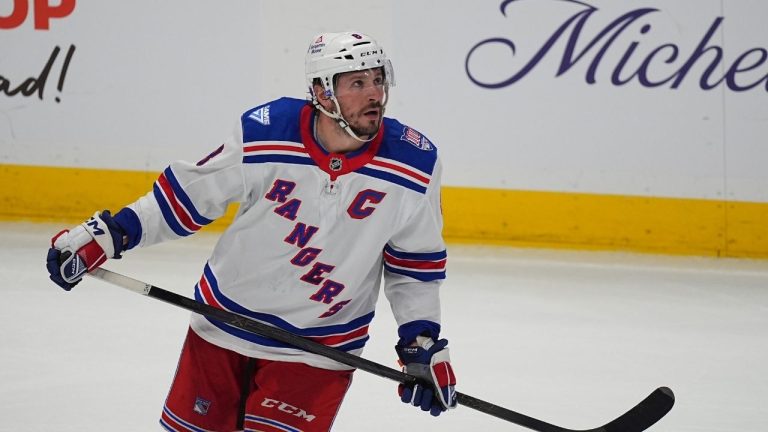
“We’re going to take it day by day,” Sullivan said. “But I would expect that it’s going to be sooner rather than later.”
MORE: Red Wings To Land $6.5 Million Marquee Defensemen After Missing Out On Tyler Myers
The careful, incremental approach reflects the organization’s desire to avoid any setbacks. Injuries, particularly those involving the upper body, can easily worsen if a player returns too quickly. For that reason, the Rangers are prioritizing Miller’s long-term health rather than rushing him back into the lineup.
Details of the Injury Remain Unclear
The team has not publicly disclosed the exact nature of Miller’s current injury. However, the Rangers confirmed that it is unrelated to a previous upper-body issue that forced him to miss time earlier in the season.
That earlier injury kept Miller out of the lineup for seven games between December 21 and January 5. After recovering from that setback, he returned to action and resumed his role as a central figure in the Rangers’ forward group.
Because the latest injury occurred relatively suddenly, the exact moment when Miller was hurt remains somewhat unclear. What is known is that he had been playing regularly prior to being placed on injured reserve.
Recent Game Before Going on Injured Reserve
Miller’s most recent appearance came during a dramatic contest against the Columbus Blue Jackets on March 2. In that matchup, the Rangers staged an impressive comeback after falling behind by four goals. Ultimately, the game ended in a 5-4 overtime loss for New York, but the rally demonstrated the team’s resilience.
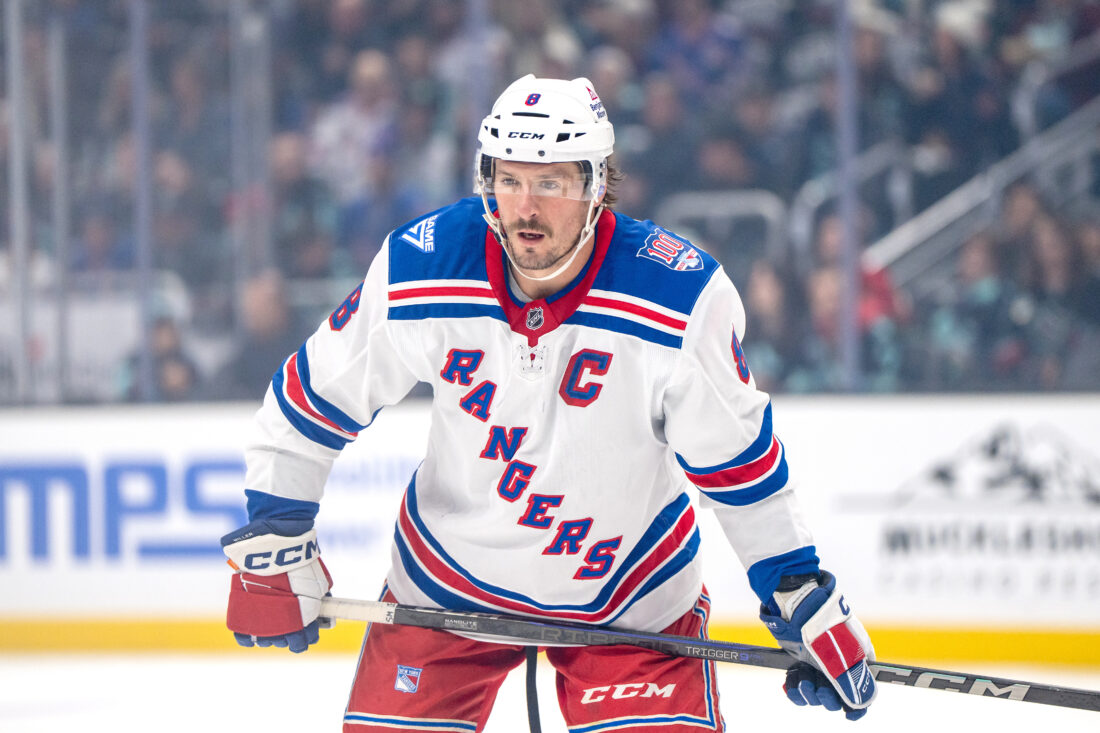
During that contest, Miller logged significant ice time. He played 19 minutes and 23 seconds and contributed offensively by assisting on a third-period goal scored by defenseman Will Borgen. The goal was part of the Rangers’ comeback effort that forced overtime after trailing heavily earlier in the game.
Following the loss, Miller spoke with members of the media and did not appear to be dealing with any obvious physical issues. He looked and sounded normal during the postgame interview, which made the news of his injured-reserve placement the next day somewhat surprising.
MORE: New York Rangers To Land Blockbuster Deal For $50M Free Agent To Replace Panarin
Nevertheless, the Rangers officially moved him to IR shortly afterward, sidelining him indefinitely while he recovered.
Olympic Participation Before Injury
Miller’s recent schedule had already been busy even before the injury occurred. Earlier in the year, he represented the United States in international competition at the Milan‑Cortina Winter Olympics. The tournament concluded successfully for the American team, which captured the gold medal.
After returning from the Olympic break, Miller rejoined the Rangers and immediately resumed his responsibilities with the club. He played in the first three games following the break and recorded two assists during that short stretch.
Those appearances showed that he was still capable of contributing offensively, even though the Rangers were struggling as a team during that portion of the season.
Challenging Season for the Veteran Forward
Despite his leadership role and offensive abilities, Miller’s 2025-26 campaign has been difficult. The season began with a lingering lower-body injury that limited him early on and prevented him from playing at full capacity.
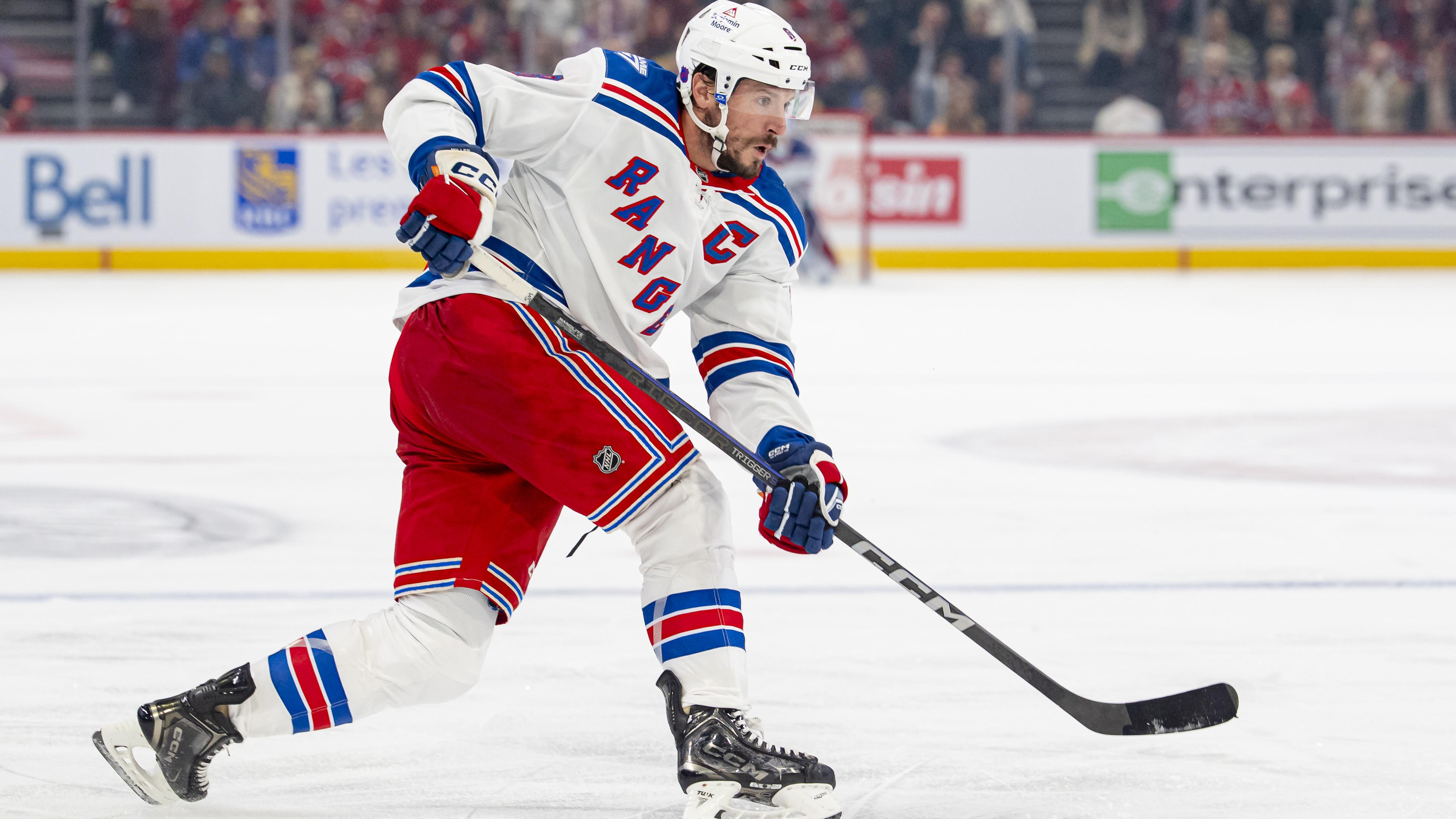
As the months progressed, Miller managed to stay in the lineup more consistently, but his overall production has been somewhat uneven compared to previous years. Through 51 games, the veteran forward has accumulated 38 points, consisting of 14 goals and 24 assists.
MORE: New York Rangers Intriguing Move Land Depth Forward
While those numbers still place him among the team’s top offensive contributors—ranking fifth in scoring—they do not fully reflect the challenges he has faced. Additionally, his plus-minus rating has been a significant concern. Miller currently holds a minus-24 rating, which is the lowest mark on the Rangers roster.
Plus-minus statistics can sometimes be influenced by team performance as much as individual play, and the Rangers have struggled defensively throughout the season. Nevertheless, the number highlights the difficulties the club has encountered while trying to stay competitive.
Rangers Showing Signs of Life After Break
Even though Miller has been unavailable recently, the Rangers have shown flashes of improvement since returning from the international break. The team has compiled a 3-1-2 record during that stretch, suggesting that they may be gaining momentum as the schedule progresses.
Their most recent game was particularly impressive. On Monday night, New York delivered a dominant performance against the Philadelphia Flyers, securing a convincing 6-2 victory.
The win energized the team and provided a rare moment of optimism in what has otherwise been a difficult season. Several players contributed offensively, and the Rangers displayed the kind of balanced attack that had been missing earlier in the year.
Playoff Hopes Fading
Despite that strong performance, the Rangers remain in a difficult position in the standings. With a record of 25 wins, 20 losses, and 8 overtime losses, the club currently sits at the bottom of the National Hockey League Eastern Conference.

Being last in the conference makes a playoff push extremely unlikely unless the team strings together a long run of victories in the coming weeks. As things stand, the Rangers appear headed toward missing the Stanley Cup Playoffs for the second consecutive season.
Such an outcome would be disappointing for a franchise with a proud history and a passionate fan base. The organization had hoped to return to contention this season, especially with experienced leaders like Miller anchoring the roster.
Importance of Miller’s Return
Given the Rangers’ current situation, Miller’s eventual return could still play a key role in how the remainder of the season unfolds. As team captain and one of the most experienced players on the roster, he brings leadership, physical play, and offensive creativity to the lineup.
MORE: Rangers Bad Contract Have Tough Decision To Make Regarding $68 Million Forward
His presence also stabilizes the forward group, providing a reliable option in both scoring situations and defensive assignments. When healthy, Miller often logs heavy minutes and plays in critical moments, including power-play opportunities and late-game scenarios.
For younger players on the roster, his leadership is equally valuable. Veterans like Miller help maintain morale during difficult stretches and provide guidance for teammates navigating the demands of a long NHL season.
Looking Ahead
For now, the Rangers will continue to monitor Miller’s progress carefully. The fact that he returned to the ice with teammates during Tuesday’s morning skate is an encouraging development, but several steps remain before he can rejoin the lineup.

If his recovery continues without setbacks, he could soon resume full practices and eventually participate in contact drills. Once those milestones are cleared, the Rangers’ medical staff will evaluate whether he is ready for game action.
Until then, New York will attempt to build on its recent momentum while hoping that its captain’s recovery stays on track. With the season entering its critical final stretch, any boost—particularly from a player of Miller’s caliber—could prove valuable.
While the Rangers’ playoff chances appear slim, the organization still hopes to finish the season on a strong note. Miller’s eventual return could provide a spark, both on the ice and in the locker room, as the team continues navigating a challenging campaign.


Be the first to comment