The Boston Red Sox entered the offseason with clear objectives and, by most measures, executed a thoughtful plan to address them. Chief among those priorities was fortifying a pitching staff that had been stretched thin in recent seasons. By adding three starting pitchers, Boston took meaningful steps toward stabilizing a rotation that too often relied on patchwork solutions.
The acquisition of Willson Contreras further underscored the front office’s intent to plug glaring gaps, particularly behind the plate, where consistency and leadership were badly needed. On paper, these moves have helped reshape the roster into something that looks far more competitive heading into the coming years.
But roster building is never a one-way street. Every addition comes with a corresponding subtraction, and while splashy signings tend to dominate headlines, the departures often linger quietly in the background. For a team that chose to allocate significant financial resources toward top-end free agents, it was almost inevitable that certain contributors—players who may not have been stars but nonetheless played meaningful roles—would be squeezed out. Some left via trades designed to balance the roster, while others simply walked away in free agency when Boston decided its money was better spent elsewhere.
This is where the real long-term questions begin to surface. Letting go of role players can be a calculated risk, especially when the belief is that younger, cheaper options can step in and provide similar production. Sometimes that gamble pays off handsomely. Other times, those departures slowly reveal themselves as costly miscalculations, particularly when injuries, regression, or unexpected underperformance expose the thin margins of a roster.
MORE: Orioles fans rake Mike Elias over the coals after Framber Valdez lands with Tigers
With that in mind, it’s worth taking a closer look at the players Boston has lost this winter and asking a difficult but necessary question: which of these exits might end up haunting the Red Sox in 2026 and beyond? This isn’t about rehashing the most obvious or painful hypotheticals, nor is it about second-guessing every move made by the front office. Instead, it’s an exercise in foresight—identifying the types of players whose value is often fully appreciated only after they’re gone.
Depth pieces, versatile defenders, and steady veterans rarely generate the same buzz as high-profile signings, but they often form the connective tissue of a successful team. When those players leave, the impact might not be immediately felt. Over time, however, their absence can show up in subtle but significant ways: a bullpen that suddenly lacks reliability, a lineup that struggles against certain matchups, or a clubhouse missing voices that once helped steady the ship during rough stretches.
The Red Sox, to their credit, have been disciplined in their approach. They resisted the urge to overpay in certain situations and instead focused on targeted improvements they believe will yield a higher ceiling. That philosophy is defensible, especially for a franchise that has experienced the pitfalls of bloated contracts in the past.
Still, discipline doesn’t guarantee immunity from regret. Baseball history is littered with examples of teams that made sound decisions in theory, only to watch former contributors flourish elsewhere while scrambling to replace what they once had.

As the organization looks ahead to the next competitive window, the importance of continuity cannot be overlooked. Development is rarely linear, and prospects don’t always arrive on schedule. In those transitional moments, the players who bridge the gap between eras often prove invaluable. Losing too many of them at once can create vulnerabilities that even the best-laid plans struggle to cover.
MORE: Orioles found their perfect utility infielder with Diamondbacks in 4-Player blockbuster Package
So, rather than focusing solely on who Boston added, it’s worth examining who they lost—and why those losses might matter more than they seem today. In the sections that follow, we’ll dive into three specific players whose departures, whether through free agency or other means, could end up being felt well beyond the upcoming season. These are not household names or obvious superstars, but their skill sets, reliability, and fit within the roster may turn out to be harder to replace than anticipated.
And just to be clear—this isn’t about reopening old wounds or dwelling on the most predictable talking points. Some topics have already been dissected to exhaustion, and revisiting them would serve little purpose. Instead, the focus here is on the quieter exits, the ones that didn’t dominate the news cycle but may ultimately shape the Red Sox’ fortunes in the years to come.
3 former Red Sox players who will thrive outside of Boston in 2026
Rob Refsnyder
One of the most emotionally difficult farewells for Red Sox fans this offseason came with the departure of Rob Refsnyder. Over the past four years, he had become a steady and familiar presence in Boston, someone who felt woven into the fabric of the team.
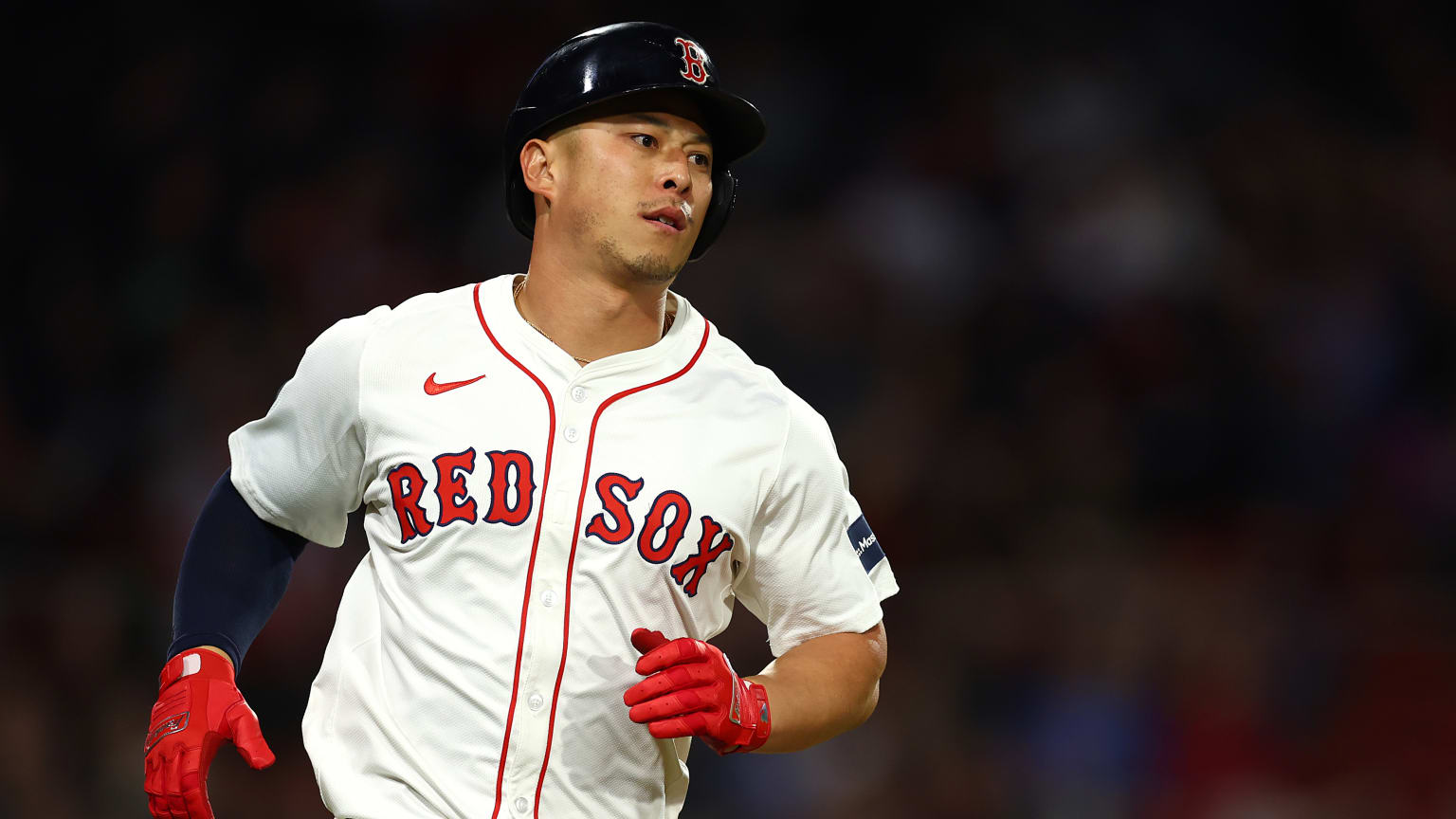
While he was never the flashiest name on the roster, Refsnyder earned deep appreciation from both teammates and fans alike. His impact went beyond box scores, as he was widely regarded as a positive, grounding influence in the clubhouse and a consummate professional who embraced his role without complaint.
On the field, Refsnyder carved out a very specific niche and executed it to near perfection. His reputation as a left-handed pitching specialist was well earned, and last season only reinforced that identity. Against southpaws, he was nothing short of elite, posting a 159 wRC+, a number that placed him among the most productive hitters in the league in those matchups.
MORE: Everything to know about SF Giants closer role as spring training nears
Boston consistently leaned on him in those situations, confident that he would deliver competitive at-bats and, more often than not, meaningful results. In a lineup that frequently struggled for consistency, Refsnyder’s ability to punish left-handed pitching provided balance and tactical flexibility.
Now, that dependable presence will be wearing a different uniform. Refsnyder has landed with the Seattle Mariners, another American League team with postseason aspirations, which only adds an extra layer of unease for Red Sox supporters. The thought of seeing him thrive elsewhere is bittersweet enough, but the reality that he could directly impact Boston’s fortunes makes the transition even harder to stomach. Seattle’s roster construction and competitive outlook suggest Refsnyder will once again find himself in important situations, potentially playing a key role for a team trying to push deep into October.
There is also a particularly uncomfortable baseball irony at play. Boston’s pitching staff features several prominent left-handers, including Garrett Crochet and Ranger Suárez, arms the team expects to lean on heavily. Refsnyder, of all people, is precisely the type of hitter who could cause them problems. The idea of him stepping into the batter’s box against a Red Sox lefty, calmly working a count before driving a pitch into the gap or over the fence, feels almost too cruel. His intimate familiarity with Boston’s tendencies, philosophies, and personnel only heightens the sense of looming danger.

Even beyond head-to-head matchups, there is an emotional challenge in watching a former fan favorite become beloved in another city. Seeing Refsnyder embraced by Mariners fans, hearing his name chanted in a different ballpark, and watching him celebrate in unfamiliar colors will inevitably sting. For many in Boston, he symbolized the kind of player fans love to rally around: hardworking, selfless, and quietly effective. Letting go of that connection is never easy, especially when the player leaves on good terms and without any lingering resentment.
Despite all of that, it is remarkably difficult to root against him. Refsnyder left behind nothing but positive memories, and his professionalism and humility made him easy to support regardless of the logo on his jersey. Red Sox fans may groan if he delivers a big hit against their team, but deep down, many will still feel a sense of pride watching him succeed. His journey serves as a reminder that baseball is, at its core, a business, even when the emotional bonds feel deeply personal.
MORE: Padres officially grab another intriguing attention in latest move
The hope, of course, is that Boston and Seattle never cross paths when the stakes are highest. A regular-season matchup is one thing, but the idea of facing Refsnyder in a playoff series carries a special kind of dread. The nightmare scenario is easy to imagine: a tense October game, late innings, and Refsnyder launching a clutch home run that somehow clears the Green Monster, this time to the delight of the opposing dugout. It is the sort of poetic twist baseball seems to enjoy far too much.
In the end, Refsnyder’s departure underscores both the pain and beauty of fandom. He will always be remembered fondly in Boston, not just for what he produced statistically, but for how he carried himself and embraced his role. While seeing him succeed elsewhere may be tough, it also serves as a testament to the mark he left behind. And even if Sox fans hope to avoid him at all costs in October, there will always be a part of them quietly cheering for him, wherever he plays.
Steven Matz
Steven Matz quietly turned into one of the more effective bullpen pickups at the 2025 trade deadline, even if his impact didn’t generate a ton of national buzz. After arriving in Boston, the veteran left-hander delivered excellent surface-level results, posting a sparkling 2.08 ERA while showing elite control. He walked only 2.4 percent of the batters he faced, an impressive figure that underscored how reliably he filled up the strike zone and avoided self-inflicted damage. Night after night, Matz found ways to navigate innings cleanly, keeping the Red Sox in games during crucial late-season moments.

That said, a deeper dive into the numbers paints a more complicated picture. Advanced metrics were far less enthusiastic about his performance, as evidenced by his -0.1 fWAR. His underlying indicators suggested that some regression might have been lurking beneath the surface, with peripherals that didn’t always match the outcomes. Still, baseball games aren’t decided by spreadsheets alone, and Matz consistently delivered the one thing Boston needed most down the stretch: outs. Even if the process wasn’t always pretty, the results were undeniably effective, making him a useful and, at times, stabilizing presence in the bullpen.
Given that performance, there was legitimate optimism within the organization—and among fans—that Matz might remain in Boston beyond the season. At 34 years old, he seemed like a reasonable short-term fit, especially for a team that values pitching depth and flexibility. However, those hopes were ultimately dashed when a familiar foe intervened.
MORE: Red Sox Handed Big Schedule Change For West Coast Road Trip
The Tampa Bay Rays, never shy about exploiting opportunities within the division, stepped in with a multi-year contract that proved too appealing for Matz to turn down. The security and commitment offered by Tampa Bay were enough to pull him away, even if it meant facing his former team multiple times a year.
What makes the move even more intriguing is Tampa Bay’s plan for Matz going forward. After spending several seasons working primarily out of the bullpen, he is expected to attempt a transition back into a starting rotation role.
It’s a bold gamble, but one that could pay significant dividends. If Matz proves capable of handling a starter’s workload again, the Rays may have secured a highly cost-effective rotation piece. Given their track record of maximizing pitching value, it’s easy to see why they believe this experiment could succeed, and why the contract could end up looking like a bargain in hindsight.

From Boston’s perspective, however, the sting of losing Matz goes beyond just his individual performance. His departure further thins an already depleted group of left-handed relievers. This offseason has seen the Red Sox part ways with Brennan Bernardino and Chris Murphy, while Justin Wilson’s future with the club remains uncertain.
As things currently stand, Jovani Morán is the only left-handed option in the bullpen aside from closer Aroldis Chapman. That lack of balance could become a real issue, particularly in high-leverage situations against lefty-heavy lineups.
MORE: Three Phillies with the Most at Stake in Spring Training After Lackluster Offseason
In that context, Matz’s value becomes even clearer. Even if he were deployed primarily as a matchup-based reliever or a situational lefty—essentially a high-end LOOGY—his presence would have provided much-needed reassurance late in games.
He could be trusted to neutralize tough left-handed hitters and bridge innings without drama. Losing him not only removes a dependable arm, but also amplifies concerns about bullpen construction and depth. For a team with postseason aspirations, that absence looms large, making Matz’s exit one of the more quietly impactful losses of the offseason.
Jhostynxon Garcia
Garcia ultimately became the most significant piece sacrificed in a classic high-risk, high-reward trade that brought starting pitcher Johan Oviedo to Boston. At the time, the move reflected a clear organizational gamble: give up long-term upside in exchange for immediate rotation help. Garcia, affectionately nicknamed “The Password” because of the difficulty of spelling his first name, was the headline prospect sent out, and there’s a very real chance that years from now he could be the reason this trade is remembered with regret—especially if he blossoms into a star with the Pittsburgh Pirates.
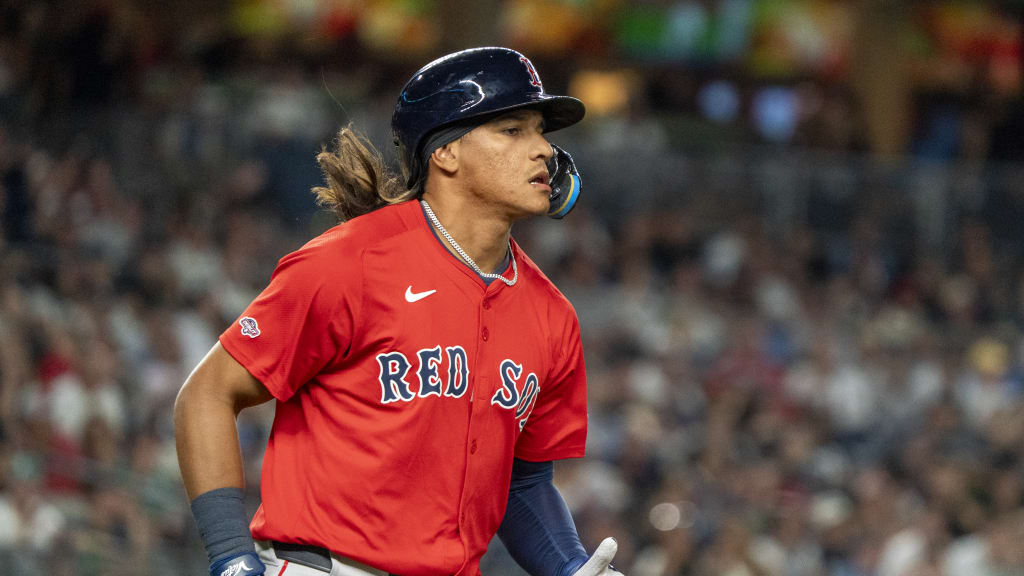
From a pure performance standpoint, Garcia had already done plenty to justify the lofty expectations placed on him. His minor league résumé is hard to poke holes in, particularly over the past two seasons. In 2025, he slashed a strong .267/.340/.470, pairing solid on-base skills with legitimate power.
Those numbers translated into 21 home runs and a 116 wRC+, a mark that comfortably places him above league average and reinforces the idea that his offensive game is built on more than just raw strength. He showed an ability to drive the ball consistently while still maintaining respectable plate discipline, a combination that tends to age well as hitters climb the ladder.
MORE: Braves Top Prospect Lose 2026 Roster Spot
If anything, Garcia’s 2024 campaign was even more eye-opening. That season, he launched 23 home runs and posted an absurd 149 wRC+, signaling not just promise, but dominance at his level. He wasn’t merely holding his own against minor league pitching—he was overwhelming it. That kind of production naturally fuels speculation about what his ceiling might be at the major league level. Scouts and analysts alike began to envision him as a potential fixture in the heart of a big-league lineup, someone capable of anchoring an offense and changing games with one swing.
Given that trajectory, it’s easy to see why Garcia is viewed as a possible future middle-of-the-order force. His blend of power, improving approach, and consistent production points toward a hitter who could one day threaten 30 home runs annually. Players with that profile don’t come cheaply, and they’re even harder to replace once they’re gone. If Garcia continues on this path and finds his stride in Pittsburgh, the long-term optics of the trade could quickly shift from understandable to painful for Boston.
That said, context matters, and the deal wasn’t made in a vacuum. At the time of the trade, the Red Sox roster was clearly imbalanced. Starting pitching was a glaring weakness, while the organization was flush with outfield talent, both at the major league level and in the pipeline. From that perspective, moving a high-upside outfielder to address a more urgent need made logical sense. Oviedo offered the kind of upside teams crave in a starter—durability, raw stuff, and the potential for a breakout that could stabilize the rotation for years.

If Oviedo does take that next step and establishes himself as a reliable, top-of-the-rotation arm, the trade could still be framed as a win for Boston, or at least a fair exchange. Pitching remains the most precious commodity in the sport, and landing a starter who can consistently give quality innings has real value. A successful Oviedo breakout would go a long way toward justifying the decision to part with Garcia, even if the young slugger finds success elsewhere.
Still, even in that best-case scenario, there’s an emotional and psychological component that’s hard to ignore. Watching a former top prospect flourish in another uniform—especially one capable of becoming a perennial 30-homer threat—rarely sits well with a fan base. Every long home run in Pittsburgh would serve as a reminder of what might have been, and those reminders tend to linger far longer than rational explanations about roster construction and organizational needs.
In the end, this trade may come to represent the inherent gamble of roster building in modern baseball. Sometimes you have to give up a potential star to address an immediate weakness, hoping the return delivers enough value to justify the risk. Whether this deal is ultimately remembered as a savvy move or a cautionary tale will depend largely on how Oviedo and Garcia’s careers unfold. But if Garcia becomes the impact bat many believe he can be, the sting of seeing him thrive in Pittsburgh may never fully fade, regardless of how well Oviedo performs in Boston.


Be the first to comment