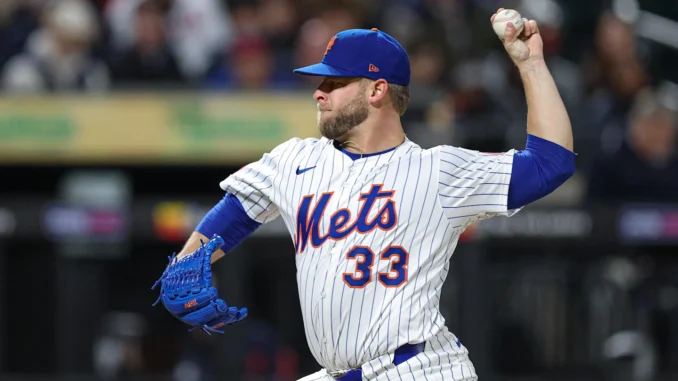
When the New York Mets committed two years and $22 million to A.J. Minter last offseason, the idea behind the move was straightforward and ambitious. The front office envisioned a dominant left-handed reliever who could shorten games, overpower hitters, and bridge the gap from the starting rotation to the late-inning stars at the back of the bullpen. Minter was supposed to be the guy who made the seventh and eighth innings feel routine instead of stressful—a power arm who could flip the switch and extinguish rallies before they ever had a chance to grow.
Instead, what the Mets ended up with was a fleeting glimpse of that dream and a season derailed almost as soon as it began. Minter’s time in a Mets uniform in 2025 amounted to little more than 11 innings, followed by devastating medical news that felt like it belonged in a nightmare rather than a routine injury update. A torn left lat muscle abruptly shut him down, wiping out the remainder of his season and leaving the Mets scrambling to replace a role they had specifically paid him to fill.
The impact of that injury went far beyond losing a single reliever. It punched a hole straight through a bullpen that was already walking a tightrope. Without Minter, the Mets spent much of the summer relying on imperfect solutions, asking pitchers to work in situations they weren’t ideally suited for, and constantly flirting with disaster in close games. The plan was supposed to be stability and dominance in the middle innings. What they got instead was improvisation and anxiety.
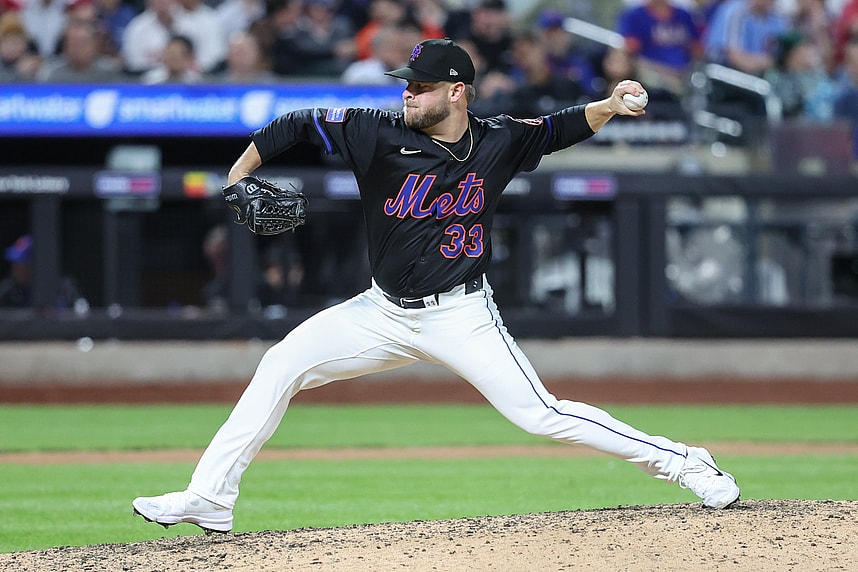
What makes the situation even more painful is how effective Minter looked before his body gave out. In that brief stretch of action, he was everything the Mets hoped he would be. His 1.64 ERA told the story of a pitcher who was in complete control, while his 31.8 percent strikeout rate highlighted just how uncomfortable he made opposing hitters. Batters weren’t simply getting out—they were overmatched. The velocity was there, the command was sharp, and his presence immediately changed the feel of late-game situations.
MORE: Mets Quietly Sign Astros’ Infielder in Latest Move
For Mets fans, those numbers are enough to sting. In a matter of weeks, Minter showed that the front office’s evaluation was spot-on. David Stearns didn’t misidentify the talent or overpay for a declining arm. On the contrary, Minter looked like a bargain when he was healthy, a reliever capable of swinging momentum and taking pressure off the rest of the pitching staff. That’s what makes the injury so cruel: it wasn’t a slow fade or underperformance, but a sudden physical breakdown that no amount of planning could fully guard against.
When Minter went down in late April, the ripple effects were immediate. Roles shifted, workloads increased, and the bullpen became a nightly puzzle. Pitchers who were supposed to be deployed carefully were suddenly thrust into high-leverage spots, and the margin for error disappeared. Over the course of the season, those small cracks added up, contributing to the sense that the Mets were constantly trying to hold things together with tape rather than executing a coherent plan.
In the end, Minter’s 2025 season will be remembered less for what happened on the mound and more for what might have been. In just 11 innings, he provided a tantalizing preview of the shutdown reliever the Mets thought they were buying. Unfortunately, his body betrayed him before that vision could become reality, leaving the team—and its fans—to wonder how different the season might have looked if that left arm had held up just a little longer.
The Road Back From The Operating Table
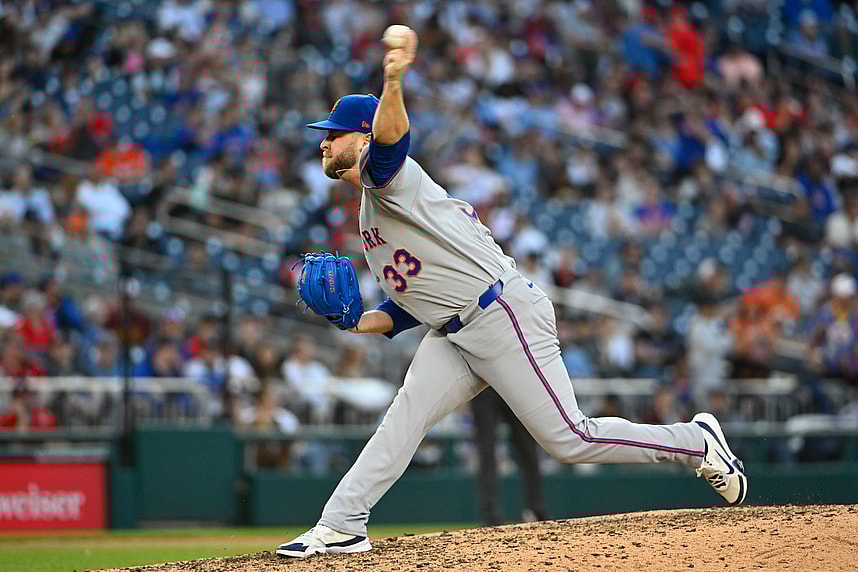
It came as no shock to anyone around the league that Minter opted into his $11 million player option for the 2026 season. Given the circumstances, it was the most logical move he could make. The past two years have been defined less by dominance and more by recovery rooms, with Minter undergoing surgery on his hip while still in Atlanta and then needing another procedure on his lat after arriving in Queens. For a reliever in his early 30s coming off consecutive major injuries, the free-agent market was never going to offer a more attractive or secure alternative. Locking in guaranteed money and a defined role was the smart, safe play.
That said, there is a sense that the tide may finally be turning in Minter’s favor. According to a recent report from Anthony DiComo, the Mets are operating under the assumption that Minter will almost certainly be part of the roster this season, assuming his rehab continues without any unexpected setbacks. For a pitcher who has spent so much time rehabbing rather than competing, that level of confidence from the organization is notable. It suggests not only that his recovery is progressing well, but also that the team still believes strongly in what he brings when he is healthy.
DiComo noted that while there remains a possibility Minter could break camp with the team, the Mets are prepared for a more cautious approach if necessary. Even if he does not make the Opening Day roster, the expectation is that he would return shortly thereafter following a minimum stint on the injured list. In other words, this does not feel like a situation where his season is in jeopardy or where the club is bracing for a lengthy absence. Instead, the Mets appear confident that Minter’s return is more a matter of timing than uncertainty.
MORE: Mariners quietly cut ties with top Pitcher
It is unrealistic to expect Minter to come flying out of the gate throwing upper-90s heat on Day One. The Mets understand that, and so does Minter. But the internal belief is that once he gets his footing, his velocity and sharpness will return. That optimism carries real weight, especially for a bullpen that has faced constant scrutiny in recent seasons. Relief pitching has been one of the organization’s most discussed weaknesses, and stability is something the unit has sorely lacked. A healthy, effective Minter could go a long way toward changing that narrative.
Even at 32 years old, Minter remains a unique weapon when he is right. His track record speaks for itself. He has compiled 105 career holds, a number that reflects years of consistently high-leverage usage rather than empty innings. Managers have trusted him with tight leads and critical situations, and he has repeatedly delivered. His postseason experience only reinforces that reputation. Few relievers can match the volume and quality of playoff appearances on his résumé, and that kind of background is invaluable for a team with October aspirations.

What separates Minter from being just another bullpen arm is the ripple effect his presence creates. He is not merely a depth option or an insurance policy. When healthy, he elevates the entire relief corps. His ability to handle tough left-handed hitters and pitch in high-pressure spots allows others to slide into roles better suited to their skill sets. That flexibility can dramatically improve bullpen management over the course of a long season.
For the Mets, that makes Minter’s return especially significant. This is a team that has invested heavily in star power, but championships are often decided in the margins—by the reliability of middle and late-inning relief. Minter has proven over the years that he can thrive in those moments. If he can approximate his previous form, he becomes a stabilizing force for a group that has too often felt volatile.
In many ways, 2026 represents a crossroads for Minter. The injuries of the past two seasons have clouded his recent résumé, but they have not erased what he is capable of doing. Exercising the player option gives him the opportunity to reestablish his value in a familiar environment without the pressure of chasing a new contract immediately. For the Mets, it is a calculated bet that his health will finally cooperate.
If the injury luck truly has turned, both sides stand to benefit. Minter gets a chance to remind everyone why he has been one of the more respected relievers of his generation, and the Mets gain a proven, battle-tested arm who can change the complexion of their bullpen. That is far more than a routine roster decision—it is a potential difference-maker hiding in plain sight.
A Bullpen Reimagined Without The Standard Drama
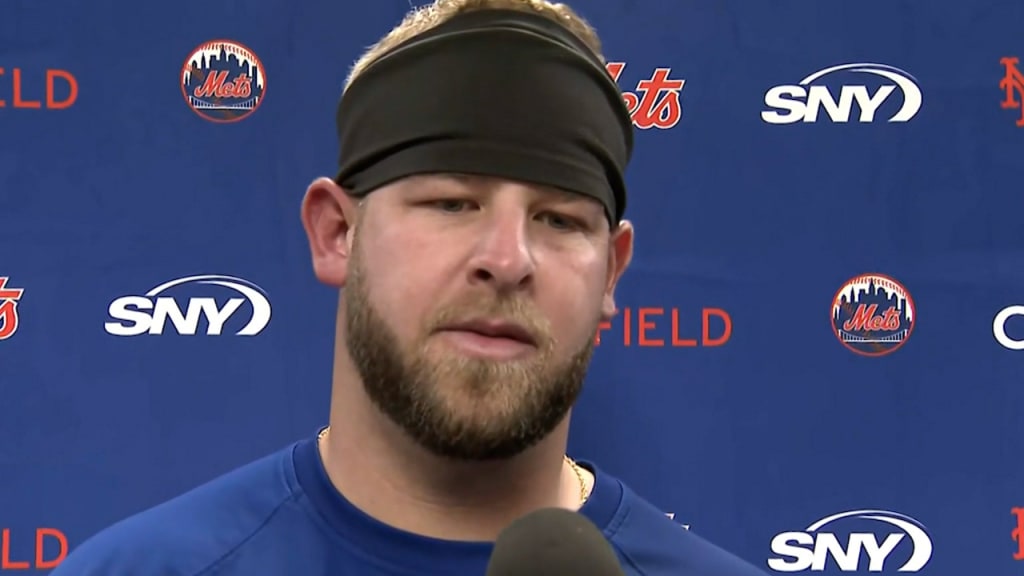
The atmosphere surrounding this bullpen feels noticeably changed as the team moves toward the 2026 season, and it goes beyond the recent updates involving A.J. Minter. For the first time in a while, the relief unit looks thoughtfully constructed rather than patched together and held together by hope. The arrivals of Devin Williams and Luke Weaver have reshaped the back end of the bullpen into something far more stable, giving the club defined roles and dependable options when games tighten late.
Williams immediately elevates the group with his reputation and unique skill set. His signature changeup—famously dubbed the “Airbender”—is one of the most unhittable pitches in the sport. Hitters know it’s coming and still can’t do much with it, which is exactly what you want from someone tasked with closing out the most stressful moments of a game. He doesn’t just miss bats; he dismantles confidence. Having a pitcher like that waiting at the end of games changes the way opponents approach the final innings and gives the entire pitching staff a psychological edge.
MORE: Phillies to land 2 more players before spring training
Weaver, meanwhile, showed last season that he is more than capable of thriving under pressure. Once viewed as more of a depth arm, he reinvented himself as a reliable high-leverage option, consistently delivering outs when the margin for error was razor thin. His ability to handle tough assignments late in games adds another layer of security, allowing the manager to mix and match without feeling boxed into a single plan. Instead of scrambling for answers in the eighth inning, there’s now a sense of order and confidence.
Add a fully healthy Minter to this equation, and the bullpen suddenly looks deep, balanced, and legitimately intimidating. The biggest difference may be how the middle-to-late innings now feel predictable in a good way. What once seemed like a nightly gamble—hoping a lead would survive until the final out—now feels far more controlled. The seventh inning, in particular, no longer carries that uneasy, hold-your-breath energy that defined too many games in recent seasons.
Minter’s track record backs up the optimism. Since the start of the 2022 campaign, he has been one of just a small group of relievers to pair a sub-3.00 ERA with a strikeout rate north of 30 percent. That combination places him firmly in elite territory, not just as a situational arm but as a true difference-maker late in games. These numbers aren’t the result of small-sample luck or favorable conditions; they reflect sustained excellence against high-level competition.
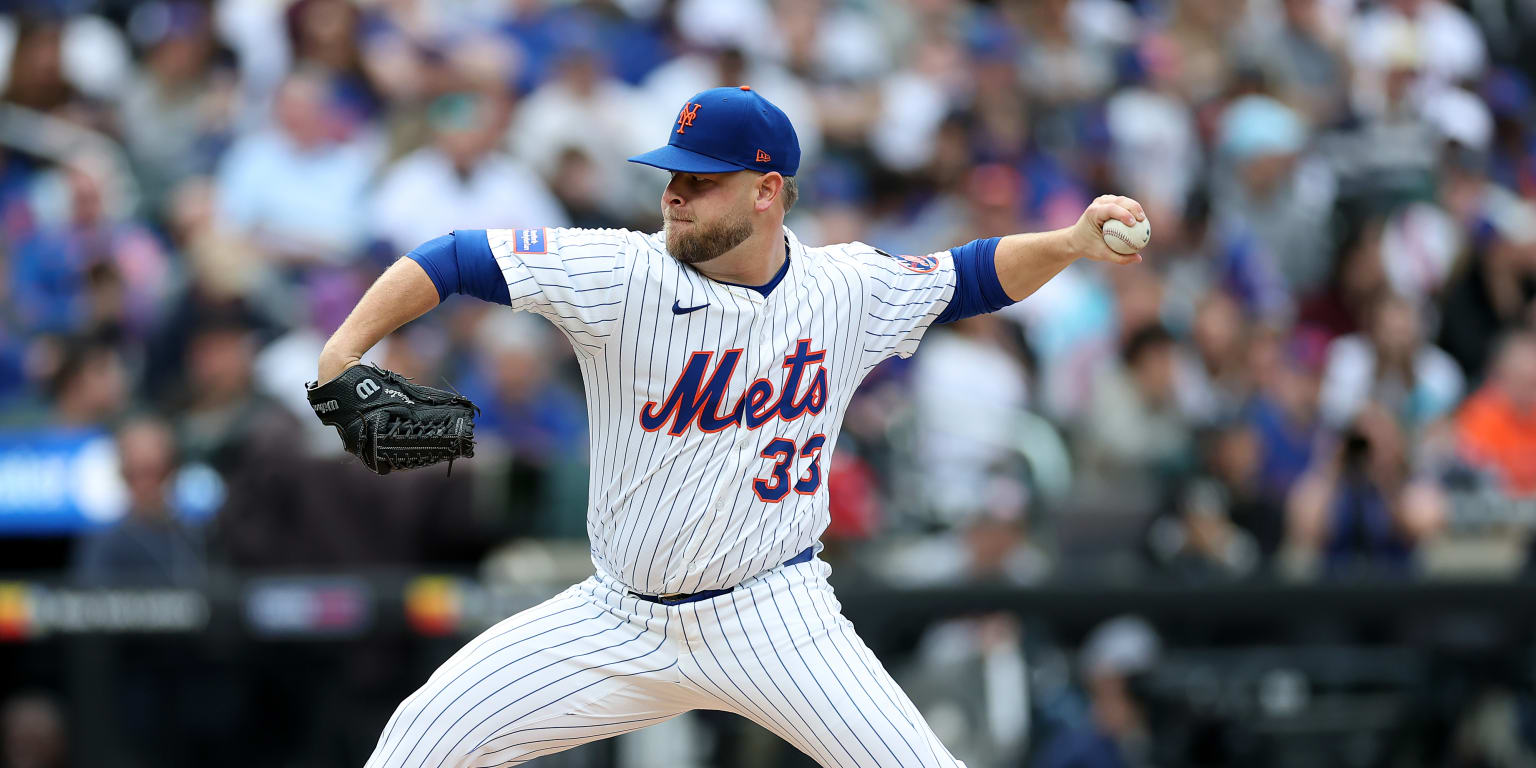
Perhaps most importantly, Minter brings a specific strength this bullpen sorely missed last year: dominance against left-handed hitters. Over the course of his career, lefties have managed just a .219 batting average against him, making him an ideal weapon in critical spots when an opposing lineup stacks its best left-handed bats late. That kind of matchup advantage allows the coaching staff to neutralize threats without burning through multiple arms or forcing uncomfortable decisions.
Taken together, the combination of Williams, Weaver, and Minter gives the bullpen a clear identity and a reliable late-game blueprint. There’s now a defined bridge from the starter to the closer, supported by pitchers with proven résumés and complementary skills. Instead of relying on hope or improvisation, the team can enter the final innings with a plan—and the personnel to execute it. Heading into 2026, that structural stability could be the difference between simply competing and consistently closing out wins.
The High Stakes Of The Second Act
There’s no point sugarcoating the level of risk involved here. Before Minter was shut down last season, his fastball velocity had fallen to an average of 94.4 mph. For most pitchers, that number might still look solid on paper, but in Minter’s case it represents the lowest mark of his professional career. When you combine that decline with the reality that he’s coming off two consecutive surgeries, it becomes a warning sign that’s impossible to overlook. Velocity loss is often the first indicator that something deeper may be going on, and teams have learned the hard way that it doesn’t always come back.
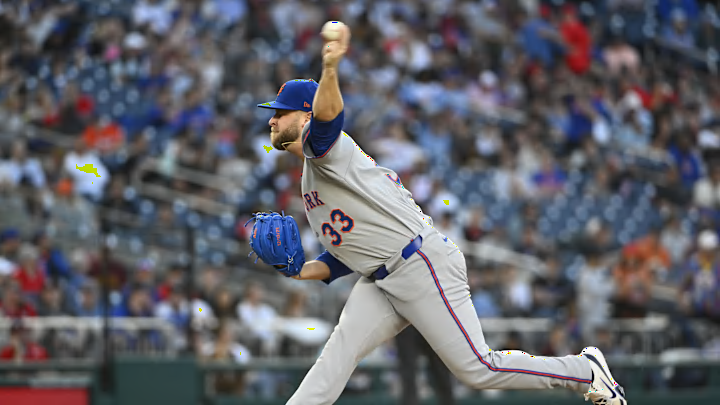
The concern isn’t just about radar-gun readings; it’s about what happens if that extra gear never fully returns. Minter at his best has been overpowering, capable of blowing hitters away late in games and missing bats when it matters most.
If his fastball continues to sit below his previous standards, he suddenly looks far more mortal. Hitters can sit on pitches a bit longer, mistakes get punished more often, and the margin for error shrinks dramatically. That version of Minter is still useful, but it’s not the shutdown reliever the Mets are hoping they signed.
MORE: Angels quietly land unexpected pitching help
By committing $11 million, the Mets are essentially betting that the velocity dip was a temporary side effect of injury rather than the beginning of a long-term decline. It’s a calculated gamble rooted in optimism about modern rehab, conditioning, and Minter’s track record prior to getting hurt. If the organization is right, they may look incredibly savvy for buying low on a proven high-leverage arm. If they’re wrong, they’re left paying real money for diminished production in the most volatile role on the roster.
The upside, however, is significant. If Minter rebounds and performs anywhere near his peak, the Mets could deploy one of the most intimidating late-inning relief groups in the National League East. A dominant trio at the back end of the bullpen has the power to fundamentally change how games are managed.
Starters don’t need to go as deep, leads feel safer, and opposing teams know they have to strike early or risk being locked down over the final three innings. In a division where close games are the norm, that kind of bullpen advantage can swing an entire season.
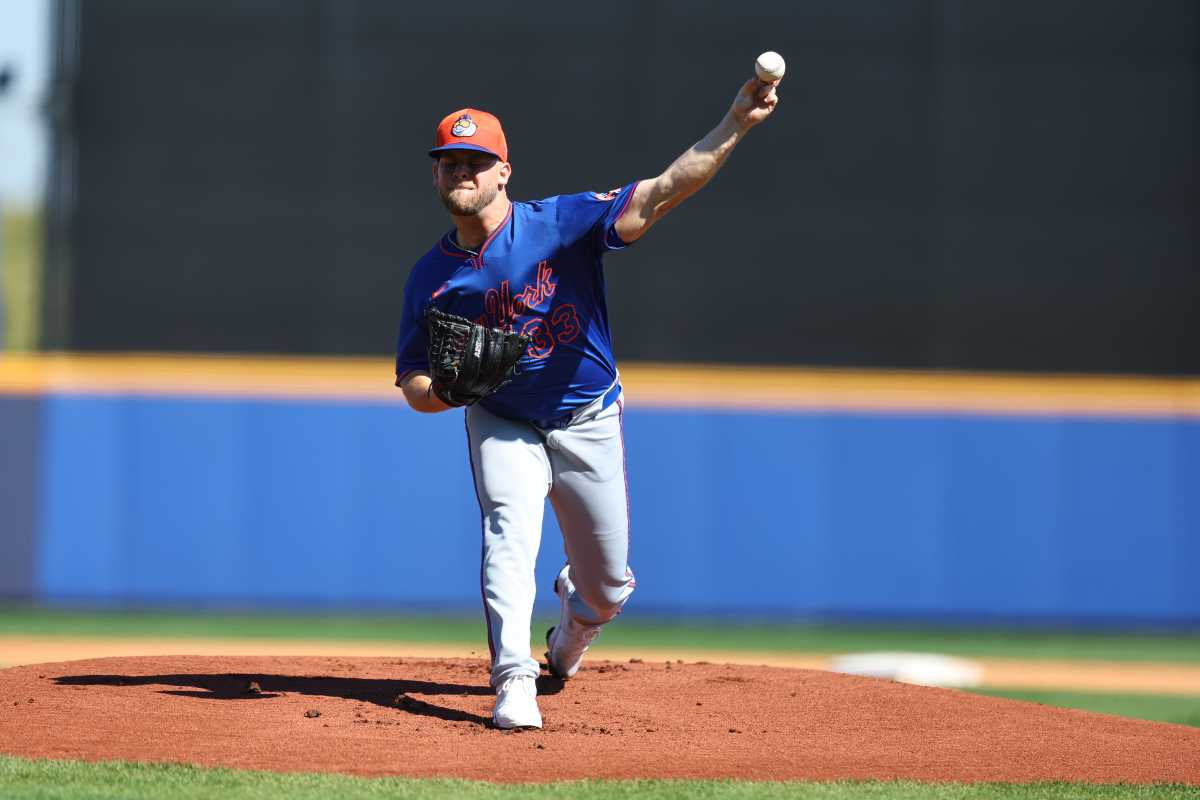
For that vision to become reality, Minter has to show he can still execute his full arsenal. His cutter, in particular, needs to regain its bite and deception. Just as important, he has to pitch with confidence in his body again. Trusting that your arm will respond the way it used to after multiple surgeries isn’t automatic; it’s something that takes time, repetition, and health. Every appearance becomes both a test of performance and durability.
There’s no questioning the raw talent. The Mets have already committed the money, and the path to a high-leverage role is wide open if Minter earns it. What stands between promise and payoff is availability. If he can stay off the injured list and string together consistent outings, he has a real chance to be a difference-maker on a team with legitimate postseason aspirations.
At the end of the day, the formula is simple but unforgiving: stay healthy, regain enough velocity, and help close out wins. If Minter can do that, the gamble pays off and the Mets are one step closer to chasing a pennant.

Be the first to comment