The Chicago Cubs, under the guidance of president of baseball operations Jed Hoyer, have crafted what can only be described as a bold and aggressive offseason, one that clearly signals the organization’s intent to contend immediately rather than wait for the future to unfold. After a period of relative quiet early in the MLB offseason, Chicago has flipped the switch and gone into full win-now mode, making a series of headline-grabbing moves designed to elevate the roster and close the gap with the National League’s elite.
At first glance, the Cubs’ offseason appeared slow and somewhat conservative, especially when compared to other big-market teams that jumped quickly into free agency or blockbuster trades. However, that patience proved to be strategic rather than passive.
Chicago waited for the right opportunities to present themselves, and once they did, the front office wasted no time in acting decisively. The first major domino to fall was a trade that immediately reshaped the pitching staff and signaled that the Cubs were willing to part with premium talent to improve at the major league level.
Chicago struck a deal with the Miami Marlins to acquire young right-handed starting pitcher Edward Cabrera, a move that carried both upside and risk. Cabrera, still early in his career, possesses electric stuff and the potential to develop into a frontline starter if he can harness his command and remain healthy.

To secure his services, the Cubs had to make a significant sacrifice, sending top outfield prospect Owen Caissie to Miami. Caissie was widely viewed as one of the organization’s most promising young bats, making the trade a clear indication that Chicago values immediate impact over long-term projection at this stage of its competitive cycle.
MORE: Phillies confirmed to sign veteran Max Scherzer ‘upgrade over Walker’
That trade alone would have been enough to define many teams’ offseasons, but the Cubs were far from finished. Shortly after landing Cabrera, Chicago turned its attention to free agency and made an even louder statement by landing one of the most coveted position players on the market. The Cubs successfully signed star third baseman Alex Bregman to a massive five-year, $175 million contract, instantly adding an elite bat, proven postseason performer, and veteran leader to the heart of their lineup.
The Bregman signing carried added significance because it represented a familiar rivalry on the free-agent market. Just as they had the previous offseason, the Cubs found themselves competing directly with the Boston Red Sox for Bregman’s services.
This time, however, the outcome was different. Rather than finishing second, Chicago emerged victorious, outmaneuvering Boston and convincing Bregman that Wrigley Field was the ideal place for the next chapter of his career. The deal not only strengthened the Cubs’ roster but also sent a message throughout the league that Chicago is once again willing to spend at the highest level to win.

Bregman’s arrival immediately transforms the Cubs’ infield and lineup. His combination of power, plate discipline, and defensive reliability at third base addresses multiple needs at once. Beyond the numbers, he brings championship experience and a competitive edge that can influence a clubhouse, particularly one aiming to make a deep postseason run. For a team with aspirations of contending in October, those intangible qualities can be just as valuable as on-field production.
Remarkably, the Cubs’ success at Boston’s expense did not stop with the Bregman signing. In what has become a recurring theme this offseason, Chicago once again managed to capitalize on opportunities that slipped through the Red Sox’s grasp. By positioning themselves aggressively and acting decisively, the Cubs effectively pulled off another savvy move that reinforced their reputation as one of the most proactive and opportunistic front offices in baseball this winter.
MORE: Padres replace Luis Arraez with cost-effective veteran first baseman
Taken together, these moves paint a clear picture of an organization that believes the time to win is now. The Cubs are no longer content to hover around contention or rely solely on internal development. Instead, they are blending their existing core with high-impact acquisitions, even if that means sacrificing top prospects or committing significant financial resources. Jed Hoyer and his front office have embraced the pressure that comes with that approach, understanding that expectations will rise alongside the payroll.
As spring training approaches, the Cubs look dramatically different from the team that finished the previous season. With a bolstered rotation led by the addition of Edward Cabrera and a revamped lineup anchored by Alex Bregman, Chicago has positioned itself as a serious threat in the National League.

While questions will always remain—about health, chemistry, and performance under pressure—the Cubs have left little doubt about their intentions. This offseason has been about ambition, urgency, and seizing the moment, and Chicago has made it clear that it plans to be a major player in the race for a championship.
Chicago Cubs Bring in 24-Year-Old Infielder
According to information listed in the official Major League Baseball transactions log, the Chicago Cubs made a quiet roster move this week by adding a young infielder to their system. The organization signed 24-year-old shortstop and utility player Karson Simas to a minor-league contract, a low-risk decision designed to add organizational depth and explore potential upside.
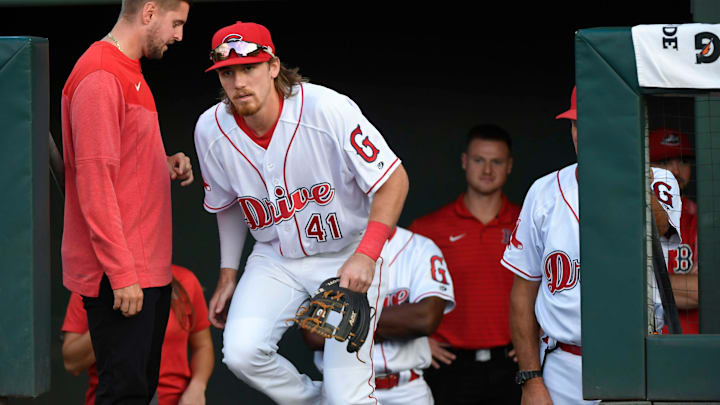
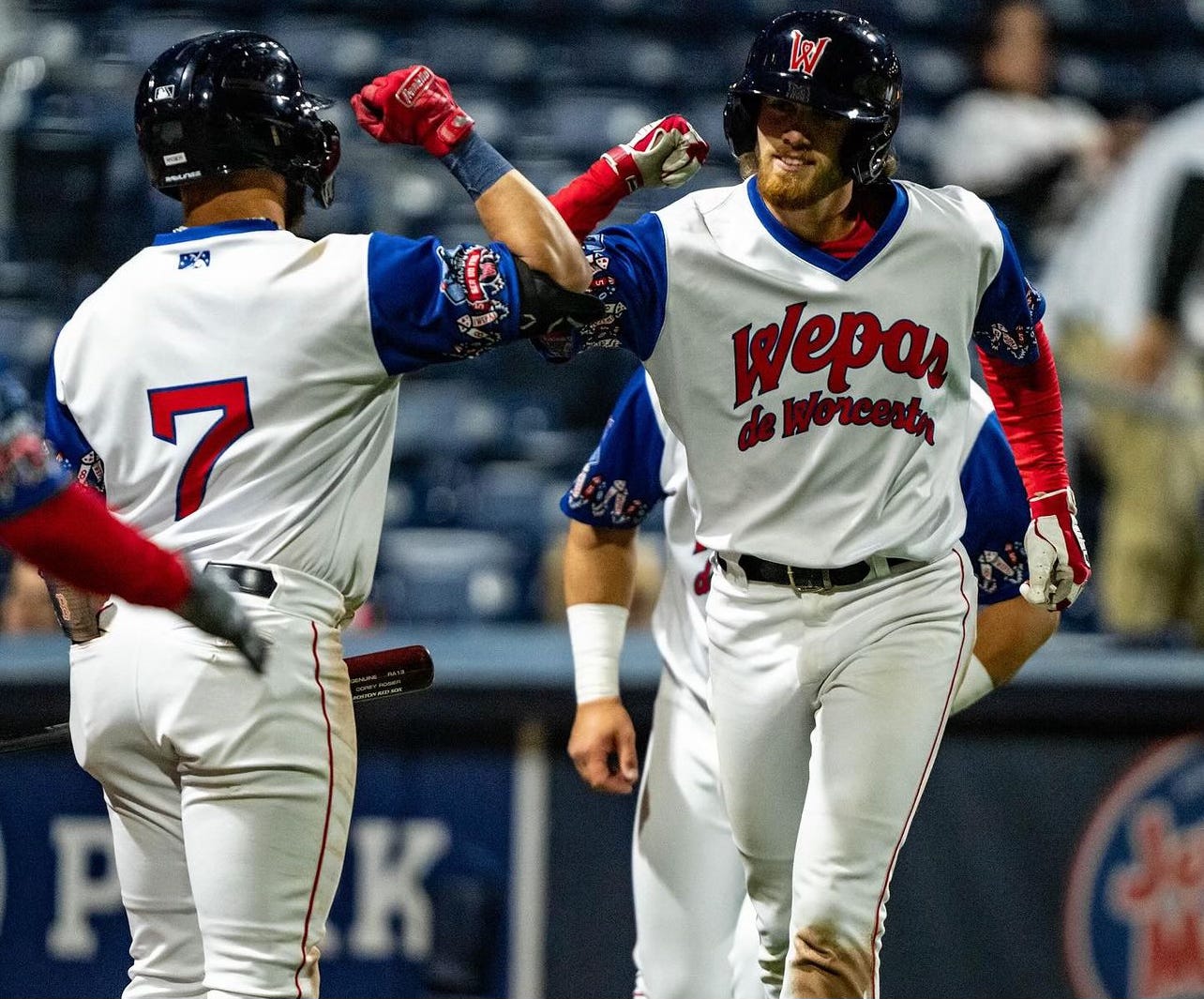
Simas entered professional baseball as a late-round selection, having been taken in the 25th round of the 2019 MLB Draft. He originally joined the Boston Red Sox organization and spent the past seven seasons working his way through their minor league system. Despite the length of his tenure, Simas was never able to climb high enough to earn a promotion to the major leagues, remaining strictly a minor league contributor throughout his time with Boston.
While he never reached the MLB level, Simas gained a significant amount of experience during his years in the Red Sox system. He appeared in a total of 334 minor league games, logging steady playing time across multiple seasons. That extended run gave him exposure to different competition levels, defensive responsibilities, and offensive challenges, all of which contribute to his value as a depth option with some versatility.
MORE: Cardinals Officially Sign Entertaining Hitter To Minor League Deal
Offensively, Simas’ numbers were modest. Over those 334 games, he recorded nine home runs and drove in 111 runs. His overall slash line settled at .222 batting average, .302 on-base percentage, and .300 slugging percentage. Those statistics reflect a player who struggled to consistently produce at the plate, particularly in terms of power and overall impact. He showed some ability to reach base, but not enough to stand out in an organization known for developing strong offensive talent.
At first glance, those numbers are far from impressive and certainly do not demand attention on their own. Simas was not a top prospect, nor did he ever emerge as a breakout performer during his time in Boston’s system. As a result, it’s easy to understand why he was unable to force his way into the Red Sox’ long-term plans or earn a shot at the major league roster.
Still, the Cubs see something worth exploring. Chicago’s decision to sign Simas represents a classic low-risk, potential-reward move. Minor-league contracts come with minimal financial commitment and no obligation to keep the player long term. For the Cubs, that means they can bring Simas into their development environment, evaluate him closely, and see whether changes to his approach or mechanics can unlock improvement.
The Cubs have earned a reputation for experimenting with player development adjustments, whether through swing changes, defensive repositioning, or expanded positional flexibility. Simas’ ability to play shortstop and multiple other positions gives the organization options. Even if he doesn’t develop into a legitimate big-league candidate, he could still serve as useful depth at the minor league level, helping stabilize lineups and provide coverage in case of injuries.
From Simas’ perspective, the move offers a fresh start. After spending his entire professional career with one organization, a change of scenery can sometimes make a meaningful difference. New coaches, new philosophies, and new opportunities can occasionally help a player rediscover confidence or refine skills that previously stalled.
Ultimately, this signing carries very little downside for Chicago. If Simas responds well to the Cubs’ development program and shows noticeable improvement, the team may have uncovered a serviceable organizational piece or even a late bloomer. If he fails to progress, the Cubs can simply move on without sacrificing roster flexibility or resources.
In the end, Karson Simas’ signing won’t make headlines or shift expectations for the Cubs’ future. Instead, it represents a calculated gamble on a former late-round pick who still has time on his side. Whether that gamble pays off remains to be seen, but for now, Chicago has added another intriguing name to its minor league system.
Fans Should Be Ecstatic About the Cubs’ Offseason
Taking a deeper look at the offseason the Chicago Cubs have assembled, there is plenty of reason for optimism, and not just for what lies ahead in the long term, but for the immediate future as well. This winter has represented a noticeable shift in direction for the franchise, one that should energize a fanbase that has been craving signs of ambition. Simply put, the Cubs appear to be turning the page and embracing a more aggressive mindset aimed at winning.
In recent seasons, one of the loudest criticisms from fans has centered on how the Cubs have conducted business. Despite playing in one of baseball’s biggest markets, Chicago often behaved as if it were constrained by small-market limitations.
MORE: Angels sign first baseman, offered lifeline deal to Orioles’ veteran
Payroll flexibility seemed to go unused, major free agents were passed over, and the roster was frequently built with an eye toward caution rather than contention. That approach, while perhaps understandable during a retooling phase, tested the patience of a fanbase accustomed to thinking big. Frustration steadily grew as the gap widened between what fans believed the Cubs could do and what they actually did.
This offseason, however, sent a very different message. From the outside looking in, it became clear that the front office was no longer content with standing still or waiting for incremental improvement. The Cubs acted like a team that believes it can compete now. The additions of both Cabrera and Bregman were not only impactful from a talent perspective, but also symbolic. These were not low-risk, short-term placeholders. These were meaningful investments in proven players, designed to strengthen the roster immediately.
The decision to use deferred money in the deal for the veteran third baseman, in particular, stood out as a strong signal of intent. Deferred contracts are tools often used by organizations willing to leverage financial creativity to maximize their competitive window.
By employing that strategy, the Cubs showed they are serious about building a winner rather than simply maintaining flexibility. It suggested a front office ready to take calculated risks in order to push the team forward. For fans who had grown weary of conservative decision-making, this represented a refreshing change.
The message from Chicago’s leadership this winter has been unmistakable: the goal is not just to be competitive in a year or two, but to win as soon as possible. That mindset alone makes the current roster more exciting, because it aligns the front office’s actions with the expectations of the market. The Cubs are no longer acting like a team content to hover around mediocrity. They are acting like a franchise that understands its responsibility to contend.
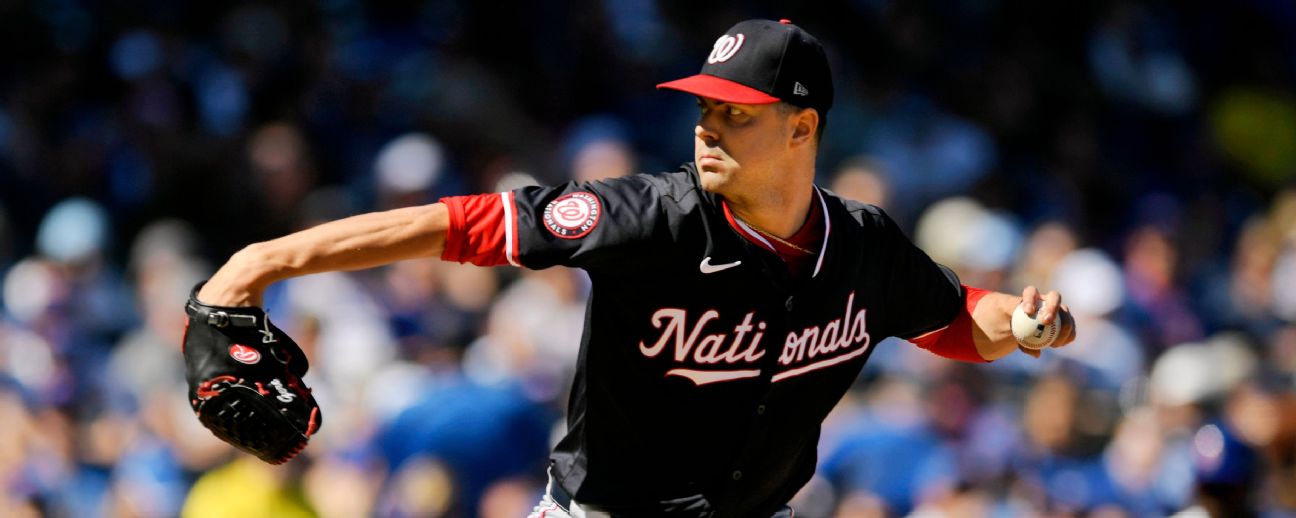
Of course, not every move made this offseason was headline-grabbing. Transactions such as the minor league deal for Simas are unlikely to dramatically alter the outlook of the major league roster on their own.
MORE: White Sox To Sign Entertaining Phillies’ Outfielder
These are the kinds of moves that rarely dominate conversations or spark excitement among fans. Still, they matter in a different way. They reflect a front office that is staying active, constantly searching for value, depth, and potential upside. Even when the moves are small, the intent behind them is important.
Those types of depth additions show that Jed Hoyer and his staff are leaving no stone unturned. While a single minor league acquisition may not move the needle, a collection of smart, proactive decisions can pay dividends over time.
They add competition, create options, and protect the organization against injuries or underperformance. More importantly, they demonstrate that the Cubs are not simply satisfied with the work they have already done. They are continuing to explore ways to improve.
As for whether Chicago is finished making major moves, that remains an open question. The offseason calendar may be winding down, but the Cubs have shown they are still paying attention to the market. One name that has surfaced in rumors is Zac Gallen, who has been floated as a potential late-offseason target.
While it seems unlikely that he ultimately ends up in Chicago, the fact that his name has even been linked to the Cubs is telling. It suggests the team is still engaged, still evaluating opportunities, and still willing to consider bold additions if the right situation arises.

That openness alone keeps the door ajar for further surprises. Even if no additional blockbuster moves materialize, the Cubs have already reshaped perceptions of where they are headed. They have made it clear they are not closed for business, and that alone ensures speculation and rumors will continue to follow them in the weeks ahead.
MORE: Mets stunning deal reunite with Luis Severino to give more depth
When everything is taken together, it is hard not to feel more optimistic about the Cubs’ direction than at this time a month ago. Hoyer has been busy, intentional, and assertive, and the results of that approach are already visible.
The roster looks stronger, the organization feels more focused, and the outlook for the 2026 season has improved significantly. While nothing is guaranteed in baseball, the Cubs have finally given their fans something they have been asking for: a clear commitment to winning.

Be the first to comment