Even after creating some unexpected financial flexibility this offseason by reworking Anthony Rendon’s contract, the Los Angeles Angels have continued to operate cautiously in the free-agent market. Rather than aggressively pursuing top-tier talent, the organization has largely confined itself to low-cost, low-risk moves, focusing on veterans who can be brought in cheaply and potentially provide value if things break right. That conservative philosophy has been evident throughout the winter, and it showed up again with a pair of recent roster decisions.
One of those moves involved bringing back third baseman Yoán Moncada on a deal that will pay him less in 2026 than he earned the previous season. While Moncada was once viewed as a cornerstone-level player earlier in his career, injuries and inconsistency have dulled his profile in recent years.
For the Angels, however, the reunion fits their current pattern: betting on former high-upside players at a reduced price point, hoping a change in health or circumstances can spark a rebound without committing significant payroll.
That same approach also explains why the Angels have extended an opportunity to veteran first baseman Trey Mancini. Once a key contributor for the Baltimore Orioles and a respected figure around the league, Mancini now finds himself searching for a way back into relevance after several uneven seasons.
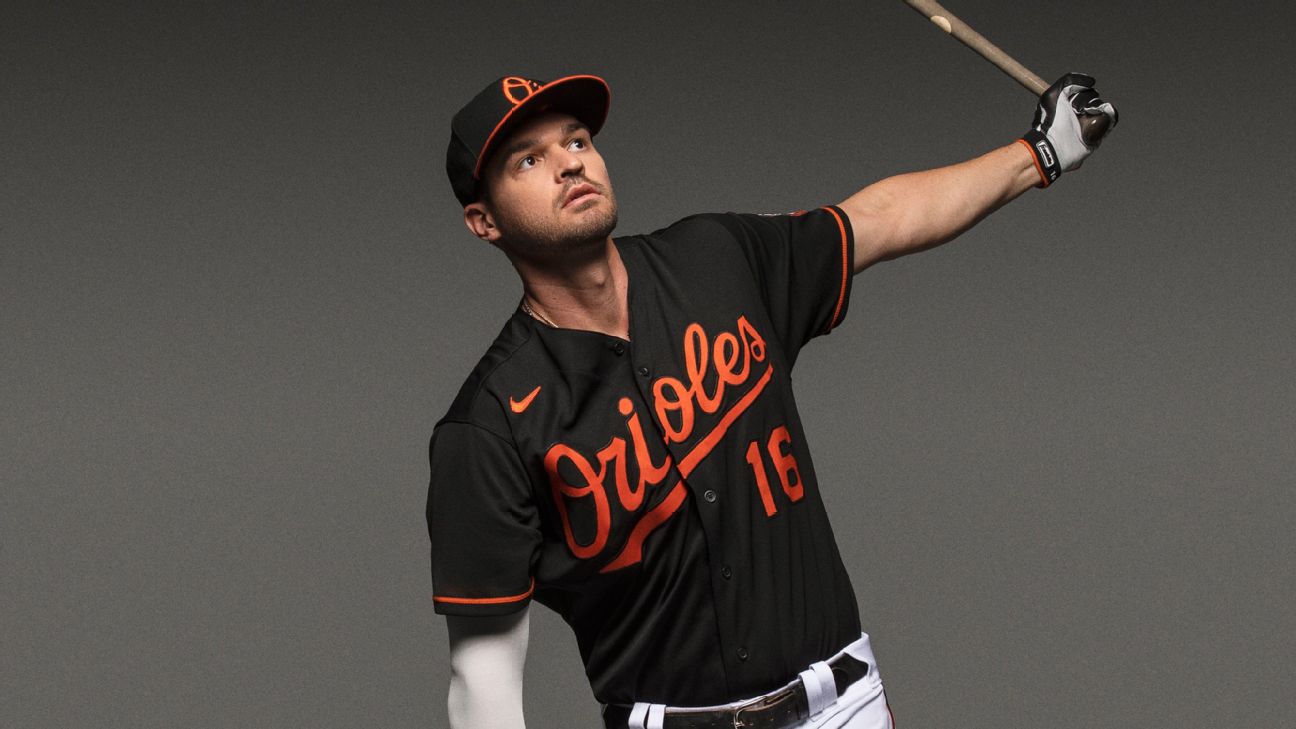
According to The Athletic’s Ken Rosenthal, the Angels have agreed to sign the 33-year-old to a minor-league contract, a deal structure that carries minimal risk for the organization while offering Mancini a chance to prove he still belongs at the major-league level.
At first glance, the pairing might seem a bit unusual. The Angels are not typically the first team one would associate with reclamation projects or veteran revival stories, especially given their recent struggles to build a cohesive, competitive roster. Still, there is a meaningful connection that helps explain why Los Angeles emerged as a landing spot for Mancini. That link comes in the form of Brady Anderson, the Angels’ newly appointed hitting coach.
MORE: Angels fixes one clear roster problem in latest trade
Anderson and Mancini share a history that dates back to Mancini’s early days in professional baseball. Anderson was part of the Orioles’ front office during the period when Mancini was climbing through Baltimore’s farm system, and his influence played a significant role in shaping Mancini’s development as a hitter. Drafted by the Orioles in 2013, Mancini was a solid prospect but not necessarily viewed as a future mainstay until adjustments helped unlock more consistent production.
Ahead of the 2015 season, Mancini credits Anderson with helping him make critical changes that altered the direction of his career. At the time, Anderson was able to quickly identify flaws in Mancini’s approach and offer guidance that translated almost immediately into better results. The impact was so significant that Mancini has often pointed to that season as a turning point, one that helped elevate him from organizational depth to a legitimate major-league contributor.
In an interview referenced by Rosenthal, Mancini reflected on how quickly Anderson recognized areas for improvement. He explained that Anderson didn’t need months of data or extended observation to see what needed fixing. Simply watching a few practice swings was enough for Anderson to diagnose adjustments that could make a real difference. According to Mancini, that brief interaction ended up reshaping his entire offensive outlook and, by extension, his professional trajectory.
That history adds an important layer of context to the Angels’ decision. While the signing itself may not move the needle in a dramatic way, it reflects a belief within the organization that Anderson’s presence could once again help Mancini rediscover some of what made him effective earlier in his career.
MORE: White Sox To Sign Entertaining Phillies’ Outfielder
From the Angels’ perspective, there is little downside. If Mancini fails to regain his form, the team can move on without any significant financial or roster consequences. If he does show signs of life, they may uncover a useful bat at a position that often requires stability.
For Mancini, the opportunity is equally straightforward. At 33, he is well past the point of guaranteed major-league contracts, and minor-league deals are often the only path available to veterans looking to extend their careers. Signing with a team where he already has an established relationship with the hitting coach gives him a sense of familiarity and trust, something that can matter greatly when a player is trying to rebuild confidence and performance.
This move also underscores the broader reality of where the Angels currently stand as an organization. Even with some added payroll flexibility, they appear unwilling—or unable—to spend aggressively. Instead, they are filling out the roster with short-term bets and depth signings, hoping that a few of them pay off while avoiding long-term commitments that could further complicate their future.
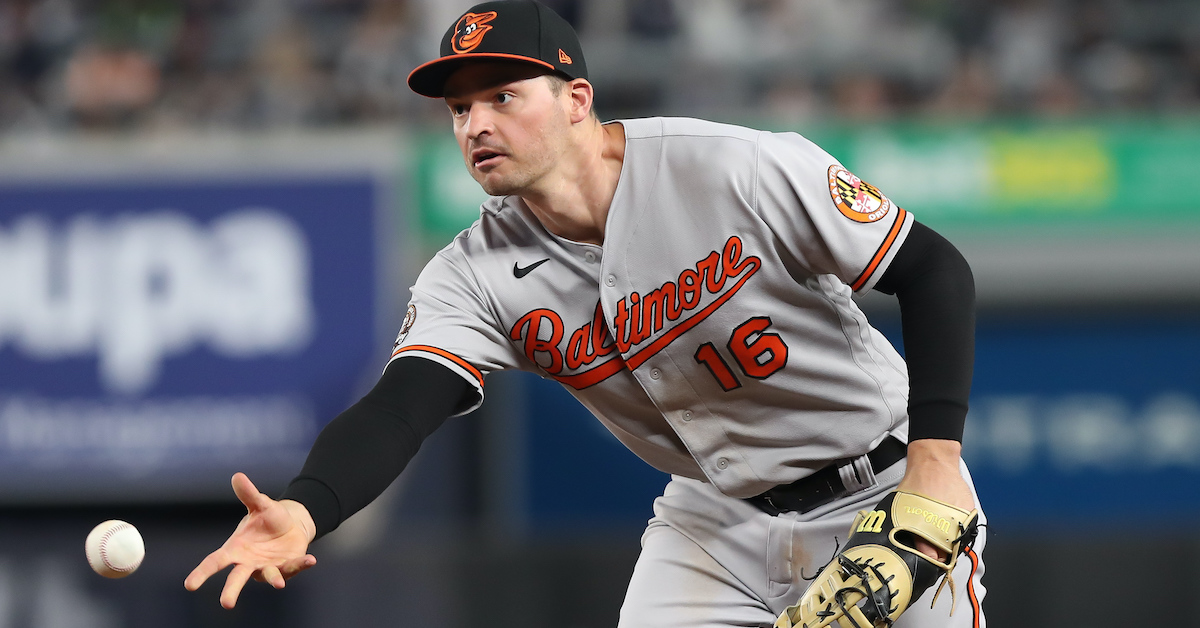
In that sense, the Mancini signing is emblematic of the Angels’ offseason as a whole. It is a calculated gamble rooted more in personal connections and past success stories than in recent production. Whether it ultimately yields anything meaningful remains to be seen, but it fits neatly into a winter defined by caution, thrift, and an emphasis on low-cost upside rather than bold moves.
Trey Mancini is a familiar project for new Angels’ hitting coach Brady Anderson.
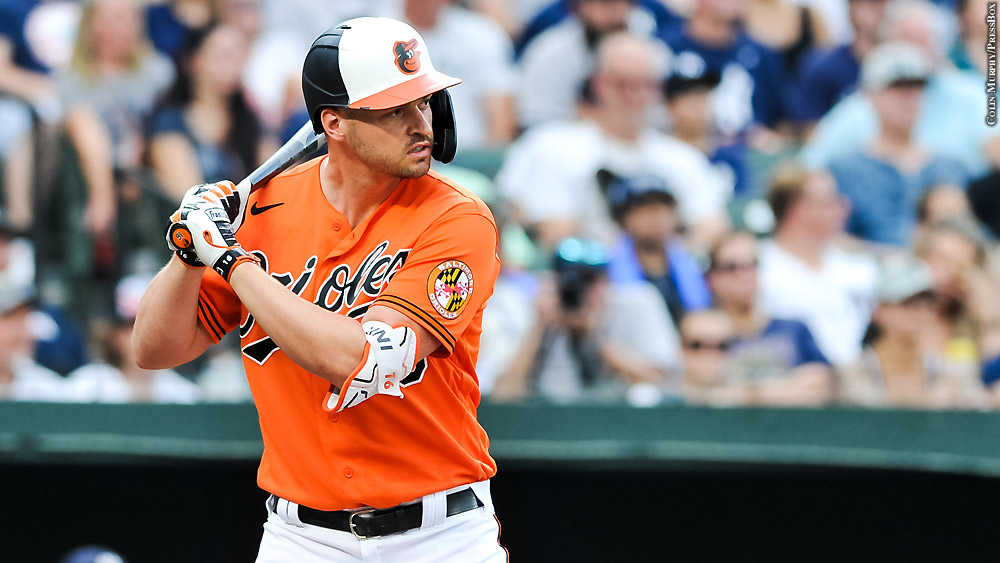
Anderson’s influence on Trey Mancini once proved to be a meaningful turning point, and the results of that collaboration were undeniable at the time. Under Anderson’s guidance, Mancini developed into one of the most reliable and productive bats in the Baltimore Orioles’ lineup.
That growth culminated during the 2019 season, when Mancini emerged as a true middle-of-the-order force, launching 35 home runs and establishing himself as one of the few consistent offensive bright spots for an Orioles team still deep in a rebuild. Given how impactful that partnership once was, it is understandable that Mancini would be hopeful that reconnecting with Anderson could help him rediscover some version of his former self and stabilize a career that has drifted off course in recent years.
Since leaving Baltimore, however, Mancini’s trajectory has been far less encouraging. The Orioles traded the veteran first baseman to the Houston Astros during the 2022 season, a move that initially appeared to give him a chance to contend on a championship-caliber roster.
Instead, that stint marked the beginning of a sharp decline in his on-field production. Mancini struggled almost immediately after the trade, failing to adjust offensively and never quite finding a role with his new club. By the time the Astros reached and ultimately won the World Series in 2022, Mancini had largely faded into the background.
MORE: Cardinals front office confirms to trade fan favorite Lars Nootbaar
In 186 plate appearances with Houston, he hit below the .200 mark and managed just eight home runs, a far cry from the power and consistency he once provided in Baltimore. For a player who had previously been counted on as a lineup anchor, his diminished impact was stark.
The following season brought another fresh start, this time with the Chicago Cubs. For Mancini, 2023 represented an opportunity to reset and prove that he still had enough left in the tank to be a productive major league hitter. Unfortunately, that rebound never materialized. His power, once the defining element of his offensive profile, virtually disappeared.
Across 263 plate appearances, Mancini posted a 75 wRC+, signaling well below-average offensive production. Balls that once jumped off his bat with authority were now turning into routine outs, and pitchers increasingly exploited his diminished ability to drive the baseball. As the season wore on, it became clear that the Cubs experiment was not going to produce the comeback Mancini had hoped for.
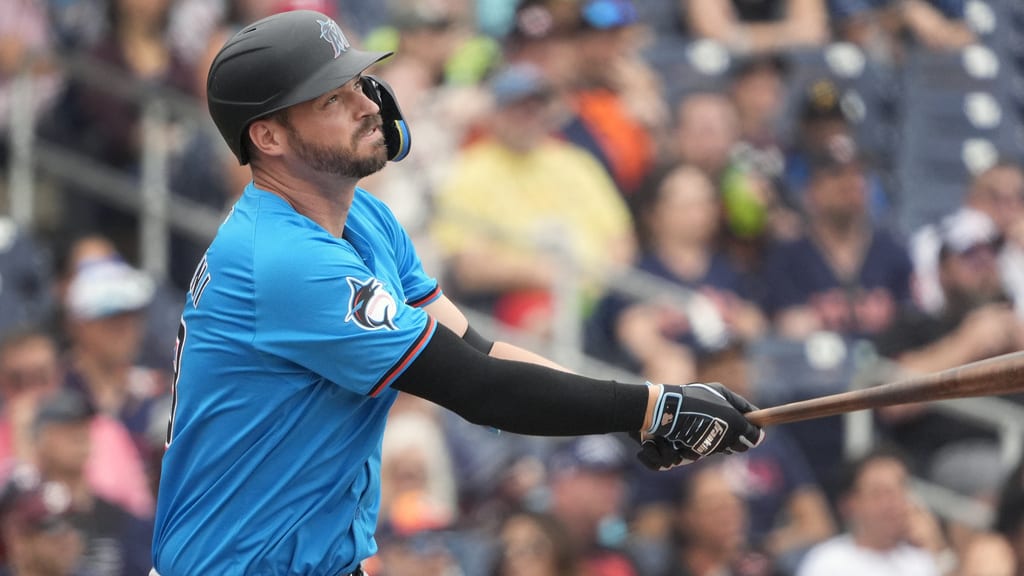
That season with Chicago ultimately marked Mancini’s last appearance at the major league level to date. Since then, his career has shifted into a far more uncertain phase. Over the past year, he has bounced between minor-league stints with several organizations, including the Cincinnati Reds, Miami Marlins, and Arizona Diamondbacks.
Each stop represented another chance to showcase enough production to earn a call back to the majors, but none resulted in a sustained resurgence. While his perseverance is notable—especially given the personal challenges he has overcome earlier in his life—the reality is that his on-field results have not forced any team’s hand.

Context matters when evaluating Mancini’s situation. As a cancer survivor who returned to the field and once again became a productive major leaguer, his story has long carried emotional weight throughout the baseball world.
MORE: Orioles officially claim Phillies veteran utilityman off waivers
That resilience and professionalism have earned him respect across clubhouses and fan bases alike. Yet baseball remains an unforgiving sport, and past accomplishments or inspirational narratives can only carry a player so far if the performance no longer matches the standard required at the highest level.
This is where expectations must be tempered. Even if Mancini is able to rekindle some familiarity with Anderson, it is difficult to realistically project him as anything more than a depth option or clubhouse presence at this stage. The version of Mancini who mashed 35 home runs in 2019 feels increasingly distant, and the underlying trends since 2022 suggest that his decline is not simply a temporary slump but a more permanent shift in his offensive capabilities.
That said, Mancini can still offer value in other ways. For a young player like Nolan Schanuel, having a veteran around who has experienced both individual success and adversity can be beneficial. Mancini understands the demands of the major leagues, the adjustments required to survive over a long season, and the mental resilience needed to navigate failure. As a mentor and steady voice, he could provide guidance that doesn’t always show up in box scores.
Ultimately, though, it is hard to envision Mancini having a significant on-field impact moving forward. While the hope of recapturing past success is natural—especially when reconnecting with someone who once played a key role in that success—the evidence suggests that any contribution he makes will likely be marginal. His presence may help younger players grow and add professionalism to a clubhouse, but expecting a true revival of his bat would be setting the bar unrealistically high.

Be the first to comment