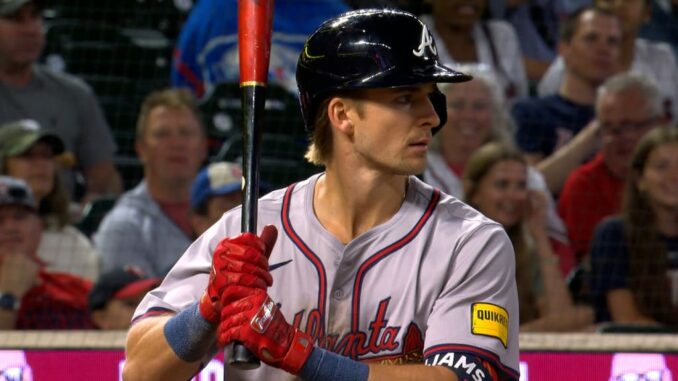
The Atlanta Braves endured a disappointing downturn in 2025, marking their poorest campaign in seven years, and early indications suggest that 2026 may not bring an immediate rebound. For a franchise accustomed to success and consistency, the sudden shift has been jarring for both the organization and its fan base.
From 2018 onward, the Braves had firmly established themselves as perennial contenders, earning a playoff spot every season and setting a standard of excellence within the National League. That streak came to a halt last year, however, as Atlanta failed to qualify for the postseason for the first time in nearly a decade. The collapse was not the result of a single flaw, but rather a convergence of setbacks that gradually derailed the team’s momentum.
Injuries played a central role in the Braves’ struggles. Several cornerstone players were sidelined for extended stretches, leaving noticeable gaps in both the lineup and the pitching staff.
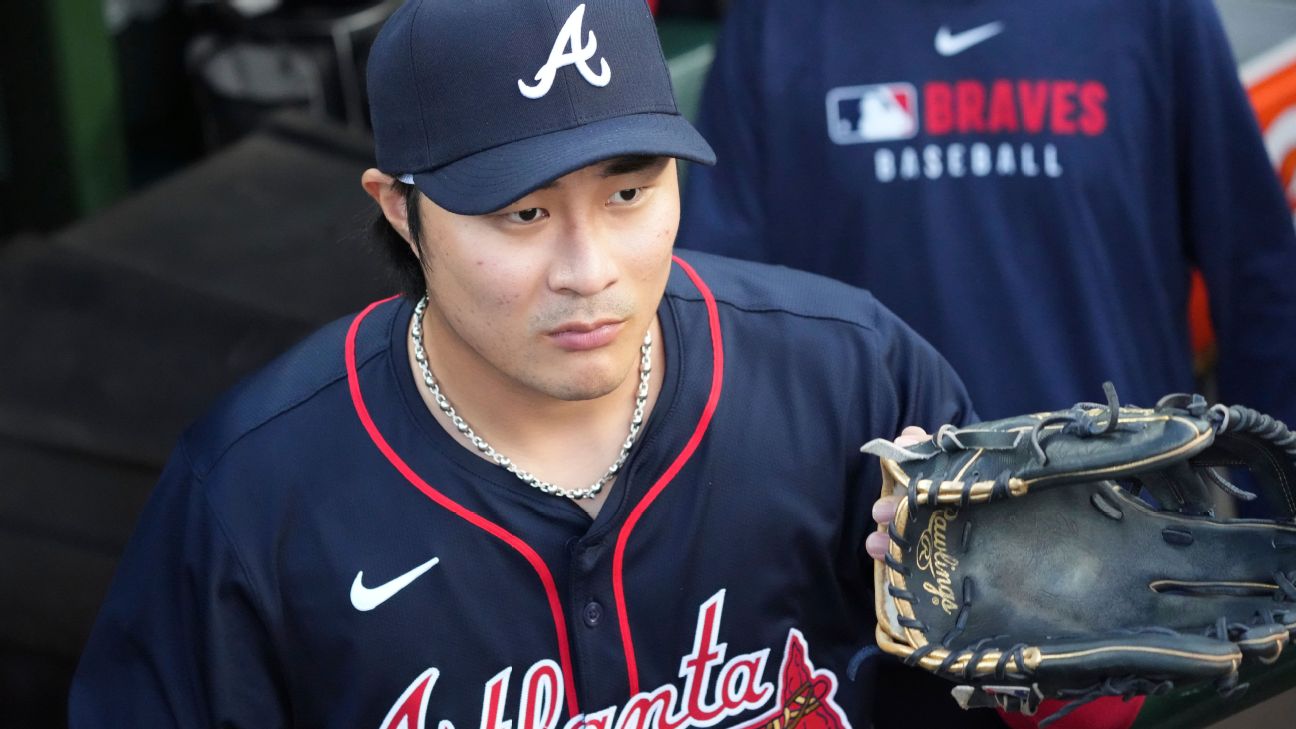
Ronald Acuña Jr., the face of the franchise and one of baseball’s most dynamic offensive talents, missed a significant portion of the season, robbing the Braves of their most dangerous all-around weapon. Without his presence at the top of the order, Atlanta’s offense lacked its usual explosiveness and consistency.
MORE: “Fights for return to role” Cardinals evaluating catching depth
The pitching staff was hit just as hard. Spencer Strider, widely regarded as the team’s ace and a dominant force at the front of the rotation, was unable to stay healthy, limiting his availability and effectiveness. His absence forced the Braves to rely more heavily on depth arms that were not ideally suited for such prominent roles. Compounding the issue, reigning Cy Young Award winner Chris Sale also missed substantial time due to injury, further weakening a rotation that had been one of the team’s greatest strengths in prior seasons.
These injuries created a ripple effect throughout the roster. Younger players were thrust into high-pressure situations earlier than anticipated, while veterans were asked to shoulder heavier workloads. Although there were moments of resilience, the team struggled to maintain consistency over the long haul of the season. Close losses piled up, and prolonged slumps made it difficult for the Braves to gain traction in an increasingly competitive division.
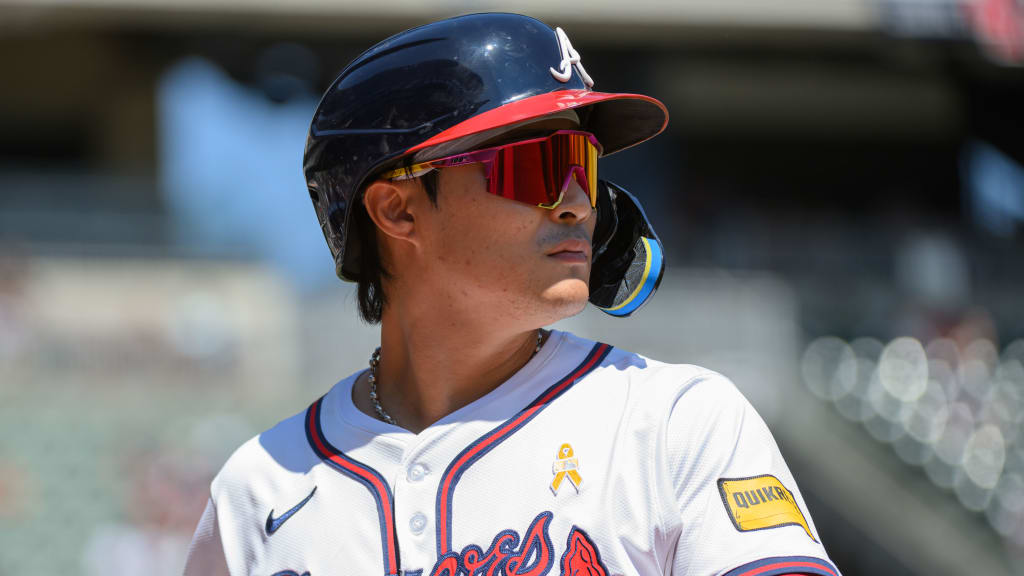
As the calendar turned toward 2026, optimism has been tempered by uncertainty. While there is hope that improved health could stabilize the roster, the early outlook has not inspired confidence that a swift return to dominance is guaranteed. Questions remain about durability, depth, and whether the core that powered Atlanta’s success for years can fully recapture its form.
For a franchise that has grown accustomed to October baseball, the recent downturn has served as a stark reminder of how quickly fortunes can change in Major League Baseball. Whether the Braves can reverse course and reestablish themselves as contenders will largely depend on staying healthy and rediscovering the cohesion that once made them one of the league’s most formidable teams.
Atlanta Braves’ $20 Million Shortstop Investment Hit With Setback
Just weeks after the organization made what looked like a decisive move to stabilize one of the most important positions on the field, the Atlanta Braves found themselves scrambling to adjust their plans. The club had committed significant resources to addressing shortstop by handing Ha-Seong Kim a one-year contract worth $20 million, fully intending for him to be the everyday fixture in the middle of the infield.
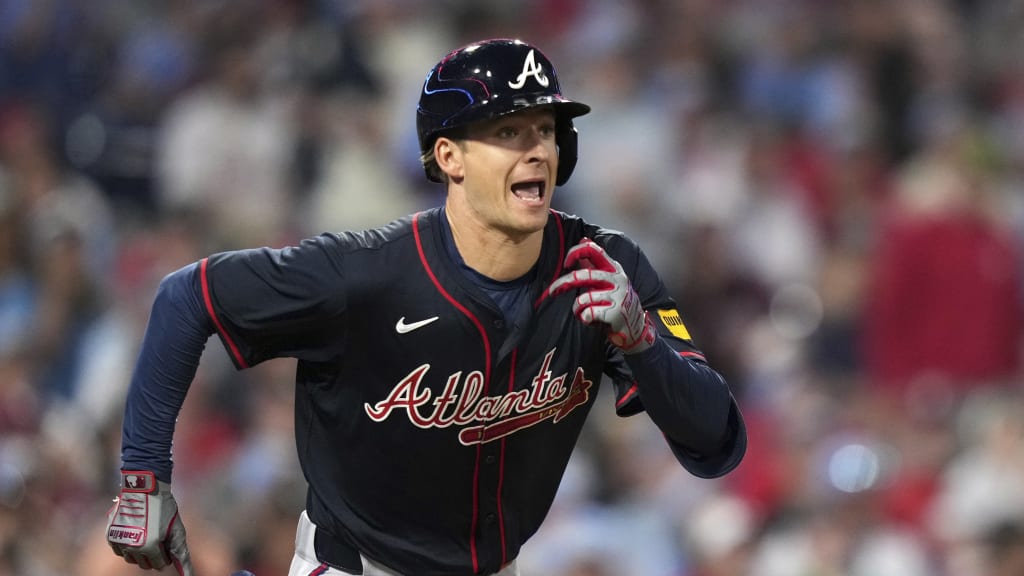
That sense of certainty did not last long. In an unfortunate turn of events, Kim suffered an unexpected injury that will sideline him for a substantial portion of the upcoming season, forcing the Braves to rethink their depth chart almost immediately.
MORE: Phillies’ 6-Year Veteran Officially Joins Hated Rival Mets
The situation unfolded quickly and caught both the team and its fan base off guard. According to reporting from MLB.com, the Braves announced that Kim would open the season on the injured list for the second year in a row.
Writer Mark Bowman detailed how the injury occurred under unusual circumstances, noting that Kim hurt his right middle finger after slipping on a sheet of ice while spending time in his home country of South Korea. What initially sounded like a minor mishap soon proved to be more serious, with medical evaluations indicating a lengthy recovery timeline.
Team officials revealed that Kim could be out for as long as five months, a projection that dramatically alters Atlanta’s short-term and possibly long-term plans. A five-month absence doesn’t just mean missing Opening Day—it potentially keeps Kim out until deep into the summer, leaving the Braves without the player they envisioned as their everyday shortstop for much of the campaign. Given the financial commitment and the expectations tied to his signing, the injury represents a significant setback both competitively and strategically.
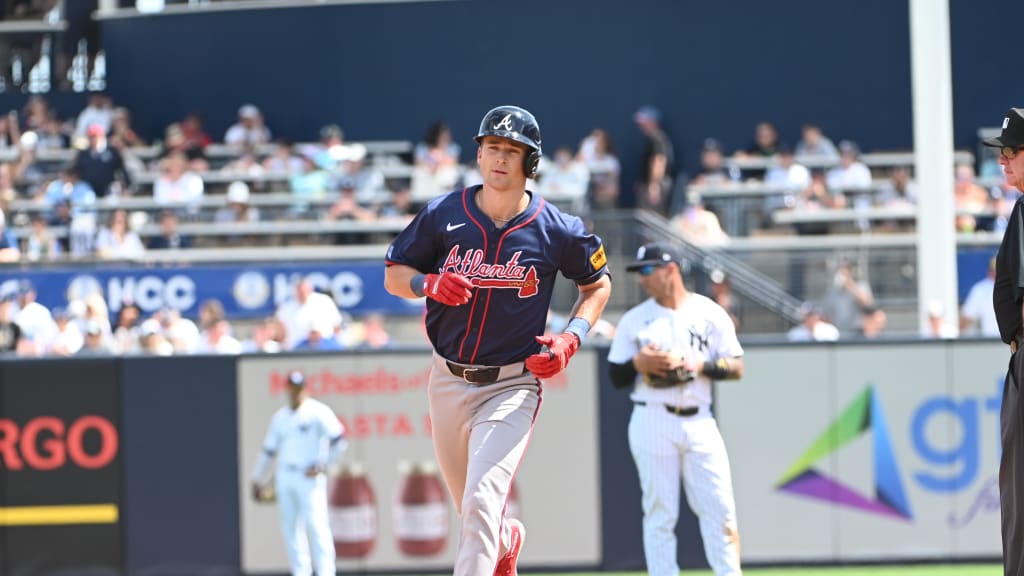
Faced with the reality of Kim’s absence, the Braves acted swiftly to reinforce their infield depth. Their first move was to bring in veteran infielder Jorge Mateo, a player known for his versatility and speed, to help cover shortstop duties.
Mateo joins Mauricio Dubón, who was already expected to play a utility role and now becomes even more important as a flexible option capable of handling multiple positions. Together, the two are slated to serve as the primary backups—or perhaps temporary starters—while Kim rehabs.
MORE: “Answer to Chaim Bloom’s search” Cardinals to land veteran right-handed slugger
However, the front office did not stop there. Recognizing that injuries, slumps, and scheduling demands can quickly expose a lack of depth over the course of a long season, Atlanta added another familiar name to the mix. The team brought back Luke Williams, an infielder they had previously parted ways with just months earlier. While Williams may not be a high-profile addition, his return underscores how seriously the Braves are taking the need for insurance at shortstop and around the diamond.
Williams’ familiarity with the organization likely played a role in the decision. Having already spent time in the Braves’ system, he understands the team’s expectations, coaching staff, and clubhouse culture. That comfort level can be valuable when a player is asked to step into a supporting role on short notice. Although he is not expected to replace Kim’s production outright, Williams provides another layer of coverage and flexibility that could prove useful if injuries continue to pile up or if other infielders are pressed into expanded roles.
From a broader perspective, this string of moves highlights how quickly even well-laid plans can unravel in baseball. The Braves entered the offseason intent on solidifying their roster, and the signing of Kim was viewed as a clear signal of that commitment. In one stroke, they addressed a key position with a proven major league contributor, seemingly eliminating uncertainty at shortstop. Yet within a month, circumstances completely changed, illustrating how fragile roster construction can be when unexpected injuries arise.
The situation also places additional pressure on the players now tasked with filling the void. Mateo and Dubón will likely see increased playing time and responsibility, while Williams may be called upon to contribute in ways that were not initially anticipated. How effectively this group performs could have a meaningful impact on Atlanta’s early-season fortunes, especially in a competitive division where slow starts can be costly.
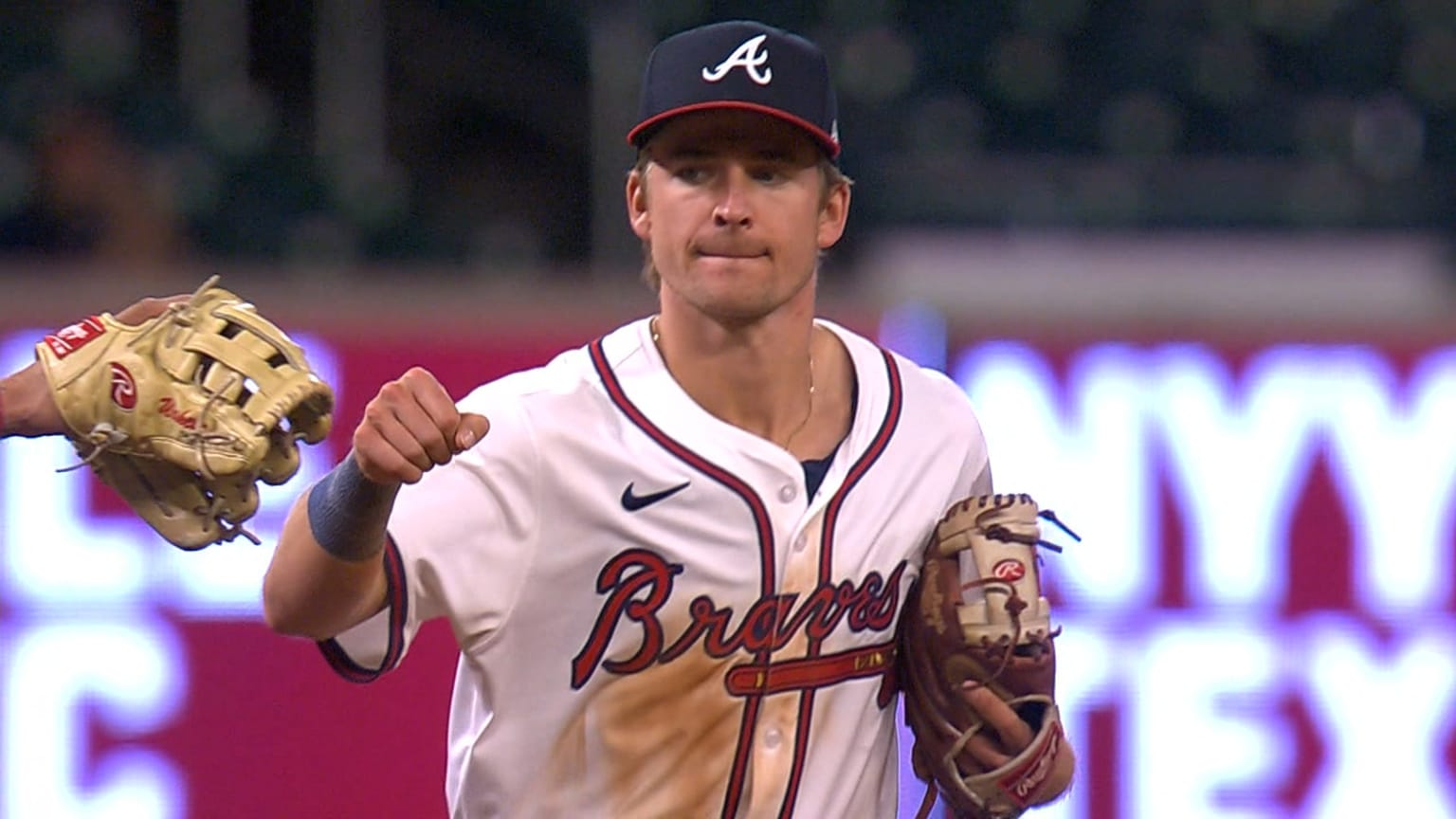
For Kim, the focus now shifts entirely to recovery. The Braves will hope that his rehabilitation progresses smoothly and that he can return close to the projected timeline, ready to make an impact in the second half of the season. Until then, the team must rely on depth, adaptability, and careful roster management to weather the storm created by a freak accident that no one could have predicted.
In the end, this episode serves as a reminder that success in Major League Baseball often hinges not just on star signings, but on the ability to respond effectively when plans go awry. The Braves’ quick succession of moves—adding Mateo, leaning on Dubón, and bringing back Williams—reflects an organization trying to stay nimble in the face of adversity, determined to keep its season on track despite an early and unwelcome obstacle.
Atlanta Braves Bring Back Shortstop Luke Williams After Injury Calls For Depth
After being removed from Atlanta’s 40-man roster earlier in the offseason, Luke Williams initially chose to test the open market. Rather than accept an outright assignment, the 29-year-old elected free agency, hoping another organization might offer a clearer path to major-league playing time. That process ultimately brought him full circle. According to Rotowire, Williams has now returned to the Braves organization after agreeing to a minor-league contract, rejoining a club that is already familiar with his skill set and versatility.
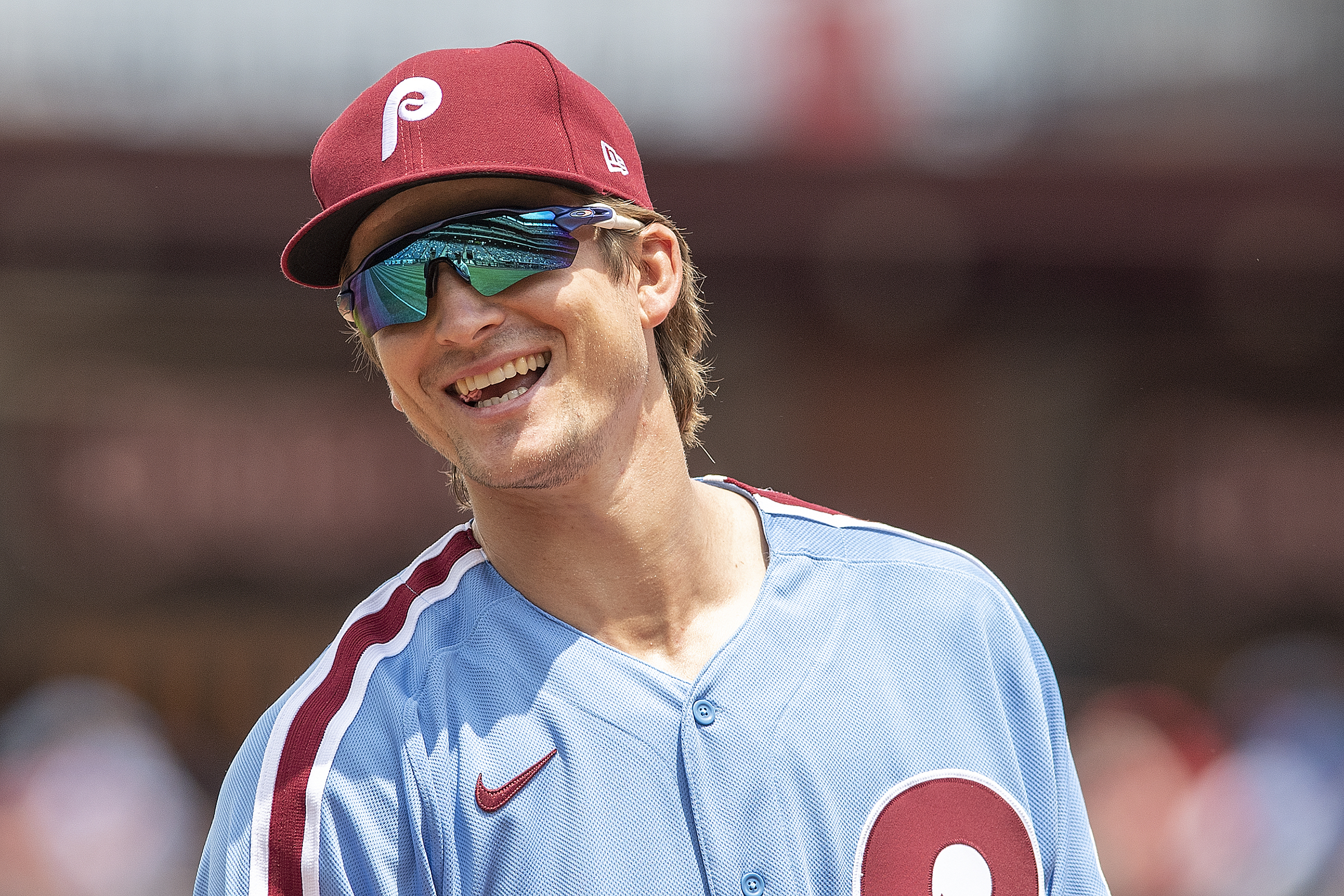
From a statistical standpoint, Williams’ major-league résumé has been modest. Over portions of five MLB seasons, he has compiled a career slash line of .212/.270/.280, numbers that reflect limited offensive impact at the highest level.
MORE: Padres to Ink 2-Time All-Star Pitcher to Solidify Rotation
He has not established himself as a consistent everyday hitter, and power has never been a defining part of his profile. Still, despite those struggles at the plate, Williams continues to find opportunities across the league because of his defensive flexibility and ability to fill multiple roles when injuries or roster turnover strike.
That adaptability has led to a nomadic big-league journey. Over the course of his career, Williams has appeared in the majors with five different National League clubs: the Philadelphia Phillies, San Francisco Giants, Miami Marlins, Los Angeles Dodgers, and the Atlanta Braves. In each stop, the pattern has been similar. Williams has been used primarily as a depth option, bouncing between Triple-A and the majors, and stepping into the lineup when teams needed coverage at shortstop, second base, or other infield spots.
Atlanta’s history with Williams dates back to 2023, when the Braves claimed him off waivers. At the time, the move was a low-risk attempt to add organizational depth, but it quickly turned into a longer relationship.
Williams re-signed with the Braves the following offseason and eventually earned a chance to contribute at the big-league level later that year. While his opportunities were limited, the Braves valued his ability to handle premium defensive positions and his familiarity with the club’s system.
That role expanded slightly in 2024, when Williams received a longer look in the majors. Though he still struggled to make an impact with the bat, he continued to show reliability defensively, particularly at shortstop. His experience and steady glove made him a logical option when the Braves needed a stopgap or bench piece, even if his offensive ceiling remained capped.
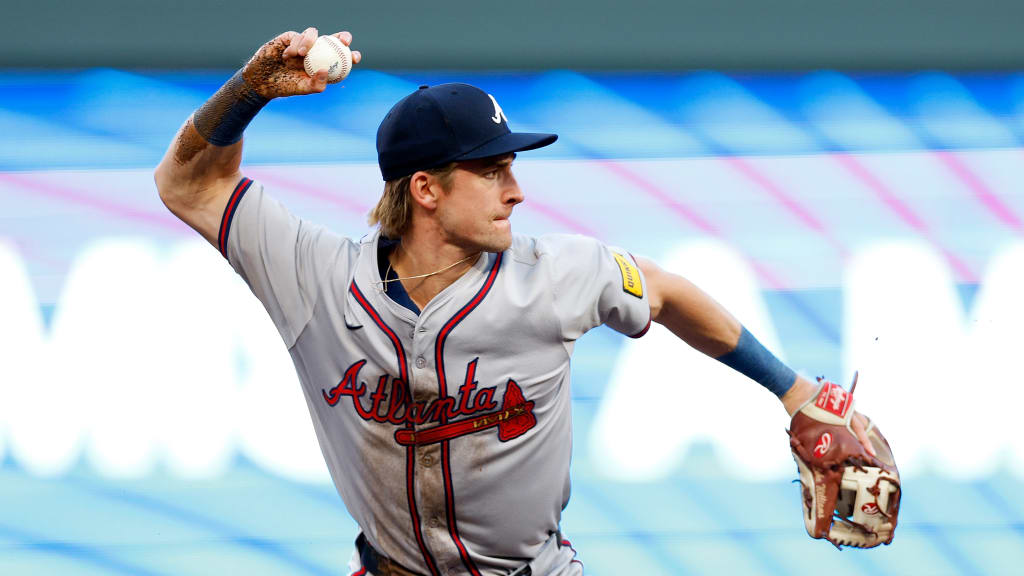
Last season brought yet another chapter in his Atlanta tenure. Williams once again found himself back in the majors, appearing in 25 games for the Braves and logging most of his time at shortstop. His usage underscored exactly why Atlanta continues to circle back to him: he may not be a lineup fixture, but he can be trusted to step in, understand his assignment, and provide competent defense without disrupting the rest of the roster.
MORE: Braves officially part ways with top prospect Shortstop as Spring Training approaches
Despite that familiarity, Williams was outrighted off the 40-man roster last October. As he had done earlier in his career, he chose free agency, betting that his versatility and experience could land him a new opportunity elsewhere. For a time, it appeared that his future might lie outside Atlanta’s organization.
Now, however, Williams is back in the Braves’ fold on a minor-league deal, giving both sides another chance to benefit from the arrangement. For Atlanta, the signing offers inexpensive infield insurance. The team gains a player who knows the organization, has already logged meaningful innings in the majors, and can be summoned quickly if injuries or performance issues create a need. For Williams, the return provides familiarity and a realistic path back to the big leagues, even if it comes in a limited or short-term role.
While there are no guarantees that this reunion will lead to extended MLB time, the situation aligns with how Williams’ career has unfolded to this point. He has carved out a niche as a reliable depth piece, capable of filling gaps across the infield and moving between levels as needed. As the Braves continue to search for stability and reinforcement behind their regulars, Williams once again finds himself in position to compete for another big-league opportunity, proving that persistence and versatility can keep a career alive even without eye-catching numbers.

Be the first to comment