
As the Boston Red Sox continue to navigate an offseason that has yet to feature a marquee major league free-agent addition, the organization has remained active in a quieter but still important area: strengthening its minor league pitching inventory.
While fans may be waiting for a headline-grabbing signing at the big league level, the front office has instead continued to add depth and upside to the lower levels of the system, particularly on the mound.
Boston’s latest move fits squarely into that strategy. According to Andrew Parker of SoxProspects, the Red Sox have signed right-handed pitcher Patrick Halligan to a minor league contract. Halligan, who has previously spent time in the organizations of the Kansas City Royals, Atlanta Braves, and Houston Astros, joins the Boston system without an invitation to major league spring training.
The move is not one that will immediately impact the Red Sox at the MLB level, but it reflects the club’s ongoing effort to stockpile pitching depth with intriguing physical traits.
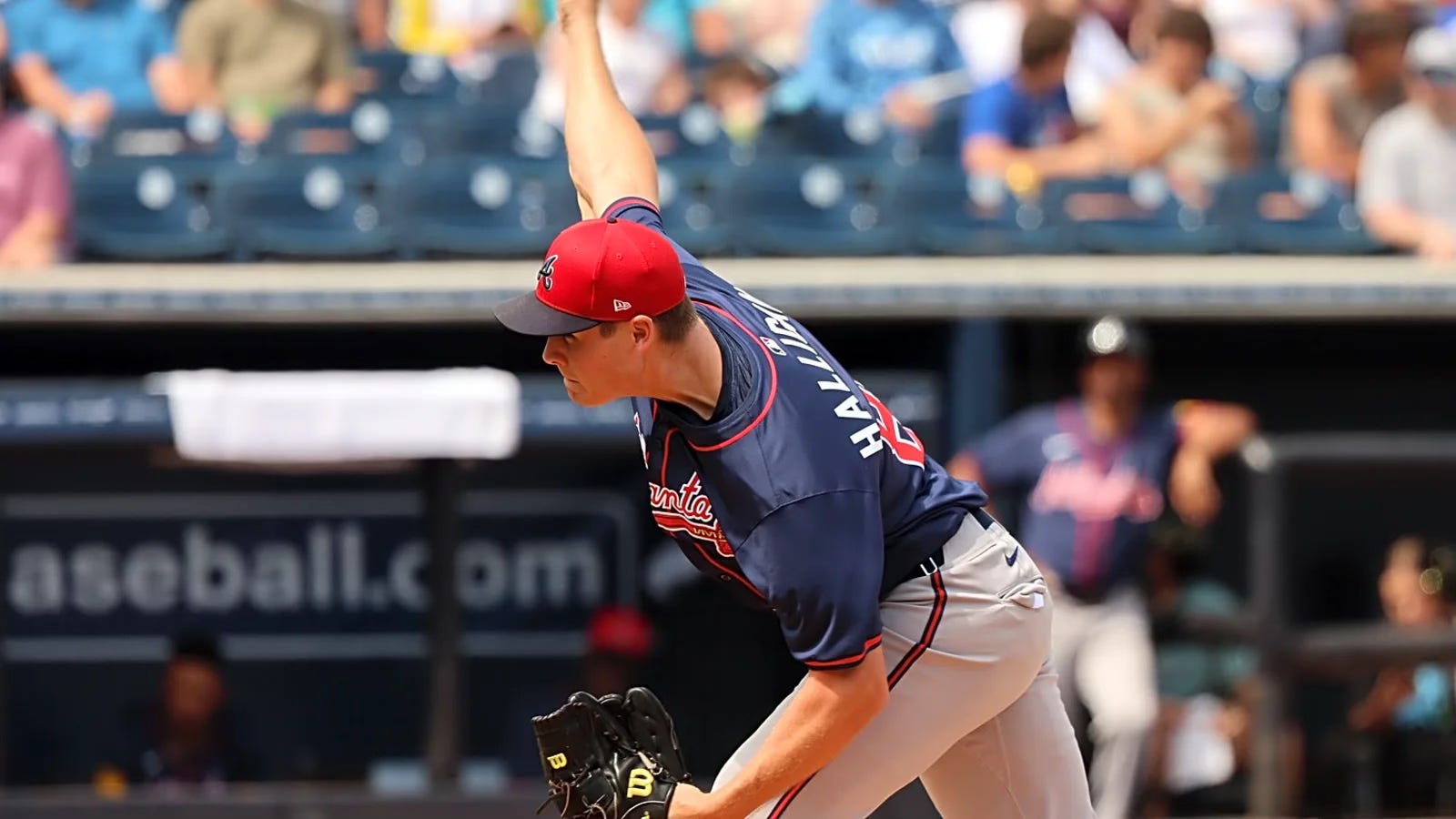
Halligan is 26 years old and still searching for his first opportunity in the majors. He was originally selected by Kansas City in the 13th round of the 2021 MLB Draft, entering professional baseball as a projectable arm rather than a polished, fast-moving prospect.
Since then, his career has been defined by gradual progress, organizational changes, and continued attempts to refine his role on the mound. Despite advancing as far as Triple-A early in his professional tenure, Halligan has yet to break through to the big leagues.
MORE: Padres minor league trade confirmed another elite addition
One of the most notable aspects of Halligan’s profile—and a key reason Boston may have targeted him—is his size. At six-foot-six, he fits perfectly into what appears to be a growing organizational preference for large-framed pitchers.
Over the past year, the Red Sox have increasingly leaned into the idea that bigger bodies can generate more velocity, durability, and downhill plane, embracing a philosophy often summarized as “mass equals gas.” Halligan’s imposing build mirrors that of several other pitchers Boston has acquired or emphasized recently, suggesting a deliberate shift in scouting and development priorities.
This emphasis on size is not limited to Halligan alone. The Red Sox system now features multiple pitchers who stand at the same towering height, signaling that the organization believes physical presence can be molded into performance with the right coaching and analytics.
By targeting arms with similar dimensions, Boston may be betting that mechanical consistency and velocity gains are easier to unlock when pitchers have comparable physical foundations. Halligan, with his long limbs and leverage, fits neatly into that mold.
Throughout his minor league career, Halligan has primarily worked out of the bullpen. Relief pitching has been his most consistent role, allowing him to focus on shorter stints and maximize his raw stuff. However, there was a stretch during the 2023 season when he was given a longer leash as a starter.
MORE: Mets to land Cardinals’ .747 OPS outfielder
That year, while pitching in the Braves’ system, Halligan made 10 starts—the most he has recorded in a single season as a professional. The experiment suggested that at least some organizations viewed him as more than a one-inning reliever, even if he has yet to fully establish himself in a rotation role.
Despite reaching Triple-A with the Royals back in 2022, Halligan has struggled to convert that advancement into sustained momentum toward the majors. His time at the highest minor league level demonstrated that he could survive against more experienced hitters, but it also highlighted the fine margins that separate depth arms from legitimate big league contributors. Control, consistency, and the ability to miss bats at an elite level remain key hurdles for him to clear.
For the Red Sox, this signing is low-risk and potentially rewarding. Minor league deals of this nature are designed to create internal competition while giving pitchers another chance to unlock whatever tools once made them draft-worthy.

Halligan will likely report to minor league camp and be evaluated by Boston’s player development staff, who will assess whether adjustments to his mechanics, pitch mix, or usage patterns can help him take the next step. Even if he never reaches Fenway Park, his presence adds valuable depth across multiple minor league levels.
MORE: Mariners-Rays proposed trade reunite Randy Arozarena with former teammate
From a broader perspective, this move underscores how Boston is approaching roster construction this offseason. While the lack of a major league free-agent splash has drawn attention, the organization appears intent on quietly rebuilding its pitching pipeline. Depth arms like Halligan may not generate headlines, but they can become critical over the course of a long season, especially when injuries inevitably test organizational depth.
In the end, Patrick Halligan’s signing is emblematic of a franchise playing the long game. He is not a finished product, nor is he expected to be an immediate solution. Instead, he represents another calculated bet by the Red Sox that size, development, and opportunity—combined in the right environment—can eventually yield value.
Whether that value comes in the form of a future call-up, bullpen depth, or simply innings at the minor league level, Boston continues to methodically build from the ground up while the search for a headline-grabbing major league addition goes on.
Red Sox sign former Royals, Braves and Astros righty pitcher Patrick Halligan to a minor league deal
Over the course of his professional career, Patrick Halligan has put together a statistical résumé that reflects both promise and persistent challenges. Across 265.1 innings at various levels of the minor leagues, the right-hander has recorded a 4.34 earned run average and a 1.39 WHIP, striking out 282 hitters while issuing 104 walks.
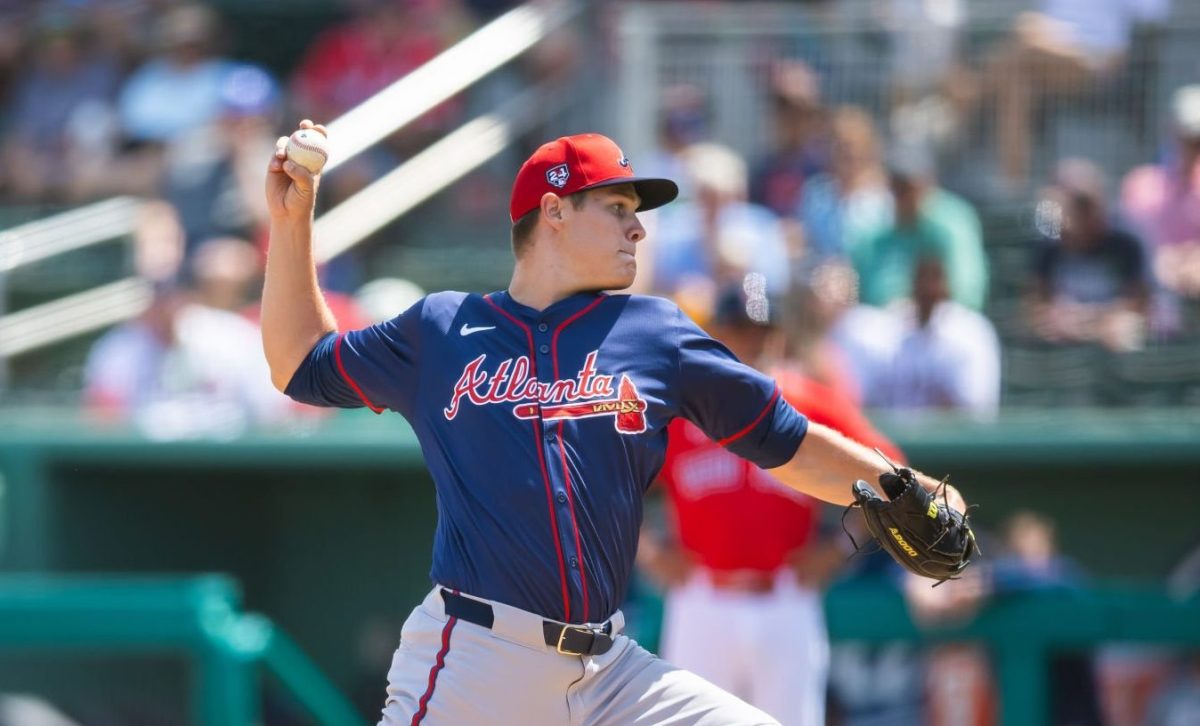
Those totals illustrate a pitcher with the raw ability to miss bats at a strong clip, but also one who has often struggled to consistently command the strike zone. The combination of swing-and-miss stuff and uneven control has defined much of Halligan’s journey through pro ball and explains why he continues to bounce between organizations as clubs search for ways to unlock his upside.
One of the more telling snapshots of Halligan’s career came during the 2022 season, which marked the first time he reached the Triple-A level. That year, he logged 69.1 innings overall and finished with a 5.45 ERA, along with 51 strikeouts against 14 walks. While those surface numbers were not especially eye-catching, the context matters. The bulk of that work came below the top level of the minors, and his actual exposure to Triple-A was extremely limited.
Halligan appeared in just 2.1 innings with Omaha, but in that brief cameo he showed flashes of effectiveness, striking out three batters while allowing only a single baserunner. Although the sample size was tiny, it hinted that he might be capable of competing against more advanced hitters if given the opportunity and the right developmental support.
MORE: Orioles involes in 4-player blockbuster deal, finish offseason with bang
Following that season, Halligan entered a new phase of his career. He signed with the Atlanta Braves as a minor league free agent prior to the 2023 campaign, hoping a change of scenery would help him refine his game. Instead, his time in the Braves’ system proved to be a reset rather than a fast track forward.
After joining the organization, he was sent all the way back to High-A, a move that underscored how far he still had to go to establish himself as legitimate major league depth. For a pitcher who had already tasted Triple-A, the demotion was a reminder that consistency and command remain critical benchmarks in player evaluation.
Halligan’s path took another turn during the 2025 season. In the midst of roster maneuvering, the Braves dealt him to the Houston Astros as a player to be named later in the trade involving veteran reliever Rafael Montero. The transaction placed Halligan in yet another pitching development system, one known for its analytical approach and ability to maximize the effectiveness of role players.
With the Astros, Halligan once again showed that he could be a useful bullpen arm at the minor league level. Over 57.1 innings last season, he posted a 4.40 ERA while striking out 66 batters and walking 27. Those numbers largely mirrored the broader trends of his career: solid strikeout totals paired with a walk rate that limited his overall effectiveness.
Despite the frequent organizational changes and the uneven results, there are still reasons why teams continue to take chances on Halligan. His strikeout totals suggest that his stuff plays, particularly in shorter stints where velocity and movement can be emphasized.
However, the recurring issue has been his inability to consistently limit free passes. Walks have followed him at nearly every stop, inflating pitch counts, creating traffic on the bases, and making it difficult for him to earn extended looks at higher levels. For a pitcher with aspirations of reaching the majors, especially as a reliever, that flaw has to be addressed.
This is where the Boston Red Sox enter the picture. Boston has earned a reputation in recent years for tailoring its pitching development plans to individual arms, often simplifying repertoires and encouraging pitchers to lean heavily on their most effective offerings. For someone like Halligan, that approach could be transformative.
MORE: Orioles finish off explosive offseason with blockbuster trade for $300 million Tigers’ star
Rather than asking him to be overly fine or to rely on pitches that he struggles to command, the Red Sox could focus on sharpening his best weapons and deploying him in situations that accentuate his strengths. By narrowing his pitch mix and emphasizing attack mode, there is a chance Boston’s program could help him rein in the walk issues that have plagued his career.
If that happens, Halligan’s profile could quickly change. A reliever who can miss bats at his rate becomes far more valuable when paired with improved control, even if the overall ceiling remains modest.
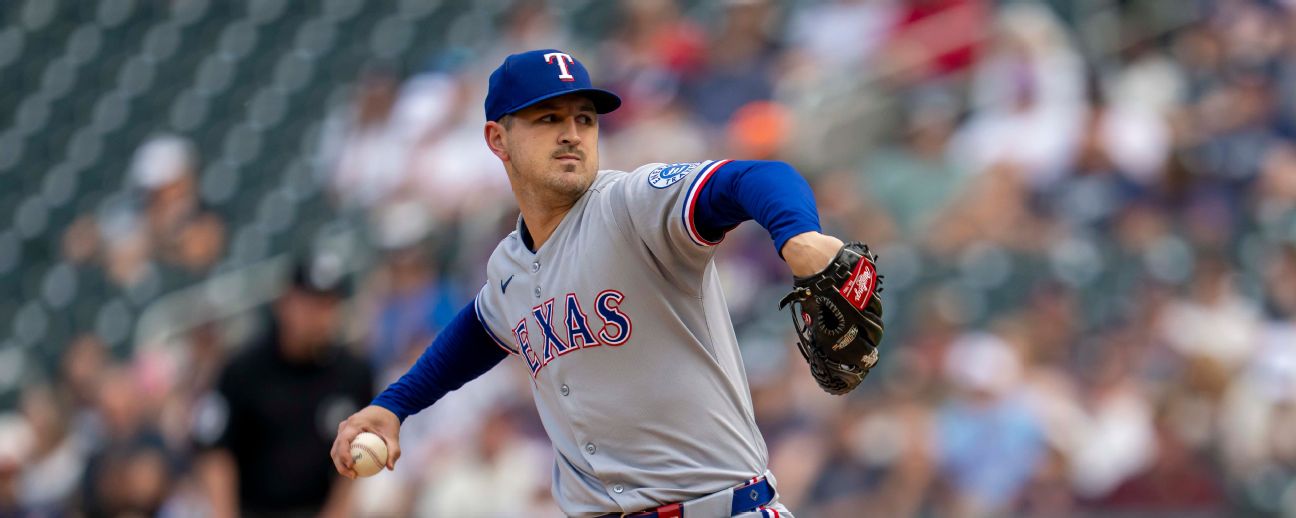
He does not need to develop into a late-inning weapon to justify a roster spot; simply becoming a reliable depth option who can absorb innings and keep games close would represent a meaningful step forward. Given his age and experience, Halligan is no longer a pure prospect, but that also means he brings a level of maturity and resilience forged through years of grinding in the minors.
Ultimately, Halligan’s career to date tells the story of a pitcher who has hovered on the margins of opportunity, flashing enough talent to stay in the conversation while never quite putting it all together. His numbers reflect both the appeal and the frustration teams see when they evaluate him.
Now, with Boston offering yet another chance, there is cautious optimism that the right adjustments and usage could finally allow him to translate his raw ability into consistent results. If the Red Sox can help him harness his control and trust his best pitches, Halligan may yet carve out a role in the big leagues as a serviceable depth reliever, turning years of persistence into a long-awaited breakthrough.


Be the first to comment